
India News
SC accepts CBI inquiry into Sushant’s death, says fair and neutral investigation needs time.
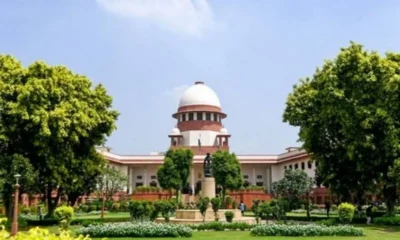
The much awaited Supreme Court verdict has come today in connection with the death of actor Sushant Singh Rajput. On Wednesday, the Supreme Court gave its verdict on the petition of actress Riya Chakravarty to transfer the FIR lodged in Patna in this case to Mumbai.


The much awaited Supreme Court verdict has come today in connection with the death of actor Sushant Singh Rajput. On Wednesday, the Supreme Court gave its verdict on the petition of actress Riya Chakravarty to transfer the FIR lodged in Patna in this case to Mumbai. The Supreme Court in its judgment said that CBI will investigate Sushant Singh case. Krishna Kishore Singh, father of Sushant Singh Rajput, in this FIR lodged in Patna, has made serious allegations against six persons, including Riya Chakraborty and his family members, forcing his son to commit suicide. Please tell that Sushant’s death is about two months old, but till now the investigation was stuck.
The Supreme Court wrote in its judgment, “Sushant Singh Rajput was a talented actor and he died before his full potential was discovered. Many people are waiting for the outcome of the investigation of this case, so speculations have to be stopped. Therefore, fair, adequate and neutral investigation time is needed in this matter. ‘
Know who said this decision
LJP chief Chirag Paswan said that now not only will the truth come out, but names will also come out that were behind obstructing the investigation in the case. I hope Sushant Singh Rajput’s family is relieved by the court order.
After the Supreme Court’s decision, Ankita Lokhande shared a picture of the statue of justice and wrote – Victory of Truth.

Sushant Singh Rajput’s cousin and BJP MLA Neeraj Singh Bablu said that our family thanks the Supreme Court and all those who were part of this movement for justice. Now we are certain that Sushant will get justice.
Bihar DGP Gupteshwar Pandey said that I am very happy. The Supreme Court order has strengthened the confidence of the people in the court and assured the country that justice will be found in the case of Sushant Singh Rajput’s death.
Advocate Vikas Singh, father of Sushant Singh Rajput, said after the verdict came that it was the victory of Sushant Singh Rajput’s family. All the points of the Supreme Court are in our favor. The Supreme Court also clearly stated that the FIR lodged in Patna is correct.
Soon after the decision of the Supreme Court, Sushant’s sister Shweta Kirti Singh expressed her happiness by tweeting and wrote- CBI will investigate the final Sushant case.
Sanjay Jha, a minister in the Bihar government, said that the Mumbai police wanted to close the case in a way. The investigation has started seriously only after an FIR was filed on behalf of Sushant Singh Rajput’s family. We hope the family gets justice.
The Supreme Court in its judgment upheld the FIR lodged in Bihar, besides ordering the Mumbai Police to cooperate in the investigation.
This morning, all the media had started the heat of the decision coming today. Sushant’s fans were constantly demanding a CBI inquiry in the country and abroad.
Let us tell you that on 14 June Sushant Singh Rajput was found hanging in his apartment in Bandra, a suburb of Mumbai. Even after investigating the case for nearly two months, the Mumbai Police considered it a simple suicide. But in the circumstances in which the incident took place, crores of fans of Sushant in the country and abroad did not believe that this case was a suicide. The matter had reached the Supreme Court, whose decision had all eyes on it. Today’s verdict is expected to bring justice to Sushant’s family.







India News
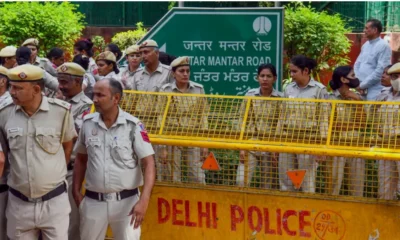
Delhi Police offers 11-person limit for CJP’s Connaught Place protest
Delhi Police has offered to facilitate a group of 11 people at Central Park in Connaught Place for the Cockroach Janata Party’s October 16 protest, while warning that violations of prohibitory orders could invite legal action.


India News
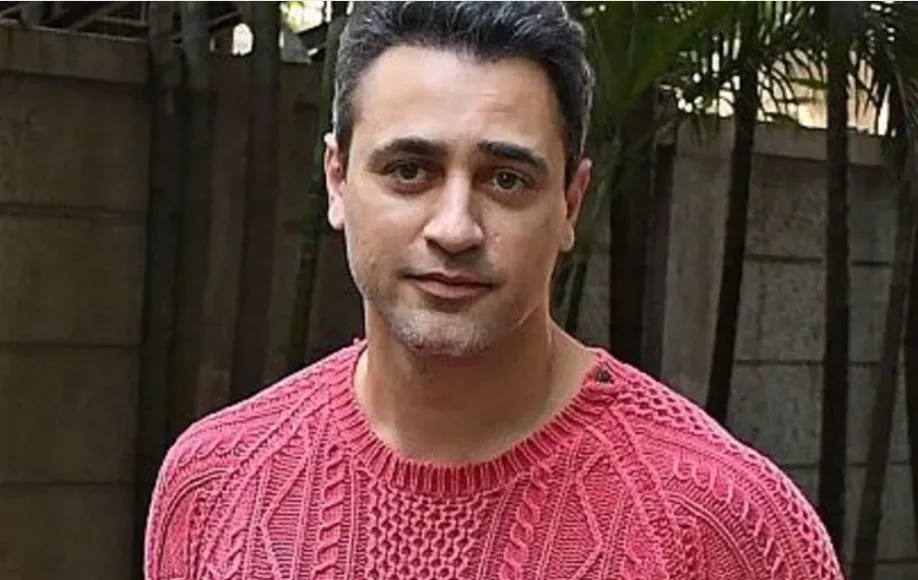
Actor Imran Khan asked to leave India after CJP protest
Actor Imran Khan has been asked to leave India by October 28, days after participating in a protest called by the Cockroach Janta Party (CJP) in Mumbai.
India News
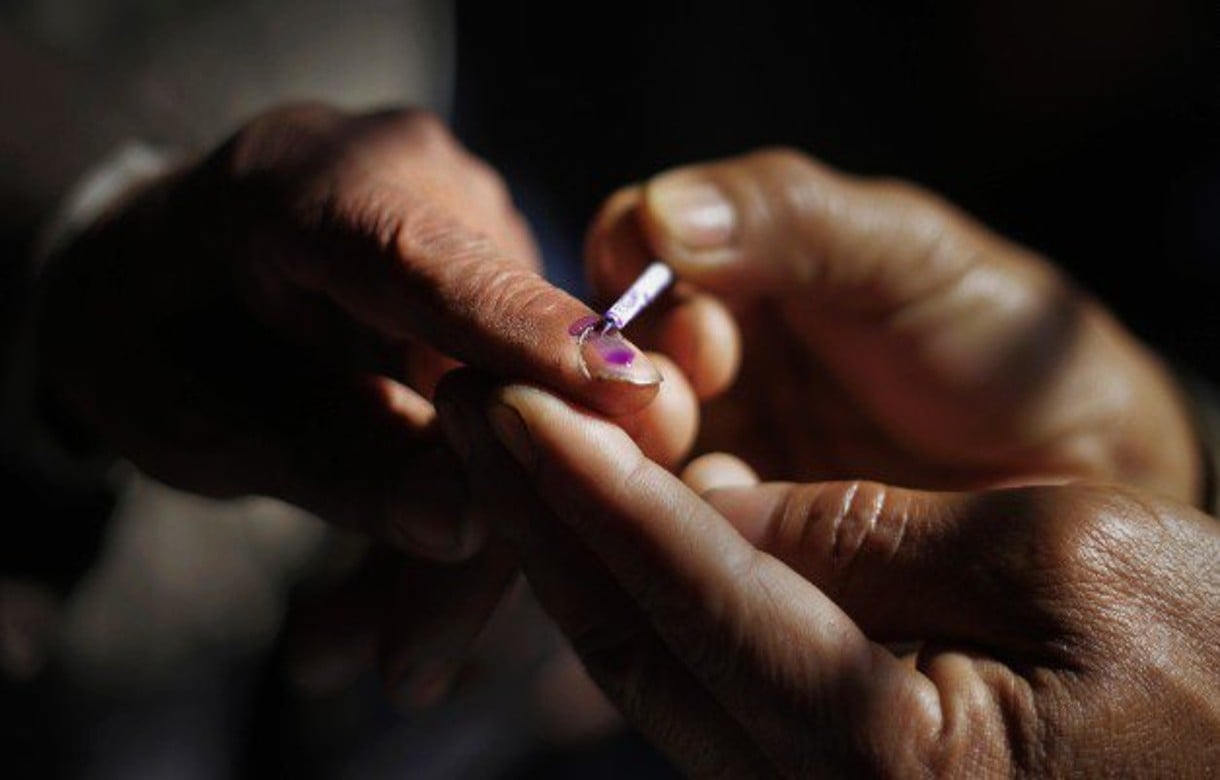
Election Commission orders voter roll revision in 17 states, UTs
The Election Commission has ordered a Special Summary Revision of electoral rolls in 17 states and Union Territories. Draft rolls are scheduled for November 12, with final rolls due on January 4, 2027.

Dhruv Rathee gets fresh summons in 2018 BJP IT cell video case

Nobody can browbeat judiciary, Chief Justice warns over Rahul Gandhi’s march

India-US trade deal first phase finalised, drafting underway

Election Commission orders voter roll revision in 17 states, UTs

Actor Imran Khan asked to leave India after CJP protest

Delhi Police offers 11-person limit for CJP’s Connaught Place protest
Actor Imran Khan asked to leave India after CJP protest
Election Commission orders voter roll revision in 17 states, UTs
India-US trade deal first phase finalised, drafting underway
Nobody can browbeat judiciary, Chief Justice warns over Rahul Gandhi’s march

Afghan Men Try To Hang With The Jet Engine Of The Aircraft in Kabul- Afghanistan News – Kabul News
Trending Top 10 News: 10000 Crore Fine on Flipkart, Apple to Launch Unique Feature, Hdfc Bank Job Ad

Trending Top 10 News: Nokia 6310, Apple sales, Bachpan ka Pyar Video Kid, Dainik Bhaskar IT Raid

Trending Top 10 News: Canada bans Indian flights, Rain in Delhi NCR, AIMIM Twitter hacked, Raj Kundra case

Trending Top 10 News: Shein India, Apple New Service, Pocket Oxygen, Oppo Launched New Phone
-
 India News12 hours ago
Dhruv Rathee gets fresh summons in 2018 BJP IT cell video case
-
 India News9 hours ago
Nobody can browbeat judiciary, Chief Justice warns over Rahul Gandhi’s march
-
 India News5 hours ago
India-US trade deal first phase finalised, drafting underway
-
 India News2 hours ago
Election Commission orders voter roll revision in 17 states, UTs
-
 India News2 hours ago
Actor Imran Khan asked to leave India after CJP protest
-
 India News57 mins ago
Delhi Police offers 11-person limit for CJP’s Connaught Place protest
