
India News
Devendra Fadnavis says Kangana wrong for equating Mumbai with PoK
On other issues, Fadnavis supported Ranaut against the Shiv Sena-led government’s actions. He said the government of Uddhav Thackeray should focus on the rapidly increasing Covid-19 cases instead of fighting with Ranaut.


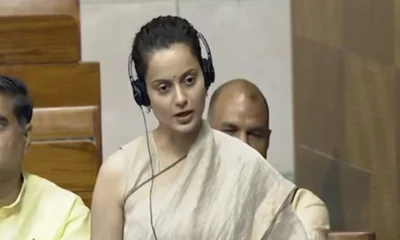
Former Maharashtra Chief Minister Devendra Fadnavis on Friday said actor Kangana Ranaut should not have said Mumbai fells like Pakistan-occupied Kashmir. Speaking in Patna, Fadnavis said Mumbai is a city of dreams and cannot be dismissed as PoK. He is the first BJP leader to find fault with Ranaut’s statement on Mumbai.
On other issues, Fadnavis supported Ranaut against the Shiv Sena-led government’s actions. He said the government of Uddhav Thackeray should focus on the rapidly increasing Covid-19 cases instead of fighting with Ranaut.
Fadnavis had earlier said the Thackeray government would not dare to demolish underworld don Dawood Ibrahim’s house, but was keen to demolish the actor’s house. He said Maharashtra is the most affected state by the coronavirus pandemic with 40 percent deaths in the country and should deal with it instead of being obsessed with reacting to the actor.

Nationalist Congress Party chief Sharad Pawar said on Friday that the state government had no role to play in the demolition of Kangana’s office, the decision was made by the Brihanmumbai Municipal Corporation. The Mumbai civic body was also following its rules and regulations, he said.
On Thursday, the Bombay High Court stopped the demolition of Kangana Ranaut’s Pali Hill office and will hear the case again on September 22.
Read Also: After Uddhav Thackeray, Kangana Ranaut has things to say about Sonia Gandhi
Kangana Ranaut had tweeted that she was afraid to live in Mumbai and compared the country’s financial capital to PoK. Prior to her return to Mumbai, Ranaut thanked Home Minister Amit Shah for granting her Y-Plus security.







India News
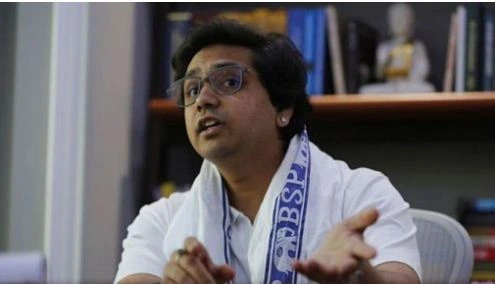
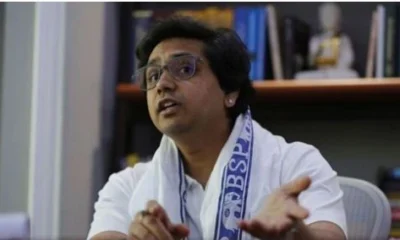
Mayawati says Akash Anand needs more maturity, rules out major BSP role
BSP chief Mayawati says nephew Akash Anand needs greater political maturity before taking on a major responsibility in the party.

India News
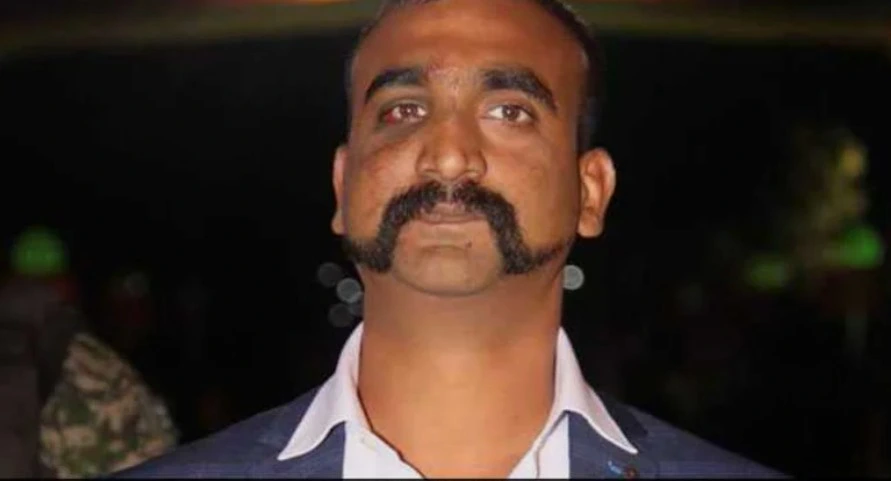
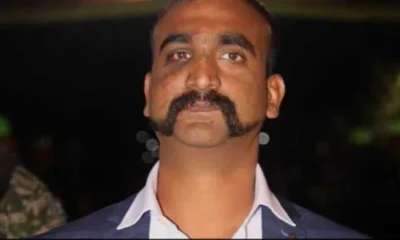
Abhinandan Varthaman retires from IAF, joins FLY91 as commercial pilot
Abhinandan Varthaman has taken premature retirement from the IAF after 22 years and reportedly joined Goa-based airline FLY91 as a commercial pilot.
India News
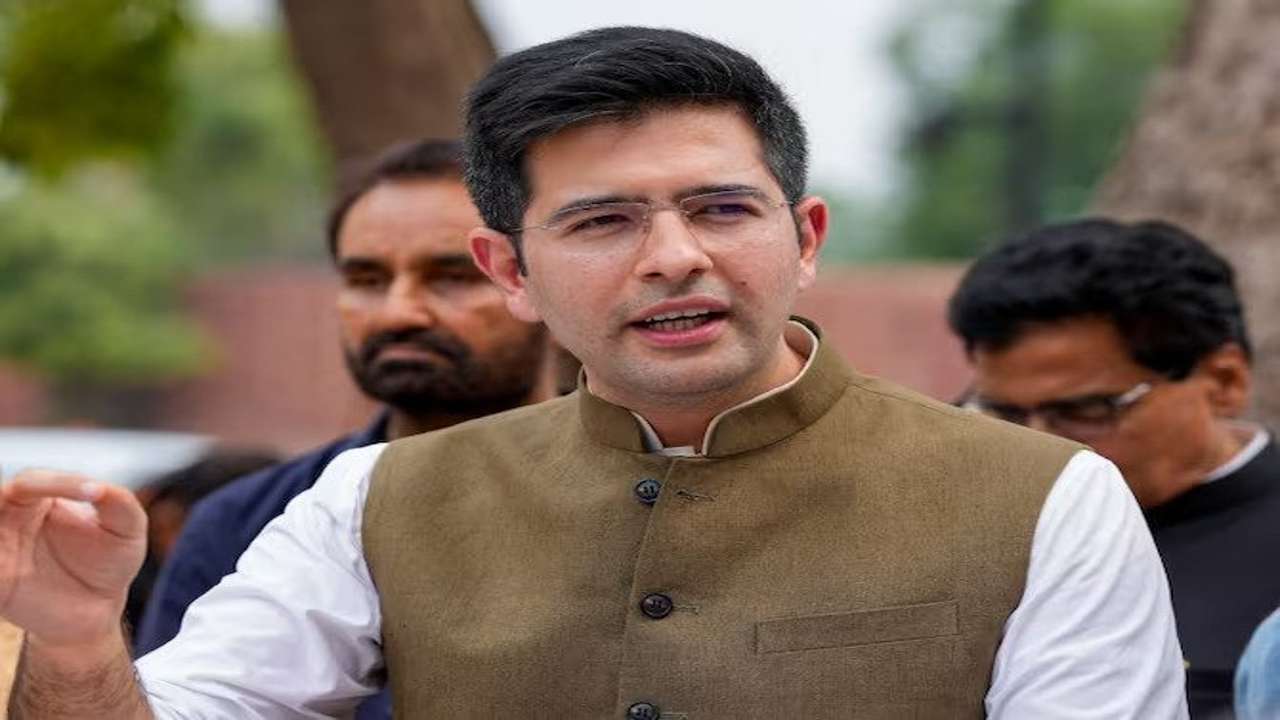
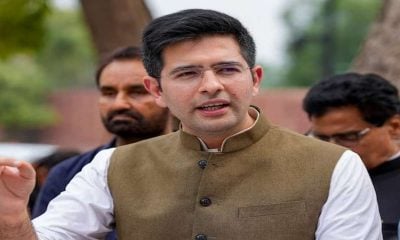
Raghav Chadha marked as shifted in Punjab draft voter rolls, alleges AAP vendetta
Raghav Chadha has alleged political vendetta after his name was marked “shifted” in Punjab’s draft electoral rolls during the SIR exercise.

Raghav Chadha marked as shifted in Punjab draft voter rolls, alleges AAP vendetta

SBI defends 7.8% GDP growth, explains controversy over revised data

Mayawati says Akash Anand needs more maturity, rules out major BSP role

Abhinandan Varthaman retires from IAF, joins FLY91 as commercial pilot

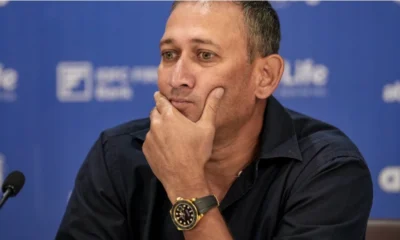
No discussion on Ajit Agarkar’s extension, BCCI clarifies after key meeting absence
No discussion on Ajit Agarkar’s extension, BCCI clarifies after key meeting absence
Mayawati says Akash Anand needs more maturity, rules out major BSP role
Abhinandan Varthaman retires from IAF, joins FLY91 as commercial pilot
Raghav Chadha marked as shifted in Punjab draft voter rolls, alleges AAP vendetta
SBI defends 7.8% GDP growth, explains controversy over revised data

Afghan Men Try To Hang With The Jet Engine Of The Aircraft in Kabul- Afghanistan News – Kabul News
Trending Top 10 News: 10000 Crore Fine on Flipkart, Apple to Launch Unique Feature, Hdfc Bank Job Ad

Trending Top 10 News: Nokia 6310, Apple sales, Bachpan ka Pyar Video Kid, Dainik Bhaskar IT Raid

Trending Top 10 News: Canada bans Indian flights, Rain in Delhi NCR, AIMIM Twitter hacked, Raj Kundra case

Trending Top 10 News: Shein India, Apple New Service, Pocket Oxygen, Oppo Launched New Phone
-
 India News19 hours ago
Raghav Chadha marked as shifted in Punjab draft voter rolls, alleges AAP vendetta
-
 India News19 hours ago
SBI defends 7.8% GDP growth, explains controversy over revised data
-
 India News8 hours ago
Mayawati says Akash Anand needs more maturity, rules out major BSP role
-
 India News9 hours ago
Abhinandan Varthaman retires from IAF, joins FLY91 as commercial pilot
-
 Cricket news8 hours ago
No discussion on Ajit Agarkar’s extension, BCCI clarifies after key meeting absence
