English हिन्दी
Connect with us

India News

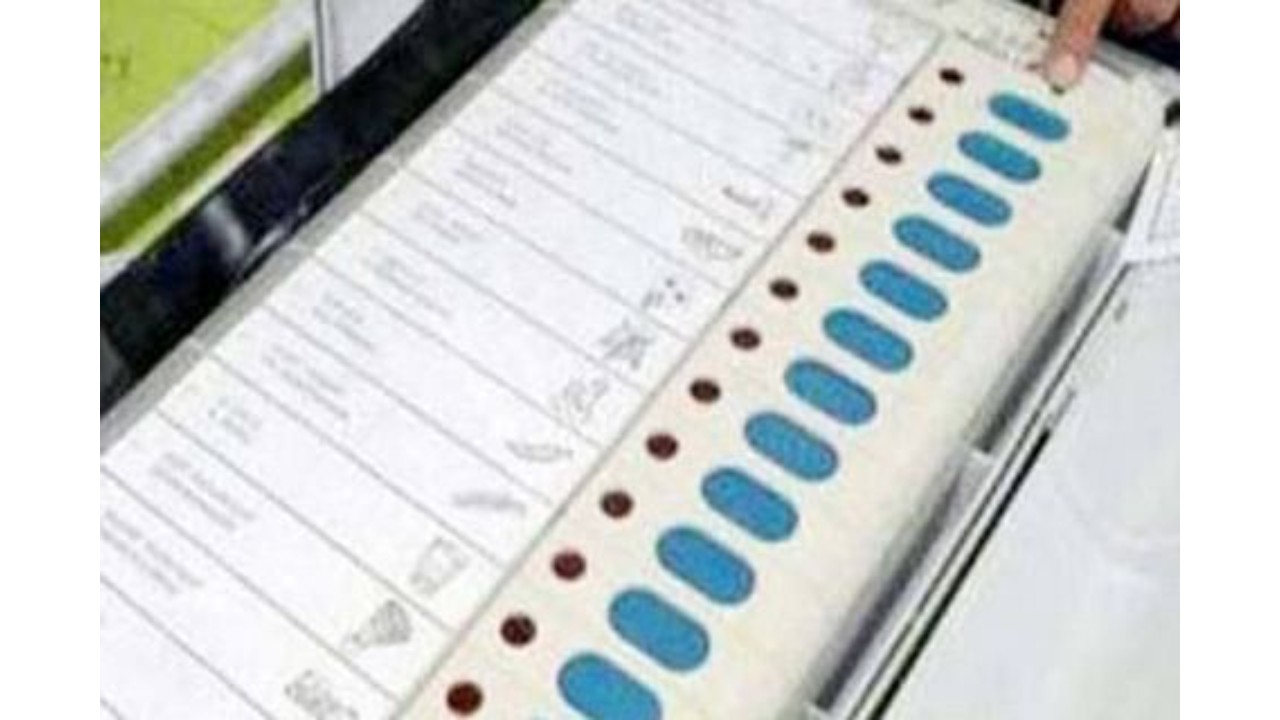
EVM glitches, violence reported during early hours of Bengal phase 2 voting

Phase 2 of the West Bengal Assembly elections began with reports of EVM glitches and isolated incidents, triggering political accusations between TMC and BJP.

Published

on

EVM

Voting for the second phase of the West Bengal Assembly elections began on Wednesday, with early reports of technical glitches in electronic voting machines (EVMs) and isolated incidents of tension in some areas.

Polling is being held across multiple constituencies in parts of the state, with voters arriving at booths from the early hours. However, initial disruptions were reported at several locations, mainly due to malfunctioning EVMs.

Election officials responded to the complaints and worked to replace or repair faulty machines, ensuring that voting resumed with minimal delay. Authorities said most of the technical issues were resolved within a short time.

Alongside the glitches, there were reports of sporadic clashes and allegations of intimidation from certain districts, contributing to a tense atmosphere during the early phase of polling.

The political exchange also intensified, with Trinamool Congress chief Mamata Banerjee alleging that central agencies were attempting to influence the electoral process. She claimed that party workers were being harassed and raised concerns over the conduct of the polls.

The Bharatiya Janata Party, on the other hand, accused the ruling party of law and order failures and alleged that its workers faced disruptions in certain areas.

Despite the early issues, polling continued under tight security arrangements, with additional forces deployed at sensitive booths. Election authorities said they were closely monitoring the situation to ensure that voting proceeds smoothly.

This phase is considered significant in the overall election process, with key constituencies witnessing closely watched contests.

India News

Bengal phase 2 voting records over 18% turnout in early hours amid glitches and tension

Bengal phase 2 voting recorded over 18% turnout in early hours despite EVM glitches and isolated incidents across constituencies.

Published

on

Voting for the second phase of the West Bengal Assembly elections began on Wednesday with steady voter participation, even as reports of electronic voting machine (EVM) glitches and sporadic incidents of violence emerged from several areas.

According to early data, voter turnout reached around 18.39% by 9 am, indicating a moderate but steady response from voters in the initial hours of polling. Long queues were seen at multiple polling booths as people arrived early to cast their votes across key constituencies.

Technical issues and isolated incidents reported

Some polling stations reported EVM-related issues, which briefly slowed down the voting process before being addressed by officials. Alongside technical glitches, isolated incidents of clashes and tension were also reported, adding to the challenges during the early phase of polling.

Authorities have deployed extensive security arrangements, particularly in sensitive locations, to ensure that voting continues without major disruptions.

Political reactions surface as polling begins

Political leaders reacted sharply as polling got underway. Allegations of interference and attempts to influence voters were raised, while appeals were also made to ensure maximum voter participation.

The phase remains crucial in determining the electoral outcome across several important regions, with major parties closely contesting for dominance.

Continue Reading

India News

PM Narendra Modi flags off Amrit Bharat Express trains linking UP with Maharashtra

Prime Minister Narendra Modi flagged off two Amrit Bharat Express trains connecting Varanasi to Pune and Ayodhya to Mumbai, enhancing long-distance rail connectivity.

Published

on

Prime Minister Narendra Modi on April 28 flagged off two new Amrit Bharat Express trains, strengthening rail connectivity between Uttar Pradesh and Maharashtra.

The newly launched weekly services will operate on two key routes — Varanasi (Banaras) to Hadapsar in Pune and Ayodhya to Mumbai’s Lokmanya Tilak Terminus.

Improved connectivity between spiritual and economic hubs

The new trains are designed to link major spiritual centres like Varanasi and Ayodhya with important economic cities such as Pune and Mumbai. This is expected to improve travel convenience for passengers, including pilgrims and migrant workers.

The Ayodhya–Mumbai route, in particular, is likely to support religious tourism linked to the Ram Temple while also easing long-distance travel demand between Uttar Pradesh and Maharashtra.

Focus on affordable and inclusive rail travel

The Amrit Bharat Express trains are aimed at providing affordable, non-AC long-distance travel with improved safety and comfort features. These services are part of a broader push to make rail transport more accessible to the common public.

Officials said the trains will run weekly and pass through multiple key stations across states, enhancing regional connectivity along the route.

Boost to indian railways network

The launch is part of the government’s ongoing efforts to expand railway infrastructure and improve connectivity across regions. With these additions, direct rail links between northern and western India are expected to become more efficient and accessible.

Continue Reading

India News

PM Narendra Modi inaugurates projects worth over Rs 1,050 crore in Varanasi

PM Narendra Modi inaugurated projects worth Rs1,050 crore and laid foundation for Rs 5,300 crore initiatives in Varanasi, focusing on infrastructure and urban development.

Published

on

pm modi

Prime Minister Narendra Modi on Tuesday inaugurated development projects worth over Rs1,050 crore in Varanasi, while also laying the foundation stone for additional projects valued at around Rs 5,300 crore.

The initiatives are part of a broader push to strengthen infrastructure and public services in the Prime Minister’s parliamentary constituency.

Focus on infrastructure and connectivity

According to official details, a total of 48 completed projects were inaugurated, covering key sectors such as road connectivity, rail infrastructure and urban services.

Among the major highlights is the widening of the Varanasi-Azamgarh road, aimed at easing traffic flow and improving regional connectivity.

Additionally, new rail over bridges at Kazzakpura and Kadipur have been opened to reduce congestion and enhance transport efficiency in the city.

Urban development and public utilities

The Prime Minister also inaugurated a sewage treatment plant in Bhagwanpur with a capacity of 55 million litres per day, targeting improved sanitation and water management in the region.

These projects are expected to support long-term urban development and improve quality of life for residents.

Foundation laid for larger development push

In addition to the inaugurated works, Modi laid the foundation stone for 112 new projects worth around Rs 5,300 crore.

The upcoming projects span multiple sectors and are aimed at further strengthening infrastructure, boosting economic activity, and supporting urban expansion in Varanasi.

Financial support to dairy farmers

During the visit, the Prime Minister also announced a financial boost for dairy farmers by transferring over Rs 105 crore as bonus payments to milk suppliers associated with Banas Dairy in Uttar Pradesh.

Continue Reading

Trending

© Copyright 2022 APNLIVE.com