
India News
Akhara of sadhus declares Ram Rahim, Asaram, Rampal & 11 others as ‘fake babas’


[vc_row][vc_column][vc_column_text]Akhil Bharatiya Akhara Parishad (ABAP) – an apex body of Hindu sages – declares list of 14 cult leaders who have “brought disrepute to sadhus and sanyasis”
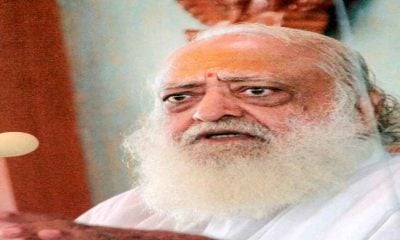
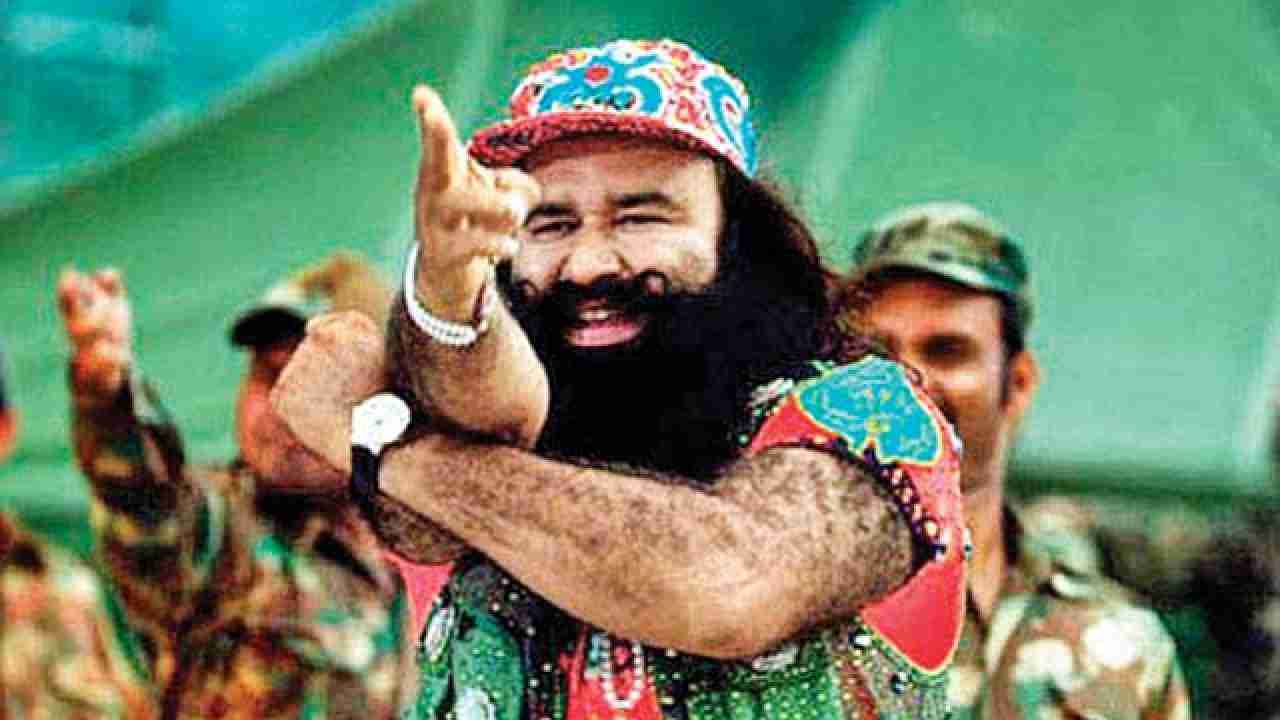
Amid growing outrage over controversial self-styled godmen and cult leaders – the likes of Gurmeet Ram Rahim, Rampal and Asaram Bapu who are all currently lodged in various jails – an apex body of Hindu sages has been forced to come out with a list of 14 “fake babas”. Former RSS member and 2007 Mecca Masjid blasts case accused Swami Aseemanand also finds his name in this ‘elite list’ of charlatans.
These self-anointed gurus and bapus who, riding on their mass popularity, financial strength and political connections, have become leaders of various cults have been called out by the Akhil Bharatiya Akhara Parishad (ABAP) as “charlatans who have brought disrepute to sadhus and sanyasis”.
The ABAP is an apex body of Hindu sages and saints – albeit some of its members are just as controversial as those godmen who they wish to outcast. Members of the ABAP met in Allahabad, on Sunday, to discuss the challenges posed to their brethren because of the controversial and often criminal activities and links of self-anointed godmen like Dera Sacha Sauda chief Gurmeet Ram Rahim Singh or Asaram Bapu – the former was recently convicted of raping two of his female followers while the latter, along with his son Narayan Sai – another guru – are facing trial in a slew of rape cases filed by their female followers, including some minors.
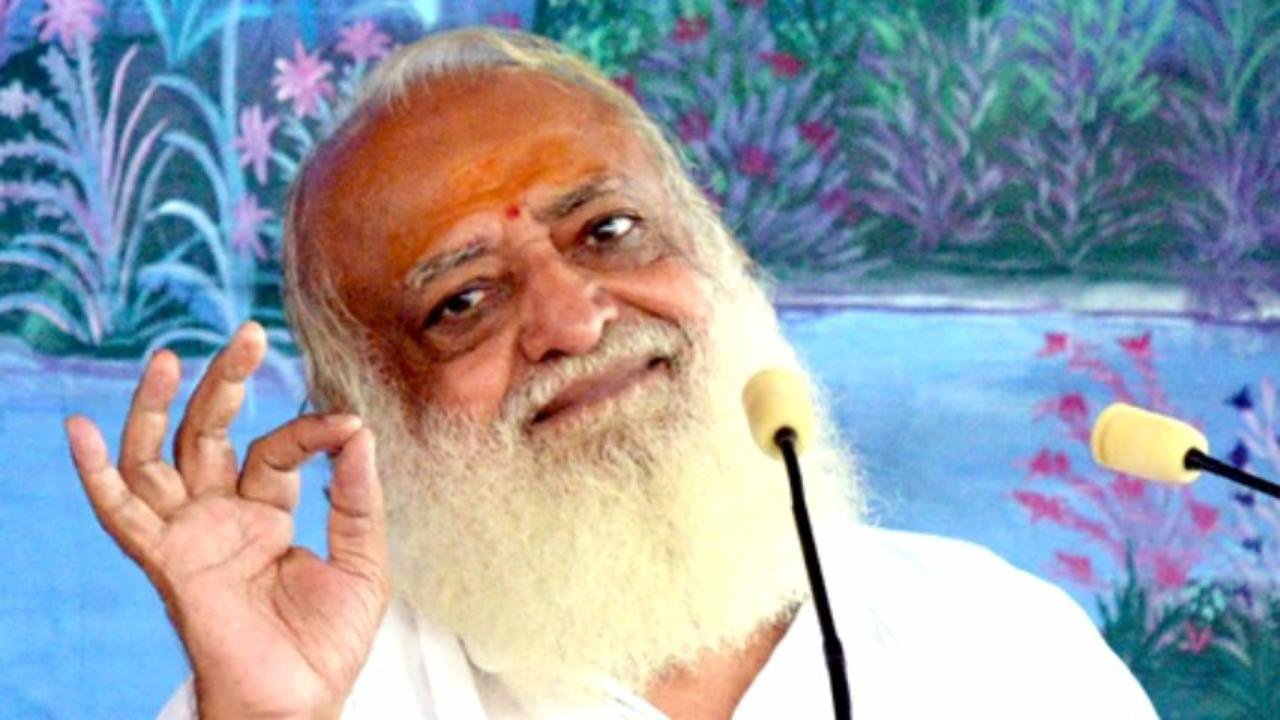
The Parishad’s president Swami Narendra Giri said: “We appeal to the common people to beware of such charlatans who belong to no tradition and by their questionable acts, bring disrepute to sadhus and sanyasis… As per the Hindu way of life, only followers of the age-old tradition of Sanyasi, Nath, Vaishnav, Shaiv, Udasin, Nirmal and Guru Nanak sects are saints.” Apart from these, no self-proclaimed godman or godwoman should be considered a saint as they are neither part of any akhara, nor ordained.”
Nearly all 14 self-styled godmen listed out by the Parishad have either been convicted in criminal cases or are standing trial for various offences, some as serious as rape and murder.
Here are the ‘fake babas’ as listed out by ABAP:
* Rapist godman and Dera Sacha Sauda chief Gurmeet Ram Rahim Singh
* Asumal Sirumalani alias Asaram Bapu and his son Narayan Sai – both currently lodged in jail and facing trial on charges of rape and criminal intimidation

* Sukhwinder Kaur alias Radhe Maa – the only woman on the list, Radhe Maa has often been in news for all the wrong reasons – from her gaudy, un-saint-like costumes to criminal complaints filed against her for intimidation, forcing a woman’s in-laws to seek dowry, to sexual harassment
* Nirmaljeet Singh aka Nirmal Baba – the ‘television’ baba with a ‘Third Eye’ that sees into a person’s life and helps him suggest absurd remedies like changing the type of chutney one eats with a samosa to find financial success, Nirmal Baba too has been a controversial and polarising figure
* Sant Rampal – He claims to be an incarnation of celebrated and revered 15th-century poet Kabir. In November 2014, five bodies were discovered by the police after they raided Rampal’s ashram in Haryana’s Hisar district. Hundreds of his followers had turned the ashram into a fortress of sorts and police had to use water cannons and lathi-charge his armed supporters to finally force the godman to ‘surrender’. He is currently in jail.
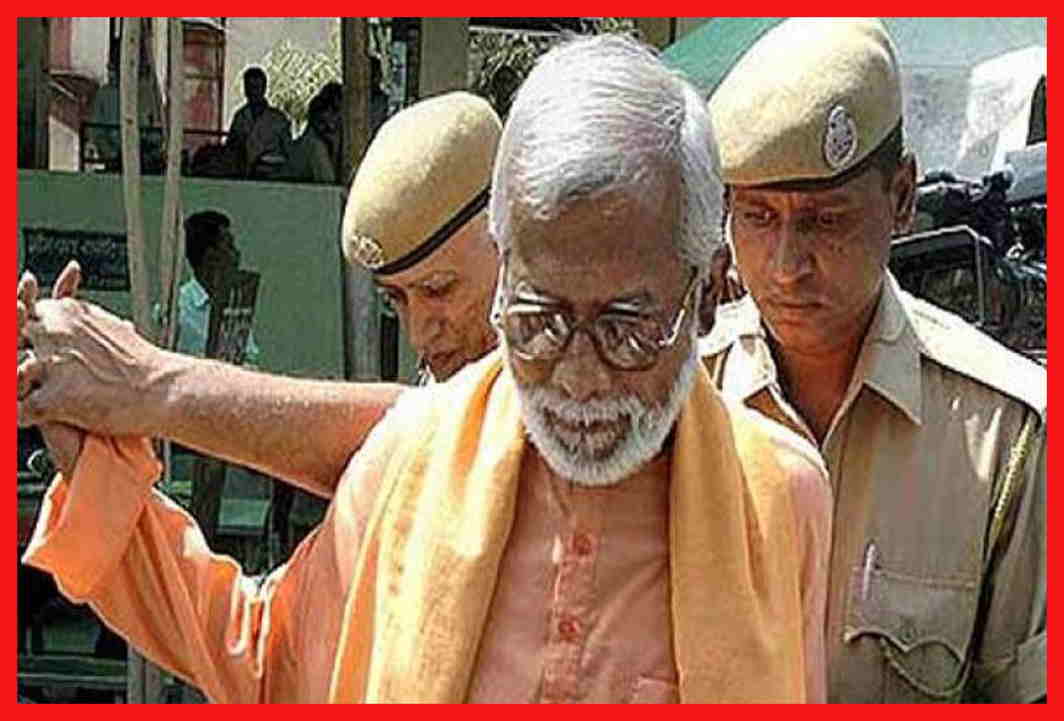
* Swami Aseemanand – a former RSS member who was an accused in the 2007 Ajmer Sharif and Mecca Masjid blast cases, Aseemanand is a known right-wing, Muslim bashing ‘swami’. He was recently acquitted in the Ajmer blast case due to “benefit of doubt”
Others on the list: Icchadhari Sant Swami Bhimanand Ji Maharaj Chitrakoot (accused of running a sex racket); Swami Omji (faces range of criminal cases under Arms Act, TADA, etc), Sachchidanand Giri (a proclaimed offender also known as Builder Baba due to various real-estate linked frauds), Acharya Kushmuni Swarup, Brahaspati Giri, Malkhan Singh and Om Namah Shivay Baba.[/vc_column_text][/vc_column][/vc_row]




India News
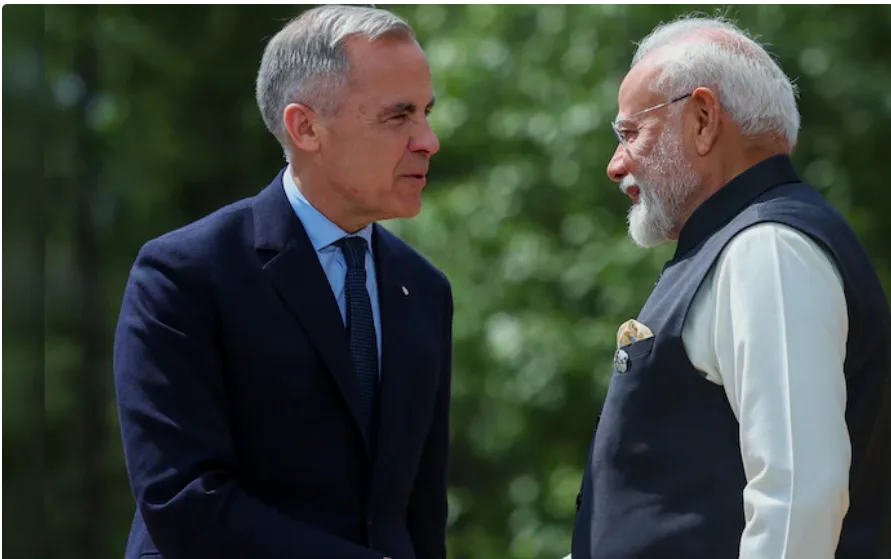
PM Modi speaks to Mark Carney as India and Canada push to strengthen ties
Prime Minister Narendra Modi held a telephone conversation with Canadian Prime Minister Mark Carney on October 13, with both leaders agreeing to strengthen India-Canada ties and pursue concrete outcomes across key areas of their strategic partnership.

India News
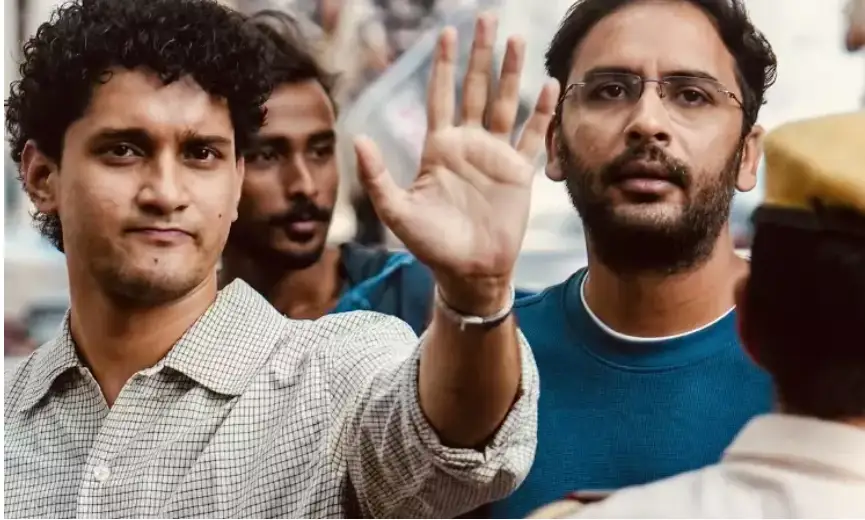
CJP leaders Saurav Das, Ashutosh Ranka, Ajinkya Shinde sent to 5-day judicial custody
Three CJP leaders, Saurav Das, Ashutosh Ranka and Ajinkya Shinde, were placed under preventive arrest following a protest at Delhi’s Jantar Mantar over Chief Election Commissioner Gyanesh Kumar.
India News
BJP focuses on religion as opposition pushes BDM strategy in UP
The BJP is emphasising religious issues ahead of the Uttar Pradesh Assembly elections, while opposition parties are seeking to consolidate Backward, Dalit and Minority voters. Recent exchanges involving Yogi Adityanath, Akhilesh Yadav and Asaduddin Owaisi have added to the political contest over the state’s electoral narrative.


Supreme Court stays defamation case against Rahul Gandhi over PM Modi remarks

Rahul Gandhi hosts high tea for INDIA bloc after Gyanesh Kumar protests

L Murugan quits Union ministry to strengthen BJP in Tamil Nadu

Amit Shah attacks Rahul Gandhi over Congress poll losses, questions SIR row

BJP focuses on religion as opposition pushes BDM strategy in UP

PM Modi speaks to Mark Carney as India and Canada push to strengthen ties

S Jaishankar says India is a natural option for Russia amid Europe tensions

CJP leaders Saurav Das, Ashutosh Ranka, Ajinkya Shinde sent to 5-day judicial custody
BJP focuses on religion as opposition pushes BDM strategy in UP
L Murugan quits Union ministry to strengthen BJP in Tamil Nadu

Afghan Men Try To Hang With The Jet Engine Of The Aircraft in Kabul- Afghanistan News – Kabul News
Trending Top 10 News: 10000 Crore Fine on Flipkart, Apple to Launch Unique Feature, Hdfc Bank Job Ad

Trending Top 10 News: Nokia 6310, Apple sales, Bachpan ka Pyar Video Kid, Dainik Bhaskar IT Raid

Trending Top 10 News: Canada bans Indian flights, Rain in Delhi NCR, AIMIM Twitter hacked, Raj Kundra case

Trending Top 10 News: Shein India, Apple New Service, Pocket Oxygen, Oppo Launched New Phone
-
 India News23 hours ago
Supreme Court stays defamation case against Rahul Gandhi over PM Modi remarks
-
 India News15 hours ago
Rahul Gandhi hosts high tea for INDIA bloc after Gyanesh Kumar protests
-
 India News14 hours ago
L Murugan quits Union ministry to strengthen BJP in Tamil Nadu
-
 India News14 hours ago
Amit Shah attacks Rahul Gandhi over Congress poll losses, questions SIR row
-
 India News13 hours ago
BJP focuses on religion as opposition pushes BDM strategy in UP
-
 India News2 hours ago
CJP leaders Saurav Das, Ashutosh Ranka, Ajinkya Shinde sent to 5-day judicial custody
-
 Latest world news2 hours ago
S Jaishankar says India is a natural option for Russia amid Europe tensions
-
 India News1 hour ago
PM Modi speaks to Mark Carney as India and Canada push to strengthen ties
