
India News
BJP will stay in power for at least 50 years: Amit Shah

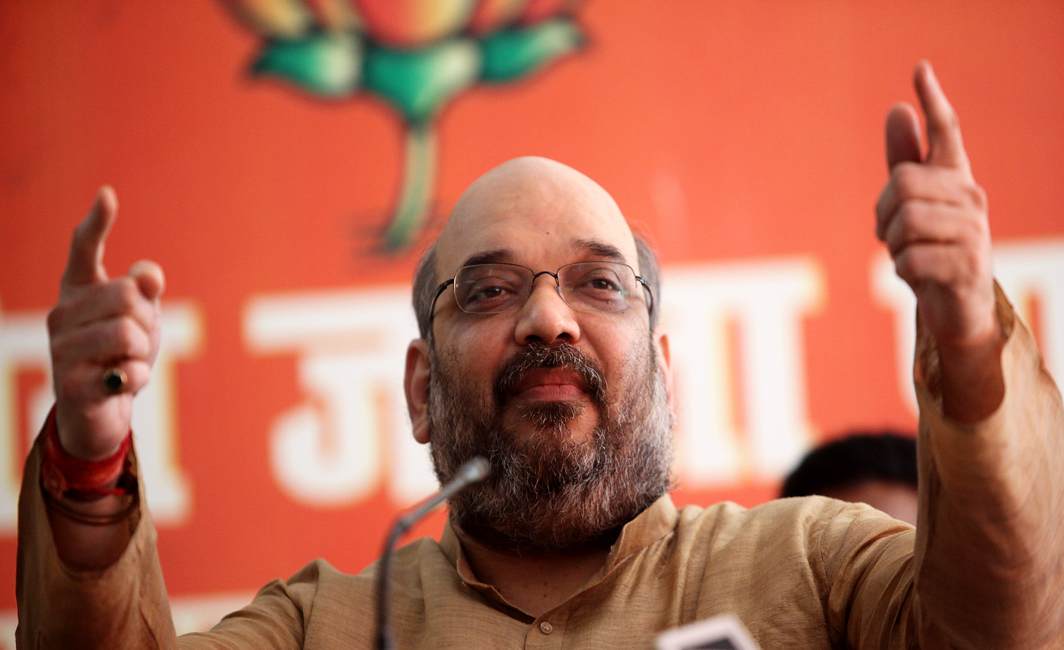
[vc_row][vc_column][vc_column_text]BJP national president is on a three-day visit to Madhya Pradesh as part of his 110-day nationwide tour that is being touted as the saffron party’s preparation for the next general elections due in 2019 at a time when non-NDA parties are still trying to stitch up a united Opposition
Amid a clamour among a majority of non-National Democratic Alliance (NDA) parties for the need to stitch up a united Opposition that can end the seemingly invincible BJP’s victory march at the hustings, the saffron party’s national president – Amit Shah – has asserted that his party has not come to power for a mere 5 ör 10 years but at least 50 years”.
Shah, who is on a three-day visit to Madhya Pradesh addressed party workers in Bhopal, on Friday, when he urged them to strengthen the party and take it to every part of the country so that in “the next 40-50 years the BJP can bring about major changes in the country through power”.
“Today, we have a majority government at the Centre with 330 MPs, and we also have 1,387 MLAs in different states. The party appears to be at its peak, but dedicated workers feel we have a long way ahead,” a statement issued by the BJP on Saturday quoted Shah as having said at the meeting of his party’s elected representatives and office bearers in MP.
“We have not come to power for 5-10 years, but at least 50 years. We should move forward with a conviction that in 40-50 years we have to bring major changes in the country through the medium of power,” Shah said.
Shah’s visit to Madhya Pradesh is part of his 110-day nationwide tour which is being touted as the saffron party’s preparation for the next general elections due in 2019.
The BJP national president’s efforts at mobilising party cadres at a time when the saffron party is on a seemingly unending victory march in all elections – beginning with the federal elections of 2014 and continuing with over half a dozen provincial elections that have been held since – come in stark contrast to the utterly vanquished Opposition – especially the Congress – which despite humiliating poll setbacks is still only talking about unity to defeat the Narendra Modi-Amit Shah juggernaut.
Shah made a point to emphasise that the BJP is now the world’s largest political outfit with “10-12 crore members” and that the cadres must now “ensure that there is no place left in the country where we don’t have our flag… we have to strengthen the organisation further.”
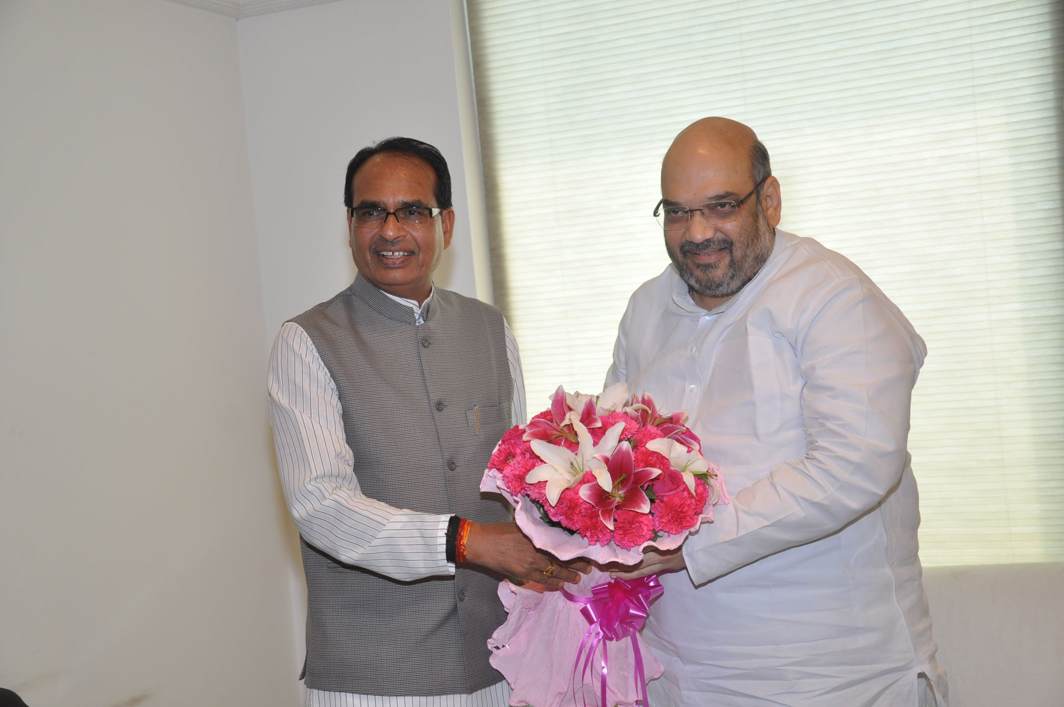
Shivraj to remain face of BJP in 2018 MP polls too
Earlier on Friday, Shah laid to rest all speculation over the possible change of guard in BJP-ruled Madhya Pradesh when he told media persons that: “I must clarify on record that the 2018 assembly elections in Madhya Pradesh will be contested under the leadership of Shivraj Singh Chouhan”.
Over the past few months there has been intense speculation that Shivraj – a three-term chief minister – could be moved to New Delhi as a member of the Narendra Modi cabinet.
‘Will never join the Union Cabinet’
The BJP national president who recently got elected to the Rajya Sabha for the first time also clarified that he will continue to serve as the BJP president for now and serve in an organisational role instead of joining the Modi cabinet.
“My term as a legislator in Gujarat is nearing completion, so I opted for the Rajya Sabha. Now, I will continue working for the party. I will remain in the organisation and will never join the Union cabinet. I am announcing this officially,” Shah told media persons.[/vc_column_text][/vc_column][/vc_row]









India News
Journalist files police complaint against Rahul Gandhi over push allegation
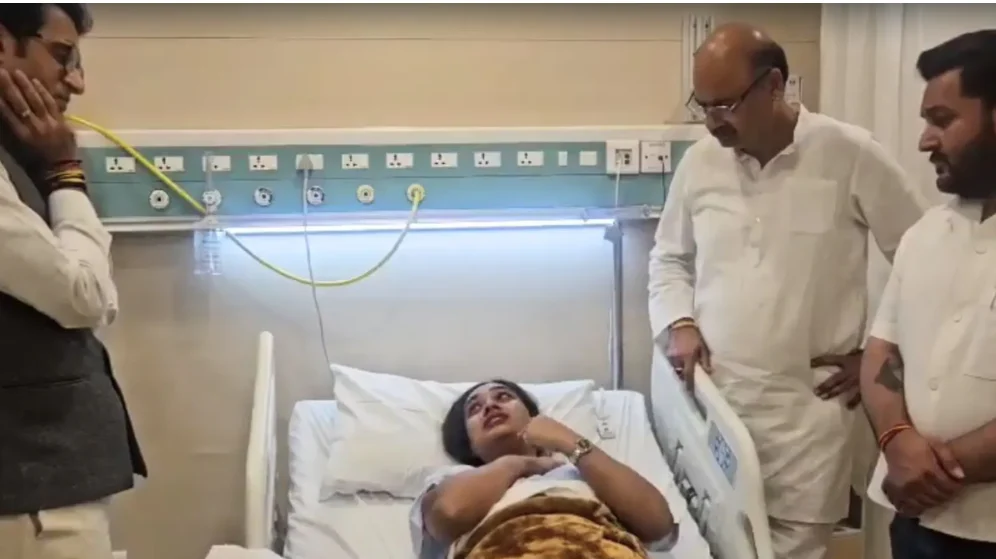
Journalist Richa Parashar has filed a criminal complaint against Rahul Gandhi and others, alleging that she was pushed while covering the Opposition’s march to the Supreme Court. The Congress has denied the allegation.

India News
Delhi court orders release of CJP founder Abhijeet Dipke
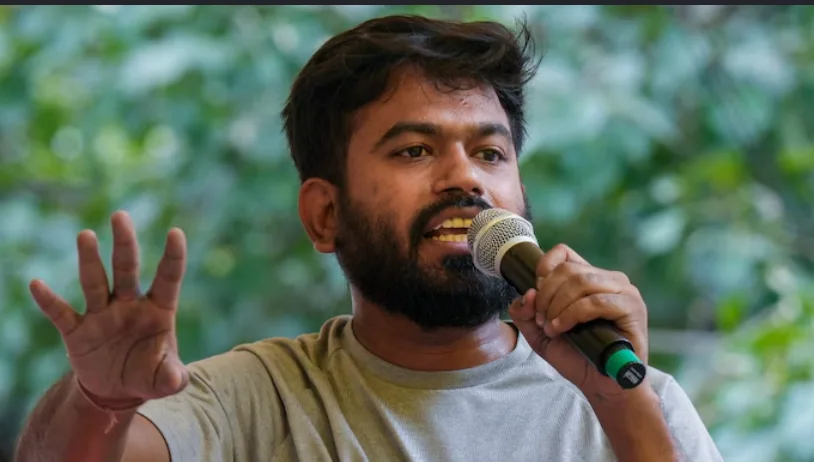
A Delhi court on Saturday ordered the conditional release of Cockroach Janta Party founder Abhijeet Dipke, who was detained and subsequently arrested ahead of a planned protest march at Connaught Place.
India News
Anirudh Ravichander to marry Kavya Maran in November, reception on November 21
Anirudh Ravichander and Kavya Maran are set to marry in November, with their Chennai wedding reception scheduled for November 21.


LK Advani, 98, hospitalised in Delhi with chest infection

ED summons Pinarayi Vijayan in money laundering case
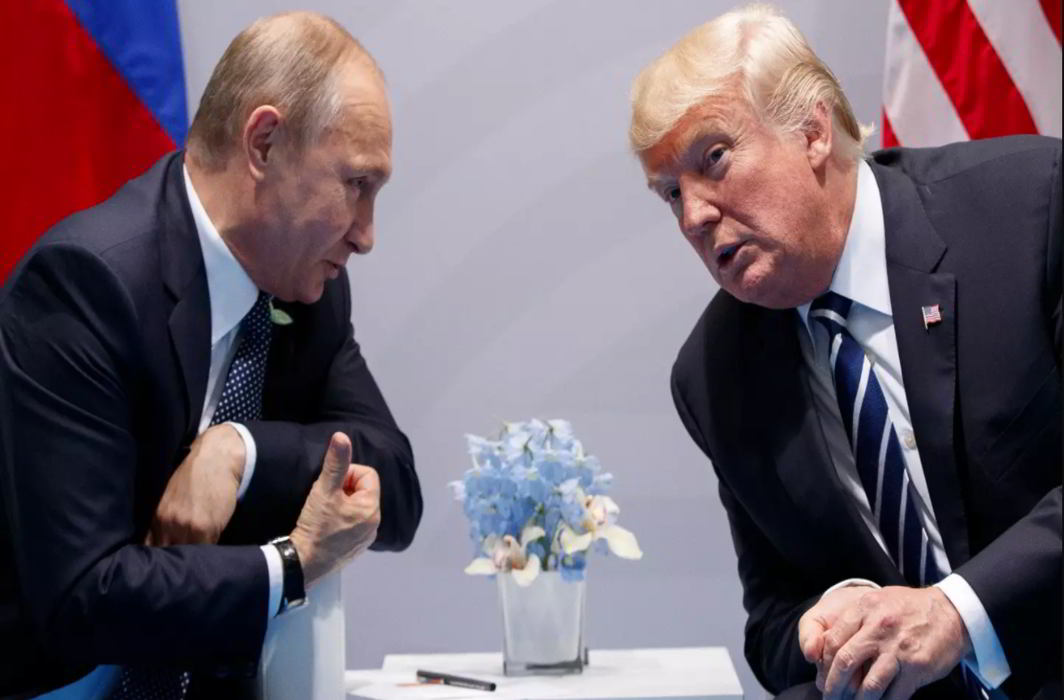
Trump waives Russia-related sanctions, tariffs in relief for India

Anirudh Ravichander to marry Kavya Maran in November, reception on November 21

Delhi court orders release of CJP founder Abhijeet Dipke

Journalist files police complaint against Rahul Gandhi over push allegation
Delhi court orders release of CJP founder Abhijeet Dipke
Anirudh Ravichander to marry Kavya Maran in November, reception on November 21
ED summons Pinarayi Vijayan in money laundering case
LK Advani, 98, hospitalised in Delhi with chest infection

Afghan Men Try To Hang With The Jet Engine Of The Aircraft in Kabul- Afghanistan News – Kabul News
Trending Top 10 News: 10000 Crore Fine on Flipkart, Apple to Launch Unique Feature, Hdfc Bank Job Ad

Trending Top 10 News: Nokia 6310, Apple sales, Bachpan ka Pyar Video Kid, Dainik Bhaskar IT Raid

Trending Top 10 News: Canada bans Indian flights, Rain in Delhi NCR, AIMIM Twitter hacked, Raj Kundra case

Trending Top 10 News: Shein India, Apple New Service, Pocket Oxygen, Oppo Launched New Phone
-
 India News23 hours ago
LK Advani, 98, hospitalised in Delhi with chest infection
-
 India News22 hours ago
ED summons Pinarayi Vijayan in money laundering case
-
Latest world news24 hours ago
Trump waives Russia-related sanctions, tariffs in relief for India
-
 India News12 hours ago
Anirudh Ravichander to marry Kavya Maran in November, reception on November 21
-
 India News12 hours ago
Delhi court orders release of CJP founder Abhijeet Dipke
-
 India News11 hours ago
Journalist files police complaint against Rahul Gandhi over push allegation
