
India News
CBI takes over probe into Bihar’s Rs 1000 crore Srijan Scam

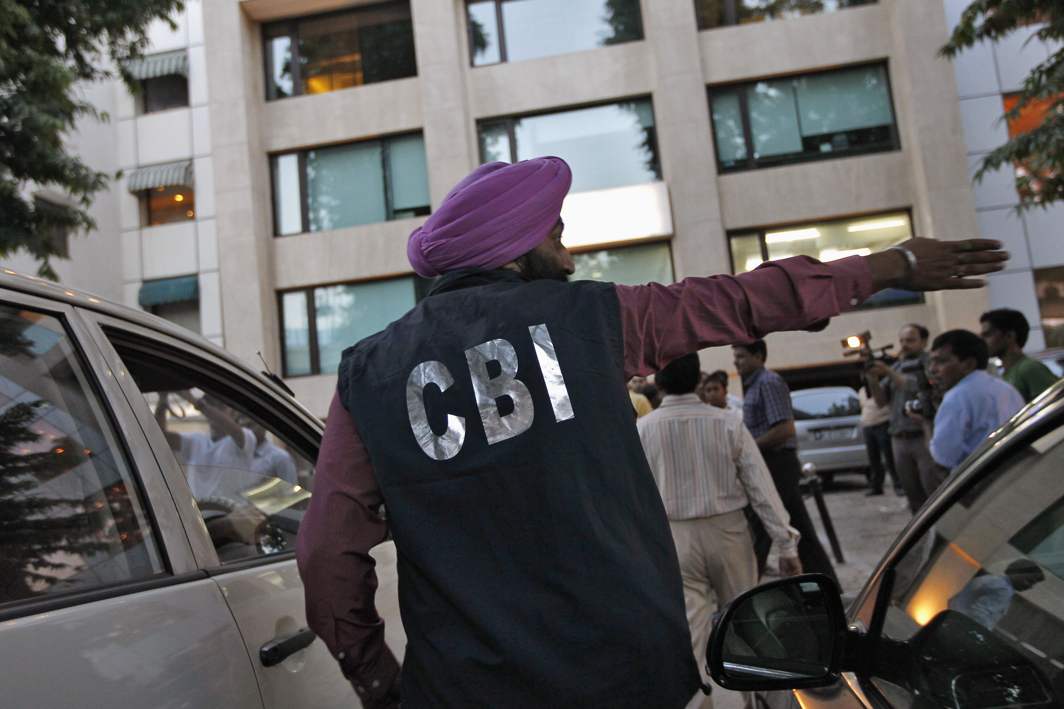
[vc_row][vc_column][vc_column_text]Over the past decade, Srijan Mahila Vikas Sahyog Samiti, a Bhagalpur-based NGO founded by late Manorama Devi, reportedly siphoned off between Rs 700 and Rs 1000 crore from the Bihar government’s treasury through fraudulent means and in connivance with several nationalized banks and government officials. The RJD has called it a bigger scam than Madhya Pradesh’s Vyapam swindle after at least two prime accused in the case were reported dead over the past week.
The CBI has taken over the probe into the Srijan scam in Bihar, in which government funds worth about Rs. 1,000 crore were allegedly diverted to the accounts of a non-government organisation.
The central probe agency has registered 10 FIRs in the case, which was being investigated by the Economic Offences Unit (EOU) of the Bihar Police. The CBI took over the investigation after the Bihar government referred the case to it.
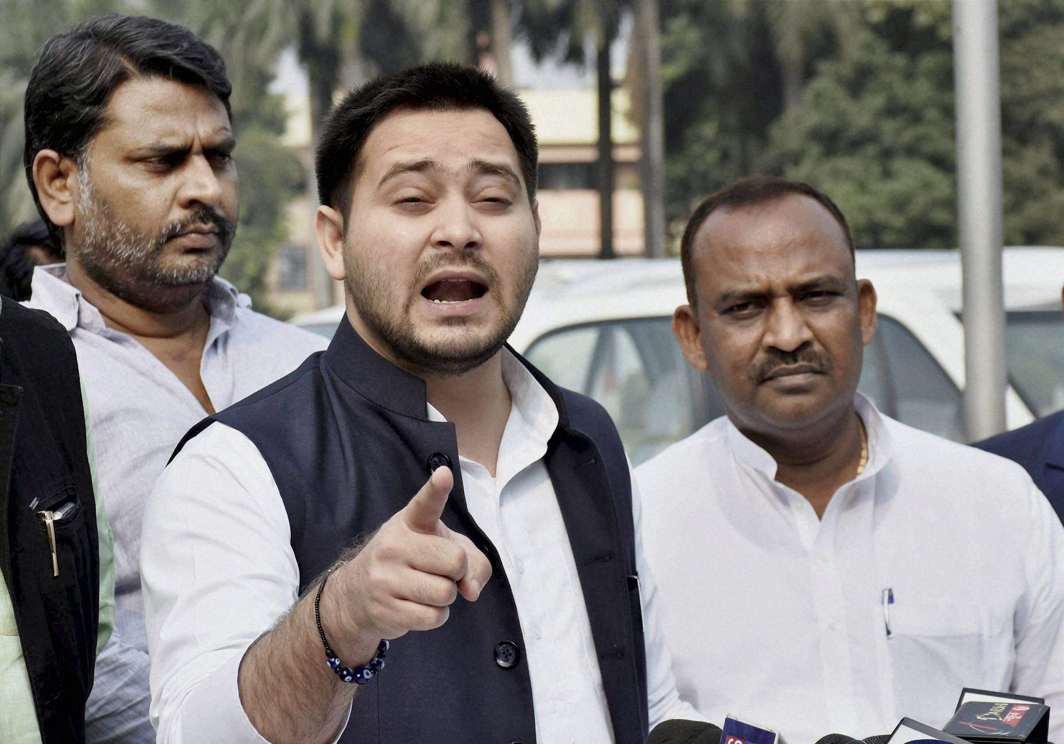
Over the past week, Lalu Prasad Yadav’s Rashtriya Janata Dal uppsed the ante against the Nitish Kumar-led Bihar government over the Srijan scam. Lalu’s son, Tejashwi Yadav, who was Bihar’s deputy chief minister till a month ago when Nitish Kumar decided to ditch the RJD and form a ruling coalition with the BJP, has been claiming that the Srijan scam is bigger than the multi-crore-rupee infamous Vyapam swindle of Madhya Pradesh, ever since news of the mysterious death of a key accused arrested in the case broke on August 21.
Mahesh Mandal, who had been arrested and remanded to judicial custody recently for his alleged role in the Srijan scam, had died on the night of August 20 at a hospital in the state’s Bhagalpur district. Accused of acting as a conduit between the Bhagalpur district administration and the NGO that allegedly siphoned off crores of rupees of government funds – Srijan Mahila Vikas Sahyog Samiti – Mandal was reportedly suffering from severe kidney-related ailments and diabetes. He was rushed to the Mayaganj hospital, on Sunday night, after his condition is said to have deteriorated.
Mandal’s family members had alleged foul play in his death and went on a violent protest at the hospital premises following his death. They claimed that despite his poor health condition, Mandal was not provided access to adequate medical treatment in the Bhagalpur Central Jail premises because the “authorities knew that he was going to make major revelations regarding the Srijan scam which had have sent several important people to jail”.
According to sources, the CBI has registered FIRs against the late Manorama Devi, Director of Srijan Mahila Vikash Samilti (the NGO), other officials of the organisation and bank officials, sources said. The agency has received the reference from the Centre to take over the investigation and necessary documents have been received from the Bihar government today.
 The Bihar Police had issued a lookout notice against the secretary of ‘Srijan’, Priya Kumar and her husband for allegedly swindling over Rs. 950 crore of government money in Bhagalpur.
Priya Kumar is the daughter-in-law of Manorama Devi, the founder of the NGO. Manorama Devi had died in February this year after which the NGO was being run by Priya Kumar and Amit Kumar, son of Manorama Devi.
Over a dozen people have been arrested and jailed for their alleged involvement in the Srijan scam so far.
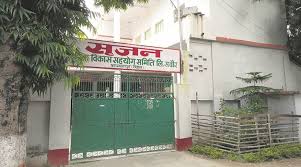
[/vc_column_text][vc_column_text css=”.vc_custom_1503742790813{padding-top: 10px !important;background-color: #a2b1bf !important;}”]The Srijan Mahila Vikas Sahyog Samiti is located in Sabour, about 10 km away from Bhagalpur. The NGO was founded by the late Manorama Devi – who dies in February this year. Over the past decade Srijan reportedly siphoned off between Rs 700 and Rs 1000 crore from the government’s treasury through fraudulent means and in connivance with several nationalized banks and government officials – in particular some members of the Bhagalpur district administration.
On record, the NGO had been involved in providing vocational training to women and selling pickles.
The scam came to light after a government cheque of Rs 10 crore presented at a bank on August 3 bounced due to insufficient funds. The Bhagalpur district magistrate had entrusted the probe to deputy development commissioner Amit Kumar. The state government on August 18 transferred Amit Kumar as district magistrate of Lakhisarai, a decision that immediately triggered protests by the Opposition with Lalu claiming that the government was trying to disrupt the investigation.
During the probe, it was revealed that some officials were perhaps illegally transferring government funds to Srijan’s account by forging the district magistrate’s signature. It is believed that the scam was not confined to one department but had spread to multiple departments beyond Bhagalpur.
Earlier, Bihar Chief Minister Nitish Kumar had declared in a programme that a big scam of siphoning off government money from the Bhagalpur district treasury by an NGO had happened, and the government had constituted a probe team.
As more skeletons tumbled out of the Srijan closet and the Opposition capitalised on it to corner the state government, Nitish Kumar was forced to recommended a CBI inquiry into the scam.[/vc_column_text][/vc_column][/vc_row]








India News
Journalist files police complaint against Rahul Gandhi over push allegation
Journalist Richa Parashar has filed a criminal complaint against Rahul Gandhi and others, alleging that she was pushed while covering the Opposition’s march to the Supreme Court. The Congress has denied the allegation.

India News
Delhi court orders release of CJP founder Abhijeet Dipke
A Delhi court on Saturday ordered the conditional release of Cockroach Janta Party founder Abhijeet Dipke, who was detained and subsequently arrested ahead of a planned protest march at Connaught Place.
India News
Anirudh Ravichander to marry Kavya Maran in November, reception on November 21
Anirudh Ravichander and Kavya Maran are set to marry in November, with their Chennai wedding reception scheduled for November 21.


ED summons Pinarayi Vijayan in money laundering case

Anirudh Ravichander to marry Kavya Maran in November, reception on November 21

Delhi court orders release of CJP founder Abhijeet Dipke

Journalist files police complaint against Rahul Gandhi over push allegation
Journalist files police complaint against Rahul Gandhi over push allegation
Delhi court orders release of CJP founder Abhijeet Dipke
Anirudh Ravichander to marry Kavya Maran in November, reception on November 21
ED summons Pinarayi Vijayan in money laundering case

LK Advani, 98, hospitalised in Delhi with chest infection

Afghan Men Try To Hang With The Jet Engine Of The Aircraft in Kabul- Afghanistan News – Kabul News
Trending Top 10 News: 10000 Crore Fine on Flipkart, Apple to Launch Unique Feature, Hdfc Bank Job Ad

Trending Top 10 News: Nokia 6310, Apple sales, Bachpan ka Pyar Video Kid, Dainik Bhaskar IT Raid

Trending Top 10 News: Canada bans Indian flights, Rain in Delhi NCR, AIMIM Twitter hacked, Raj Kundra case

Trending Top 10 News: Shein India, Apple New Service, Pocket Oxygen, Oppo Launched New Phone
-
 India News23 hours ago
ED summons Pinarayi Vijayan in money laundering case
-
 India News13 hours ago
Anirudh Ravichander to marry Kavya Maran in November, reception on November 21
-
 India News13 hours ago
Delhi court orders release of CJP founder Abhijeet Dipke
-
 India News12 hours ago
Journalist files police complaint against Rahul Gandhi over push allegation
