
India News
CENTRE ALLOWS 4G IN 2 DISTRICTS OF JAMMU & KASHMIR
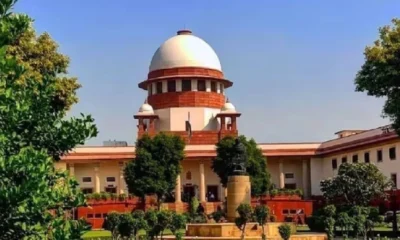
4G internet services will be allowed on a trial basis in one district each in Jammu and one in the Kashmir valley after August 15, the centre told the Supreme Court today, adding that a special committee has made this decision.


4G internet services will be allowed on a trial basis in one district each in Jammu and one in the Kashmir valley after August 15, the centre told the Supreme Court today, adding that a special committee has made this decision.
The relaxation will not be in any area adjoining the International Border or the Line of Control, the centre told the top court. The areas which will get the 4g internet will be those which have a low intensity of terrorist activities, the centre said.
The government will review the situation after two months, it said. High speed Internet service in Jammu and Kashmir has been suspended since over a year when the centre scarpped Jammu and Kashmir’s special status under Article 370 and bifurcated it into two union territories – Jammu and Kashmir, and Ladakh.
In its last hearing, the top court had said that the Centre should explore the possibility of restoring 4G mobile internet services in Jammu and Kashmir in view of the statements of GC Murmu, the former lieutenant governor of the Union territory, backing the restoration.“L-G Murmu has said that there is no difficulty in restoring 4G. You have to give an explanation to that,” justice R Subhash Reddy told solicitor general Tushar Mehta, who appeared for the Jammu & Kashmir administration, last Friday.

Murmu, who was succeeded by Manoj Sinha as the lieutenant governor on Friday, had said on July 24 the restoration of 4G services will not be a problem and Pakistan will continue with its propaganda even if the mobile internet speed is restricted to 2G. The Centre has cited Islamabad’s propaganda while justifying the restrictions.
The Centre on July 28 told the Supreme Court it will verify media reports that said Murmu has advocated the restoration of high-speed 4G internet services. This came days after the Centre filed an affidavit before the court on July 21, saying a special panel constituted as per the latter’s May 11 order has decided against any relaxations for now.
The Supreme Court on May 11 passed its order after the NGO in April challenged restrictions on mobile internet speed to 2G. The NGO sought restoration of 4G services saying patients, doctors, and the general public were unable to access the latest information, guidelines, advisories and restrictions about Covid-19 pandemic because of the restrictions. It pointed out that slow internet speeds make telemedicine, or online consultation, impossible.
Read Also: 53,601 NEW CORONAVIRUS PATIENTS IN THE LAST 24 HRS
The court refrained from passing directions to restore 4G services and instead ordered a constitution of the panel comprising high-level government officers, including the Union home secretary, to take a call on the matter.








India News
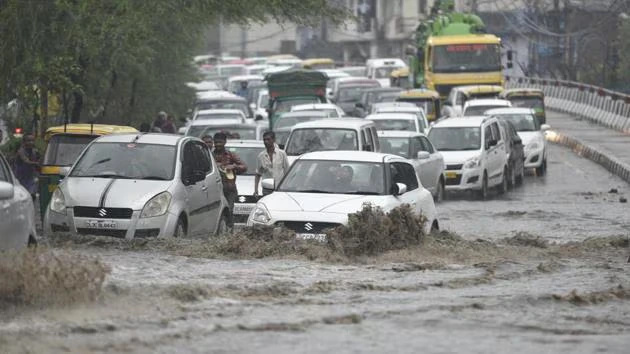
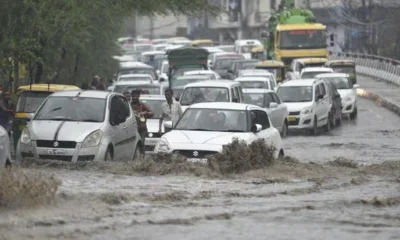
Delhi-NCR sees second spell of rain and thunderstorms in four days
Delhi-NCR experienced another spell of rain and thunderstorms on March 18, with IMD forecasting more showers over the next few days.

India News
Centre pushes states to cut levies to boost PNG adoption
The Centre has asked states to reduce local levies and streamline approvals to accelerate PNG adoption and city gas infrastructure growth.

India News
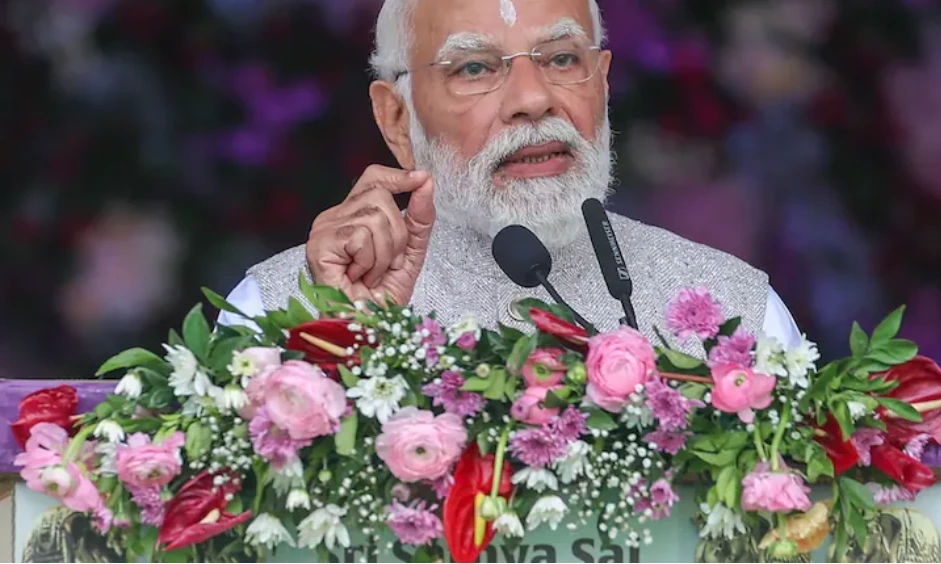
BJP seals Assam seat-sharing pact, Modi to hold 3 rallies in April
BJP has finalised its Assam seat-sharing plan with allies and is gearing up for an intense campaign led by PM Modi and Amit Shah.

US strikes Iranian missile sites near Hormuz with 5,000-pound bunker buster bombs

Delhi Palam fire leaves 6 dead, massive rescue operation underway

Centre mandates 60% free seat allocation on flights, caps selection fees

Netanyahu dismisses death rumours in video with US envoy, says I’m alive

Centre pushes states to cut levies to boost PNG adoption

Delhi-NCR sees second spell of rain and thunderstorms in four days
Centre pushes states to cut levies to boost PNG adoption

BJP seals Assam seat-sharing pact, Modi to hold 3 rallies in April
Delhi Palam fire leaves 6 dead, massive rescue operation underway
Centre mandates 60% free seat allocation on flights, caps selection fees

Afghan Men Try To Hang With The Jet Engine Of The Aircraft in Kabul- Afghanistan News – Kabul News
Trending Top 10 News: 10000 Crore Fine on Flipkart, Apple to Launch Unique Feature, Hdfc Bank Job Ad

Trending Top 10 News: Nokia 6310, Apple sales, Bachpan ka Pyar Video Kid, Dainik Bhaskar IT Raid

Trending Top 10 News: Canada bans Indian flights, Rain in Delhi NCR, AIMIM Twitter hacked, Raj Kundra case

Trending Top 10 News: Shein India, Apple New Service, Pocket Oxygen, Oppo Launched New Phone
-
 Latest world news21 hours ago
US strikes Iranian missile sites near Hormuz with 5,000-pound bunker buster bombs
-
 India News19 hours ago
Delhi Palam fire leaves 6 dead, massive rescue operation underway
-
 India News20 hours ago
Centre mandates 60% free seat allocation on flights, caps selection fees
-
 Latest world news21 hours ago
Netanyahu dismisses death rumours in video with US envoy, says I’m alive
-
 India News12 hours ago
Centre pushes states to cut levies to boost PNG adoption
-
 India News12 hours ago
BJP seals Assam seat-sharing pact, Modi to hold 3 rallies in April
-
 India News10 hours ago
Delhi-NCR sees second spell of rain and thunderstorms in four days
