
India News
Centre bans PUBG Mobile, 117 more Chinese apps
The Central government on Wednesday banned 118 more Chinese apps, including the very popular PUBG Mobile Lite and PUBG Mobile Nordic Map: Livik, citing their engagement in activities prejudicial to the sovereignty, integrity and security of the country.


The Central government on Wednesday banned 118 more Chinese apps, including the very popular PUBG Mobile Lite and PUBG Mobile Nordic Map: Livik, citing their engagement in activities prejudicial to the sovereignty, integrity and security of the country. This is the second such ban on Chinese apps after video-sharing app TikTok and 48 others were prohibited following the tension along the Line of Actual Control (LAC) with China since May this year. Wednesday’s list includes VPN for TikTok which was used to bypass earlier restrictions.
A press release from the Ministry of Electronics and Information Technology said the Centre had invoked its powers under Section 69A of the Information Technology Act along with provisions of the Information Technology Rules 2009 to proscribe the 118 Chinese apps.
The IT Ministry said it had received numerous complaints regarding the apps’ misuse by stealing and surreptitiously transmitting user data in an unauthorised manner to servers outside India. The apps that have been banned are both mobile and non-mobile. It must be noted that PUBG has 33 million users in India and is very popular among the young.

The IT Ministry press release said,
“The Indian Cyber Crime Coordination Centre, Ministry of Home Affairs has also sent an exhaustive recommendation for blocking these malicious apps.. Likewise, there have been similar bipartisan concerns, flagged by various public representatives, both outside and inside the Parliament of India. There has been a strong chorus in the public space to take strict action against apps that harm India’s sovereignty as well as the privacy of our citizens.”
In June, the Centre had banned 59 mobile applications, including TikTok, UC Browser and WeChat, citing the same concerns. Wednesday’s decision comes at a time when China has allegedly attempted a further transgression near the southern bank of Pangong Tso, which was thwarted by the Indian Army. India and China have been engaged in a standoff since April-May over the transgressions by the People’s Liberation Army in multiple areas including the Galwan Valley.
Here’s the full list of apps banned today:
The Central government on Wednesday banned 118 more Chinese apps, including the very popular PUBG Mobile Lite and PUBG Mobile Nordic Map: Livik, citing their engagement in activities prejudicial to the sovereignty, integrity and security of the country. This is the second such ban on Chinese apps after video-sharing app TikTok and 48 others were prohibited following the tension along the Line of Actual Control (LAC) with China since May this year.
A press release from the Ministry of Electronics and Information Technology said the Centre had invoked its powers under Section 69A of the Information Technology Act along with provisions of the Information Technology Rules 2009 to proscribe the 118 Chinese apps.
The IT Ministry said it had received numerous complaints regarding the apps’ misuse by stealing and surreptitiously transmitting user data in an unauthorised manner to servers outside India. The apps that have been banned are both mobile and non-mobile. It must be noted that PUBG has 33 million users in India and is very popular among the young.
The IT Ministry press release said,
“The Indian Cyber Crime Coordination Centre, Ministry of Home Affairs has also sent an exhaustive recommendation for blocking these malicious apps.. Likewise, there have been similar bipartisan concerns, flagged by various public representatives, both outside and inside the Parliament of India. There has been a strong chorus in the public space to take strict action against apps that harm India’s sovereignty as well as the privacy of our citizens.”
In June, the Centre had banned 59 mobile applications, including TikTok, UC Browser and WeChat, citing the same concerns. Wednesday’s decision comes at a time when China has allegedly attempted a further transgression near the southern bank of Pangong Tso, which was thwarted by the Indian Army. India and China have been engaged in a standoff since April-May over the transgressions by the People’s Liberation Army in multiple areas including the Galwan Valley.
Here’s the full list of apps banned today:
- APUS Launcher Pro- Theme, Live Wallpapers, Smart
- APUS Launcher -Theme, Call Show, Wallpaper, HideApps
- APUS Security -Antivirus, Phone security, Cleaner
- APUS Turbo Cleaner 2020- Junk Cleaner, Anti-Virus
- APUS Flashlight-Free & Bright
- Cut Cut – Cut Out & Photo Background Editor
- Baidu
- Baidu Express Edition
- FaceU – Inspire your Beauty
- ShareSave by Xiaomi: Latest gadgets, amazing deals
- CamCard – Business Card Reader
- CamCard Business
- CamCard for Salesforce
- CamOCR
- InNote
- VooV Meeting – Tencent Video Conferencing
- Super Clean – Master of Cleaner, Phone Booster
- WeChat reading
- Government WeChat
- Small Q brush
- Tencent Weiyun
- Pitu
- WeChat Work
- Cyber Hunter
- Cyber Hunter Lite
- Knives Out-No rules, just fight!
- Super Mecha Champions
- LifeAfter
- Dawn of Isles
- Ludo World-Ludo Superstar
- Chess Rush
- PUBG MOBILE Nordic Map: Livik
- PUBG MOBILE LITE
- Rise of Kingdoms: Lost Crusade
- Art of Conquest: Dark Horizon
- Dank Tanks
- Warpath
- Game of Sultans
- Gallery Vault – Hide Pictures And Videos
- Smart AppLock (App Protect)
- Message Lock (SMS Lock)-Gallery Vault Developer Team
- Hide App-Hide Application Icon
- AppLock
- AppLock Lite
- Dual Space – Multiple Accounts & App Cloner
- ZAKZAK Pro – Live chat & video chat online
- ZAKZAK LIVE: live-streaming & video chat app
- Music – Mp3 Player
- Music Player – Audio Player & 10 Bands Equalizer
- HD Camera Selfie Beauty Camera
- Cleaner – Phone Booster
- Web Browser & Fast Explorer
- Video Player All Format for Android
- Photo Gallery HD & Editor
- Photo Gallery & Album
- Music Player – Bass Booster – Free Download
- HD Camera – Beauty Cam with Filters & Panorama
- HD Camera Pro & Selfie Camera
- Music Player – MP3 Player & 10 Bands Equalizer
- Gallery HD
- Web Browser – Fast, Privacy & Light Web Explorer
- Web Browser – Secure Explorer
- Music player – Audio Player
- Video Player – All Format HD Video Player
- Lamour Love All Over The World
- Amour- video chat & call all over the world.
- MV Master – Make Your Status Video & Community
- MV Master – Best Video Maker & Photo Video Editor
- APUS Message Center-Intelligent management
- LivU Meet new people & Video chat with strangers
- Carrom Friends : Carrom Board & Pool Game-
- Ludo All Star- Play Online Ludo Game & Board Games
- Bike Racing : Moto Traffic Rider Bike Racing Games
- Rangers Of Oblivion : Online Action MMO RPG Game
- Z Camera – Photo Editor, Beauty Selfie, Collage
- GO SMS Pro – Messenger, Free Themes, Emoji
- U-Dictionary: Oxford Dictionary Free Now Translate
- Ulike – Define your selfie in trendy style
- Tantan – Date For Real
- MICO Chat: New Friends Banaen aur Live Chat karen
- Kitty Live – Live Streaming & Video Live Chat
- Malay Social Dating App to Date & Meet Singles
- Alipay
- AlipayHK
- Mobile Taobao
- Youku
- Road of Kings- Endless Glory
- Sina News
- Netease News
- Penguin FM
- Murderous Pursuits
- Tencent Watchlist (Tencent Technology
- Learn Chinese AI-Super Chinese
- HUYA LIVE – Game Live Stream
- Little Q Album
- Fighting Landlords – Free and happy Fighting Landlords
- Hi Meitu
- Mobile Legends: Pocket
- VPN for TikTok
- Penguin E-sports Live assistant
- Buy Cars-offer everything you need, special offers and low prices
- iPick
- Beauty Camera Plus – Sweet Camera & Face Selfie
- Parallel Space Lite – Dual App
- “Chief Almighty: First Thunder BC
- MARVEL Super War NetEase Games
- AFK Arena
- Creative Destruction NetEase Games
- Crusaders of Light NetEase Games
- Mafia City Yotta Games
- Onmyoji NetEase Games
- Ride Out Heroes NetEase Games
- Yimeng Jianghu-Chu Liuxiang has been fully upgraded
- Legend: Rising Empire NetEase Games
- Arena of Valor: 5v5 Arena Games
- Soul Hunters
- Rules of Survival









India News
Mamata Banerjee warns BJP, EC over Bengal polls, says they will be accountable
Mamata Banerjee holds BJP and Election Commission responsible for any incidents during Bengal polls, raising concerns over officer transfers.


India News
Centre assures action on LPG supply disruption, court closes distributors’ plea
The Bombay High Court closed a plea by LPG distributors after the Centre assured diplomatic efforts to stabilise supply amid global disruptions.
India News
Om Birla likely to move motion to revoke suspension of 8 opposition MPs today
The Lok Sabha is likely to revoke the suspension of eight opposition MPs today, with a motion expected to be moved by the government following consensus on maintaining discipline.
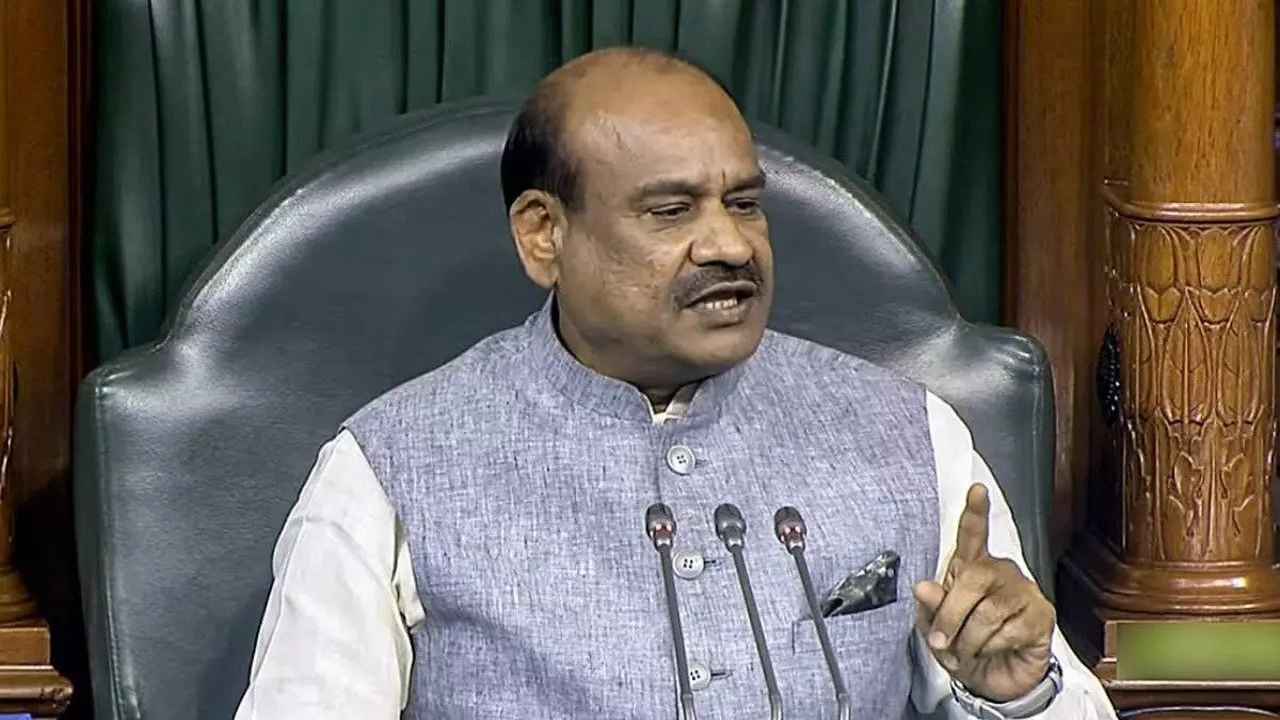

Om Birla likely to move motion to revoke suspension of 8 opposition MPs today

Pakistan airstrike allegations on Kabul hospital leave hundreds dead, claims Taliban

Mamata Banerjee writes to poll chief over officers’ reshuffle, calls move arbitrary

Maharashtra passes freedom of religion bill with jail term up to 10 years

Centre assures action on LPG supply disruption, court closes distributors’ plea

Top US counterterrorism official resigns over Iran war, cites conscience

Mamata Banerjee warns BJP, EC over Bengal polls, says they will be accountable
Centre assures action on LPG supply disruption, court closes distributors’ plea
Om Birla likely to move motion to revoke suspension of 8 opposition MPs today
Maharashtra passes freedom of religion bill with jail term up to 10 years

Afghan Men Try To Hang With The Jet Engine Of The Aircraft in Kabul- Afghanistan News – Kabul News
Trending Top 10 News: 10000 Crore Fine on Flipkart, Apple to Launch Unique Feature, Hdfc Bank Job Ad

Trending Top 10 News: Nokia 6310, Apple sales, Bachpan ka Pyar Video Kid, Dainik Bhaskar IT Raid

Trending Top 10 News: Canada bans Indian flights, Rain in Delhi NCR, AIMIM Twitter hacked, Raj Kundra case

Trending Top 10 News: Shein India, Apple New Service, Pocket Oxygen, Oppo Launched New Phone
-
 India News19 hours ago
Om Birla likely to move motion to revoke suspension of 8 opposition MPs today
-
 India News20 hours ago
Pakistan airstrike allegations on Kabul hospital leave hundreds dead, claims Taliban
-
 India News20 hours ago
Mamata Banerjee writes to poll chief over officers’ reshuffle, calls move arbitrary
-
 India News20 hours ago
Maharashtra passes freedom of religion bill with jail term up to 10 years
-
India News11 hours ago
Centre assures action on LPG supply disruption, court closes distributors’ plea
-
 India News9 hours ago
Mamata Banerjee warns BJP, EC over Bengal polls, says they will be accountable
-
 Latest world news9 hours ago
Top US counterterrorism official resigns over Iran war, cites conscience
