
India News
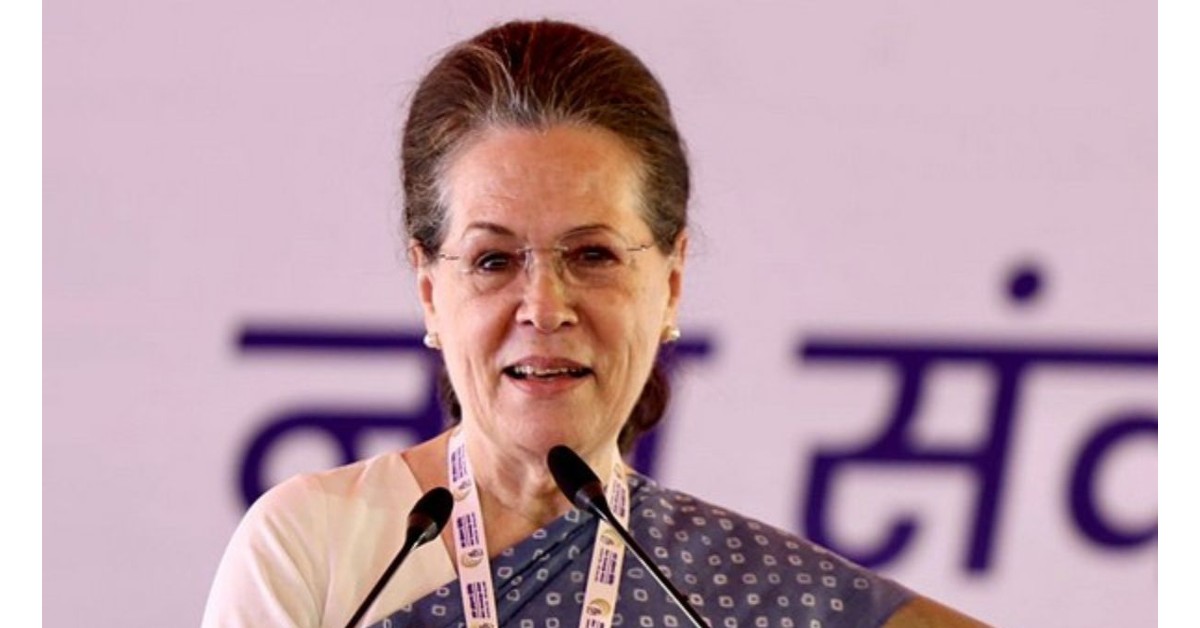
Sonia Gandhi calls weakening of MGNREGA a collective moral failure, targets Centre in op-ed
Sonia Gandhi has accused the Centre of weakening MGNREGA, calling it a collective moral failure with serious consequences for crores of working people.








India News
Amit Shah says congress won’t return to power for 30 years
Union Home Minister Amit Shah took a swipe at Rahul Gandhi over the Opposition’s vote theft allegations, asserting that the Congress would not return to power for the next 30 years.


India News
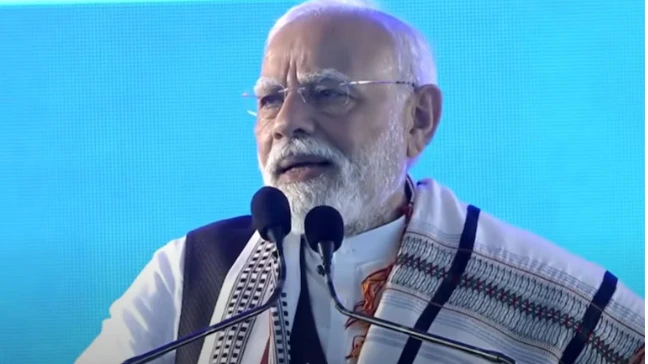
PM Modi attacks Rahul Gandhi with failed product jibe
Prime Minister Narendra Modi targeted Rahul Gandhi at the World Summit with a “failed product” jibe, renewing his criticism of the Congress leader.
India News
Yogi Government cites Rs.15,233 crore seizures in UP gangster crackdown
Uttar Pradesh has reported asset seizures worth Rs.15,233 crore under the Gangsters Act since 2017, while housing projects on reclaimed land have provided homes to 148 families, according to reports on the state’s anti-mafia measures.

Macron rejects Trump’s immigration claims over France riots

Ladakh Panchayat elections scheduled for November 21

Yogi Government cites Rs.15,233 crore seizures in UP gangster crackdown

Magnitude 7 earthquake strikes Tibet after floods

PM Modi attacks Rahul Gandhi with failed product jibe

Amit Shah says congress won’t return to power for 30 years
Magnitude 7 earthquake strikes Tibet after floods
PM Modi attacks Rahul Gandhi with failed product jibe
Yogi Government cites Rs.15,233 crore seizures in UP gangster crackdown
Ladakh Panchayat elections scheduled for November 21

Afghan Men Try To Hang With The Jet Engine Of The Aircraft in Kabul- Afghanistan News – Kabul News
Trending Top 10 News: 10000 Crore Fine on Flipkart, Apple to Launch Unique Feature, Hdfc Bank Job Ad

Trending Top 10 News: Nokia 6310, Apple sales, Bachpan ka Pyar Video Kid, Dainik Bhaskar IT Raid

Trending Top 10 News: Canada bans Indian flights, Rain in Delhi NCR, AIMIM Twitter hacked, Raj Kundra case

Trending Top 10 News: Shein India, Apple New Service, Pocket Oxygen, Oppo Launched New Phone
-
 Latest world news20 hours ago
Macron rejects Trump’s immigration claims over France riots
-
 India News19 hours ago
Ladakh Panchayat elections scheduled for November 21
-
 India News10 hours ago
Yogi Government cites Rs.15,233 crore seizures in UP gangster crackdown
-
 Latest world news7 hours ago
Magnitude 7 earthquake strikes Tibet after floods
-
 India News7 hours ago
PM Modi attacks Rahul Gandhi with failed product jibe
-
 India News6 hours ago
Amit Shah says congress won’t return to power for 30 years
