
India News
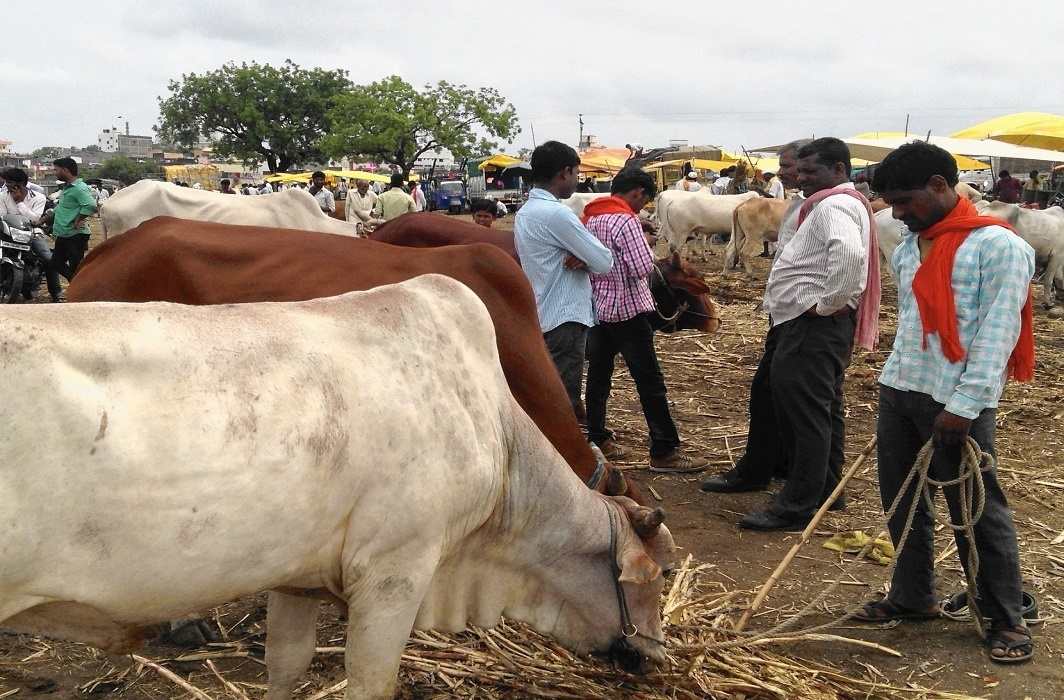
Centre bans sale of cattle for slaughter at animal markets

India News
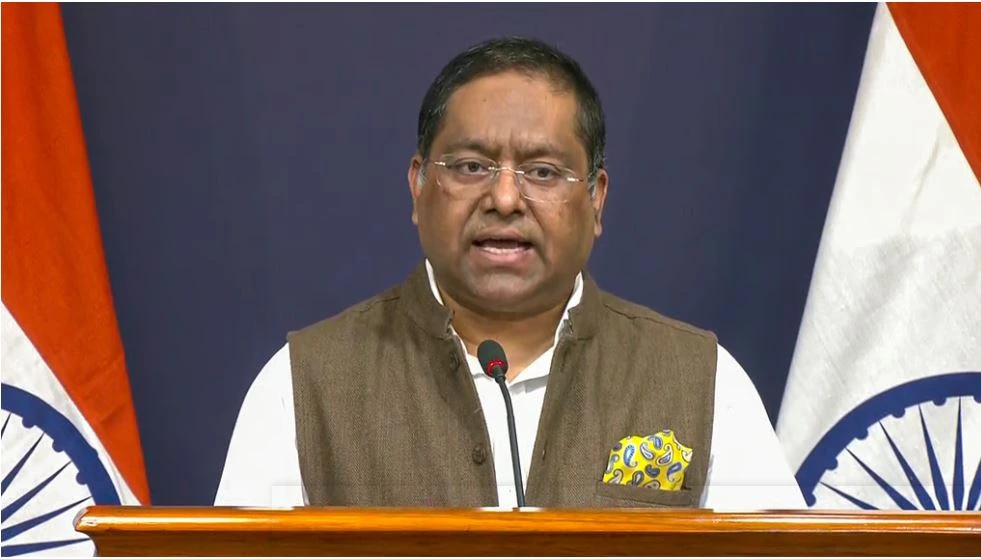
MEA responds after ITBP chief flags ongoing face-offs with China in Arunachal
India said deviations by Chinese forces from established patrolling patterns periodically disturb the situation along the Line of Actual Control, as the government addressed remarks by the ITBP chief about ongoing face-offs in Arunachal Pradesh.

India News
Delhi High Court rejects Neha Bora’s plea against peace bond notice
The Delhi High Court has rejected AISA president Neha Bora’s petition challenging a police notice requiring her to execute a peace bond following her participation in recent protests in the national capital.

India News
PM Modi to inaugurate Rs 169-crore RBI data centre in Odisha on October 25
Prime Minister Narendra Modi is scheduled to visit Odisha on October 25 to inaugurate the Reserve Bank of India’s Rs. 169-crore data centre in Jatni, near Bhubaneswar.


Punjab strike hits public services as 3 lakh employees and roadways workers protest

Two election commissioners complained against senior poll officer, RTI reveals

Om Prakash Mathur sworn in as Keralam Governor

PM Modi to inaugurate Rs 169-crore RBI data centre in Odisha on October 25

Delhi High Court rejects Neha Bora’s plea against peace bond notice

MEA responds after ITBP chief flags ongoing face-offs with China in Arunachal
Delhi High Court rejects Neha Bora’s plea against peace bond notice
PM Modi to inaugurate Rs 169-crore RBI data centre in Odisha on October 25
Om Prakash Mathur sworn in as Keralam Governor
Two election commissioners complained against senior poll officer, RTI reveals

Afghan Men Try To Hang With The Jet Engine Of The Aircraft in Kabul- Afghanistan News – Kabul News
Trending Top 10 News: 10000 Crore Fine on Flipkart, Apple to Launch Unique Feature, Hdfc Bank Job Ad

Trending Top 10 News: Nokia 6310, Apple sales, Bachpan ka Pyar Video Kid, Dainik Bhaskar IT Raid

Trending Top 10 News: Canada bans Indian flights, Rain in Delhi NCR, AIMIM Twitter hacked, Raj Kundra case

Trending Top 10 News: Shein India, Apple New Service, Pocket Oxygen, Oppo Launched New Phone
-
 India News18 hours ago
Punjab strike hits public services as 3 lakh employees and roadways workers protest
-
 India News18 hours ago
Two election commissioners complained against senior poll officer, RTI reveals
-
 India News7 hours ago
Om Prakash Mathur sworn in as Keralam Governor
-
 India News6 hours ago
PM Modi to inaugurate Rs 169-crore RBI data centre in Odisha on October 25
-
 India News5 hours ago
Delhi High Court rejects Neha Bora’s plea against peace bond notice
-
 India News5 hours ago
MEA responds after ITBP chief flags ongoing face-offs with China in Arunachal
