
India News
Chief election officer of poll-bound Mizoram replaced following protests


[vc_row][vc_column][vc_column_text]Days before Assembly elections in Mizoram, the Election Commission (EC) today (Thursday, Nov 15), replaced state’s Chief Electoral Officer SB Shashank following widespread protests in the state demanding his ouster – an unprecedented phenomenon.
IAS officer Ashish Kundra has been appointed in his place.
The crisis in the poll-bound state stems from Shashank alleging interference by the state government in preparations for the polls, scheduled on November 28. He wrote to the EC in the last week of October, mentioning an “active role” played by the state Home Department in this interference.
The department was then headed by Principal Secretary (Home) Lalnunmawia Chuaungo, a 1987-batch Gujarat-cadre IAS officer serving in Mizoram on an inter-cadre deputation.
Shashank had accused Chuaungo of interfering with the revision of electoral rolls of Bru refugees from Mizoram, who have been living in relief camps in Tripura since ethnic violence drove them away in 1997. Most Mizos, including the state government, are opposed to the Election Commission’s proposal for allowing Brus to vote at their camps and want them to return to Mizoram for that.
Less than a week after receiving the letter from Shashank, the poll panel issued orders to the state government to remove Chuaungo with immediate effect.
Chuango’s removal led to demands for Shashank’s removal as the CEO. The protesters had asked Shashank to quit by November 5 and leave the state after Chuaungo was removed.
Two of the main demands by the groups led by the Mizoram NGO Coordination Committee or MNCC were to reappoint ousted principal secretary of home Lalnunmawia Chuaungo, and allowing Bru tribe refugees who are living in neighbouring Tripura to vote only in Mizoram and not from their camps in the other state.

After thousands of people gathered outside Shashank’s office in Aizawl on Tuesday to seek his removal ahead of the November 28 assembly polls, an EC team comprising Jharkhand CEO Lalbiakthanga Khiangte, EC director Nikhil Kumar and EC secretary S.B. Joshi held talks with the Mizoram NGO Coordination Committee, an umbrella organization of non-government organisations and civil society groups.
Following the talks, the Coordination Committee Wednesday submitted a resolution, demanding that the poll panel stand by its April 2014 commitment that in any future parliamentary or assembly elections in Mizoram, the Bru refugees living in camps in neighbouring Tripura could only vote within the state. It also reiterated the demand that Shashank be removed from his post and the state.[/vc_column_text][/vc_column][/vc_row]



India News
Delhi Police offers 11-person limit for CJP’s Connaught Place protest
Delhi Police has offered to facilitate a group of 11 people at Central Park in Connaught Place for the Cockroach Janata Party’s October 16 protest, while warning that violations of prohibitory orders could invite legal action.


India News
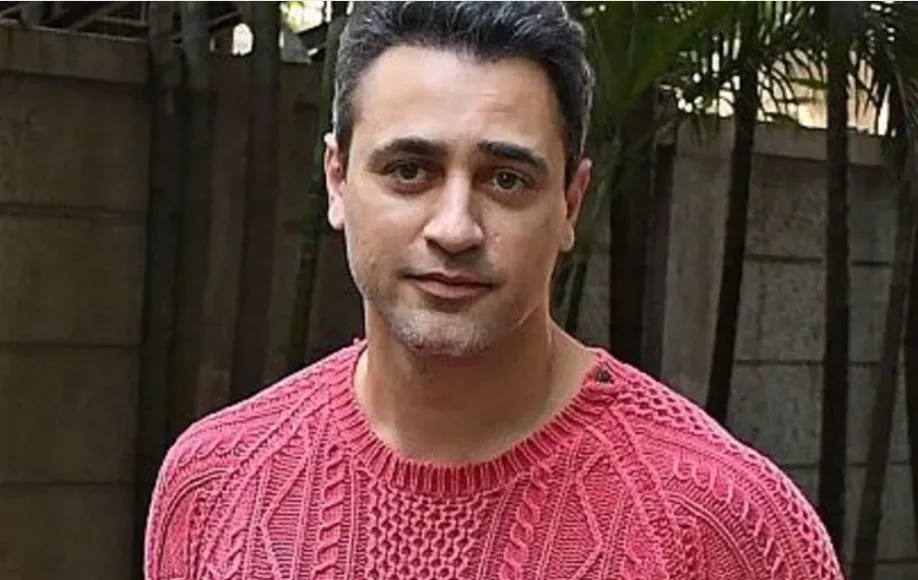
Actor Imran Khan asked to leave India after CJP protest
Actor Imran Khan has been asked to leave India by October 28, days after participating in a protest called by the Cockroach Janta Party (CJP) in Mumbai.
India News
Election Commission orders voter roll revision in 17 states, UTs
The Election Commission has ordered a Special Summary Revision of electoral rolls in 17 states and Union Territories. Draft rolls are scheduled for November 12, with final rolls due on January 4, 2027.

Dhruv Rathee gets fresh summons in 2018 BJP IT cell video case

Nobody can browbeat judiciary, Chief Justice warns over Rahul Gandhi’s march

India-US trade deal first phase finalised, drafting underway

Election Commission orders voter roll revision in 17 states, UTs

Actor Imran Khan asked to leave India after CJP protest

Delhi Police offers 11-person limit for CJP’s Connaught Place protest
Actor Imran Khan asked to leave India after CJP protest
Election Commission orders voter roll revision in 17 states, UTs
India-US trade deal first phase finalised, drafting underway
Nobody can browbeat judiciary, Chief Justice warns over Rahul Gandhi’s march

Afghan Men Try To Hang With The Jet Engine Of The Aircraft in Kabul- Afghanistan News – Kabul News
Trending Top 10 News: 10000 Crore Fine on Flipkart, Apple to Launch Unique Feature, Hdfc Bank Job Ad

Trending Top 10 News: Nokia 6310, Apple sales, Bachpan ka Pyar Video Kid, Dainik Bhaskar IT Raid

Trending Top 10 News: Canada bans Indian flights, Rain in Delhi NCR, AIMIM Twitter hacked, Raj Kundra case

Trending Top 10 News: Shein India, Apple New Service, Pocket Oxygen, Oppo Launched New Phone
-
 India News16 hours ago
Dhruv Rathee gets fresh summons in 2018 BJP IT cell video case
-
 India News13 hours ago
Nobody can browbeat judiciary, Chief Justice warns over Rahul Gandhi’s march
-
 India News8 hours ago
India-US trade deal first phase finalised, drafting underway
-
 India News6 hours ago
Election Commission orders voter roll revision in 17 states, UTs
-
 India News6 hours ago
Actor Imran Khan asked to leave India after CJP protest
-
 India News5 hours ago
Delhi Police offers 11-person limit for CJP’s Connaught Place protest
