
India News
Delhi Police arrest three in CBSE paper leak case


Earlier Jharkhand police arrested twelve
In the fast developing story after the leakage of CBSE Class X Maths and Class XII Economics examination papers, Delhi Police on Sunday arrested one coaching centre owner and two other teachers in Bawana area for their involvement in the paper-leak episode.
According to agency reports, the accused were identified as Rishabh and Rohit, the teachers at a private school, and Touqeer, the owner of the coaching centre, who had allegedly leaked the economics paper half an hour before the exam and sent it to the teachers on WhatsApp.
According to CBSE the re-test for Class 12 economics paper will be held on April 25, while the Class 10 mathematics, if required, will be conducted only for Delhi-NCR and Haryana in July.
Meanwhile, students appearing for Class X and Class XII CBSE examinations as well as student organisations such as NSUI held protests in the capital on Friday as well. They called for resignation of CBSE chairman Anita Karwal and accused the Board of negligence.
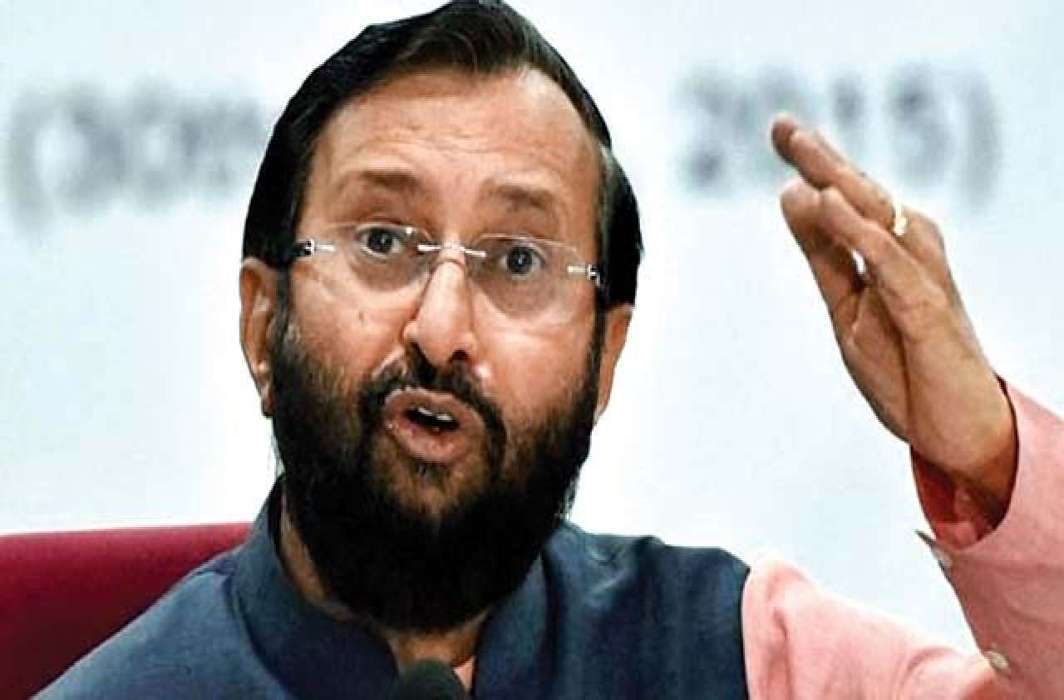
Union Human Resource Development Minister Prakash Javdekar has said that all the confusion should be cleared now after the announcements made by his ministry. Students will have to take the Class 10 CBSE maths re-test only if the leak is found to be a large-scale one.
According to agency report, the Delhi Police on Saturday sent three teams to schools, exam centres and their houses in outer Delhi to investigate the Class X and XII paper leaks.
According to Delhi Police sources, about 50 mobile phones of students and tutors have been seized, e-mail address details have been received from Google and that the person who sent the mail has been identified. A total of 53 students and 7 teachers have been questioned so far.
Meanwhile, Jharkhand Police has arrested twelve persons including students and coordinators of a coaching institute in Chatra in connection with the alleged leak of the Class X maths CBSE examination paper. Among those reportedly arrested include Hasrmesh, a maths teacher at Chatra Jawahar Navodaya Vidyalaya and a former ABVP office-bearer.
The police officials were provided information about how the exams are conducted. CBSE has shared information regarding the details about the examination centres, names of staff and superintendents at the centres, names and contact details of bank managers who had custody of the leaked papers in Delhi and Haryana.
After the CBSE re-examination announcement came, a CBSE student from Cochin on Friday approached the Supreme Court against the re-examination of the Class 10 maths paper.
Anil Swarup, Secretary School Education in Union HRD Ministry, said the decision to conduct fresh exams won’t affect the date of publication of the results, which usually happens in May end.
However, there will be no fresh test outside of India as the question papers are different for students appearing for CBSE examinations outside India.
Representatives of National Students Union of India (NSUI) and Akhil Bhartiya Vidyarthi Parishad (ABVP) met HRD Minister Prakash Javdekar, who assured for proper investigation and strictest possible actions against the culprits.




India News
Delhi Police offers 11-person limit for CJP’s Connaught Place protest
Delhi Police has offered to facilitate a group of 11 people at Central Park in Connaught Place for the Cockroach Janata Party’s October 16 protest, while warning that violations of prohibitory orders could invite legal action.


India News
Actor Imran Khan asked to leave India after CJP protest
Actor Imran Khan has been asked to leave India by October 28, days after participating in a protest called by the Cockroach Janta Party (CJP) in Mumbai.
India News
Election Commission orders voter roll revision in 17 states, UTs
The Election Commission has ordered a Special Summary Revision of electoral rolls in 17 states and Union Territories. Draft rolls are scheduled for November 12, with final rolls due on January 4, 2027.

Dhruv Rathee gets fresh summons in 2018 BJP IT cell video case

Nobody can browbeat judiciary, Chief Justice warns over Rahul Gandhi’s march

India-US trade deal first phase finalised, drafting underway

Election Commission orders voter roll revision in 17 states, UTs

Actor Imran Khan asked to leave India after CJP protest

Delhi Police offers 11-person limit for CJP’s Connaught Place protest
Actor Imran Khan asked to leave India after CJP protest
Election Commission orders voter roll revision in 17 states, UTs
India-US trade deal first phase finalised, drafting underway
Nobody can browbeat judiciary, Chief Justice warns over Rahul Gandhi’s march

Afghan Men Try To Hang With The Jet Engine Of The Aircraft in Kabul- Afghanistan News – Kabul News
Trending Top 10 News: 10000 Crore Fine on Flipkart, Apple to Launch Unique Feature, Hdfc Bank Job Ad

Trending Top 10 News: Nokia 6310, Apple sales, Bachpan ka Pyar Video Kid, Dainik Bhaskar IT Raid

Trending Top 10 News: Canada bans Indian flights, Rain in Delhi NCR, AIMIM Twitter hacked, Raj Kundra case

Trending Top 10 News: Shein India, Apple New Service, Pocket Oxygen, Oppo Launched New Phone
-
 India News14 hours ago
Dhruv Rathee gets fresh summons in 2018 BJP IT cell video case
-
 India News10 hours ago
Nobody can browbeat judiciary, Chief Justice warns over Rahul Gandhi’s march
-
 India News6 hours ago
India-US trade deal first phase finalised, drafting underway
-
 India News4 hours ago
Election Commission orders voter roll revision in 17 states, UTs
-
 India News3 hours ago
Actor Imran Khan asked to leave India after CJP protest
-
 India News2 hours ago
Delhi Police offers 11-person limit for CJP’s Connaught Place protest
