
India News
No need for crackers this Diwali, your outrage is enough!
The festive season in India brings prodigious opportunities for brands to roll out their innovative advertisement campaigns.

By Shruti Kaushal
The festive season in India is the playground for brands to roll out their innovative ad campaigns. From homecoming to away-from-home tales, brands spare no efforts to pitch their products, and double their sale. However, ad campaigns in the digital age are not confined to sentimental tales and promoting preconceived beliefs. Along with exhibiting their creativity, brands are breaking new ground to drive home social messages along with festivals. But like elsewhere, there will always be those who will be the first to take offence, citing religious sentiments.
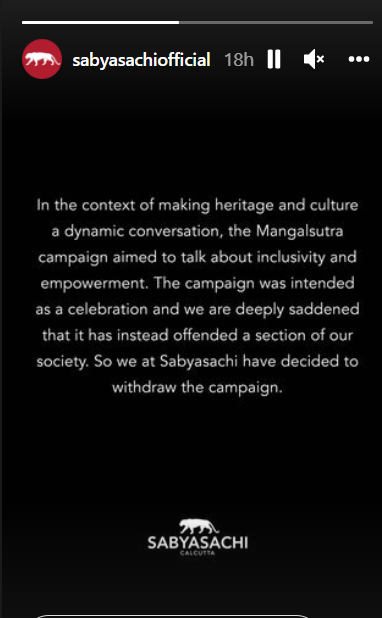
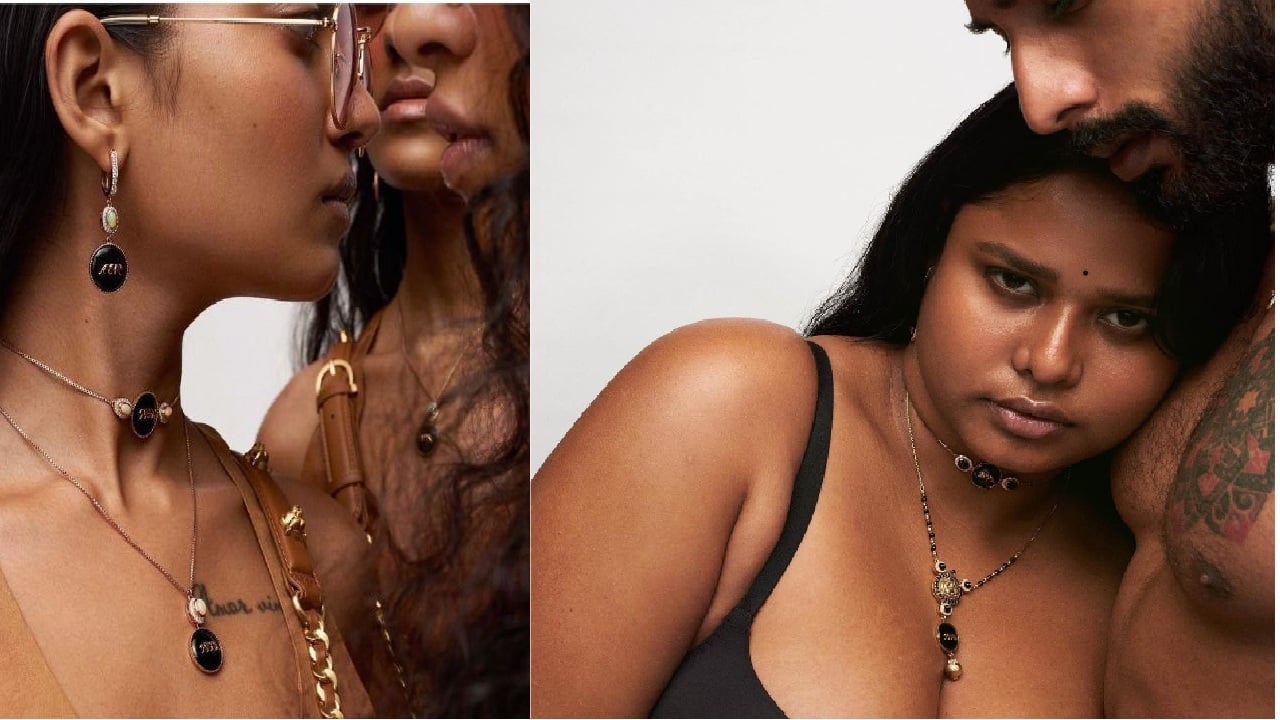
With each passing day, another social media outrage! With the internet being accessible to a large section of the population in India, social media outrage is a walk in the park. The latest victim is giant designer brand Sabyasachi Mukherjee’s mangalsutra campaign. The traditional neck ornament that is synonymous with love and the commitment of a wife towards her husband got a little adventurous and politically correct for the tastes of the outraging Outrams.
The campaign in question featured intimate portraits of women and men. It showed a woman in a plunging neck dress and posing intimately with a man. Followed by the launch of the campaign, Madhya Pradesh Home Minister Narottam Mishra joined the choir of “hurting Hindu sentiments”. The minister issued a 24-hour-ultimatum and threatened to send the police after him. And the designer chose to withdraw the ad.
Deja vu? Last week, another ad campaign by Dabur on Karwa Chauth also succumbed to social media outrage. The ad depicted an LGBTQ couple celebrating the Hindu festival Karwa Chauth, traditional et al but a tad regressive. Conventionally, a married woman fasts for her husband and pray for his longevity. Trolls called it obscene and yes, of course, the chorus sang “hurting religious sentiments”. Two years after the Supreme Court decriminalized IPC Section 377, allowing consensual sex between two adults of the same sex, the same Narottam Mishra got offended by the portrayal of a lesbian couple observing the festival.
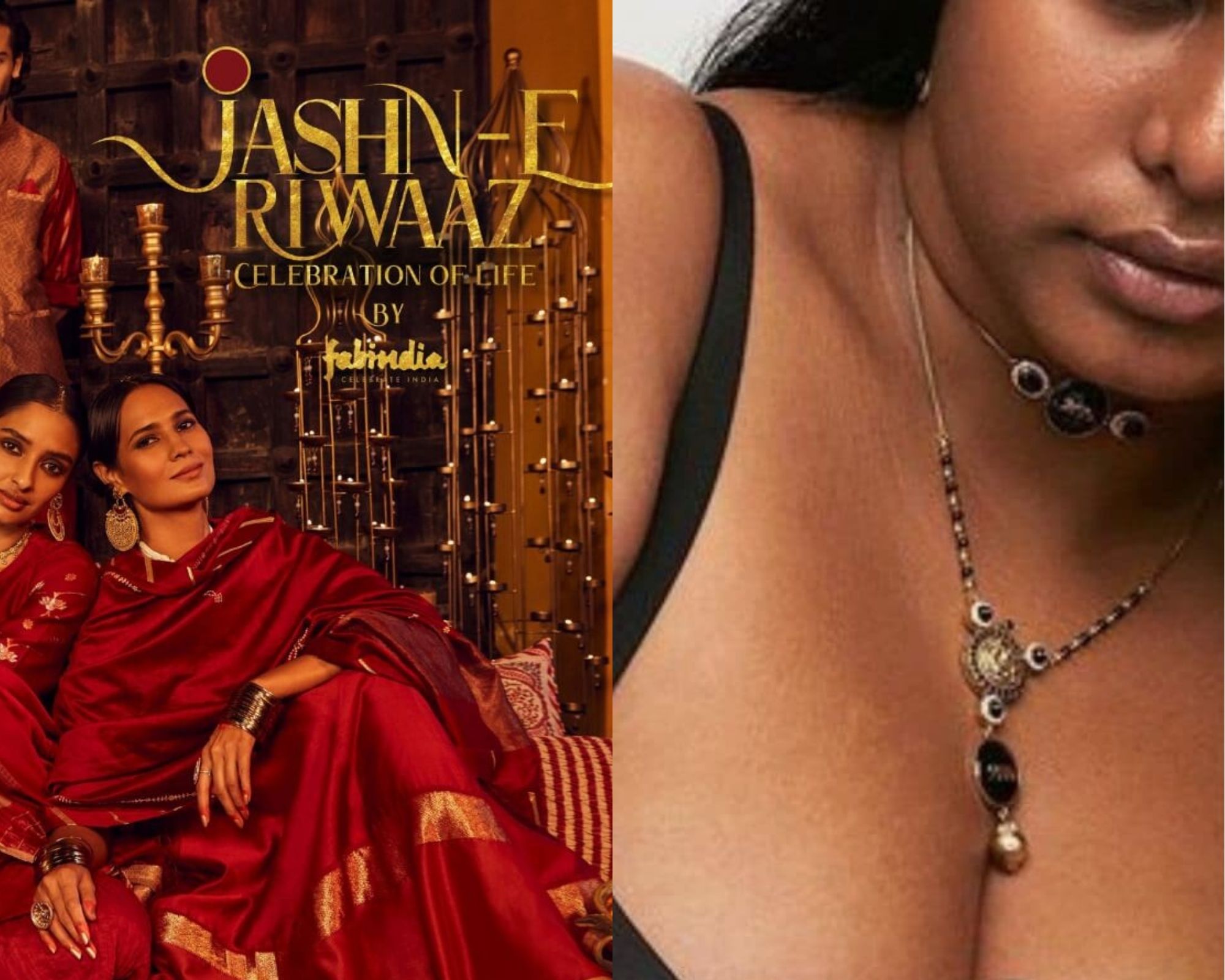
Well, this is not it. Following the boycott ‘riwaaz’, social media users demanded the FabIndia’s Jashn-e-Riwaaz Diwali campaign to pull down their advertisement. The brand was ruthlessly trolled for unnecessarily uplifting secularism and hurting religious sentiments for using an Urdu phrase for a festival that is Hindu. Followed by the trolling, FabIndia was forced to withdraw its advertisement. It issued a statement saying that the collection was not a Deepavali collection and that its actual Deepavali collection will be called ‘Jhilmil si Diwali’. Barring a few, no one asked FabIndia why it won’t curate such an elaborate collection for Eid.
Read Also: Dhanteras 2021: Want to switch from Android to IOS? Check these festive deals
It’s Manyavar-Mohey’s turn now. The wedding advertisement featuring Bollywood actor Alia Bhatt hit headlines and joined the boycott trend earlier last month. Reason? For throwing light on how a girl child is considered as a liability in India who is just born to get married and go to her ‘own house’ which is her husband’s. The advertisement did not only trigger trolls but also nepotism destroyer-in-chief Kangana Ranaut, who felt the need for ‘re-establishment of Ram Rajya’, and bashed the ad for mocking Hindu rituals. However, the brand stood by its progressive message and opted not to withdraw the ad. Commendable, ain’t it?
The boycotting of ads has undeniably pushed us to wonder at both the creativity of a resilient few and the crass hypocrisy of the vast mob. Brands are spending massive budgets on socially conscious campaigns and using their creativity to speak up for progressive causes. So will you burst crackers or light them diyas, Happy Diwali to both parties! Save the outrage after November 4, thank you.




India News
Centre sends 3 letters to Punjab government after anti-drug activist’s killing
The Centre has sought reports from the Punjab government on three incidents linked to allegations surrounding drug-related activities, including the killing of anti-drug activist Parvinder Singh Jhota.

India News
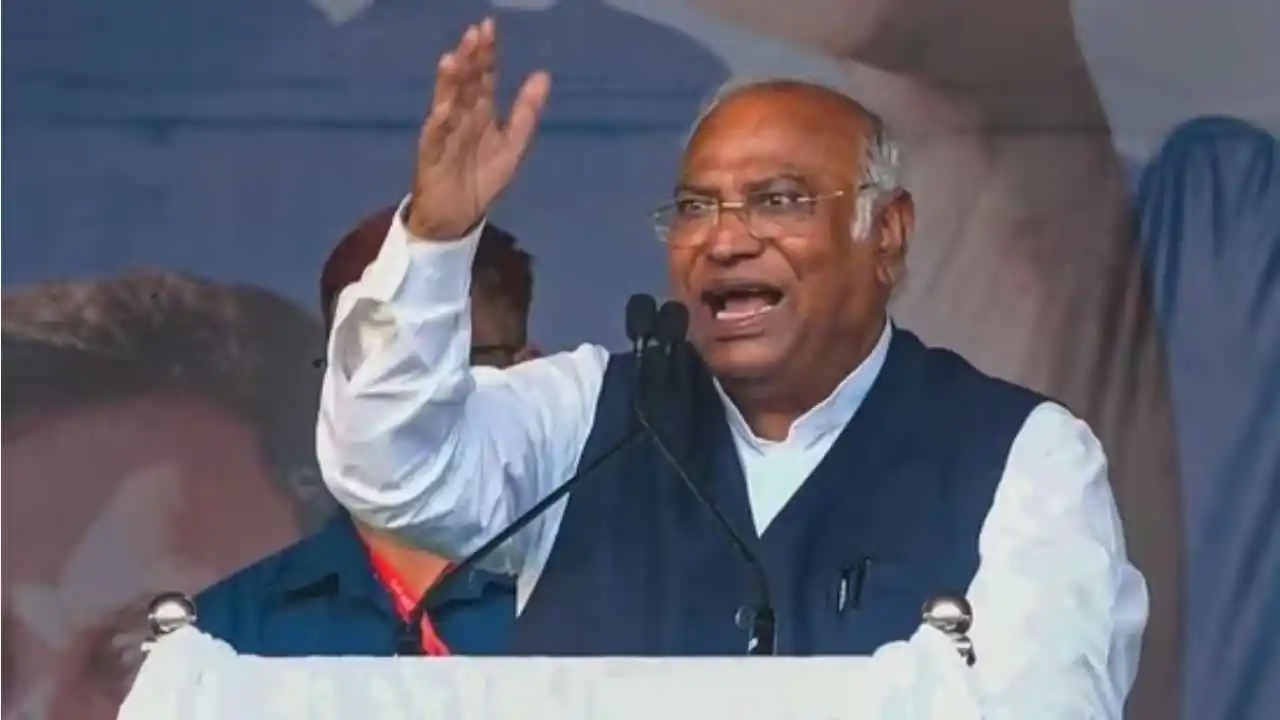
Mallikarjun Kharge seeks all-party meeting with PM Modi on delimitation
Congress president Mallikarjun Kharge has written to Prime Minister Narendra Modi for the fourth time, seeking an all-party meeting on delimitation. He also flagged the 64-day delay in proroguing Parliament’s Monsoon Session.
India News
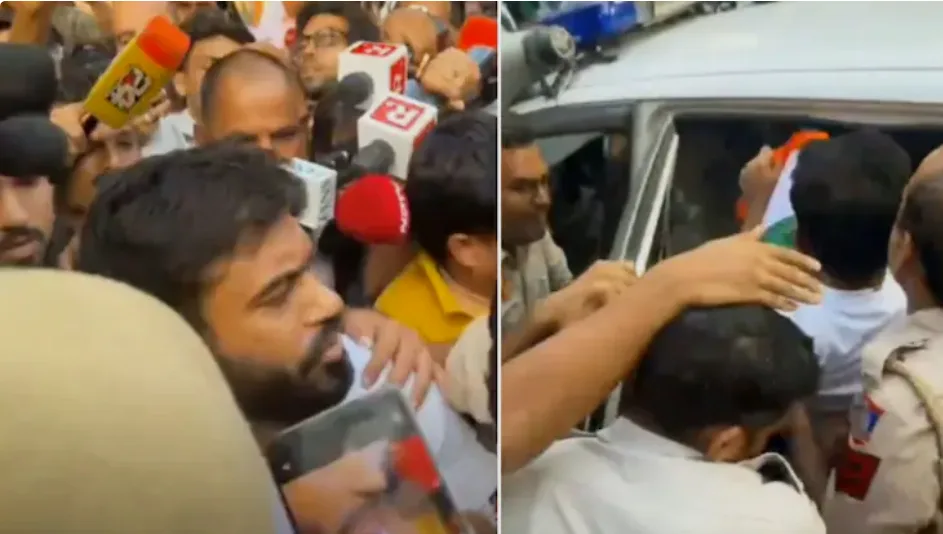
Abhijeet Dipke detained ahead of CJP’s national flag march in Delhi
Cockroach Janta Party founder Abhijeet Dipke was detained by Delhi Police on October 16, 2026, shortly before a planned national flag march. The proposed rally followed the judicial custody of two CJP members who had waved the Tricolour at Jantar Mantar.

Mallikarjun Kharge’s ‘Your Friends’ jab at Rahul Gandhi over congress exits

Magnitude 7 earthquake strikes Russia’s Kamchatka Peninsula

Delhi deploys 25,000 personnel, installs CCTV cameras ahead of CJP march

Abhijeet Dipke detained ahead of CJP’s national flag march in Delhi

Mallikarjun Kharge seeks all-party meeting with PM Modi on delimitation

Centre sends 3 letters to Punjab government after anti-drug activist’s killing
Mallikarjun Kharge seeks all-party meeting with PM Modi on delimitation
Abhijeet Dipke detained ahead of CJP’s national flag march in Delhi
Magnitude 7 earthquake strikes Russia’s Kamchatka Peninsula
Delhi deploys 25,000 personnel, installs CCTV cameras ahead of CJP march

Afghan Men Try To Hang With The Jet Engine Of The Aircraft in Kabul- Afghanistan News – Kabul News
Trending Top 10 News: 10000 Crore Fine on Flipkart, Apple to Launch Unique Feature, Hdfc Bank Job Ad

Trending Top 10 News: Nokia 6310, Apple sales, Bachpan ka Pyar Video Kid, Dainik Bhaskar IT Raid

Trending Top 10 News: Canada bans Indian flights, Rain in Delhi NCR, AIMIM Twitter hacked, Raj Kundra case

Trending Top 10 News: Shein India, Apple New Service, Pocket Oxygen, Oppo Launched New Phone
-
 India News13 hours ago
Mallikarjun Kharge’s ‘Your Friends’ jab at Rahul Gandhi over congress exits
-
 Latest world news12 hours ago
Magnitude 7 earthquake strikes Russia’s Kamchatka Peninsula
-
 India News13 hours ago
Delhi deploys 25,000 personnel, installs CCTV cameras ahead of CJP march
-
 India News3 hours ago
Abhijeet Dipke detained ahead of CJP’s national flag march in Delhi
-
 India News2 hours ago
Mallikarjun Kharge seeks all-party meeting with PM Modi on delimitation
-
 India News1 hour ago
Centre sends 3 letters to Punjab government after anti-drug activist’s killing
