
India News
Feeling of unease, insecurity in Indian Muslims, says Hamid Ansari as his VP term ends, BJP hits back saying he wants a ‘political job’

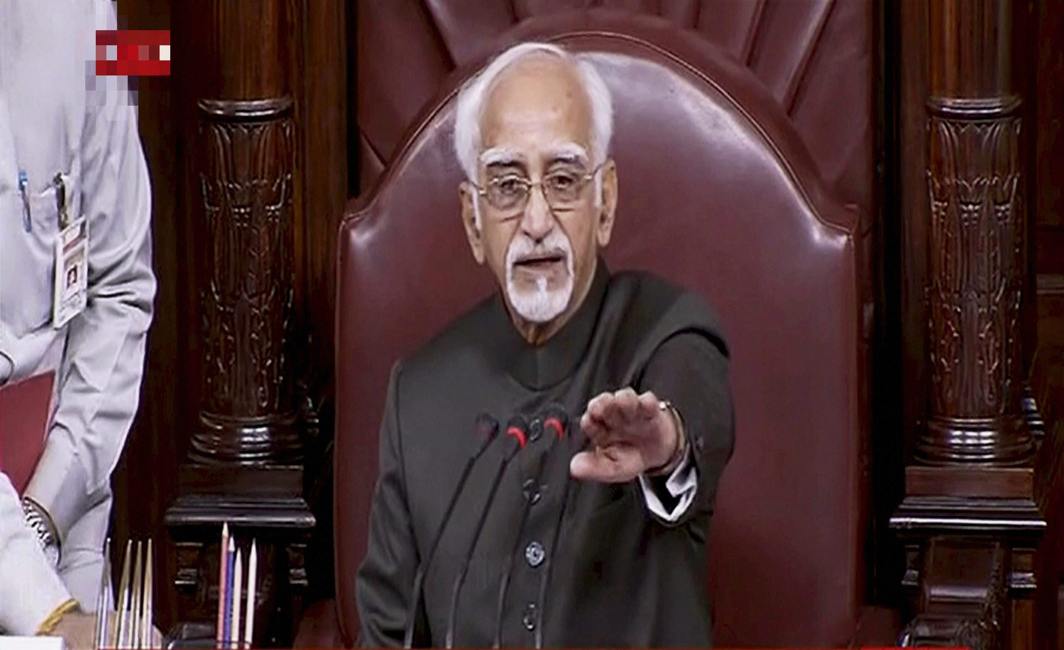
[vc_row][vc_column][vc_column_text]Ansari – the only Vice President to complete two terms in office – joins the growing clamour for the need to protect minorities and preserve the “ambience of acceptance” in the country today, says the “the very fact that Indianness of any citizen is being questioned is a disturbing thought”.
At a time when the perception of an increase in caste and communal conflicts across India and the rising incidents of mob-lynchings has got many intellectuals and common folk rattled, outgoing Vice President Hamid Ansari too has admitted that Indian Muslims were today living with a feeling of unease and sense of insecurity.
In an interview given to Rajya Sabha TV – a channel that was launched at his behest when as Vice President of India, he also became the ex-officio chairman of Parliament’s Upper House – Ansari referred to incidents of lynching, ‘ghar wapsi’ and killings of rationalists as a “breakdown of Indian values, breakdown of the ability of the authorities at different levels in different places to be able to enforce what should be normal law enforcing work… over all the very fact that Indianness of any citizen being questioned is a disturbing thought (sic)”.
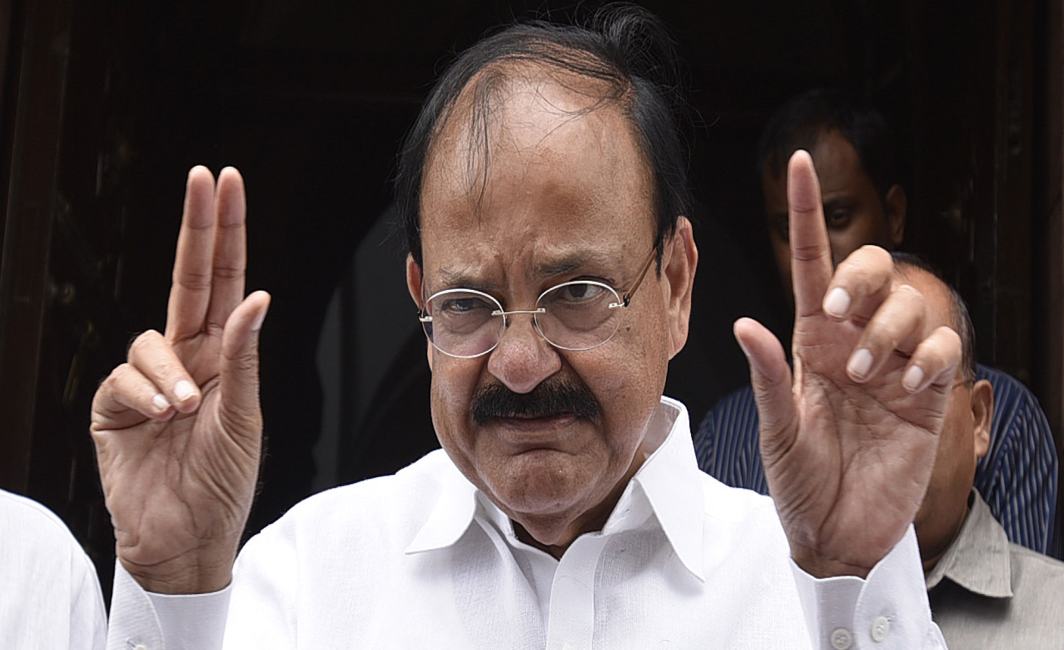
Ansari’s second five-year term ends today, making him the only person since India’s first Vice President, Dr Sarvepalli Radhakrishnan, to complete 10 years in the high Constitutional office. Ansari will be succeeded by BJP leader and former union minister Venkaiah Naidu, who recently won the vice presidential election, defeating former diplomat and Mahatma Gandhi’s grandson, Gopal Krishna Gandhi, who had been fielded by the Congress and other Opposition parties and a joint candidate.
In the RS TV interview conducted by Karan Thapar, Ansari said he had flagged the issue of intolerance with Prime Minister Narendra Modi and his cabinet colleagues but refused to divulge how Modi reacted to his concerns, saying: “What passes between the Vice President and the Prime Minister in the nature of things must remain in the domain of privileged conversation”.
Asked how the government viewed his concerns of the sense of insecurity that the minorities have reportedly been feeling, Ansari gave a cryptic reply saying: “Well, there is always an explanation and there is always a reason. Now it is a matter of judgement, whether you accept the explanation, you accept the reasoning and its rationale”.
The outgoing Vice President comments on the ambience of acceptance declining in India were in tune with his recent remarks at the 25th annual convocation of the National Law School of India University in Bengaluru where he had said: “It has to become an essential national virtue to promote harmony transcending sectional diversities. The urgency of giving this a practical shape at national, state and local levels through various suggestions in the public domain is highlighted by enhanced apprehensions of insecurity amongst segments of our citizen body, particularly Dalits, Muslims and Christians”.
Asked if he stood by his comments at the convocation, Ansari said: “Yes it is a correct assessment…there is a feeling of unease; a sense of insecurity is creeping in”, while adding that India is a plural society that for centuries, not just seventy years, has lived in a certain “ambience of acceptance” which is now under threat.
When asked about the Supreme Court order making it mandatory to play the national anthem before every film screening, and the more recent Madras High Court ruling on the ‘Vande Mataram’, Ansari said: “The courts are a part of society. So what the courts tend to say sometimes is reflective of what the prevailing atmosphere in society is. I call that a sense of insecurity… this propensity to be able to assert your nationalism day in and day out is unnecessary…I am an Indian and that is it”.
Responding to a question on comments made by some BJP leaders related to minorities, he said he would not talk about political people or political parties. “But to me, every time such a comment appeared or came to my knowledge; I mean my first reaction was that, A: the person is ignorant, B: that he is prejudiced and C: he does not fit into the framework that India has always prided to itself on, which is to be an accommodative society,” Ansari explained.
Triple Talaq a social aberration
Responding to questions on triple talaq, Ansari said the practice is a “social aberration and not a religious requirement” while asserting that “The religious requirement is crystal clear, emphatic; there are no two views about it but patriarchy, social customs have all crept into it to create a situation which is highly undesirable”.
However, the outgoing vice president also insisted that the courts mustn’t step into the triple talaq controversy as any measure of reform over the controversial practice “has to come from within the community”.
“The courts can say that we don’t recognise it (triple talaq). That’s all. I mean a marriage has to be recognised on certain occasions by the system of the state. And if a state functionary at a particular point of time refuses to recognise a happening which may be the product of a triple talaq, that’s it,” he said.
On the Kashmir crisis
To a poser on the troubled situation in Jammu and Kashmir, Ansari – who during his term as Vice President had also headed a sub-committee on confidence building measures in Kashmir that was formed on the recommendation of then chief minister Ghulam Nabi Azad – said: “The (Kashmir) problem has always been primarily a political problem. And it has to be addressed politically” while agreeing that politicians were not doing enough to solve the crisis. “That’s my impression. And I’m not the only one in the country…when young boys and girls come out on to the streets and throw stones day after day, week after week, month after month, it’s something to worry about because they are our children, they are our citizens”, Ansari said.
BJP hits back at outgoing VP
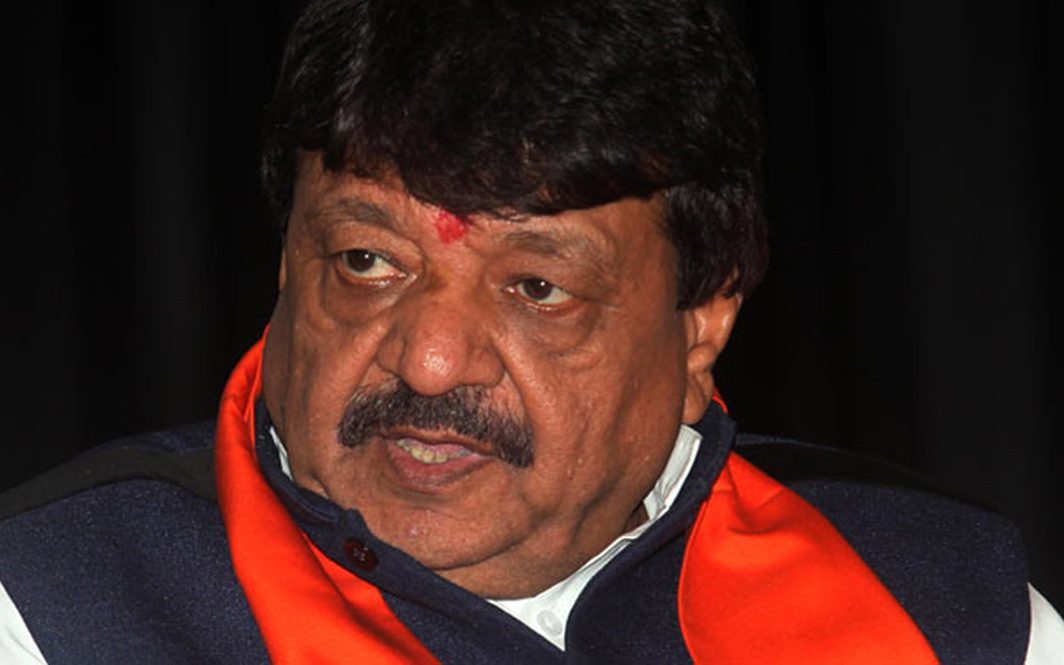
Expectedly unhappy about Ansari’s comments on the unease among minorities in the country, the BJP chose to hit back at the outgoing vice president, alleging that since he will lose his constitutional office today, Ansari was now looking for a political role.
BJP national general secretary Kailash Vijayvargia criticised Ansari, saying: “He couldn’t talk like this before but now he is the outgoing VP… in search of a political role he is making such statements that are inappropriate for a person at such a position…we disagree with him (sic)”.
Asked whether the BJP believed Hamid Ansari played a bipartisan role as the chairman of the Rajya Sabha, Vijayavargiya said: “He has made mistakes, deliberately or not I can’t say”.
Vijayvargiya wasn’t the only BJP leader to attack Ansari. National executive member of the BJP Mahila Morcha, Priti Gandhi posted a series of tweets on the micro-blogging site to hit out at the outgoing vice president.[/vc_column_text][vc_raw_html]JTNDYmxvY2txdW90ZSUyMGNsYXNzJTNEJTIydHdpdHRlci10d2VldCUyMiUyMGRhdGEtbGFuZyUzRCUyMmVuJTIyJTNFJTNDcCUyMGxhbmclM0QlMjJlbiUyMiUyMGRpciUzRCUyMmx0ciUyMiUzRUZvciUyMDEweXJzJTIwbXklMjBIaW5kdSUyMG1ham9yaXR5JTIwbmF0aW9uJTIwYWNjZXB0ZWQlMjB5b3UlMjB3aXRoJTIwb3BlbiUyMGFybXMlMkMlMjBwbGFjZWQlMjB5b3UlMjBhdCUyMHRoZSUyMHBpbm5hY2xlJTIwb2YlMjBwb3dlciUyMCUyNmFtcCUzQiUyMHlvdSUyMHN0aWxsJTIwZmVlbCUyMHVuZWFzeSUzRiUyMEFnZW5kYSUyMGt5YSUyMGhhaSUzRiUyMCUzQ2ElMjBocmVmJTNEJTIyaHR0cHMlM0ElMkYlMkZ0LmNvJTJGWjhweldkZFRHMCUyMiUzRWh0dHBzJTNBJTJGJTJGdC5jbyUyRlo4cHpXZGRURzAlM0MlMkZhJTNFJTNDJTJGcCUzRSUyNm1kYXNoJTNCJTIwUHJpdGklMjBHYW5kaGklMjAlMjglNDBNcnNHYW5kaGklMjklMjAlM0NhJTIwaHJlZiUzRCUyMmh0dHBzJTNBJTJGJTJGdHdpdHRlci5jb20lMkZNcnNHYW5kaGklMkZzdGF0dXMlMkY4OTUzOTc5NzA2MzU1NjcxMDQlMjIlM0VBdWd1c3QlMjA5JTJDJTIwMjAxNyUzQyUyRmElM0UlM0MlMkZibG9ja3F1b3RlJTNFJTBBJTNDc2NyaXB0JTIwYXN5bmMlMjBzcmMlM0QlMjIlMkYlMkZwbGF0Zm9ybS50d2l0dGVyLmNvbSUyRndpZGdldHMuanMlMjIlMjBjaGFyc2V0JTNEJTIydXRmLTglMjIlM0UlM0MlMkZzY3JpcHQlM0UlMEElMjAlMEElM0NibG9ja3F1b3RlJTIwY2xhc3MlM0QlMjJ0d2l0dGVyLXR3ZWV0JTIyJTIwZGF0YS1sYW5nJTNEJTIyZW4lMjIlM0UlM0NwJTIwbGFuZyUzRCUyMmVuJTIyJTIwZGlyJTNEJTIybHRyJTIyJTNFSWYlMjB5b3UlMjB3aWxsJTIwbWlzdXNlJTIweW91ciUyMHBvc2l0aW9uJTIwdG8lMjBtb25nZXIlMjBmZWFyJTIwJTI2YW1wJTNCJTIwY3JlYXRlJTIwYSUyMGZhbHNlJTIwbmFycmF0aXZlJTJDJTIwSSUyMHdpbGwlMjBxdWVzdGlvbiUyMHlvdXIlMjBpbnRlbnRpb25zLiUyMCUzQ2ElMjBocmVmJTNEJTIyaHR0cHMlM0ElMkYlMkZ0LmNvJTJGazJUODhCSXZZMSUyMiUzRWh0dHBzJTNBJTJGJTJGdC5jbyUyRmsyVDg4Qkl2WTElM0MlMkZhJTNFJTNDJTJGcCUzRSUyNm1kYXNoJTNCJTIwUHJpdGklMjBHYW5kaGklMjAlMjglNDBNcnNHYW5kaGklMjklMjAlM0NhJTIwaHJlZiUzRCUyMmh0dHBzJTNBJTJGJTJGdHdpdHRlci5jb20lMkZNcnNHYW5kaGklMkZzdGF0dXMlMkY4OTU1NDcwMTk1Mzk5OTI1NzclMjIlM0VBdWd1c3QlMjAxMCUyQyUyMDIwMTclM0MlMkZhJTNFJTNDJTJGYmxvY2txdW90ZSUzRSUwQSUzQ3NjcmlwdCUyMGFzeW5jJTIwc3JjJTNEJTIyJTJGJTJGcGxhdGZvcm0udHdpdHRlci5jb20lMkZ3aWRnZXRzLmpzJTIyJTIwY2hhcnNldCUzRCUyMnV0Zi04JTIyJTNFJTNDJTJGc2NyaXB0JTNF[/vc_raw_html][/vc_column][/vc_row]






India News
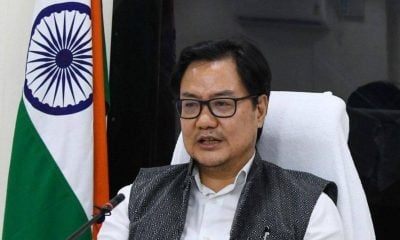
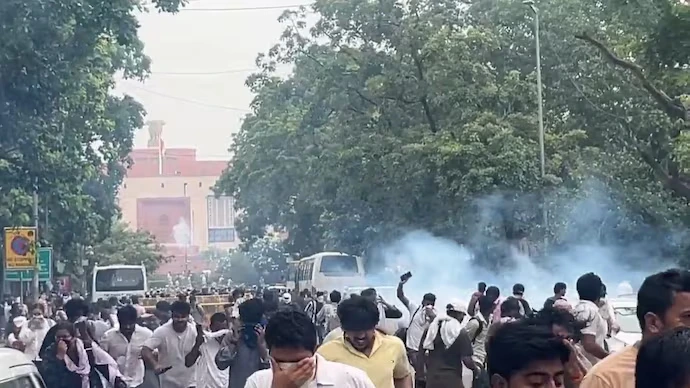
Delhi deploys 25,000 personnel, installs CCTV cameras ahead of CJP march
More than 25,000 police and paramilitary personnel have been deployed in Delhi ahead of the CJP’s planned protest march at Connaught Place. Authorities have also imposed restrictions and stepped up CCTV surveillance.

India News
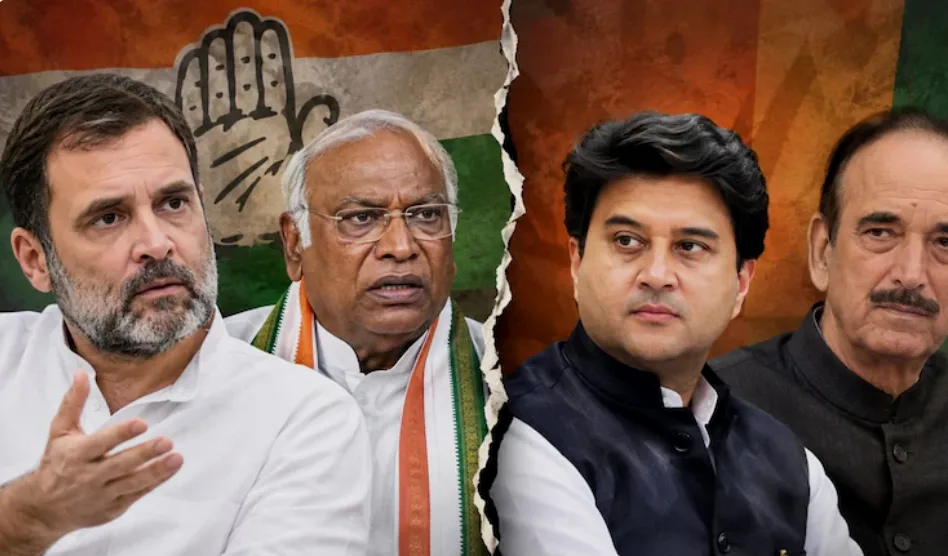
Mallikarjun Kharge’s ‘Your Friends’ jab at Rahul Gandhi over congress exits
Congress president Mallikarjun Kharge took a dig at Rahul Gandhi after the Leader of the Opposition reportedly described former party leaders Jyotiraditya Scindia and Ghulam Nabi Azad as among those who had left the Congress.
India News
Delhi Police offers 11-person limit for CJP’s Connaught Place protest
Delhi Police has offered to facilitate a group of 11 people at Central Park in Connaught Place for the Cockroach Janata Party’s October 16 protest, while warning that violations of prohibitory orders could invite legal action.


India-US trade deal first phase finalised, drafting underway

Election Commission orders voter roll revision in 17 states, UTs

Delhi Police offers 11-person limit for CJP’s Connaught Place protest

Actor Imran Khan asked to leave India after CJP protest

Mallikarjun Kharge’s ‘Your Friends’ jab at Rahul Gandhi over congress exits

Magnitude 7 earthquake strikes Russia’s Kamchatka Peninsula

Delhi deploys 25,000 personnel, installs CCTV cameras ahead of CJP march
Mallikarjun Kharge’s ‘Your Friends’ jab at Rahul Gandhi over congress exits
Delhi Police offers 11-person limit for CJP’s Connaught Place protest
Actor Imran Khan asked to leave India after CJP protest

Afghan Men Try To Hang With The Jet Engine Of The Aircraft in Kabul- Afghanistan News – Kabul News
Trending Top 10 News: 10000 Crore Fine on Flipkart, Apple to Launch Unique Feature, Hdfc Bank Job Ad

Trending Top 10 News: Nokia 6310, Apple sales, Bachpan ka Pyar Video Kid, Dainik Bhaskar IT Raid

Trending Top 10 News: Canada bans Indian flights, Rain in Delhi NCR, AIMIM Twitter hacked, Raj Kundra case

Trending Top 10 News: Shein India, Apple New Service, Pocket Oxygen, Oppo Launched New Phone
-
 India News24 hours ago
India-US trade deal first phase finalised, drafting underway
-
 India News21 hours ago
Election Commission orders voter roll revision in 17 states, UTs
-
 India News20 hours ago
Delhi Police offers 11-person limit for CJP’s Connaught Place protest
-
 India News21 hours ago
Actor Imran Khan asked to leave India after CJP protest
-
 India News8 hours ago
Mallikarjun Kharge’s ‘Your Friends’ jab at Rahul Gandhi over congress exits
-
 India News8 hours ago
Delhi deploys 25,000 personnel, installs CCTV cameras ahead of CJP march
-
 Latest world news8 hours ago
Magnitude 7 earthquake strikes Russia’s Kamchatka Peninsula
