
India News
FIR against BJP’s J&K chief and MLC on court orders for allegedly bribing scribes in Leh


The Jammu and Kashmir (J&K) police in Leh on Wednesday, May 8 registered an FIR against BJP’s Jammu and Kashmir state unit chief and an MLC in the state after journalists of the town accused the BJP leaders of trying to bribe them last week.
The FIR was registered after a local court asked the police to file a case against the two leaders.
A group of seven journalists had alleged last week that senior BJP leaders including state unit chief Ravinder Raina and MLC Vikram Randhawa had tried to bribe them after a press conference on May 2 by handing them envelopes that contained cash to get them to favour the BJP in their coverage.
The police had approached the court with a complaint forwarded by District Election Officer and Deputy Commissioner, Leh, Avny Lavasa. Lavasa had forwarded the complaint to the police after a fact finding inquiry ordered by her found prima facie merit in the allegations.
SSP, Leh, Sargun Shukla said the FIR had been registered “against a group of people” under section 171 of the Ranbir Penal Code (RPC), reported The Indian Express (IE).
Lavasa said though the complaint claimed alleged violations of the Model Code of Conduct, it amounted to a criminal offence.
Also Read: SC Collegium rejects Centre’s objections on elevation of two judges, recommends two more
Raina, however, dismissed the allegations and said he had left the venue along with some media persons immediately after the press conference.
The Leh Press Club had said in its complaint that BJP leaders – Jammu and Kashmir unit President Ravinder Raina and legislator Vikram Randhawa – had tried to bribe journalists on May 2 at Hotel Singge Palace in Leh. Rigzin Spalbar, the Congress candidate from Ladakh Parliamentary constituency, had also filed an application in the court.
“After the press conference was over, BJP leaders, including state president Ravinder Raina and member of legislative council Vikram Randhawa, tried to bribe the reporters by offering money in envelopes in an attempt to use our platform to influence the outcome of elections,” the press club said in complaint. “We did not accept the offer and we were anguished at such an attempt.”
A widely-shared video clip, whose authenticity isn’t proven, shows envelopes being given to journalists at a press conference at a hotel in Leh.
In the CCTV clip, a man resembling Jammu and Kashmir BJP chief Ravinder Raina is seen with journalists and someone looking like BJP legislator Vikram Randhawa, is seen giving them envelopes to journalists.
The BJP has denied the allegations. The party said the lawmaker was handing out invites to the journalists for Defence Minister Nirmala Sitharaman’s rally in the region. It said it will sue the journalists for defamation.
 Rinchen Angmo, one of the journalists, told NDTV that a senior party leader handed over envelopes to four journalists, including her, in front of Raina. The leaders told them it’s a token of love and asked them not to open the envelopes in the hall, she said.
“When we asked what is in the envelope, they told us not to open it then and that it is a token of love. When I checked, I saw many Rs. 500 notes. I returned it to them. But they refused to take it back. So I kept it on the table,” Angmo told NDTV.
The video also shows Angmo leaving her envelope on the table.
“We don’t believe in bribing anybody. We hold journalists in high esteem. BJP has never done such a thing and we will never do it,” a BJP leader said.
Also Read: Supreme Court dismisses petition challenging Rahul Gandhi’s citizenship
The episode triggered reactions from Jammu and Kashmir politicians Mehbooba Mufti and Omar Abdullah who called for action after the video emerged.
The Ladakh region, that voted on Monday in the fifth phase of the Lok Sabha election, witnessed a four-cornered contest between the BJP’s Tsering, Rigzin Saplbar of the Congress, Sajjad Hussain backed by the National Conference and Peoples Democratic Party, and independent candidate Asgar Ali Karbalai.
The Muslim community enjoys a slender majority in Ladakh but both the Congress and the BJP fielded Buddhist candidates.
The BJP had won Ladakh in the 2014 election by defeating the Congress candidate by just 36 votes. The party, however, suffered a setback after lawmaker Thupstan Chhewang resigned from the BJP in November. Several other leaders from Ladakh also left the party.





India News
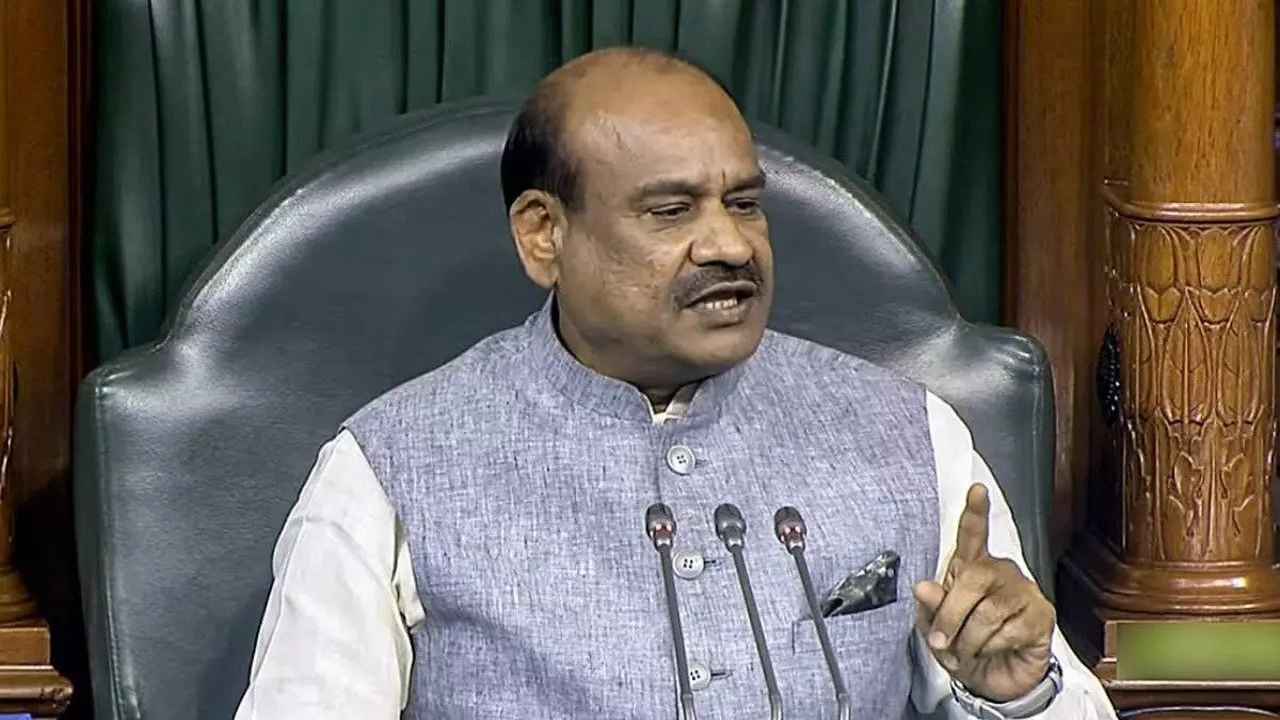
Om Birla likely to move motion to revoke suspension of 8 opposition MPs today
The Lok Sabha is likely to revoke the suspension of eight opposition MPs today, with a motion expected to be moved by the government following consensus on maintaining discipline.

India News
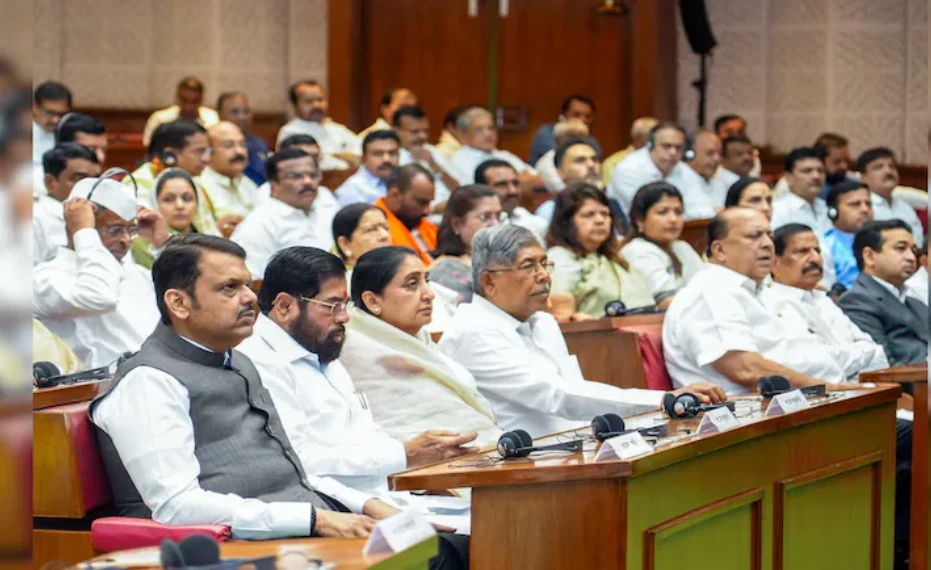
Maharashtra passes freedom of religion bill with jail term up to 10 years
Maharashtra passes anti-conversion bill with strict jail terms and fines, aiming to curb unlawful religious conversions.
India News
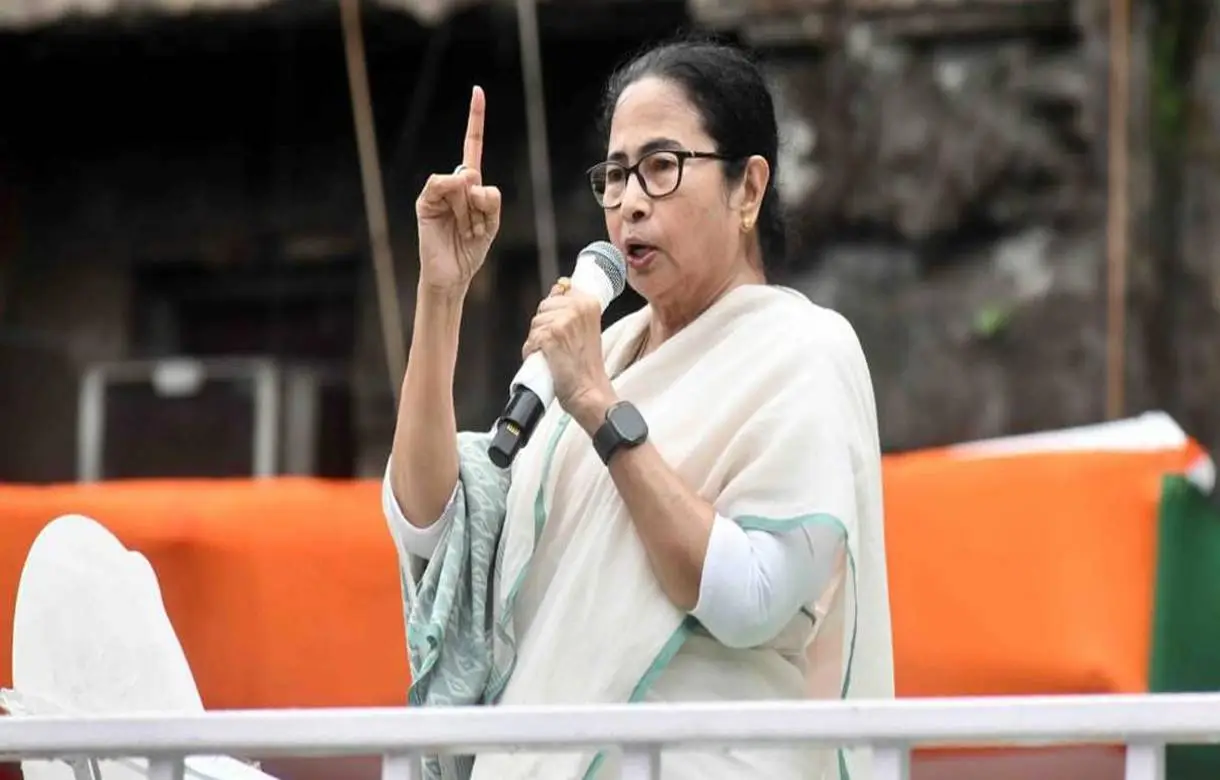
Mamata Banerjee writes to poll chief over officers’ reshuffle, calls move arbitrary
Mamata Banerjee has written to the Chief Election Commissioner, calling the reshuffle of senior Bengal officials arbitrary and raising concerns over constitutional norms.

BJP releases first list of 47 candidates for Kerala assembly polls

Pakistan airstrike allegations on Kabul hospital leave hundreds dead, claims Taliban

Om Birla likely to move motion to revoke suspension of 8 opposition MPs today

Mamata Banerjee writes to poll chief over officers’ reshuffle, calls move arbitrary

Maharashtra passes freedom of religion bill with jail term up to 10 years
Om Birla likely to move motion to revoke suspension of 8 opposition MPs today
Maharashtra passes freedom of religion bill with jail term up to 10 years
Mamata Banerjee writes to poll chief over officers’ reshuffle, calls move arbitrary
Pakistan airstrike allegations on Kabul hospital leave hundreds dead, claims Taliban
BJP releases first list of 47 candidates for Kerala assembly polls

Afghan Men Try To Hang With The Jet Engine Of The Aircraft in Kabul- Afghanistan News – Kabul News
Trending Top 10 News: 10000 Crore Fine on Flipkart, Apple to Launch Unique Feature, Hdfc Bank Job Ad

Trending Top 10 News: Nokia 6310, Apple sales, Bachpan ka Pyar Video Kid, Dainik Bhaskar IT Raid

Trending Top 10 News: Canada bans Indian flights, Rain in Delhi NCR, AIMIM Twitter hacked, Raj Kundra case

Trending Top 10 News: Shein India, Apple New Service, Pocket Oxygen, Oppo Launched New Phone
-
 India News22 hours ago
BJP releases first list of 47 candidates for Kerala assembly polls
-
 India News8 hours ago
Pakistan airstrike allegations on Kabul hospital leave hundreds dead, claims Taliban
-
 India News7 hours ago
Om Birla likely to move motion to revoke suspension of 8 opposition MPs today
-
 India News8 hours ago
Mamata Banerjee writes to poll chief over officers’ reshuffle, calls move arbitrary
-
 India News8 hours ago
Maharashtra passes freedom of religion bill with jail term up to 10 years
