
India News
Ganga Vilas: World’s longest 51-day river cruise is booked for 5 years | Everything you need to know
There will be 32 foreign tourists in this river cruise, who will travel for 51 days

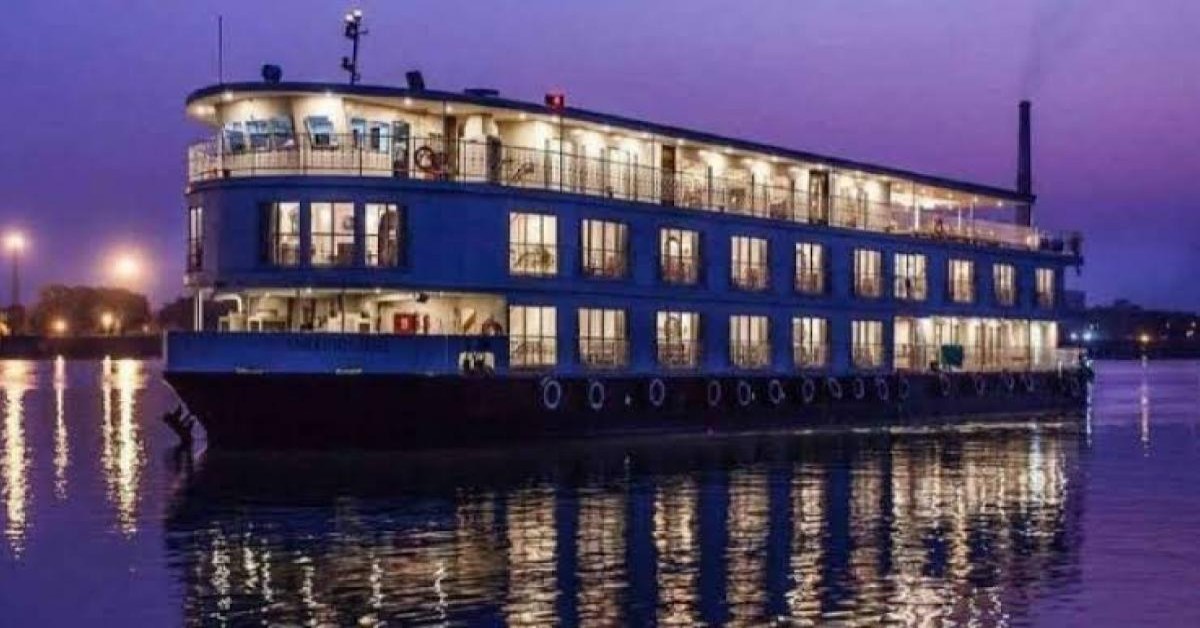
MV Ganga Vilas is all set to embark on the world’s longest river cruise journey. It stands at the Ramnagar port in Varanasi. On January 13, Prime Minister Narendra Modi will flag it off for a long journey of 3,200 km. The cruise will depart from Varanasi to Dibrugarh in Assam via Bangladesh. There will be 32 foreign tourists in this river cruise, who will travel for 51 days. The cruise has luxury facilities like a 5 star hotel.
What is special about the cruise, how much is the fare? What is a route map? Let us also know about it one by one…
Everything you wanted to know about the cruise
The journey is of 51 days. Distance– 3200 kms.
Route of Cruise– Ganga-Bhagirathi-Hooghly River System (National Water Way 1), Kolkata to Dhubri (Indo Bangla Protocol Route) and Brahmaputra (National Water Way 2). There will be 27 rivers on the way.
Read Also: Mid-air love: Man proposes to his fiance on Air India flight, video goes viral | WATCH

Major rivers that will fall on the way– Ganga, Bhagirathi, Hooghly, Vidyavati, Matla, Sundarbans River Systems-5, Meghna, Padma, Jamuna and Brahmaputra.
The cruise will pass through 5 states and Bangladesh- UP, Bihar, Jharkhand, West Bengal, Assam and Bangladesh.
Major stopovers on the way of cruise – Varanasi, Patna, Kolkata, Dhaka, Guwahati, Dibrugarh including 50 major tourist destinations.
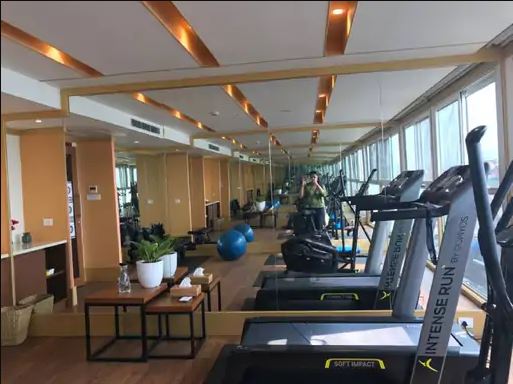
Facilities on the cruise
- 18 suites, restaurant, bar, spa, sundeck, gym and lounge.
- The 40-seat restaurant on the main deck has buffet counters with continental and Indian food.
- The upper deck’s outdoor seating has a bar with steamer chairs and a coffee table.
- There are also bathrooms with bathtubs, convertible beds, French balconies, LED TVs, safes, smoke alarms, life vests and sprinklers.

The fare for the whole tour – 19 lakh rupees for one person. The rent of the suite is 38 lakhs. This rate can increase or decrease according to the space.
The speciality of the cruise – 62.5 meters long and 12.8 meters wide Ganga Vilas Cruise has a fuel tank of 40 thousand liters and a water tank of 60 thousand liters.
Cruise speed – The cruise speed in up stream is 10 to 12 kmph. The cruise speed in down stream is 15 to 20 kmph.
When will it reach Assam– The expected date of Ganga Vilas Cruise’s arrival at Dibrugarh is March 1, 2023.
Travelers will see Sundarbans and Royal Bengal Tiger
- The cruise will pass through Meghna river on its way to Dibrugarh. Tourists will also see Sundarbans here. It is a UNESCO certified World Heritage Site. Royal Bengal tigers also live in the beautiful forest.
- Kaziranga National Park will also fall on the way. Where the world famous one horned rhinoceros and elephant live. Majuli island is also here. It is the largest river island in the world.

The moonlit night view from the cruise would be amazing
- The moonlit night view from the cruise would be amazing. The cruise will stop wherever there is fog. A ship moves ahead of the cruise. It is deployed in the safety of the cruise.
- There will be a pilot on the ship, who will guide the cruise captain. The pilot and master of the cruise will change in Kolkata. All other staff will remain.
- Cruise suites have life jackets, fire alarms etc. for safety. At the same time, 4 small steamers are also attached with the cruise for emergency. Food and drink for 51 days is available in the cruise.
All 18 suites of the cruise are booked for 5 years
- Advance booking of Ganga Vilas for full 5 years has been done. It has been booked by different tourist groups of the world. The fare for the journey starting from January 13 is Rs 19 lakh. All 32 passengers boarding from Varanasi will travel till Dibrugarh. There will be no further booking on this route.
- Presently 8 river cruises are operating between Varanasi and Kolkata in the country. Apart from this, cruise will also sail on the second national waterway (Brahmaputra river).
Anushka Sharma files petition in Bombay High Court challenging sales tax order
Bihar Education Minister says Ramcharitmanas spreads hatred, triggers outrage











India News
Centre sends 3 letters to Punjab government after anti-drug activist’s killing
The Centre has sought reports from the Punjab government on three incidents linked to allegations surrounding drug-related activities, including the killing of anti-drug activist Parvinder Singh Jhota.

India News
Mallikarjun Kharge seeks all-party meeting with PM Modi on delimitation
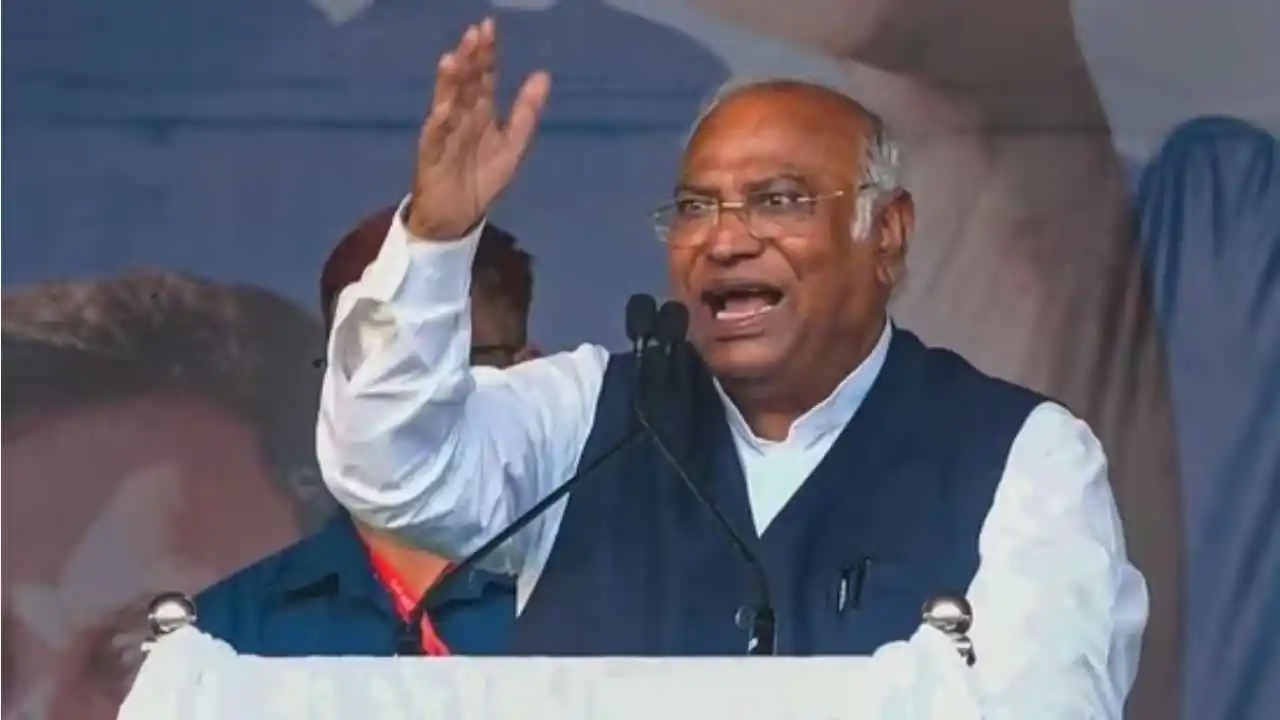
Congress president Mallikarjun Kharge has written to Prime Minister Narendra Modi for the fourth time, seeking an all-party meeting on delimitation. He also flagged the 64-day delay in proroguing Parliament’s Monsoon Session.
India News
Abhijeet Dipke detained ahead of CJP’s national flag march in Delhi
Cockroach Janta Party founder Abhijeet Dipke was detained by Delhi Police on October 16, 2026, shortly before a planned national flag march. The proposed rally followed the judicial custody of two CJP members who had waved the Tricolour at Jantar Mantar.


Magnitude 7 earthquake strikes Russia’s Kamchatka Peninsula

Mallikarjun Kharge’s ‘Your Friends’ jab at Rahul Gandhi over congress exits

Delhi deploys 25,000 personnel, installs CCTV cameras ahead of CJP march

Abhijeet Dipke detained ahead of CJP’s national flag march in Delhi

Mallikarjun Kharge seeks all-party meeting with PM Modi on delimitation

Centre sends 3 letters to Punjab government after anti-drug activist’s killing
Mallikarjun Kharge seeks all-party meeting with PM Modi on delimitation
Abhijeet Dipke detained ahead of CJP’s national flag march in Delhi
Magnitude 7 earthquake strikes Russia’s Kamchatka Peninsula
Delhi deploys 25,000 personnel, installs CCTV cameras ahead of CJP march

Afghan Men Try To Hang With The Jet Engine Of The Aircraft in Kabul- Afghanistan News – Kabul News
Trending Top 10 News: 10000 Crore Fine on Flipkart, Apple to Launch Unique Feature, Hdfc Bank Job Ad

Trending Top 10 News: Nokia 6310, Apple sales, Bachpan ka Pyar Video Kid, Dainik Bhaskar IT Raid

Trending Top 10 News: Canada bans Indian flights, Rain in Delhi NCR, AIMIM Twitter hacked, Raj Kundra case

Trending Top 10 News: Shein India, Apple New Service, Pocket Oxygen, Oppo Launched New Phone
-
 Latest world news13 hours ago
Magnitude 7 earthquake strikes Russia’s Kamchatka Peninsula
-
 India News13 hours ago
Mallikarjun Kharge’s ‘Your Friends’ jab at Rahul Gandhi over congress exits
-
 India News13 hours ago
Delhi deploys 25,000 personnel, installs CCTV cameras ahead of CJP march
-
 India News4 hours ago
Abhijeet Dipke detained ahead of CJP’s national flag march in Delhi
-
 India News3 hours ago
Mallikarjun Kharge seeks all-party meeting with PM Modi on delimitation
-
 India News2 hours ago
Centre sends 3 letters to Punjab government after anti-drug activist’s killing
