India News
India Legal App gets grand launch, ex-CJI Justice MN Venkatachaliah says will help in quick disposal of new cases
Speaking on the occasion, Senior Advocate and Balaji Foundation Chairperson Pradeep Rai said he was in awe of former CJI Venkatachaliah and Attorney General R. Venkataramani, adding that the two legal luminaries were an inspiration for many young lawyers and a source of energy for all Advocates.

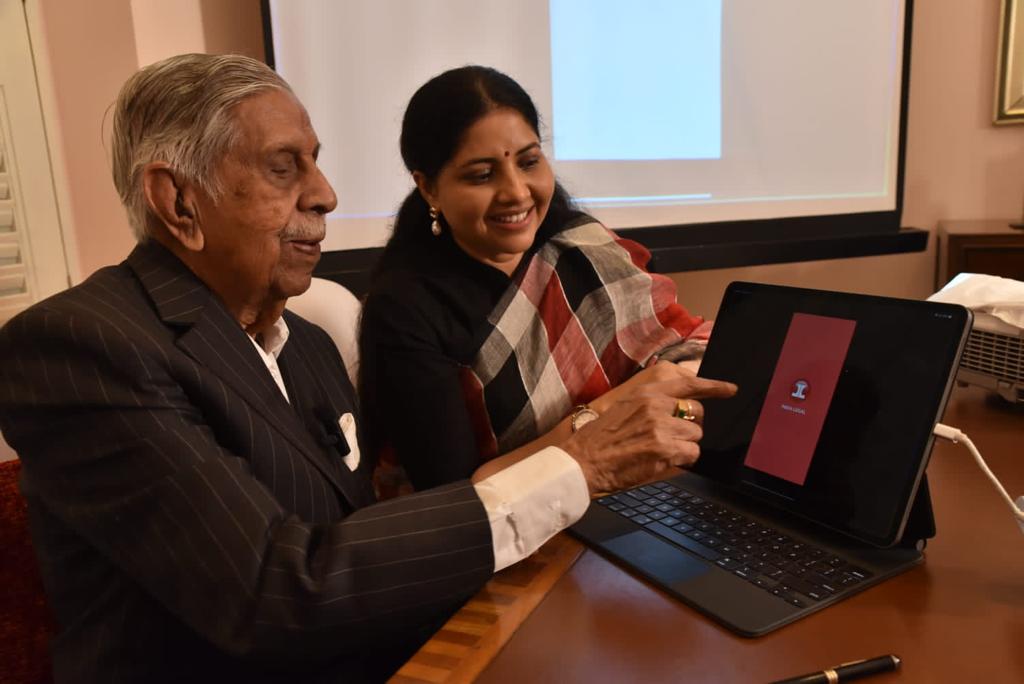
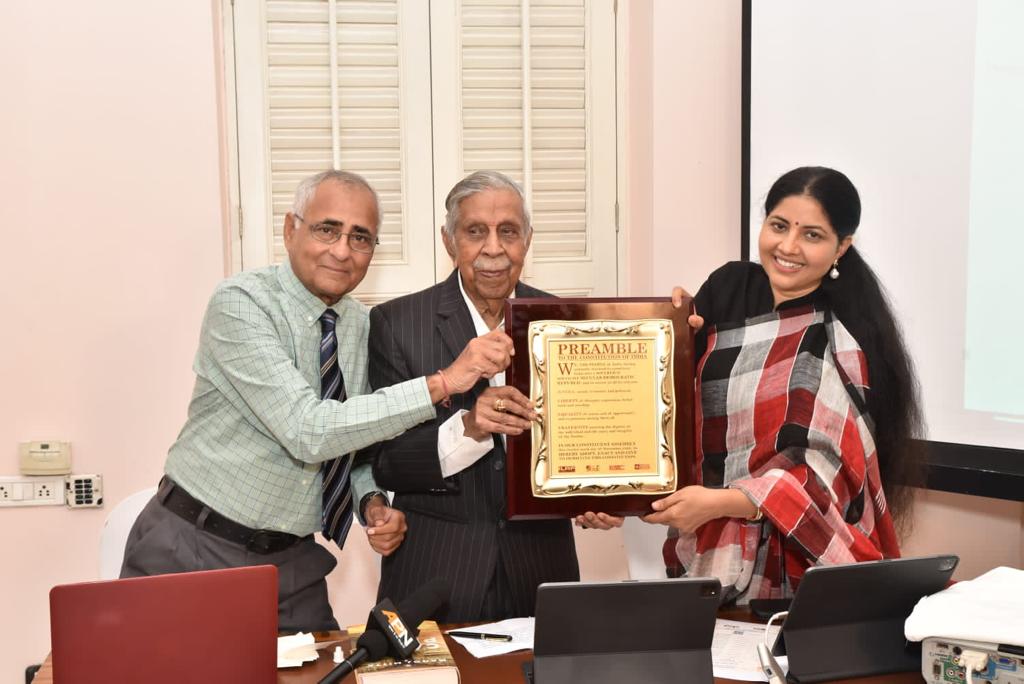
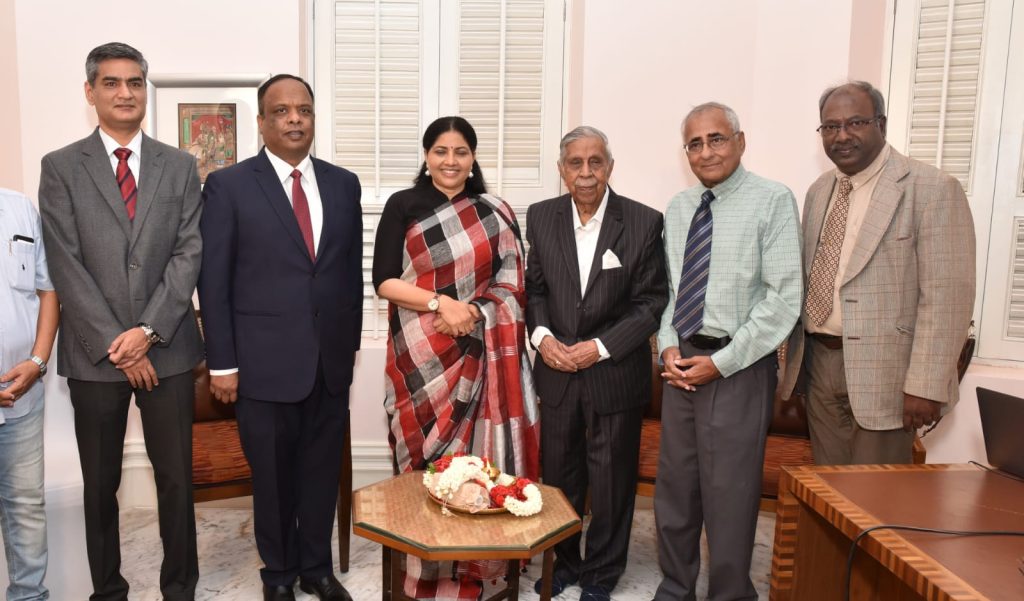
The much-awaited India Legal App got a grand opening on Saturday at the hands of former Chief Justice of India M.N. Venkatachaliah, who said he was privileged to inaugurate the app.
The former CJI said the app will not only cater to those seeking justice, but also help the large legal community, adding that the initiative would help in disposing of around 70 percent new cases.
Talking about Artificial Intelligence, Justice Venkatachaliah said technological advancements in AI and internet changed everything.
Stating that ‘development’ was the buzz word of current times, he said the government was also making efforts to ensure development of all sections of the society.
He further quoted India’s ranking on various parameters, such as human rights, welfare and social parameters, saying that much needs to be done on that front.
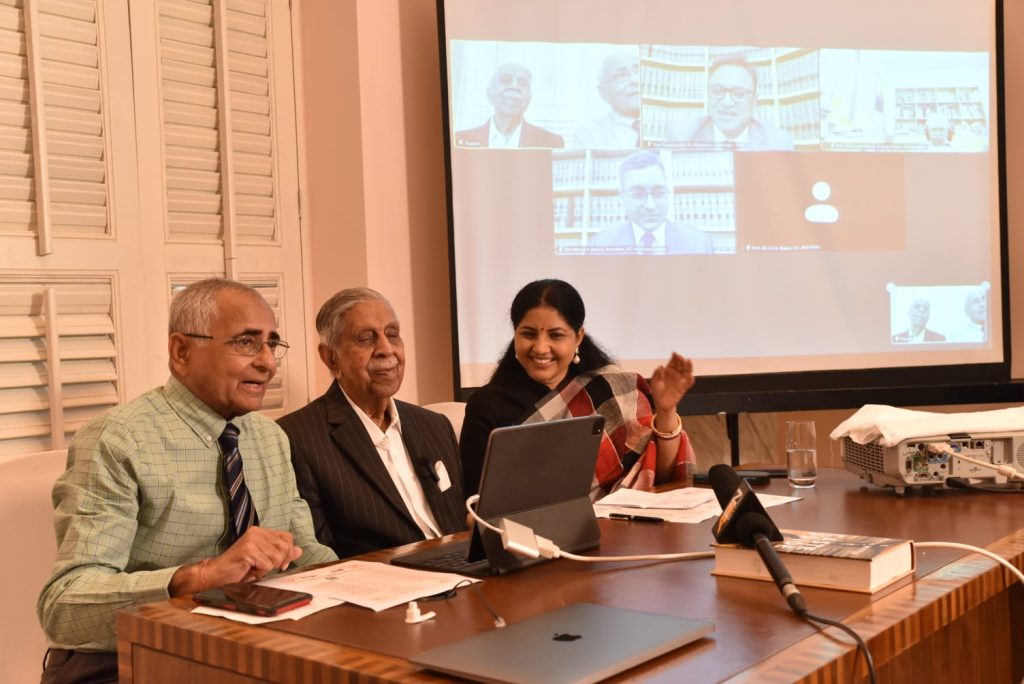
Several legal luminaries of the country attended the event online in a webinar.
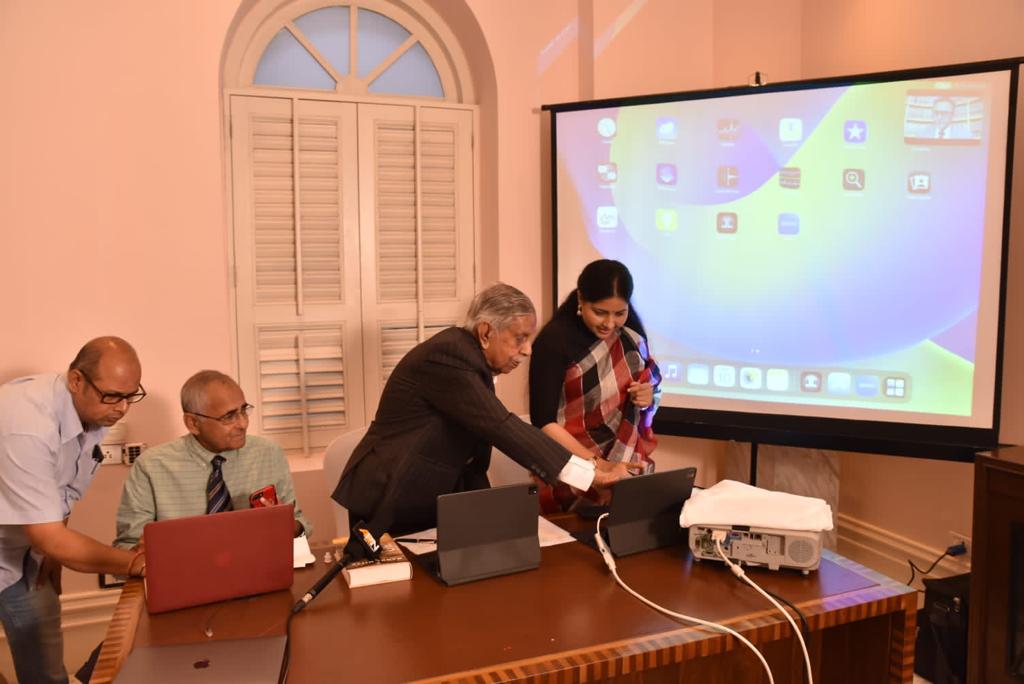
These included Attorney General R. Venkataramani, Solicitor General Tushar Mehta, Senior Advocate and Balaji Foundation Chairperson Pradeep Rai, National Law University Delhi Vice Chancellor Prof (Dr) GS Bajpai, Former IIM Bangalore Dean Prof Trilochan Sastry, Supreme Court Advocates-on-Record Association President Manoj K. Mishra and India Legal Editor-in-Chief Inderjit Badhwar.
Speaking on the occasion, Senior Advocate and Balaji Foundation Chairperson Pradeep Rai said he was in awe of former CJI Venkatachaliah and Attorney General R. Venkataramani, adding that the two legal luminaries were an inspiration for many young lawyers and a source of energy for all Advocates.
Stating that he was in no way connected with the India Legal app, the Senior Advocate said the app, however, was close to his heart since it would provide access to justice to many people, who were either underprivileged or did not know how to seek justice for themselves.
He said the Preamble of India mentioned securing social, economic and political justice for all of its citizens. This could be achieved by bringing equality before law. The App will surely help the young students, lawyers and even senior Advocates such as Justice Venkatachaliah, added the Senior Advocate.
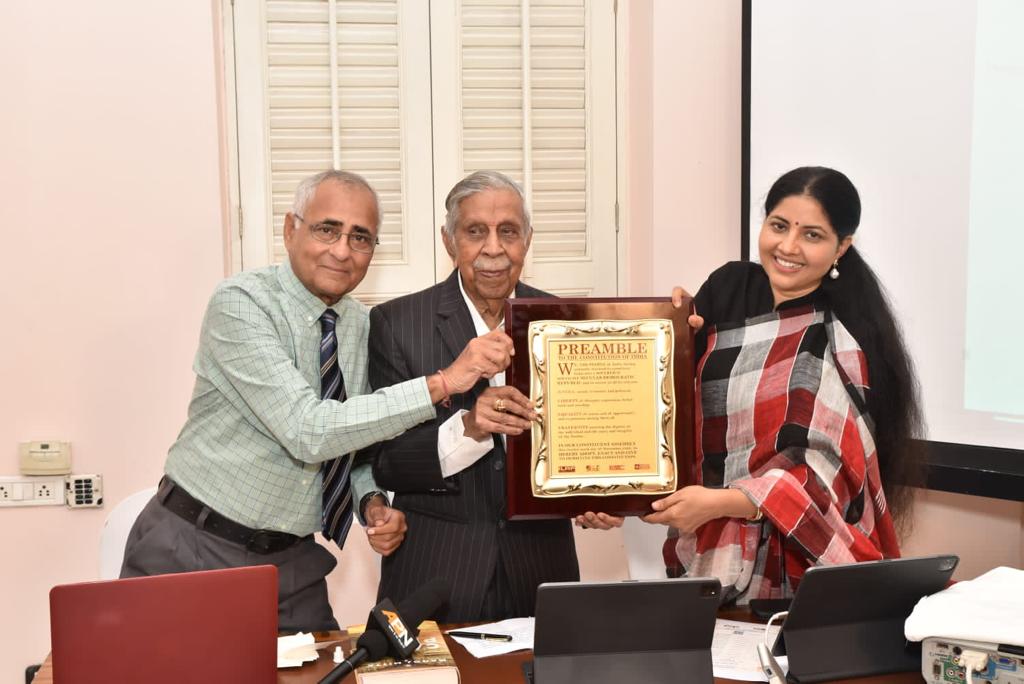
Talking about the app, he said it recently took up a case of around 10-15 people from Azamgarh, who had been declared dead on papers. The helpless people were running from pillar to post to prove themselves alive. The app successfully took up this case and managed to get justice for them.
The Senior Advocate quoted Father of the Nation Mahatma Gandhi, who said that people should make such efforts that should benefit the last man standing. He said the aim of the app was that no one should be left behind in getting access to justice due to lack of resources or other reasons.
Expressing happiness over the large number of lawyers, Advocates and students participating in the programme, Rai said starting from mediation to litigation, the app catered to all categories and provided a variety of services.
Rai advised people to first go for mediation and in case it did not work, they should consider filing a case.
Speaking on the occasion, Editor-in-Chief of India Legal, Inderjit Badhwar, said that in 2016, the ILRF conducted its first conclave, which was chaired by President Droupadi Murmu and the entire Jharkhand High Court attended the event.
Former IIM Bangalore Dean Prof Trilochan Shastry, while showering praises on the India Legal team, especially its Managing Director Rajshri Rai for the novel initiative, said he was not very knowledgeable on legal issues, but would like to extend all possible help for the app.
He said he would like to engage with Rajshri Rai’s team and help them in whatever way possible.
Stating that the future was in the hands of the youth, the former Dean suggested the team to recruit people in the age group of 35-45 years, since they had a rich experience of around 10-15 years and exude .
He hailed the app for providing the services in six languages, saying that majority of people in India could not avail legal aid since they did not know English and also due to various other reasons.
The first call on the app came from Meerut. An employee alleged that his Employer did not give him money. Justice Venkatachaliah directed him to file a case against the employer and to approach the High Court.
Attorney General R. Venkataramani, Solicitor General Tushar Mehta, National Law University Delhi Vice Chancellor Prof (Dr) GS Bajpai and Supreme Court Advocates-on-Record Association President Manoj K. Mishra took part in the webinar.
The India Legal App is a path-breaking legal helpline that allows every citizen of India to access high calibre legal help from the safety of her/his home at the touch of a button.
It intends to change the way legal aid is made available to the people. It gives ease of access, as a person can have a jargon-free discussion on complex matters with lawyers.
The complete assurance of privacy and easy payment methods is certain to make the legal experience of people very different from interminable hassles they may have heard about.
The app can be used in 6 Indian languages, including English, Hindi, Gujarati, Marathi, Bengali and Punjabi.
The app is also useful in times of distress as a person sensing trouble or threat can contact a legal ‘friend’ till the time the police arrives.
Lawyers associated with the India Legal App assure to help people 24×7, ready to guide them through extremely tough situations, wherever they are in the country.
The India Legal App is an embodiment of trust and faith. Any individual can install this app on their mobile and directly communicate with a lawyer.
Slowly, this facility will extend to even those without mobile phones. They can avail of this service through their nearest common service centres, or Jan Suvidha Kendra/Setu/e-Seva Kendra/Pragya Kendra.
The service will be available at a reasonable cost, which can then also be paid at that service centre.
The India Legal App services include:
Free legal advice over the phone.
Payment of a specified amount for legal advice through audio and video calls.
Payment of a specified amount for document preparation.
Payment of annual membership fees to receive legal services.
Additionally, the India Legal App provides legal information and related videos to ensure users of the India Legal App are well-informed about legal matters.
India Legal is a respected politico-legal weekly magazine (available both in print and online) in the country, with complete professional journalistic and expert inputs. Its readers include lawyers, law firms and those related to the judiciary and justice system.
The India Legal Research Foundation (ILRF) is a non-profit organisation equipped with senior lawyers and devoted to bring justice to those who deserve it, but cannot afford it. ILRF provides free legal aid to the deserving and people in need.





India News
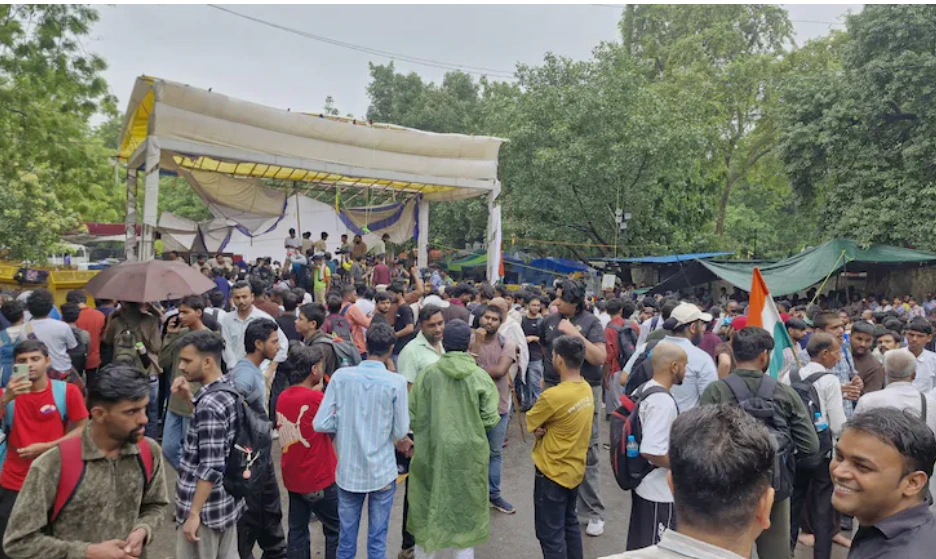
Delhi Police offers 11-person limit for CJP’s Connaught Place protest
Delhi Police has offered to facilitate a group of 11 people at Central Park in Connaught Place for the Cockroach Janata Party’s October 16 protest, while warning that violations of prohibitory orders could invite legal action.

India News
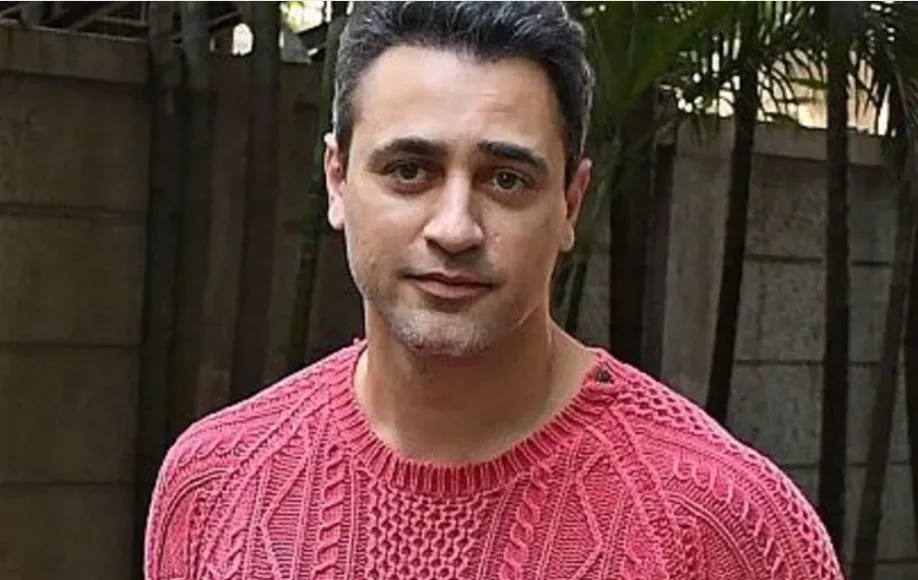
Actor Imran Khan asked to leave India after CJP protest
Actor Imran Khan has been asked to leave India by October 28, days after participating in a protest called by the Cockroach Janta Party (CJP) in Mumbai.
India News
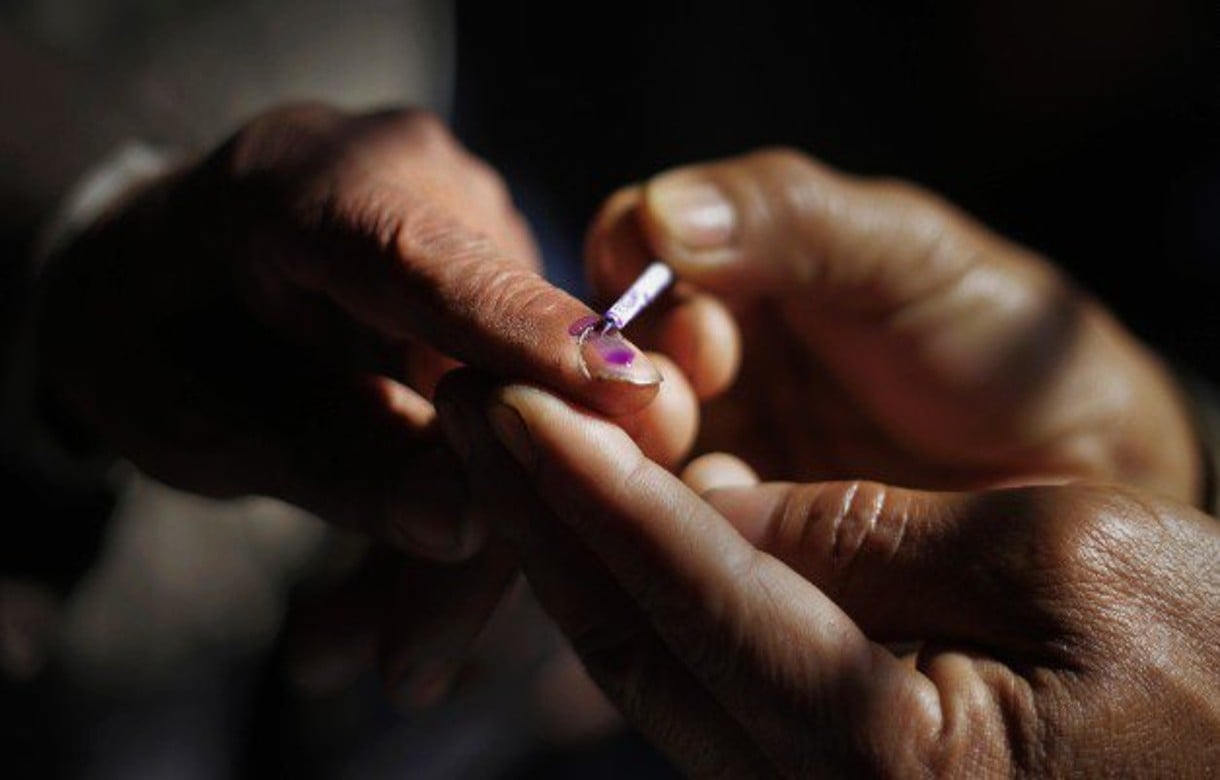
Election Commission orders voter roll revision in 17 states, UTs
The Election Commission has ordered a Special Summary Revision of electoral rolls in 17 states and Union Territories. Draft rolls are scheduled for November 12, with final rolls due on January 4, 2027.

Dhruv Rathee gets fresh summons in 2018 BJP IT cell video case

Nobody can browbeat judiciary, Chief Justice warns over Rahul Gandhi’s march

India-US trade deal first phase finalised, drafting underway

Election Commission orders voter roll revision in 17 states, UTs

Actor Imran Khan asked to leave India after CJP protest

Delhi Police offers 11-person limit for CJP’s Connaught Place protest
Actor Imran Khan asked to leave India after CJP protest
Election Commission orders voter roll revision in 17 states, UTs
India-US trade deal first phase finalised, drafting underway
Nobody can browbeat judiciary, Chief Justice warns over Rahul Gandhi’s march

Afghan Men Try To Hang With The Jet Engine Of The Aircraft in Kabul- Afghanistan News – Kabul News
Trending Top 10 News: 10000 Crore Fine on Flipkart, Apple to Launch Unique Feature, Hdfc Bank Job Ad

Trending Top 10 News: Nokia 6310, Apple sales, Bachpan ka Pyar Video Kid, Dainik Bhaskar IT Raid

Trending Top 10 News: Canada bans Indian flights, Rain in Delhi NCR, AIMIM Twitter hacked, Raj Kundra case

Trending Top 10 News: Shein India, Apple New Service, Pocket Oxygen, Oppo Launched New Phone
-
 India News13 hours ago
Dhruv Rathee gets fresh summons in 2018 BJP IT cell video case
-
 India News9 hours ago
Nobody can browbeat judiciary, Chief Justice warns over Rahul Gandhi’s march
-
 India News5 hours ago
India-US trade deal first phase finalised, drafting underway
-
 India News2 hours ago
Election Commission orders voter roll revision in 17 states, UTs
-
 India News2 hours ago
Actor Imran Khan asked to leave India after CJP protest
-
 India News1 hour ago
Delhi Police offers 11-person limit for CJP’s Connaught Place protest