India News
India Legal App launch gets wide media coverage, English, regional papers note feat
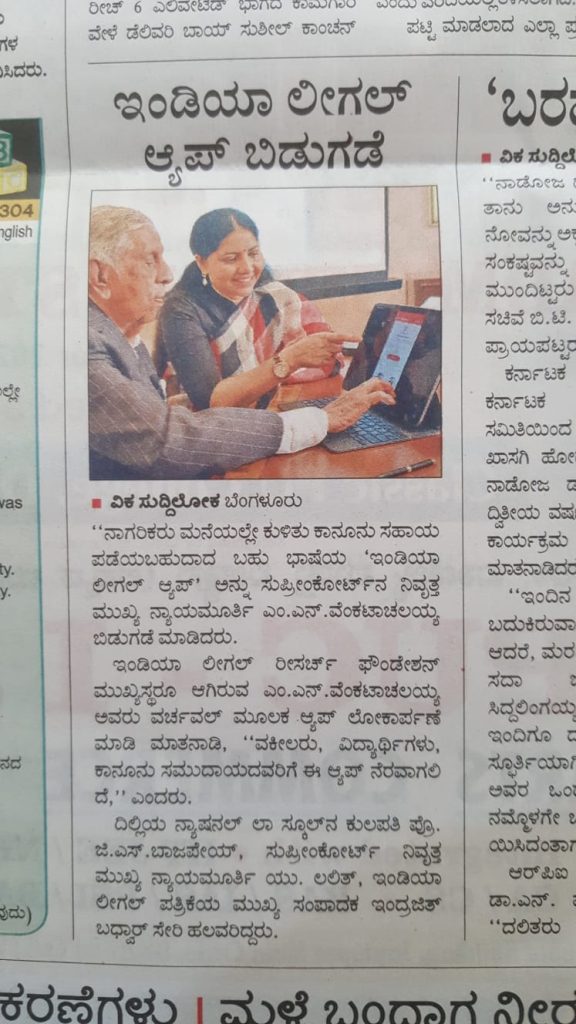
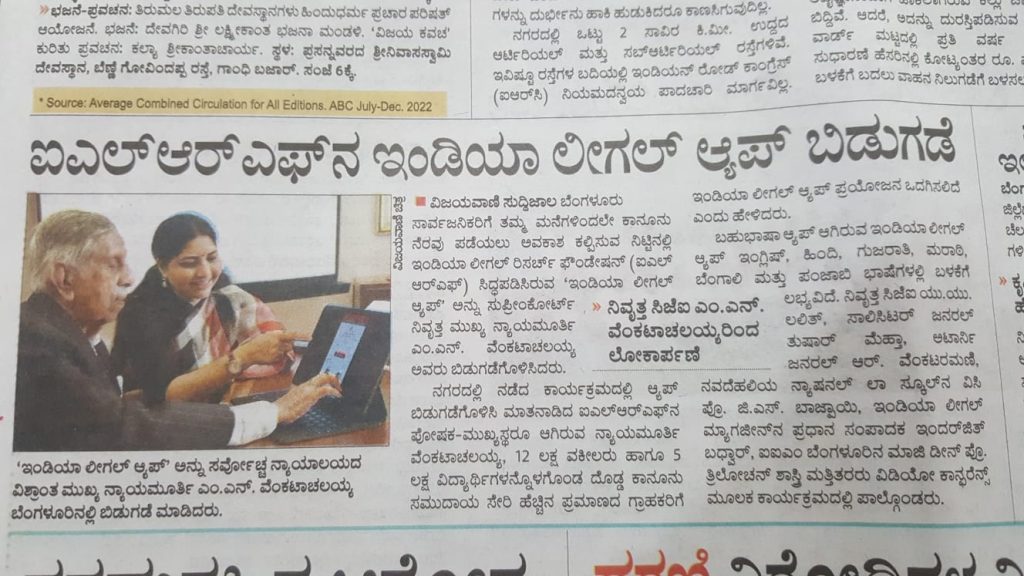
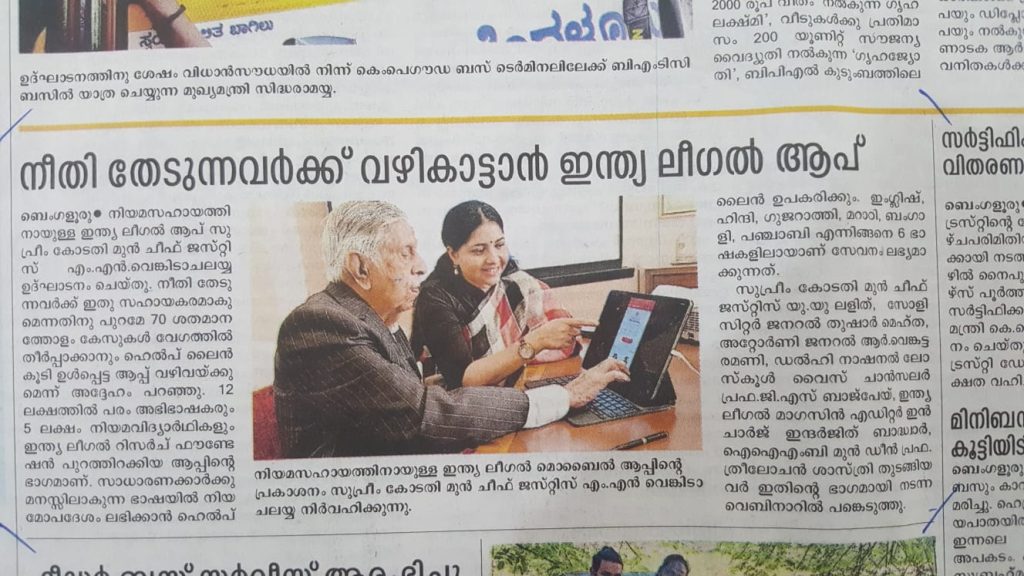
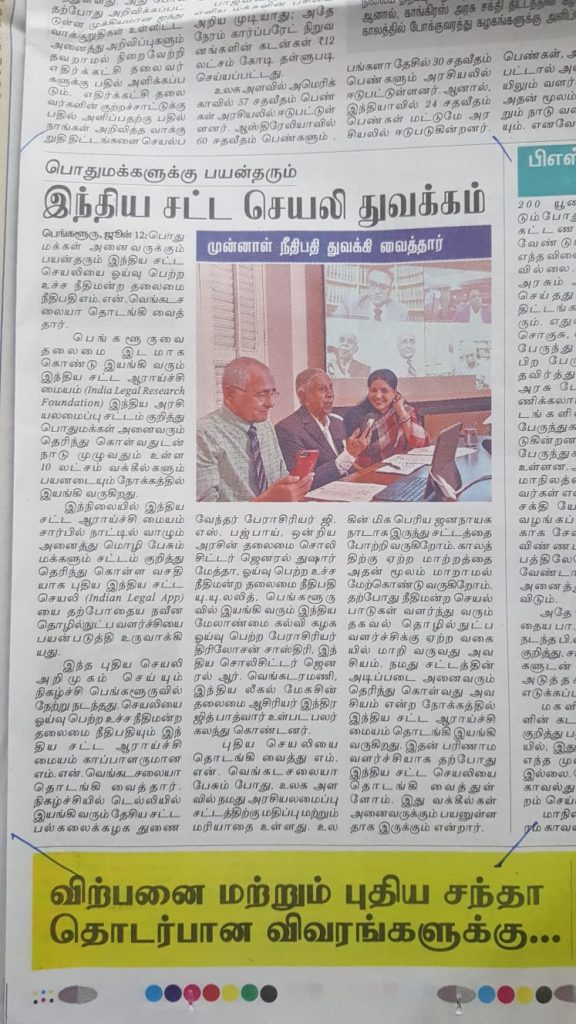
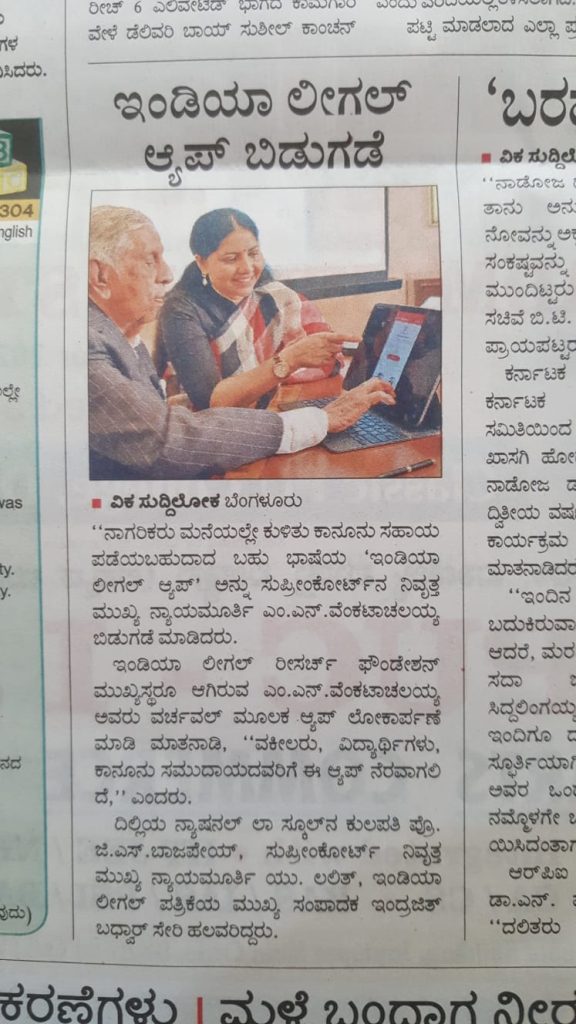
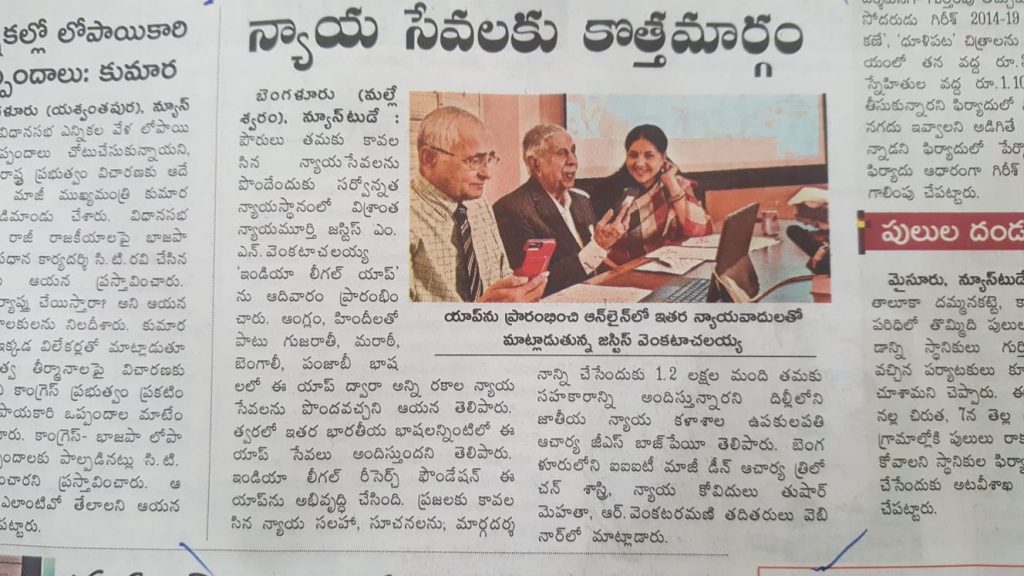
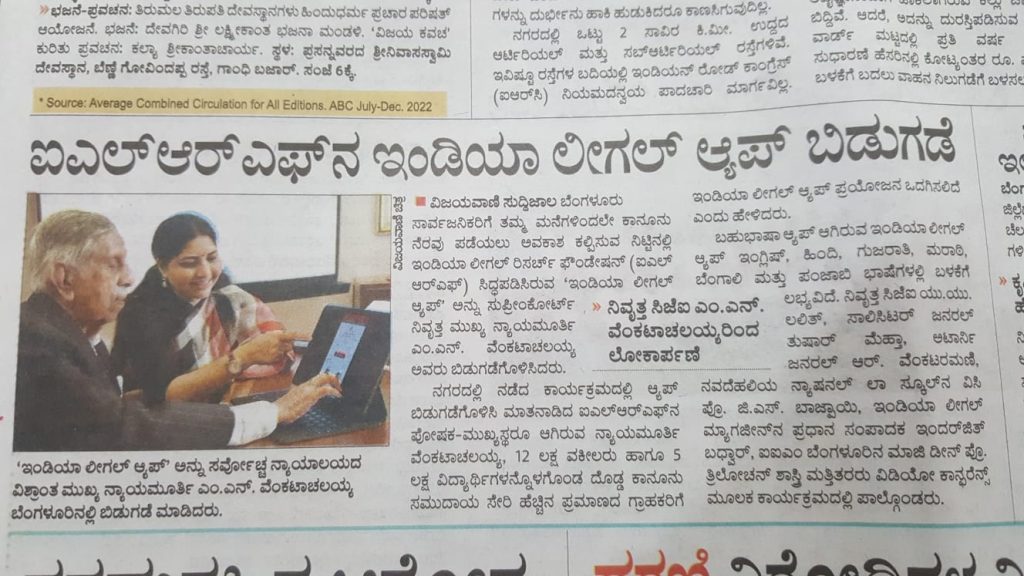
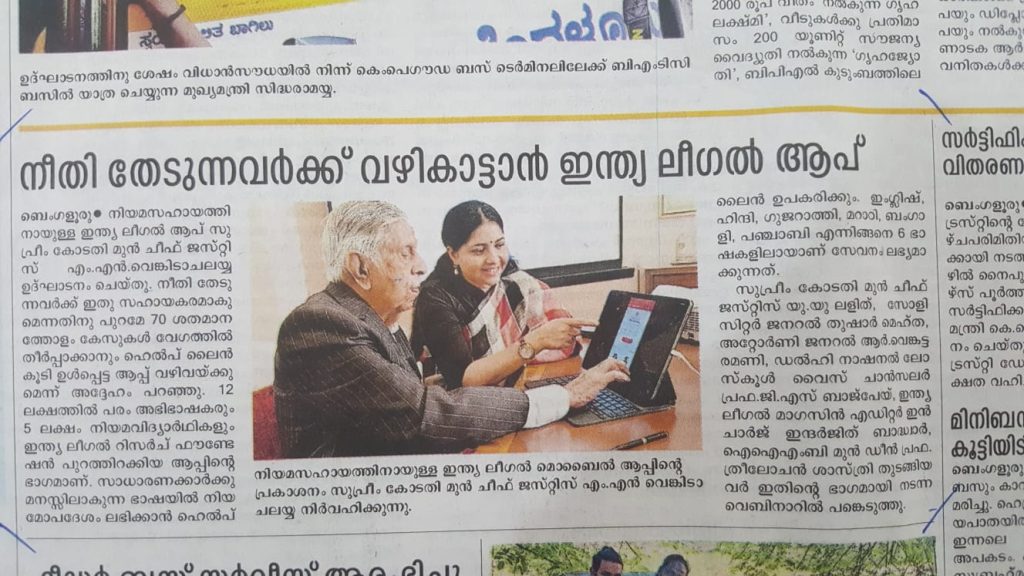
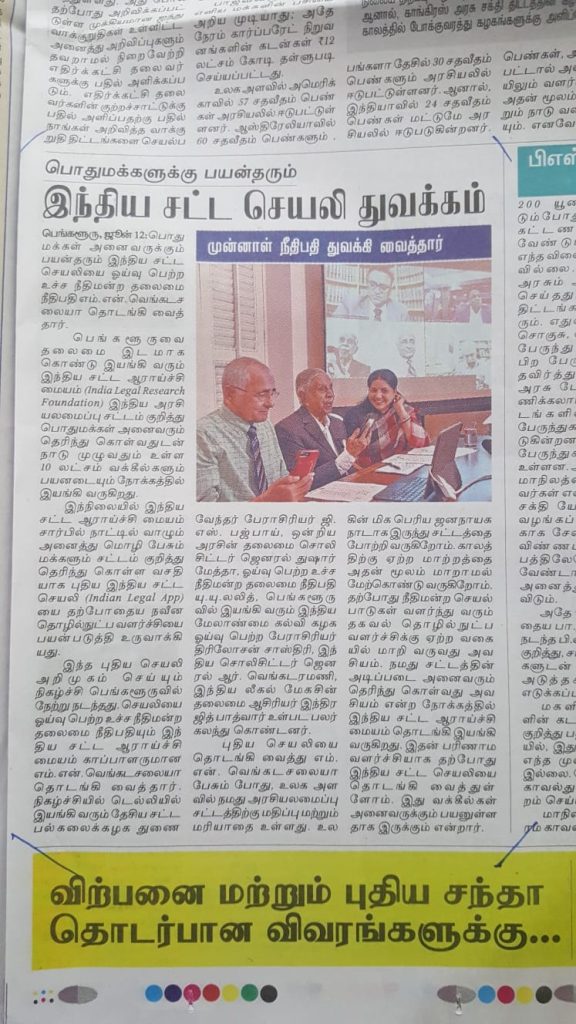
The India Legal App launch got wide coverage in regional languages too with several dailies carrying the news. Papers in Kannada, Telugu, Tamil and Malayalam carried the news item. It should be said here that the app currently comes accessible in 6 languages.

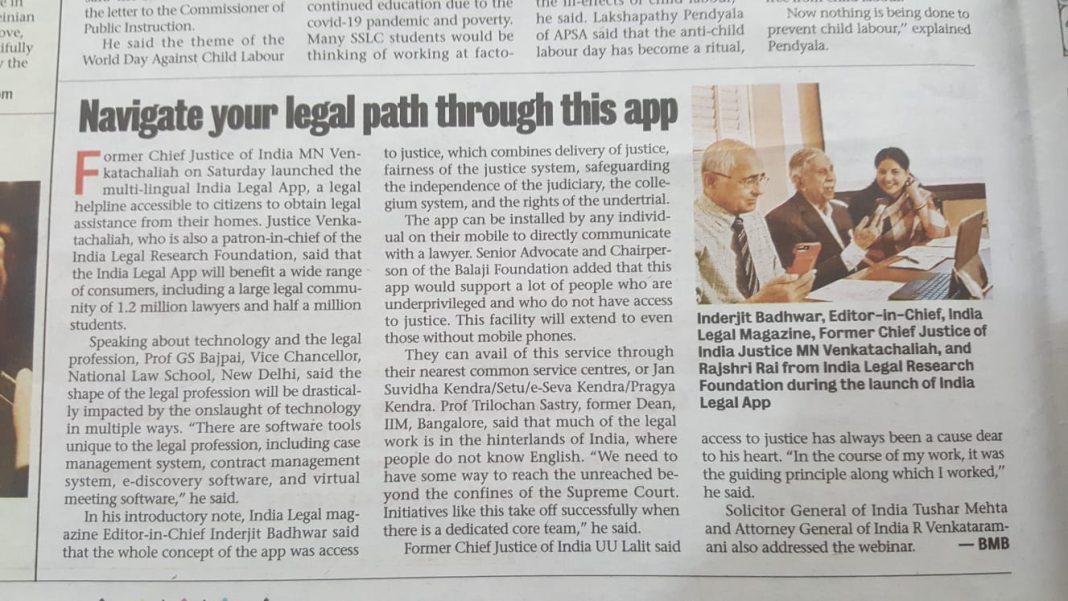
The multilingual India Legal App, which was launched on Saturday by former Chief Justice of India Justice M.N. Venkatachaliah in Bengaluru, got wide coverage in the media across languages as a large number of newspapers and news agencies covered the launch event.
While launching the app, the former CJI said it will not only cater to those seeking justice, but also help the large legal community, apart from reducing the caseload by disposing of around 70 percent new cases.
Attorney General R. Venkataramani, Solicitor General Tushar Mehta; National Law University, Delhi Vice Chancellor Prof (Dr) G.S. Bajpai; former IIM Bangalore Dean Prof Trilochan Sastry; Supreme Court Advocates-on-Record Association President Manoj K. Mishra; Senior Advocate and Chairman of India legal Research Foundation (ILRF) Pradeep Rai; Editor-in-Chief of APN and Managing Director of India Legal, Rajshri Rai and India Legal Editor-in-Chief Inderjit Badhwar attended the event.
The leading news agency of the country, Press Trust of India (PTI), carried the news with the headline:
Justice Venkatachaliah Launches App to Provide Legal Aid
ANI reported it thus:
Justice Venkatachaliah launches app to provide legal aid
Leading English daily Mid-Day said:
Justice Venkatachaliah Launches App to Provide Legal Aid
The Week said:
Justice Venkatachaliah Launches App to Provide Legal Aid – The Week
As per newsonline:
Justice Venkatachaliah Launches App to Provide Legal Aid
The Free Press Journal report said: New Delhi: India’s First Legal App Launched
Bangalore Mirror said: Navigate your legal path through this app
The New Indian Express said: India launches multi-lingual legal app for assistance from homes
The India Legal App launch got wide coverage in regional languages too with several dailies carrying the news. Papers in Kannada, Telugu, Tamil and Malayalam carried the news item. It should be said here that the app currently comes accessible in 6 languages.
The India Legal App is a path-breaking legal helpline that allows every citizen of India to access high calibre legal help from the safety of her/his home at the touch of a button.
It gives ease of access, as a person can have a jargon-free discussion on complex matters with lawyers.
The app is also useful in times of distress as a person sensing trouble or threat can contact a legal ‘friend’ till the time the police arrives.
Lawyers associated with the India Legal App assure to help people 24×7, ready to guide them through extremely tough situations, wherever they are in the country.
Slowly, this facility will extend to even those without mobile phones. They can avail of this service through their nearest common service centres, or Jan Suvidha Kendra/Setu/e-Seva Kendra/Pragya Kendra.
The service will be available at a reasonable cost, which can then also be paid at that service centre.
Additionally, the India Legal App provides legal information and related videos to ensure users of the India Legal App are well-informed about legal matters.





India News
Delhi Police offers 11-person limit for CJP’s Connaught Place protest
Delhi Police has offered to facilitate a group of 11 people at Central Park in Connaught Place for the Cockroach Janata Party’s October 16 protest, while warning that violations of prohibitory orders could invite legal action.


India News
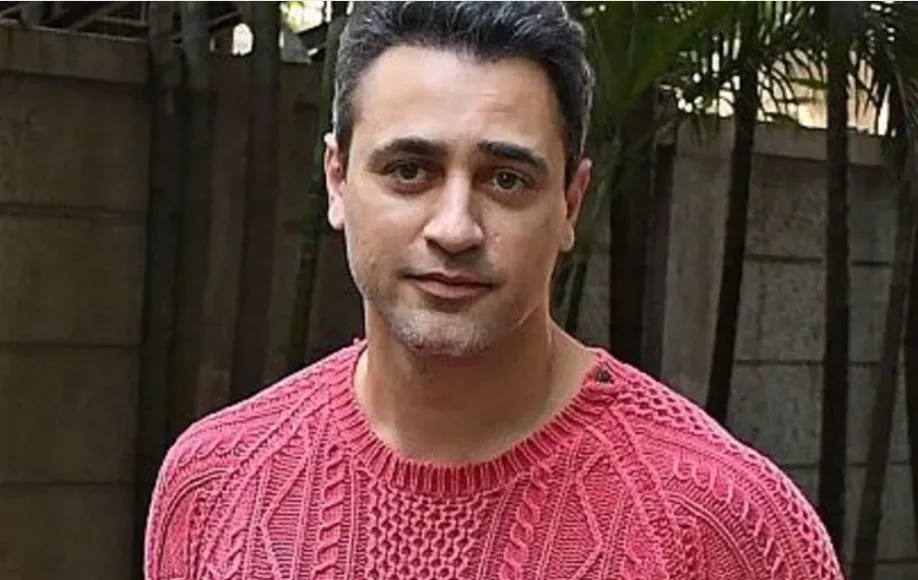
Actor Imran Khan asked to leave India after CJP protest
Actor Imran Khan has been asked to leave India by October 28, days after participating in a protest called by the Cockroach Janta Party (CJP) in Mumbai.
India News
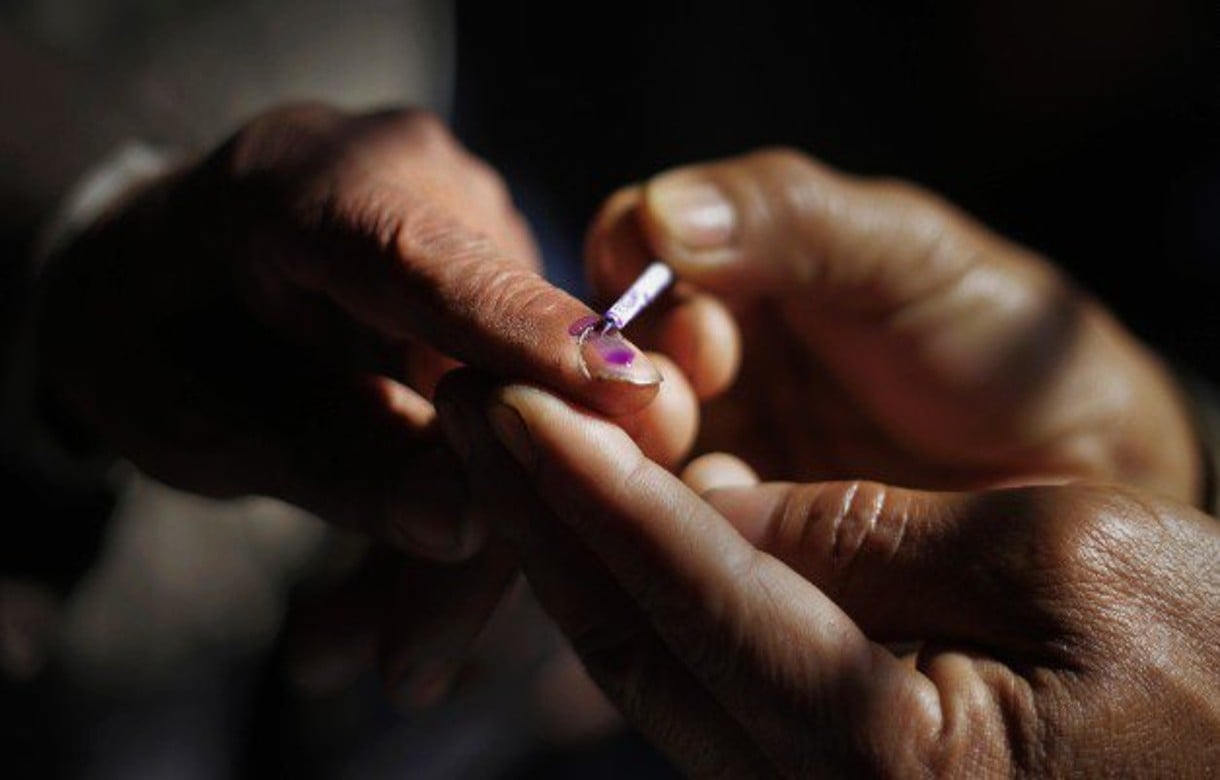
Election Commission orders voter roll revision in 17 states, UTs
The Election Commission has ordered a Special Summary Revision of electoral rolls in 17 states and Union Territories. Draft rolls are scheduled for November 12, with final rolls due on January 4, 2027.

Dhruv Rathee gets fresh summons in 2018 BJP IT cell video case

Nobody can browbeat judiciary, Chief Justice warns over Rahul Gandhi’s march

India-US trade deal first phase finalised, drafting underway

Election Commission orders voter roll revision in 17 states, UTs

Actor Imran Khan asked to leave India after CJP protest

Delhi Police offers 11-person limit for CJP’s Connaught Place protest
Actor Imran Khan asked to leave India after CJP protest
Election Commission orders voter roll revision in 17 states, UTs
India-US trade deal first phase finalised, drafting underway
Nobody can browbeat judiciary, Chief Justice warns over Rahul Gandhi’s march

Afghan Men Try To Hang With The Jet Engine Of The Aircraft in Kabul- Afghanistan News – Kabul News
Trending Top 10 News: 10000 Crore Fine on Flipkart, Apple to Launch Unique Feature, Hdfc Bank Job Ad

Trending Top 10 News: Nokia 6310, Apple sales, Bachpan ka Pyar Video Kid, Dainik Bhaskar IT Raid

Trending Top 10 News: Canada bans Indian flights, Rain in Delhi NCR, AIMIM Twitter hacked, Raj Kundra case

Trending Top 10 News: Shein India, Apple New Service, Pocket Oxygen, Oppo Launched New Phone
-
 India News13 hours ago
Dhruv Rathee gets fresh summons in 2018 BJP IT cell video case
-
 India News9 hours ago
Nobody can browbeat judiciary, Chief Justice warns over Rahul Gandhi’s march
-
 India News5 hours ago
India-US trade deal first phase finalised, drafting underway
-
 India News2 hours ago
Election Commission orders voter roll revision in 17 states, UTs
-
 India News2 hours ago
Actor Imran Khan asked to leave India after CJP protest
-
 India News1 hour ago
Delhi Police offers 11-person limit for CJP’s Connaught Place protest