
India News
Legal Leadership Conclave on Arbitration & Mediation: the need and the problems


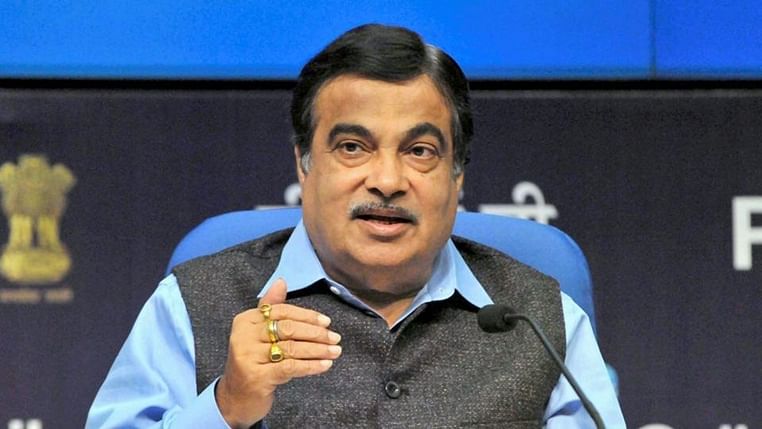
The Legal Leadership Conclave on Challenges & Future of Arbitration and Mediation in India with its stimulating and thought-provoking ideas and suggestions drew to a close with a valedictory address by former Chief Justice of India, Justice S Rajendra Babu. The highlight was a special address by Union Minister for Road Transport and Highways Nitin Gadkari.
Former union law secretary PK Malhotra also spoke briefly, observing that India is really heading to become a hub in Mediation. “Mediation is the future for settlement of disputes. The challenge is how best the implementation can be done,” he said.
Union Minister for Road Transport and Highways Nitin Gadkari, like previous speaker, also recalled Mahatma Gandhi’s quote: “I had learnt the true practice of law. I had learned to find out the better side of human nature and to enter man’s heart. I realized that the true function of a lawyer was to unite Parties riven as under. The lesson was so indelibly burnt into me.”
Citing real life examples from his own experience, Gadkari said, “As Transport Minister, I am facing many problems for delays because of land acquisition, forest clearance and banking problem – projects get delayed. That creates lots of complications for completing the projects… Then litigation starts.”
He said by itself “litigation is not the problem, but ‘Time’ is the most important factor; it takes years to resolve the issue.” The delays destroy contractors who never get justice and this is causing economic crisis in different fields in the country, Gadkari said.
He said there is need for independent, impartial, fair arbitration to settle all the disputes.
“I always say I like people who can get the things done. “That’s the reason, keeping in mind time factor, I request everyone to resolves issues keeping the time factor,” said Gadkari.
Addressing the practitioners of law, he said, “I feel that, in many litigations that are pending, your intervention as arbitrators will really resolve the issues and create wealth for the country.”
Former Chief Justice of India,S. RajandraBabu referred to the grand old days when not a single dispute went to courtsand matters were settled through mediation or arbitration between disputants locally.
Moving on to talk of some problems that have crept into the process of mediation and arbitration in India, he said that Arbitration was originally was supposed to settle issues in 4 months. Then, he said, “some judges dragged on some cases even to four years in recent instances.”
He said that the sole purpose of alternative dispute resolution or Arbitration – whateverthe name may be –is to reduce the time, reduce the cost. It has to be time efficient, cost efficient. However, he said, “In personal experience, in Arbitration, both the purposes were not fulfilled.”
He remarked on the trend of retired judges being appointed as arbitrators to say that is “one thing to be taken care of”.
Finally, he said efficiency of Arbitration depends on the people involved – the parties, the representatives, and the arbitrators themselves. While Arbitration is not expensive, the behaviour of the people involved can make it expensive and inefficient, he said.The flexibility in Arbitration can thus be a blessing or a curse.
Editor-in-Chief, India Legal magazine, InderjitBhadwar congratulated all speakers at the conclave for their engrossing observations. “We had Star power in keeping the audience till the last minute,” he remarked.
Thanking all honoured guests, who participated fully in spirit of mediation and Arbitration, he said, “We must sit together and reason together, which is ultimately, the only way out of conflict.”





India News
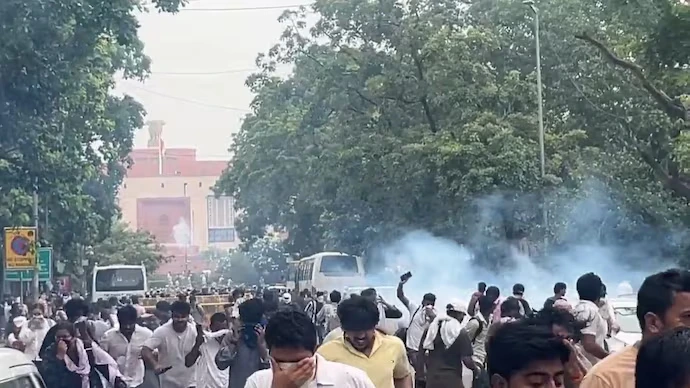
Delhi deploys 25,000 personnel, installs CCTV cameras ahead of CJP march
More than 25,000 police and paramilitary personnel have been deployed in Delhi ahead of the CJP’s planned protest march at Connaught Place. Authorities have also imposed restrictions and stepped up CCTV surveillance.

India News
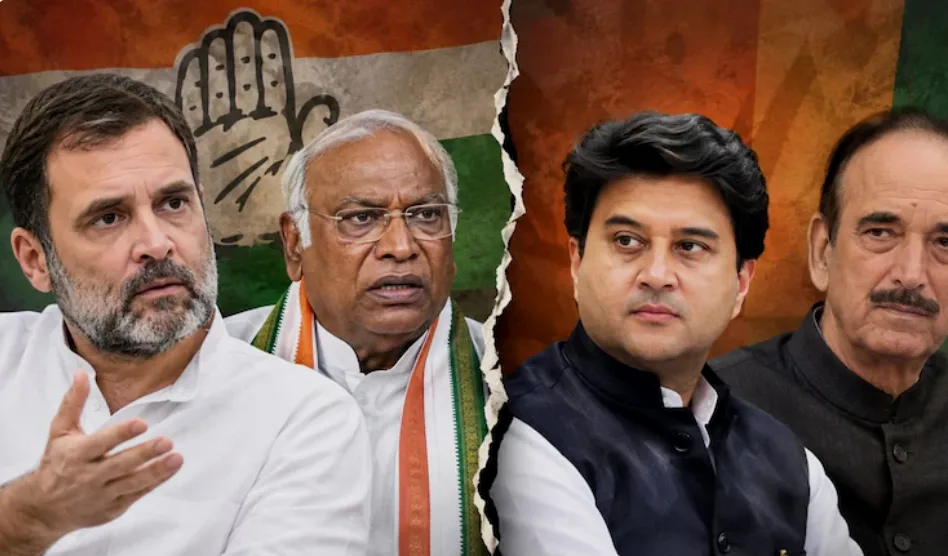
Mallikarjun Kharge’s ‘Your Friends’ jab at Rahul Gandhi over congress exits
Congress president Mallikarjun Kharge took a dig at Rahul Gandhi after the Leader of the Opposition reportedly described former party leaders Jyotiraditya Scindia and Ghulam Nabi Azad as among those who had left the Congress.
India News
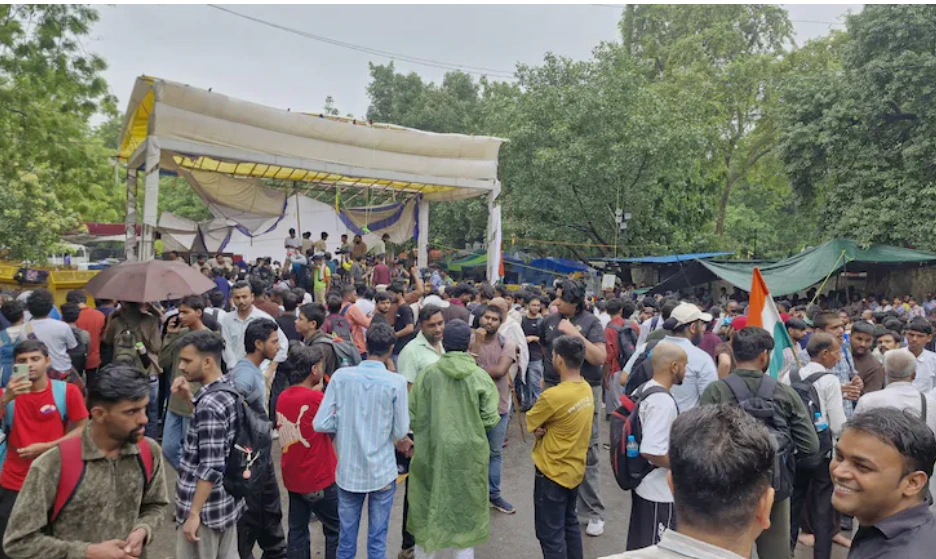
Delhi Police offers 11-person limit for CJP’s Connaught Place protest
Delhi Police has offered to facilitate a group of 11 people at Central Park in Connaught Place for the Cockroach Janata Party’s October 16 protest, while warning that violations of prohibitory orders could invite legal action.

India-US trade deal first phase finalised, drafting underway

Election Commission orders voter roll revision in 17 states, UTs

Delhi Police offers 11-person limit for CJP’s Connaught Place protest

Actor Imran Khan asked to leave India after CJP protest

Mallikarjun Kharge’s ‘Your Friends’ jab at Rahul Gandhi over congress exits

Magnitude 7 earthquake strikes Russia’s Kamchatka Peninsula

Delhi deploys 25,000 personnel, installs CCTV cameras ahead of CJP march
Mallikarjun Kharge’s ‘Your Friends’ jab at Rahul Gandhi over congress exits
Delhi Police offers 11-person limit for CJP’s Connaught Place protest
Actor Imran Khan asked to leave India after CJP protest

Afghan Men Try To Hang With The Jet Engine Of The Aircraft in Kabul- Afghanistan News – Kabul News
Trending Top 10 News: 10000 Crore Fine on Flipkart, Apple to Launch Unique Feature, Hdfc Bank Job Ad

Trending Top 10 News: Nokia 6310, Apple sales, Bachpan ka Pyar Video Kid, Dainik Bhaskar IT Raid

Trending Top 10 News: Canada bans Indian flights, Rain in Delhi NCR, AIMIM Twitter hacked, Raj Kundra case

Trending Top 10 News: Shein India, Apple New Service, Pocket Oxygen, Oppo Launched New Phone
-
 India News24 hours ago
India-US trade deal first phase finalised, drafting underway
-
 India News22 hours ago
Election Commission orders voter roll revision in 17 states, UTs
-
 India News20 hours ago
Delhi Police offers 11-person limit for CJP’s Connaught Place protest
-
 India News21 hours ago
Actor Imran Khan asked to leave India after CJP protest
-
 India News9 hours ago
Mallikarjun Kharge’s ‘Your Friends’ jab at Rahul Gandhi over congress exits
-
 India News8 hours ago
Delhi deploys 25,000 personnel, installs CCTV cameras ahead of CJP march
-
 Latest world news8 hours ago
Magnitude 7 earthquake strikes Russia’s Kamchatka Peninsula
