
India News
India summons Pakistan Deputy High Commissioner


Protest lodged on preventing India’s High Commissioner’s visit to meet Sikh devotees
India has conveyed to Pakistan that preventing Indian High Commissioner Ajay Bisaria and other officials entering Punja Sahib Gurudwara was in violation of the Vienna Convention on Diplomatic Relations of 1961, and the 1974 bilateral protocol on visit to religious shrines.
Indian High commissioner in Pakistan Ajay Bisaria and his wife were prevented from entering Gurdwara Panja Sahib to meet Indian pilgrims on Saturday, which led India to lodge a protest.
Pakistan’s deputy high commissioner in New Delhi Syed Haider Shah was summoned by the Indian foreign ministry on Saturday to register a protest. India has also warned Islamabad against fanning the Khalistan secessionist movement.
The Bisaria couple and Indian officials were forced to return from the shrine despite having obtained all necessary permissions from Pakistan’s foreign ministry.
 This is the second time Indian officials have been prevented from meeting pilgrims from India, the last being on April 14, when Indian pilgrims were visiting for Baisakhi.
According to a Press release issued by Ministry of External Affairs on Saturday, “The Deputy High Commissioner of Pakistan was summoned today and a strong protest was lodged at the denial of access to the Indian High Commissioner and consular officials of the Indian High Commission to visit Gurdwara Panja Sahib and meet the Indian pilgrims despite a travel permission having been granted by the Ministry of Foreign Affairs of Pakistan. A strong protest was also registered by the Indian High Commission in Islamabad at the incident”.
The press release further said, “Concerns have also been conveyed at repeated attempts by entities in Pakistan to extend support to secessionist movements in India and incite the Indian pilgrims, and Pakistan authorities asked to ensure that no such activity is carried out from Pakistan soil.”
India has conveyed to Pakistan that its officials had been prevented from carrying out their consular duties. According to Indian officials, Pakistan prevents such meetings to allow its agencies the opportunity to try and brainwash pilgrims into supporting the Khalistan movement.
Also Read: Pak reject allegation of blocking access to Sikh pilgrims
However, the Pakistan foreign ministry spokesperson claimed in a tweet that Bisaria was informed about what he described as heightened pilgrim sentiments against India and that concern over the same had led the Indian high commissioner to cancel his visit. “Sikh pilgrims were protesting against their maltreatment in India and release of controversial movies,” the spokesperson said.
In April this year, an India widow had broken from the delegation to go to Lahore where she was reportedly converted to Islam and married a Pakistani citizen . She left three children behind in India.







India News
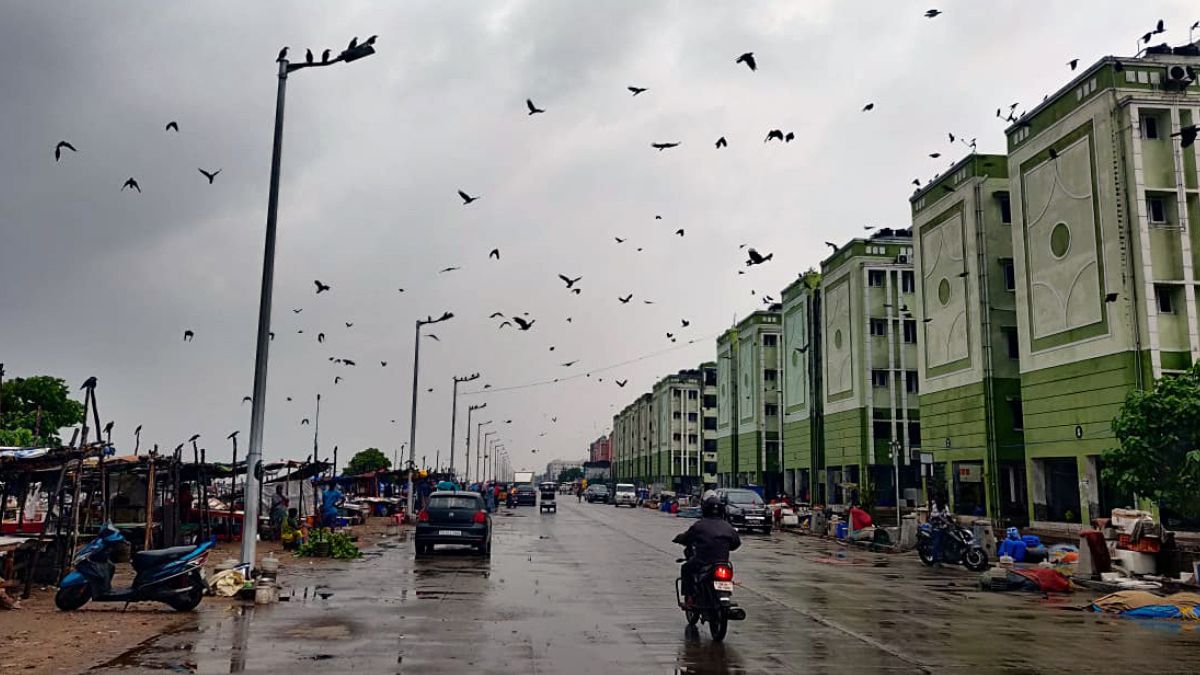
Late-March western disturbance brings 1,000-km rain band across India, Pakistan and Afghanistan
An unusual western disturbance has created a 1,000-km rain band, bringing widespread storms, rainfall and hail across parts of India and neighbouring countries.

India News
Mamata Banerjee slams poll body over officials’ transfer, calls move unprecedented
Mamata Banerjee has criticised the Election Commission for transferring senior officials ahead of West Bengal elections, alleging bias and procedural overreach.

India News
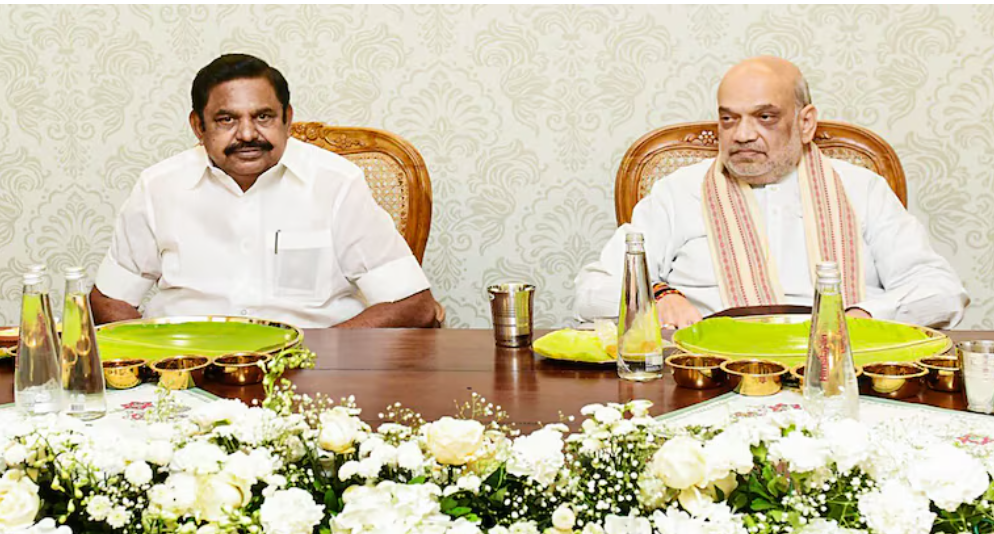
AIADMK-BJP seat-sharing talks to be finalised soon, says Edappadi K Palaniswami after Amit Shah meet
AIADMK chief Edappadi K Palaniswami says seat-sharing talks with BJP are in final stages and will conclude within days ahead of Tamil Nadu 2026 elections.

Mamata Banerjee slams poll body over officials’ transfer, calls move unprecedented

PM Modi speaks to Qatar, France, Jordan, Oman and Malaysia leaders on Middle East tensions

Oppo K14 5G launched in India with 7000mAh battery, starts at Rs 17,999

AIADMK-BJP seat-sharing talks to be finalised soon, says Edappadi K Palaniswami after Amit Shah meet

Late-March western disturbance brings 1,000-km rain band across India, Pakistan and Afghanistan

Eid Mubarak 2026 wishes and greetings highlight joy and togetherness

Bangladesh envoy meets S Jaishankar, Dhaka foreign minister may visit India in April
Late-March western disturbance brings 1,000-km rain band across India, Pakistan and Afghanistan
Oppo K14 5G launched in India with 7000mAh battery, starts at Rs 17,999
Mamata Banerjee slams poll body over officials’ transfer, calls move unprecedented

Afghan Men Try To Hang With The Jet Engine Of The Aircraft in Kabul- Afghanistan News – Kabul News
Trending Top 10 News: 10000 Crore Fine on Flipkart, Apple to Launch Unique Feature, Hdfc Bank Job Ad

Trending Top 10 News: Nokia 6310, Apple sales, Bachpan ka Pyar Video Kid, Dainik Bhaskar IT Raid

Trending Top 10 News: Canada bans Indian flights, Rain in Delhi NCR, AIMIM Twitter hacked, Raj Kundra case

Trending Top 10 News: Shein India, Apple New Service, Pocket Oxygen, Oppo Launched New Phone
-
 India News13 hours ago
Mamata Banerjee slams poll body over officials’ transfer, calls move unprecedented
-
 Latest world news14 hours ago
PM Modi speaks to Qatar, France, Jordan, Oman and Malaysia leaders on Middle East tensions
-
 Gadgets13 hours ago
Oppo K14 5G launched in India with 7000mAh battery, starts at Rs 17,999
-
 India News14 hours ago
AIADMK-BJP seat-sharing talks to be finalised soon, says Edappadi K Palaniswami after Amit Shah meet
-
 India News8 hours ago
Late-March western disturbance brings 1,000-km rain band across India, Pakistan and Afghanistan
-
 Latest world news3 hours ago
Bangladesh envoy meets S Jaishankar, Dhaka foreign minister may visit India in April
-
 Festivals3 hours ago
Eid Mubarak 2026 wishes and greetings highlight joy and togetherness
