
India News
Indian bureaucrat’s family offloaded by British Airways


Strict action against BA staff demanded
India’s senior bureaucrat A.P. Pathak and his family were allegedly deplaned by British Airway last month when a senior bureaucrat along with his family was travelling from London to Berlin at the last minute because his three-year old son was crying onboard. The officer has demanded a thorough investigation and strictest possible action against the British Airways staff.
According to agency report, the official who is serving as a joint secretary-level officer in the Ministry of Road Transport and Highways, has written to Civil Aviation Minister Suresh Prabhu on August 3 and alleged “racial discrimination” and “rude behaviour” by the British Airways, saying that another Indian family, sitting behind them, was also offloaded as they offered biscuits to the child to console him.
The official said that while his wife managed to calm their son, an “aggrieved” crew member approached them and started scolding the boy, asking him to get back to his seat. The boy had a window seat, but the mother had taken him into her arms to console him.
 “With this unusual behaviour of the male crew member, my son got terrified and started crying intensively. My wife again put the boy on his designated seat and fastened the seat-belt, even though he kept on crying intensively being in a terrified state of mind due to the scolding by the male crew member,” the officer wrote to Prabhu.
The senior bureaucrat alleged that when the plane started moving towards the runway, the crew member came back, shouting, “You bloody keep quite, otherwise you would be thrown out of the window.”
According to the bureaucrat the incident happened on July 23 when British Airways crew got the plane (BA 8495) to return to the tarmac, where the security personnel took their boarding passes away. The customer care service manager did not explain any reason for offloading and management took no action against the crew despite lodging a complaint.
The offloaded family was not given any alternate booking or accommodation. “We had to make our own arrangements for staying and travelling to Berlin the next day by paying a very hefty amount,” he said. The other offloaded Indian family was given tickets for a flight the next day.
Meanwhile a British Airways spokesperson has reportedly said, “We take such claims very seriously and do not tolerate discrimination of any kind. We have started a full investigation and are in contact with the customer.”


India News
Centre sends 3 letters to Punjab government after anti-drug activist’s killing
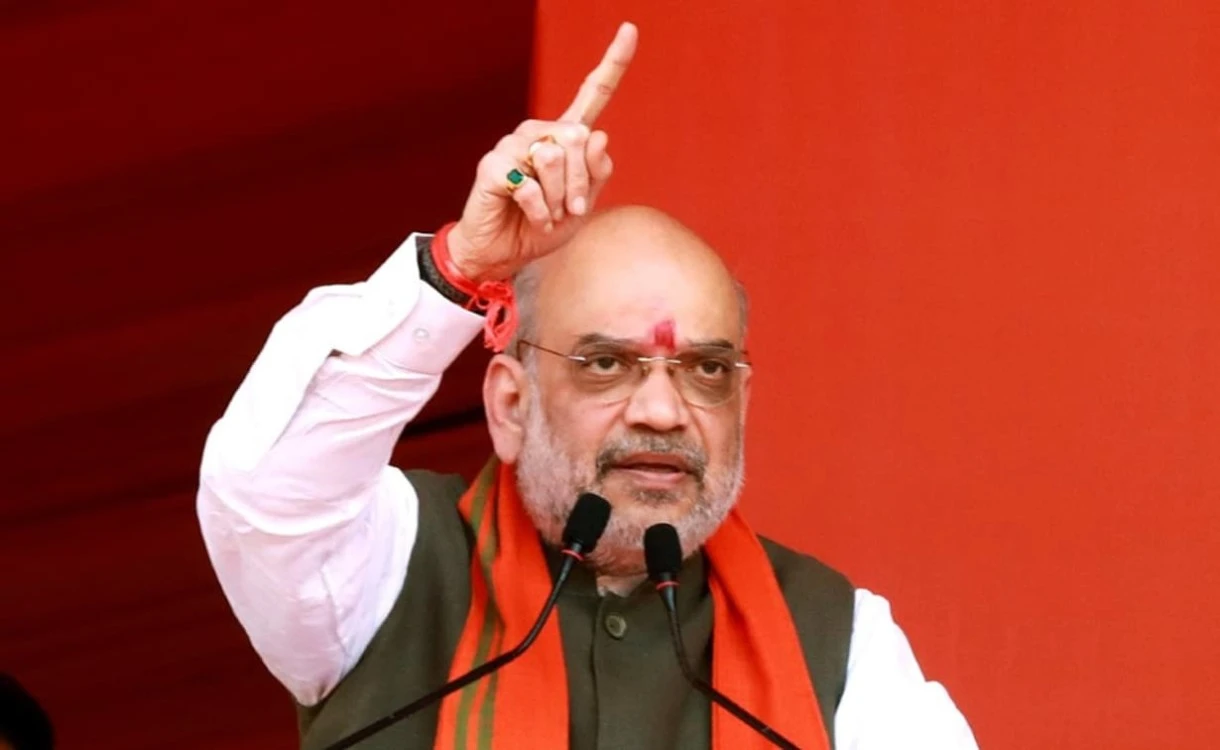
The Centre has sought reports from the Punjab government on three incidents linked to allegations surrounding drug-related activities, including the killing of anti-drug activist Parvinder Singh Jhota.

India News
Mallikarjun Kharge seeks all-party meeting with PM Modi on delimitation
Congress president Mallikarjun Kharge has written to Prime Minister Narendra Modi for the fourth time, seeking an all-party meeting on delimitation. He also flagged the 64-day delay in proroguing Parliament’s Monsoon Session.

India News
Abhijeet Dipke detained ahead of CJP’s national flag march in Delhi
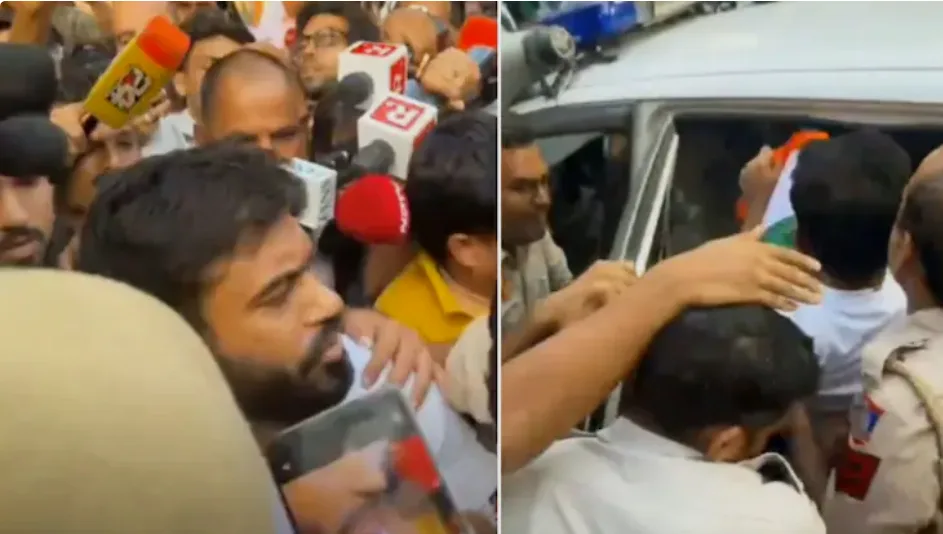
Cockroach Janta Party founder Abhijeet Dipke was detained by Delhi Police on October 16, 2026, shortly before a planned national flag march. The proposed rally followed the judicial custody of two CJP members who had waved the Tricolour at Jantar Mantar.

Mallikarjun Kharge’s ‘Your Friends’ jab at Rahul Gandhi over congress exits

Magnitude 7 earthquake strikes Russia’s Kamchatka Peninsula

Delhi deploys 25,000 personnel, installs CCTV cameras ahead of CJP march

Abhijeet Dipke detained ahead of CJP’s national flag march in Delhi

Mallikarjun Kharge seeks all-party meeting with PM Modi on delimitation

Centre sends 3 letters to Punjab government after anti-drug activist’s killing
Mallikarjun Kharge seeks all-party meeting with PM Modi on delimitation
Abhijeet Dipke detained ahead of CJP’s national flag march in Delhi
Magnitude 7 earthquake strikes Russia’s Kamchatka Peninsula
Delhi deploys 25,000 personnel, installs CCTV cameras ahead of CJP march

Afghan Men Try To Hang With The Jet Engine Of The Aircraft in Kabul- Afghanistan News – Kabul News
Trending Top 10 News: 10000 Crore Fine on Flipkart, Apple to Launch Unique Feature, Hdfc Bank Job Ad

Trending Top 10 News: Nokia 6310, Apple sales, Bachpan ka Pyar Video Kid, Dainik Bhaskar IT Raid

Trending Top 10 News: Canada bans Indian flights, Rain in Delhi NCR, AIMIM Twitter hacked, Raj Kundra case

Trending Top 10 News: Shein India, Apple New Service, Pocket Oxygen, Oppo Launched New Phone
-
 India News17 hours ago
Mallikarjun Kharge’s ‘Your Friends’ jab at Rahul Gandhi over congress exits
-
 Latest world news16 hours ago
Magnitude 7 earthquake strikes Russia’s Kamchatka Peninsula
-
 India News17 hours ago
Delhi deploys 25,000 personnel, installs CCTV cameras ahead of CJP march
-
 India News7 hours ago
Abhijeet Dipke detained ahead of CJP’s national flag march in Delhi
-
 India News6 hours ago
Mallikarjun Kharge seeks all-party meeting with PM Modi on delimitation
-
 India News5 hours ago
Centre sends 3 letters to Punjab government after anti-drug activist’s killing
