
India News
Iraq’s PM: Burning of election warehouse, a plot against democracy


The controversy over Iraq’s parliamentary election results has deepened further after burning of a warehouse where ballot boxes were kept in Baghdad on Sunday. Prime Minister Haider al-Abadi, whose coalition stood third in the recent elections,hassaid that burning of the warehouse was part of a plot to sabotage the country’s democratic process.
According to Al-Jazeera, Prime Minister’s comments were the most high-profile indication that the fire in the Iraqi capital was deliberate.”Burning election warehouses … is a plot to harm the nation and its democracy. We will take all necessary measures and strike with an iron fist all who undermine the security of the nation and its citizens,” he added.
Prior to his remarks, Salim al-Jabouri, the outgoing parliament speaker said that the fire was intentional and called for a repeat of the election.
Read More: Iraq: Muqtada Sadr wins highest Parliament seats
The statement issued by Jabouri said, “The crime of burning ballot box storage warehouses in the Rusafa area is a deliberate act, a planned crime, aimed at hiding instances of fraud and manipulation of votes, lying to the Iraqi people and changing their will and choices. We call for the election to be repeated.”

He also called for those responsible to be brought to justice by the security forces.Jabouri has lost his seat in the recent elections.
Moreover, Kazem al-Shammari, a spokesman for the Sunni Wataniya alliance, which won 21 seats in the recent elections, was quoted by London based al-Araby al-Jadeed, as saying that “there was no such incident in all previous election cycles, and the fire coincides with the decision to manually re-count the ballot boxes.This indicates a lot of manipulation and forgery, so the forgers sought to hide the crime by burning the boxes.”
Read More: Iraq audits EVMs, orders manual vote count
Adel Nouri, a member of the Iraqi Parliamentary Integrity Commission has also alleged that the ballot boxes were deliberately set on fire. He was quoted saying, “The criminals manipulated the results of the elections because they know that the results that were announced are not true, so they burned the ballot boxes.This crime is not an ordinary crime and not a passing incident, but a major crime and a great betrayal of the country.”
He called on al-Abadi and the responsible authorities to “open an urgent investigation to catch the perpetrators and determine the cause, so as to know who had committed this crime”.
After allegations of fraud during the May 12 elections parliament has passed a resolution for a recount of 11 million votes last week. The outgoing parliament also called for the Independent High Elections Commission’s leadership to be replaced by nine judges.
The cause of dubious fire accident was not immediately known but a local official said that boxes, part of a manual recount of votes from the al-Rusafa district in eastern Baghdad, had all been scorched.
Read More: Iraq votes for Parliament in first elections after IS defeat
Mohammed al-Rabeei, a Baghdad province council member, said,”I can tell you all the boxes and papers have burned,”
However, an interior ministry spokesman Major General SaadMaansaid that the fire had destroyed some documents and equipment but first responders on the site were trying to prevent it from spreading to ballot boxes.The warehouse is one of four at the site and contained documents and electronic equipment.
He further said, “It is possible there were also some ballot boxes in the warehouse that caught fire, but most of the important boxes are in the three warehouses where the fire has been controlled.”
Everybody was surprised when Muqtada Sadr ledSairoon coalition came first in last month’s vote, winning 54 out of 328 seats.The Conquest Alliance, led by former transport minister and secretary general of BadrOrganisationHadi al-Ameri, came in second with 47 seats while Victory Alliance, headed by incumbent Prime Minister Haider al- Abadi, could achieve the third place with 42 seats.
Former PM Nouri al-Maliki headed State of Law Coalition has won 26 seats, Nechervanbarezani led Kurdistan Democratic Party-25, Ammar al-Hakim led National wisdom Movement, also known as Al-Muwatin- 19, AyadAllawi led Iraqi National Accord (Al-Wataniya)- 22, KosratRasul Ali, Patriotic Union of Kurdistan got 18 and Usama al-Nujayfi could get 14 seats in the Iraqi parliament.
According to intelligence services, however, tests of electronic voting machines – used for the first time in Iraqi elections – produced varied results, appearing to give credence to the fraud claims.
Negotiations over the formation of a new government are expected to drag on for months as no alliance won the 165 seats required for an outright majority. In the past, similar talks lasted up to nine months.Until a new prime minister is elected, incumbent PM Haider al-Abadi will remain in office.


India News
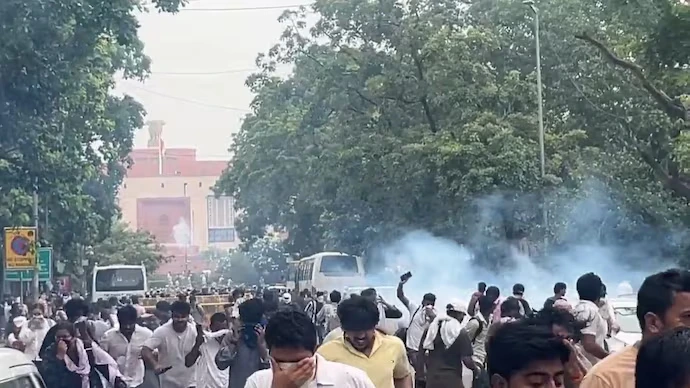
Delhi deploys 25,000 personnel, installs CCTV cameras ahead of CJP march
More than 25,000 police and paramilitary personnel have been deployed in Delhi ahead of the CJP’s planned protest march at Connaught Place. Authorities have also imposed restrictions and stepped up CCTV surveillance.

India News
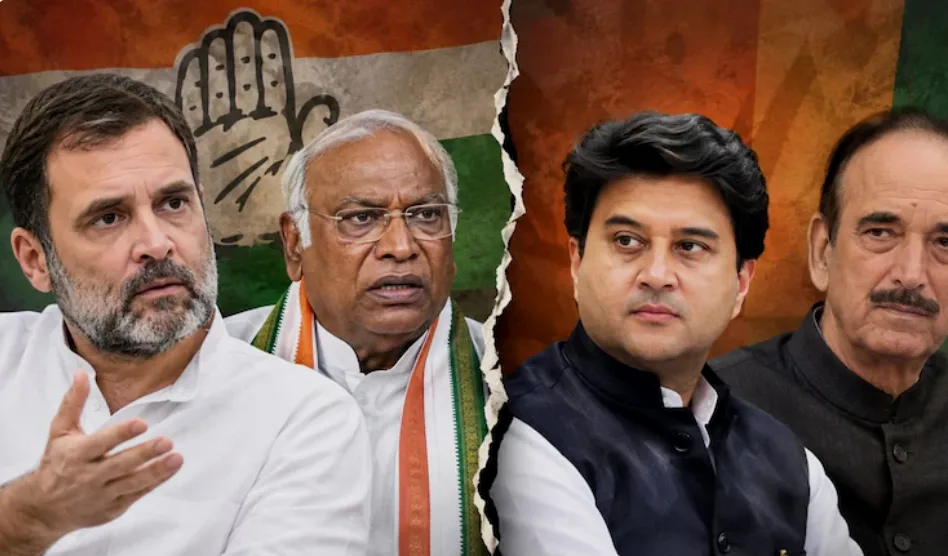
Mallikarjun Kharge’s ‘Your Friends’ jab at Rahul Gandhi over congress exits
Congress president Mallikarjun Kharge took a dig at Rahul Gandhi after the Leader of the Opposition reportedly described former party leaders Jyotiraditya Scindia and Ghulam Nabi Azad as among those who had left the Congress.
India News
Delhi Police offers 11-person limit for CJP’s Connaught Place protest
Delhi Police has offered to facilitate a group of 11 people at Central Park in Connaught Place for the Cockroach Janata Party’s October 16 protest, while warning that violations of prohibitory orders could invite legal action.


India-US trade deal first phase finalised, drafting underway

Election Commission orders voter roll revision in 17 states, UTs

Actor Imran Khan asked to leave India after CJP protest

Delhi Police offers 11-person limit for CJP’s Connaught Place protest

Mallikarjun Kharge’s ‘Your Friends’ jab at Rahul Gandhi over congress exits

Magnitude 7 earthquake strikes Russia’s Kamchatka Peninsula

Delhi deploys 25,000 personnel, installs CCTV cameras ahead of CJP march
Mallikarjun Kharge’s ‘Your Friends’ jab at Rahul Gandhi over congress exits
Delhi Police offers 11-person limit for CJP’s Connaught Place protest
Actor Imran Khan asked to leave India after CJP protest

Afghan Men Try To Hang With The Jet Engine Of The Aircraft in Kabul- Afghanistan News – Kabul News
Trending Top 10 News: 10000 Crore Fine on Flipkart, Apple to Launch Unique Feature, Hdfc Bank Job Ad

Trending Top 10 News: Nokia 6310, Apple sales, Bachpan ka Pyar Video Kid, Dainik Bhaskar IT Raid

Trending Top 10 News: Canada bans Indian flights, Rain in Delhi NCR, AIMIM Twitter hacked, Raj Kundra case

Trending Top 10 News: Shein India, Apple New Service, Pocket Oxygen, Oppo Launched New Phone
-
 India News23 hours ago
India-US trade deal first phase finalised, drafting underway
-
 India News21 hours ago
Election Commission orders voter roll revision in 17 states, UTs
-
 India News21 hours ago
Actor Imran Khan asked to leave India after CJP protest
-
 India News20 hours ago
Delhi Police offers 11-person limit for CJP’s Connaught Place protest
-
 India News8 hours ago
Mallikarjun Kharge’s ‘Your Friends’ jab at Rahul Gandhi over congress exits
-
 India News8 hours ago
Delhi deploys 25,000 personnel, installs CCTV cameras ahead of CJP march
-
 Latest world news8 hours ago
Magnitude 7 earthquake strikes Russia’s Kamchatka Peninsula
