
India News
Kerala Government Not To Ask SC to Review Sabarimala Verdict


State government will make additional arrangements for women security
In an important development, the Kerala government has decided not be file a review petition against the Supreme Court’s order to allow women of all ages to enter the Sabarimala temple.
Pinarayi Vijayan, the Chief Minister of the state, while addressing a prèss conference in Thiruvananthapuram, said on Wednesday that his government will not file a review petition. However it will ensure that there is protection and facilities for women devotees while visiting the historical temple.
He said, “Since the SC pronounced the verdict, it is the existing law. The government will not file a review petition against it. From this pilgrimage season, arrangements will be made for the women who are willing to go to the temple.”
Responding to a question about the protests against the SC verdict, the CM said that there are people who have also welcomed the verdict.
 He elaborated saying, “Even devotees like TKA Nair and devotees who are saints have welcomed it, saying that the women who are interested should be allowed to go. Facilities for women need to be arranged. More women police constables will be deployed. If the number of women police personnel is not sufficient enough, they will be deployed from other states. How can women be prevented from entering the temple in the light of the judgement?”
Meanwhile, A Padmakumar, the president of Travancore Devaswom Board (TDB) has also announced not to file a review petition.
Read More: Women’s ban at Sabarimala temple: Supreme Court refers case to Constitutional Bench
He said, “We have examined all aspects of it (the judgement) and based on the reasoning that the review petition won’t stand in an open court’, we have decided against moving Supreme Court.”
 Responding to a question about the protests against apex court’s verdict, he said, “Some of the protests are natural and some are deliberately created by certain people. We don’t think non-devotees will go to Sabarimala. Those who would go there are those who are aware of the customs and traditions there.”
He further said, “The priority of the Devaswom Board is to arrange facilities for women. We don’t think that there will be huge change in the footfall of devotees, but expect a forty per cent increase.”
Travancore Devaswom Board is an autonomous body formed as per the Travancore Cochin Hindu Religious Institutions Act of 1950. Devaswom is a Sanskrit word which means ; property of God, like Wakf among Muslims which is known as endowment.
TDB is one of the the oldest Devaswom Boards, which is a successor to Travancore Royal Devaswom Commission. It’s headquarters is located at Devaswom Complex in Nanthancode, Thiruvananthapuram. Sabarimala temple is one of the dozens of temples looked after by the board.
Meanwhile, the Pandalam royal family, which has an integral role in the affairs of the Sabarimala temple, has reportedly begun legal consultations to file a review petition against the verdict.
A five-judge SC bench has recently lifted the ban on women between the ages of 10 and 50 for entering the revered Sabarimala temple. It observed that under Article 25, both men and women have the freedom to practice religion and that the burden of the deity’s celibacy cannot lie solely on women.






India News
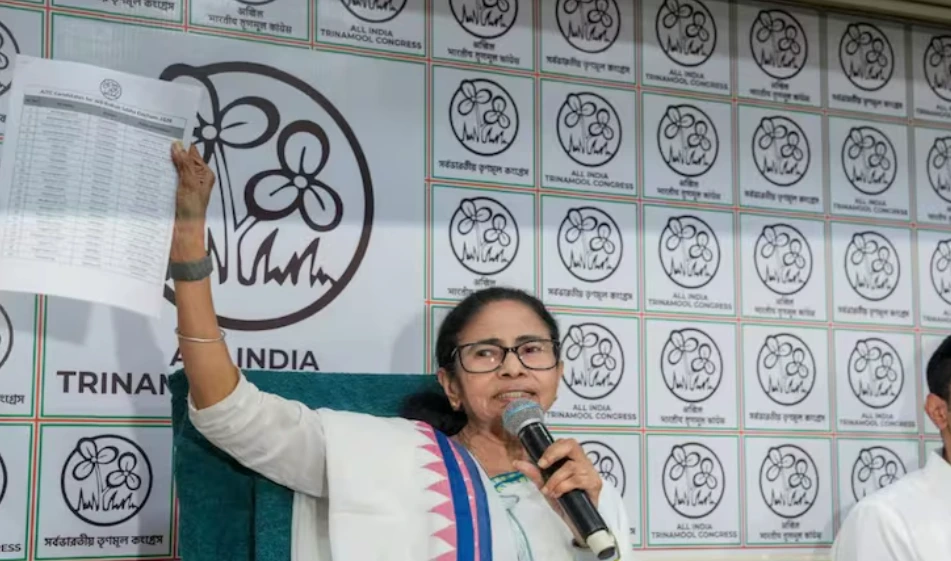
Mamata Banerjee warns BJP, EC over Bengal polls, says they will be accountable
Mamata Banerjee holds BJP and Election Commission responsible for any incidents during Bengal polls, raising concerns over officer transfers.

India News
Centre assures action on LPG supply disruption, court closes distributors’ plea
The Bombay High Court closed a plea by LPG distributors after the Centre assured diplomatic efforts to stabilise supply amid global disruptions.
India News
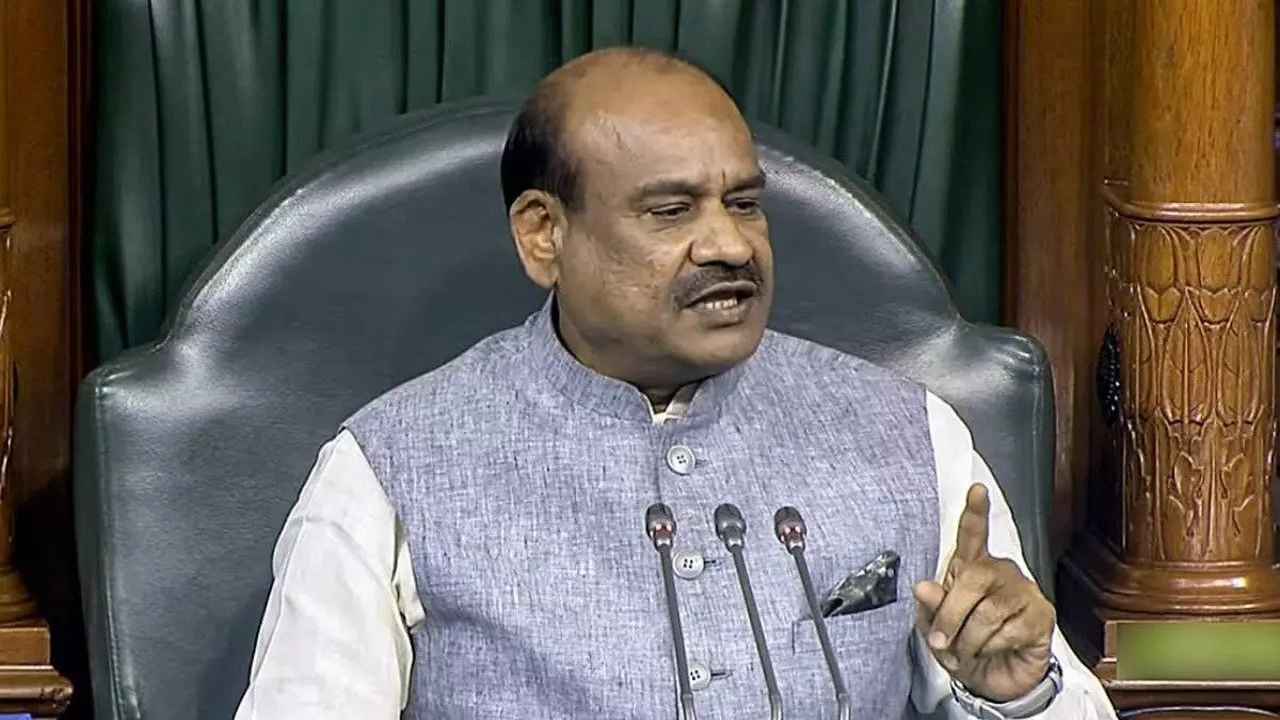
Om Birla likely to move motion to revoke suspension of 8 opposition MPs today
The Lok Sabha is likely to revoke the suspension of eight opposition MPs today, with a motion expected to be moved by the government following consensus on maintaining discipline.

Om Birla likely to move motion to revoke suspension of 8 opposition MPs today

Pakistan airstrike allegations on Kabul hospital leave hundreds dead, claims Taliban

Mamata Banerjee writes to poll chief over officers’ reshuffle, calls move arbitrary

Maharashtra passes freedom of religion bill with jail term up to 10 years

Centre assures action on LPG supply disruption, court closes distributors’ plea

Top US counterterrorism official resigns over Iran war, cites conscience

Mamata Banerjee warns BJP, EC over Bengal polls, says they will be accountable
Centre assures action on LPG supply disruption, court closes distributors’ plea
Om Birla likely to move motion to revoke suspension of 8 opposition MPs today
Maharashtra passes freedom of religion bill with jail term up to 10 years

Afghan Men Try To Hang With The Jet Engine Of The Aircraft in Kabul- Afghanistan News – Kabul News
Trending Top 10 News: 10000 Crore Fine on Flipkart, Apple to Launch Unique Feature, Hdfc Bank Job Ad

Trending Top 10 News: Nokia 6310, Apple sales, Bachpan ka Pyar Video Kid, Dainik Bhaskar IT Raid

Trending Top 10 News: Canada bans Indian flights, Rain in Delhi NCR, AIMIM Twitter hacked, Raj Kundra case

Trending Top 10 News: Shein India, Apple New Service, Pocket Oxygen, Oppo Launched New Phone
-
 India News17 hours ago
Om Birla likely to move motion to revoke suspension of 8 opposition MPs today
-
 India News19 hours ago
Pakistan airstrike allegations on Kabul hospital leave hundreds dead, claims Taliban
-
 India News18 hours ago
Mamata Banerjee writes to poll chief over officers’ reshuffle, calls move arbitrary
-
 India News18 hours ago
Maharashtra passes freedom of religion bill with jail term up to 10 years
-
India News9 hours ago
Centre assures action on LPG supply disruption, court closes distributors’ plea
-
 India News7 hours ago
Mamata Banerjee warns BJP, EC over Bengal polls, says they will be accountable
-
 Latest world news7 hours ago
Top US counterterrorism official resigns over Iran war, cites conscience
