
India News
Nine European Parliament members to EU: Cancel agreements with India till activists released


[vc_row][vc_column][vc_column_text]Nine members of the European Parliament (MEPs) have written to the High Representative of the European Union for Foreign Affairs and Security Policy, Federica Mogherini, criticising the Indian government for the raids on and arrests of nine human and democratic activists across India and demanded the cancellation of all agreements with the Indian government until the activists are released.
In a letter to the European Union’s top foreign policy diplomat, the MPs condemned the police action on activists in several cities of India on August 28. They noted that five of the activists had been arrested arbitrarily and were charged under the Unlawful Activities (Prevention) Act – “one of the most barbaric laws, copied from the colonial law book”.
They said the arrests amount to “a very serious attack on the already crumbling state of democracy in India”, and also demanded the release of five other activists arrested in June.
The statement was signed by members of the European Parliament Lídia Senra, Ángela Vallina, Paloma López, Merja Killonen, Ana Gomes, Clara Aguilera, Ciprian Tanasescu, Claude Moraes and Julie Ward.
The MEPs asked how the European Commission could have “contacts and agreements” with a government that “defends that there are first- and second-class humans, indiscriminately kills Adivasis, Dalits and religious minorities, and imprisons human rights activists”.
On August 28, the Pune Police had raided the homes of 10 human rights activists across the country and arrested five of them – Arun Ferreira, Vernon Gonsalves, Gautam Navlakha, Varavara Rao and Sudha Bharadwaj. The following day, India’s Supreme Court ordered that they be placed under house arrest till the next hearing. They continue to be under house arrest.
The police have claimed that the activists were in the process of fomenting large-scale violence and destruction of property, which would have resulted in chaos. The police said this was part of the agenda of the banned outfit Communist Party of India (Maoist).
The activists have been accused of involvement in an event organised in Pune on December 31, which was followed by caste-related violence at a nearby village the next day. The police have said the activists’ speeches at the event were meant to incite hatred.

[/vc_column_text][vc_column_text css=”.vc_custom_1537002596189{padding-top: 10px !important;padding-right: 10px !important;padding-bottom: 10px !important;padding-left: 10px !important;background-color: #a2b1bf !important;border-radius: 10px !important;}”]The MEP Letter to European Commission is as follows:
Ms Federica MOGHERINI
High Representative of the European Union for Foreign Affairs and Security Policy
We, the undersigned Members of the European Parliament, condemn the raids on homes and arbitrary arrest of nine human and democratic rights activists across India, on August 28, 2018.
Amongst the people raided are Anand Teltumbde, Stan Swamy, Kranti Teluka and Prof K Satyanarayana. But the raids also included Arun Ferreira, Sudha Bharadwaj, Varavara Rao, Gautam Navlakha and Vernon Gonsalves, all five are now under arrest charged under one of the most draconian law: the UAPA, Unlawful Activity Prevention Act.
This is one of the most barbaric laws, copied from the colonial law book, which allows an indefinite detention (arrest) of any citizen the Government suspects of having an intent to commit a crime against the State.
These raids and arrests are the follow up of the arbitrary arrests, a few months ago, of Sudhir Dhawale, Adv Surendra Gadling, Prof Shoma Sen, Mahesh Raut and Rona Wilson. These five are lawyers, journalists and human rights activists who have been implicated in totally fabricated charges of organizing the violence in Bhima Koregaon at the beginning of this year.
The Indian Government adds these most recent raids and arrests to the continuous and relentless repression on the democratic voice and aspirations of the Indian. This amounts to a very serious attack on the already crumbling state of democracy in India. Regarding the words of Aakar Patel, Executive Director Amnesty International India: ʹThese arrests are a matter of grave concern. Surendra Gadling, Rona Wilson, Sudhir Dhawale, Shoma Sen and Mahesh Raut have a history of working to protect the rights of some of Indiaʹs most marginalized people.
Their arrests raise disturbing questions about whether they are being targeted for their activism. Anyone arrested for legitimately exercising their right to freedom of expression must be released immediately and unconditionally.ʹ During the current European Parliament term, two written questions have been addressed to the European Commission regarding one of the most painful cases: the situation of the Indian teacher GN Saibaba. He has a 90% physical disability, aggravated in recent months with acute pancreatitis, and it was recommended the removal of his gallbladder.
Because of this, this life imprisonment sentence is actually a death sentence for this professor, who has done nothing but defend the rights of the Adivasis and Dalits people with words, as well as denounce the counterinsurgency strategy ʹOpera on Green Huntʹ. On June 26, United Nations human rights experts urged the government of India to release the teacher for health reasons and to ensure immediate access to medical care, including appropriate treatment and rehabilitation: ʹWe would like to remind India that any denial of reasonable accommodation for people with disabilities in detention is not only discriminatory but may well amount to ill-treatment or even torture. In particular, solitary confinement should be prohibited when the conditions of prisoners with disabilities would be made worse by this measure.ʹ
The answers given by you on behalf of the European Commission were the following:
ʹThe EU has been closely following cases of human rights defenders arrested in India, including the cases of professor Saibaba, accused of having links with Naxal militants, and of Ms. Arundathi Roy, accused of contempt of court for her article defending the cause of Professor Saibaba.
The EU Delegation in New Delhi has made appeals on humanitarian grounds with the National Human Rights Commission. The EU attaches great importance to the issues at stake, most importantly to the freedom of expression, the right to a fair trial and the rights of human rights defenders. These issues are also addressed at the EU-India human rights dialogue.ʹ ʹThe EU continues to follow the case of professor Saibaba convicted by sessions court in Gadchiroli district of Maharashtra in March 2017. As Professor Saibaba lodged an appeal against the verdict with the Nagpur High Court, the case is still sub judice. The EU has been raising the case on humanitarian grounds with the Indian authorities.ʹ How can the European Commission have contacts and agreements with a Government that defends that there are first and second class humans, indiscriminately kills the Adivasis, Dalits and religious minoritiesʹ population and imprisons human rights activists? We urge for the cancellation of all the agreements with the Indian government until the human rights activists are released and the hunt against the Adivasi peoples, Dalits, religious minorities population and Kashmir, Manipuri people is stopped.
We also demand the immediate release of Prof. GN Saibaba, Susan Abraham, Varavara Rao, Father Stan Swamy, Anand Teltumbde, Gautam Navlakha, Vernon Gonsalves, Arun Ferreira and Advocate Surendra Gadling, Prof Shoma Sen, Sudhir Dhawle, Rona Wilson Mahesh Raut and all human rights defenders in India.
Sincerely yours,
MEP María Lídia Senra
MEP Ángela Vallina
MEP Paloma López
MEP Julie Ward
MEP Merja Killonen
MEP Ana Gomes
MEP Clara Aguilera
MEP Ciprian Tănăsescu
MEP Claude Moraes[/vc_column_text][vc_raw_html]JTNDYmxvY2txdW90ZSUyMGNsYXNzJTNEJTIydHdpdHRlci10d2VldCUyMiUyMGRhdGEtbGFuZyUzRCUyMmVuJTIyJTNFJTNDcCUyMGxhbmclM0QlMjJlbiUyMiUyMGRpciUzRCUyMmx0ciUyMiUzRTklMjBNZW1iZXJzJTIwb2YlMjB0aGUlMjAlM0NhJTIwaHJlZiUzRCUyMmh0dHBzJTNBJTJGJTJGdHdpdHRlci5jb20lMkZFdXJvcGFybF9FTiUzRnJlZl9zcmMlM0R0d3NyYyUyNTVFdGZ3JTIyJTNFJTQwRXVyb3BhcmxfRU4lM0MlMkZhJTNFJTIwc2VudCUyMGxldHRlciUyMHRvJTIwSGlnaCUyMFJlcHJlc2VudGF0aXZlJTIwb2YlMjB0aGUlMjBFdXJvcGVhbiUyMFVuaW9uJTIwZm9yJTIwRm9yZWlnbiUyMEFmZmFpcnMlMjBhbmQlMjBTZWN1cml0eSUyMFBvbGljeSUyMCUzQ2ElMjBocmVmJTNEJTIyaHR0cHMlM0ElMkYlMkZ0d2l0dGVyLmNvbSUyRkZlZGVyaWNhTW9nJTNGcmVmX3NyYyUzRHR3c3JjJTI1NUV0ZnclMjIlM0UlNDBGZWRlcmljYU1vZyUzQyUyRmElM0UlMjByZWdhcmRpbmclMjB0aGUlMjByYWlkcyUyMG9uJTIwaG9tZXMlMjBhbmQlMjBhcmJpdHJhcnklMjBhcnJlc3QlMjBvZiUyMGh1bWFuJTIwYW5kJTIwZGVtb2NyYXRpYyUyMHJpZ2h0cyUyMGFjdGl2aXN0cyUyMGFjcm9zcyUyMCUzQ2ElMjBocmVmJTNEJTIyaHR0cHMlM0ElMkYlMkZ0d2l0dGVyLmNvbSUyRmhhc2h0YWclMkZJbmRpYSUzRnNyYyUzRGhhc2glMjZhbXAlM0JyZWZfc3JjJTNEdHdzcmMlMjU1RXRmdyUyMiUzRSUyM0luZGlhJTNDJTJGYSUzRSUyMG9uJTIwQXVndXN0JTIwMjglMjAlM0NhJTIwaHJlZiUzRCUyMmh0dHBzJTNBJTJGJTJGdC5jbyUyRndZU2FEOVlpQ3ElMjIlM0VwaWMudHdpdHRlci5jb20lMkZ3WVNhRDlZaUNxJTNDJTJGYSUzRSUzQyUyRnAlM0UlMjZtZGFzaCUzQiUyMEwlQzMlQURkaWElMjBTZW5yYSUyMCUyOCU0MExpZGlhU2VucmElMjklMjAlM0NhJTIwaHJlZiUzRCUyMmh0dHBzJTNBJTJGJTJGdHdpdHRlci5jb20lMkZMaWRpYVNlbnJhJTJGc3RhdHVzJTJGMTAzOTg3OTE5NDkzNzkwOTI0OCUzRnJlZl9zcmMlM0R0d3NyYyUyNTVFdGZ3JTIyJTNFU2VwdGVtYmVyJTIwMTIlMkMlMjAyMDE4JTNDJTJGYSUzRSUzQyUyRmJsb2NrcXVvdGUlM0UlMEElM0NzY3JpcHQlMjBhc3luYyUyMHNyYyUzRCUyMmh0dHBzJTNBJTJGJTJGcGxhdGZvcm0udHdpdHRlci5jb20lMkZ3aWRnZXRzLmpzJTIyJTIwY2hhcnNldCUzRCUyMnV0Zi04JTIyJTNFJTNDJTJGc2NyaXB0JTNFJTBB[/vc_raw_html][/vc_column][/vc_row]





India News
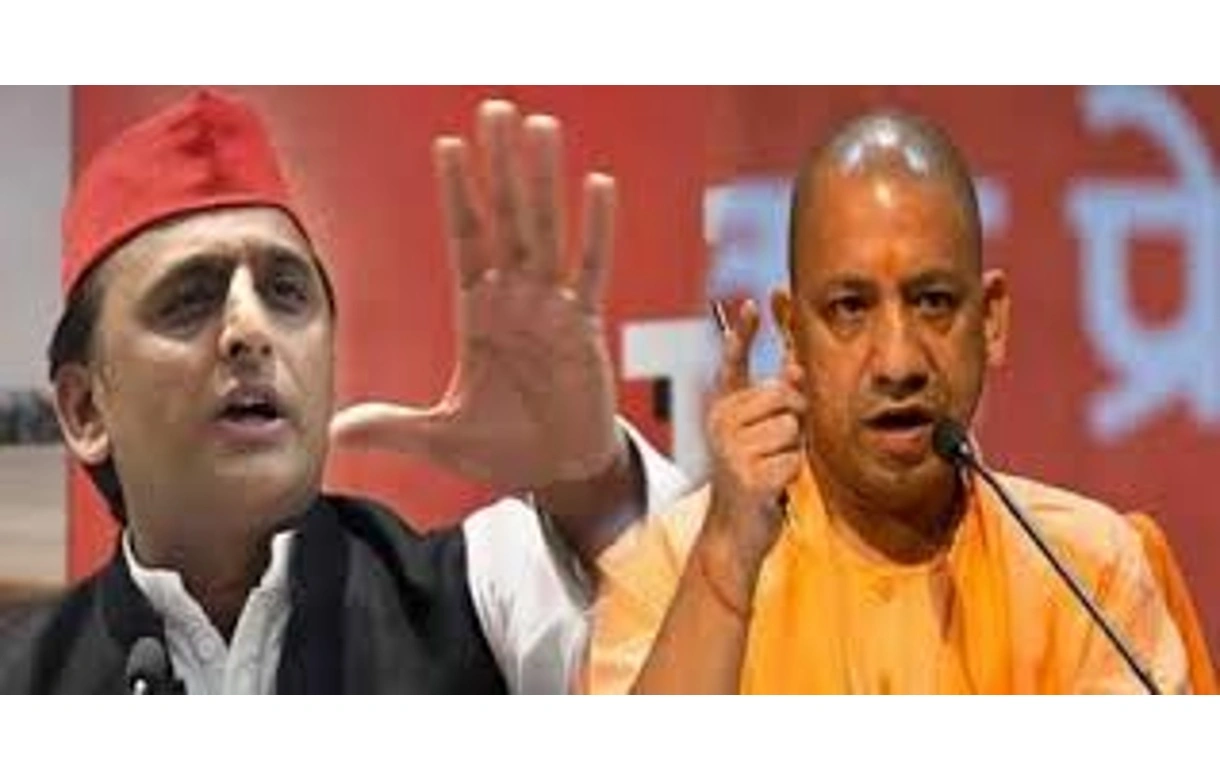
BJP focuses on religion as opposition pushes BDM strategy in UP
The BJP is emphasising religious issues ahead of the Uttar Pradesh Assembly elections, while opposition parties are seeking to consolidate Backward, Dalit and Minority voters. Recent exchanges involving Yogi Adityanath, Akhilesh Yadav and Asaduddin Owaisi have added to the political contest over the state’s electoral narrative.

India News
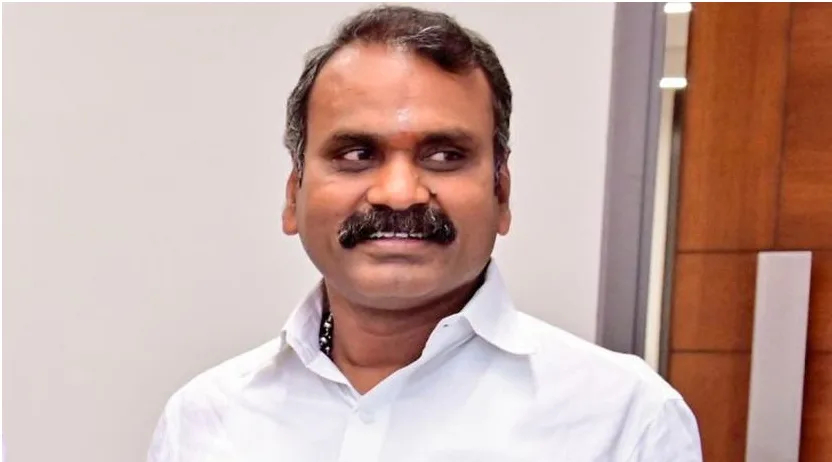
L Murugan quits Union ministry to strengthen BJP in Tamil Nadu
L Murugan has resigned from his Union ministerial post and Rajya Sabha membership, saying he wants to return to grassroots politics and dedicate himself to strengthening the BJP in Tamil Nadu before the 2029 Lok Sabha elections.
India News
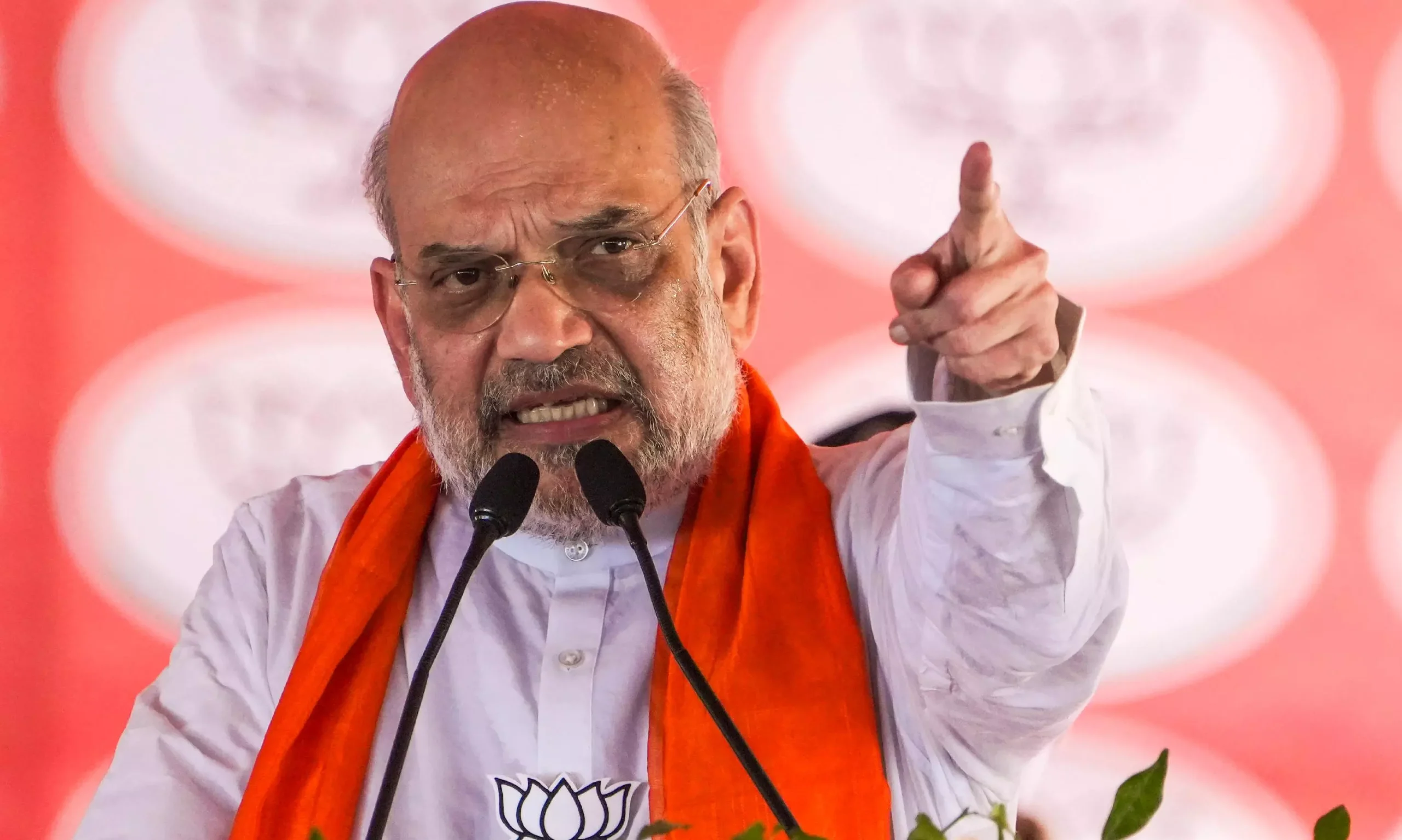
Amit Shah attacks Rahul Gandhi over Congress poll losses, questions SIR row
Union Home Minister Amit Shah criticised Rahul Gandhi over the Opposition’s allegations concerning the Special Intensive Revision (SIR) of electoral rolls. Shah argued that the Congress had been losing elections before the exercise began after 2024 and cited the BJP’s victories in Gujarat’s civic polls.

CJP claims Saurav Das, Ashutosh Ranka detained at Jantar Mantar

Supreme Court stays defamation case against Rahul Gandhi over PM Modi remarks

Rahul Gandhi hosts high tea for INDIA bloc after Gyanesh Kumar protests

Amit Shah attacks Rahul Gandhi over Congress poll losses, questions SIR row

L Murugan quits Union ministry to strengthen BJP in Tamil Nadu

BJP focuses on religion as opposition pushes BDM strategy in UP
L Murugan quits Union ministry to strengthen BJP in Tamil Nadu
Amit Shah attacks Rahul Gandhi over Congress poll losses, questions SIR row
Rahul Gandhi hosts high tea for INDIA bloc after Gyanesh Kumar protests
Supreme Court stays defamation case against Rahul Gandhi over PM Modi remarks

Afghan Men Try To Hang With The Jet Engine Of The Aircraft in Kabul- Afghanistan News – Kabul News
Trending Top 10 News: 10000 Crore Fine on Flipkart, Apple to Launch Unique Feature, Hdfc Bank Job Ad

Trending Top 10 News: Nokia 6310, Apple sales, Bachpan ka Pyar Video Kid, Dainik Bhaskar IT Raid

Trending Top 10 News: Canada bans Indian flights, Rain in Delhi NCR, AIMIM Twitter hacked, Raj Kundra case

Trending Top 10 News: Shein India, Apple New Service, Pocket Oxygen, Oppo Launched New Phone
-
 India News15 hours ago
CJP claims Saurav Das, Ashutosh Ranka detained at Jantar Mantar
-
 India News13 hours ago
Supreme Court stays defamation case against Rahul Gandhi over PM Modi remarks
-
 India News5 hours ago
Rahul Gandhi hosts high tea for INDIA bloc after Gyanesh Kumar protests
-
 India News4 hours ago
Amit Shah attacks Rahul Gandhi over Congress poll losses, questions SIR row
-
 India News4 hours ago
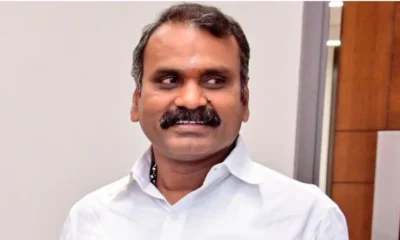
L Murugan quits Union ministry to strengthen BJP in Tamil Nadu
-
 India News3 hours ago
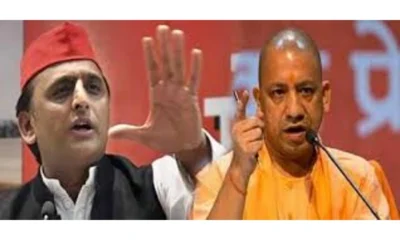
BJP focuses on religion as opposition pushes BDM strategy in UP
