
India News
Turkey Warns Europe of More Syrian Refugees If Idlib Attacked


Turkey has warned European countries of a new wave of Syrian refugees in case a major offensive targeting Idlib province is undertaken by Syrian regime and its allies.
According to Aljazeera, Turkey’s presidential spokesperson Ibrahim Kalin has said on Saturday in Ankara that a major offensive targeting Syria’s north-western province of Idlib could cause a new refugee crisis from Turkey to Europe.
While talking to media persons after a preparatory meeting with representatives from France, Germany and Russia before the four-country summit on Syria, he said, “Everyone’s common point is that the solution must be political rather than military.”

Kalin said that there is a general consensus that the consequences of a full-scale military attack on Idlib will cause humanitarian crises and a new wave of refugees. Ankara seeks to maintain Idlib’s current status, protect civilians, and prevent a humanitarian crisis.
Read More: Air Bombardment or “Chemical Attack”: Suspense Surround Idlib Endgame
He said, “Of course, a new wave of migration would not only put a burden on Turkey. It could cause a new chain of crises from here to Europe. Therefore, nobody wants this. Our expectation here from the international community and the leaders is that they give more open and clear support to Turkey.”
Earlier, on Friday, thousands of people came out on streets in more than 24 towns in Idlib province and protested against the imminent offensive by the Syrian forces which could result in “bloodbath”.

One of the demonstrator Mahmoud Harkawi in Maarat al-Nouman town reportedly said, “We want to send a message to the rest of the world that we are just an oppressed people who want freedom. Our goal is the toppling of the Assad regime and stopping Russian aggression on our city.”
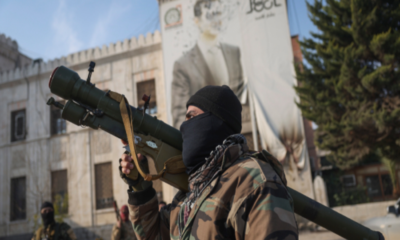
Syrian government has recently announced plans to launch a major military offensive to the area, long controlled by various armed opposition groups, including Daesh (IS), Al-Nusra Front and several other splinter groups.
Read More: US Warns Syria, Russia, Iran Not To Attack Idlib
Under agreement mediated by Russians, terrorists and other hard-line activists, along with their families were moved from other cities, including Raqqa, Aleppo, East Ghouta, Sweida and other cities to Idlib during military operations. Now, Damascus seems eager to wipe all the terrorists out while US, Turkey, Israel and their allies have been opposing the imminent move. Several buses full of remaining terrorists in Sweida, a southern province, were seen going into Israel, the sources in Middle East said.
The UN has warned that such an offensive in Idlib province would lead to the “worst humanitarian catastrophe in the 21st century.”







India News
BJP focuses on religion as opposition pushes BDM strategy in UP
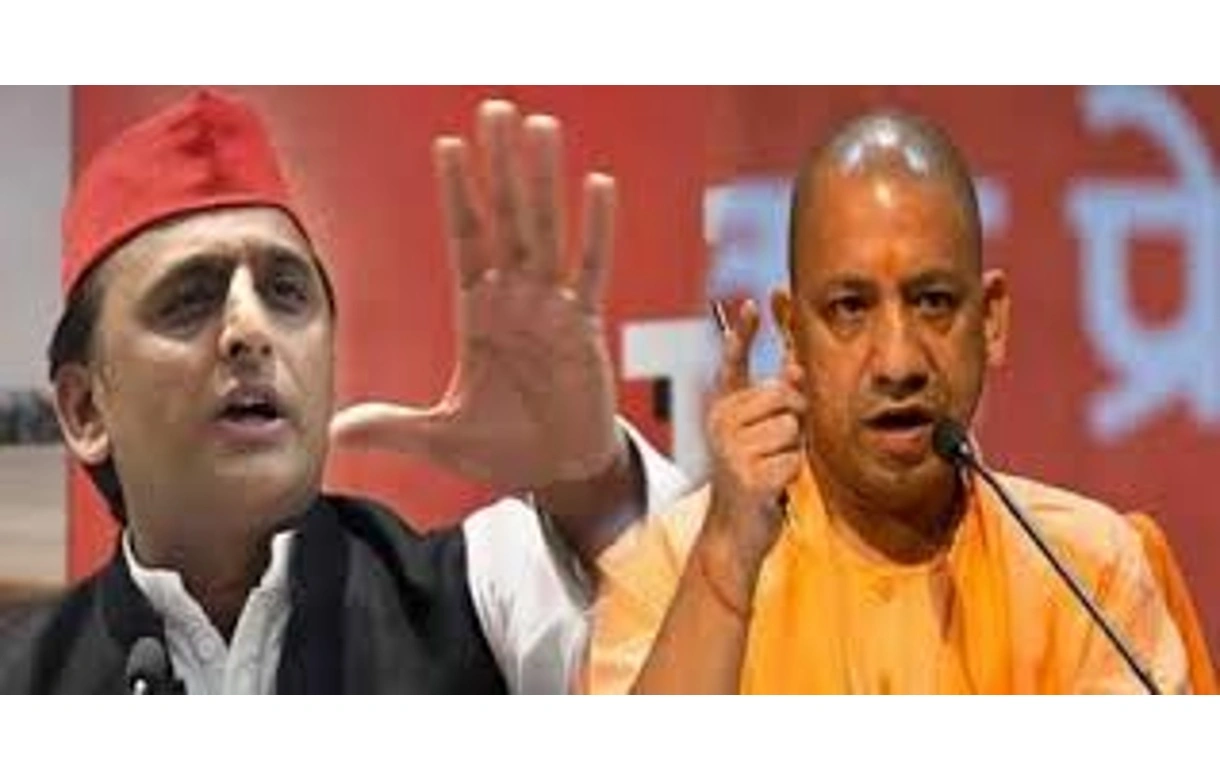
The BJP is emphasising religious issues ahead of the Uttar Pradesh Assembly elections, while opposition parties are seeking to consolidate Backward, Dalit and Minority voters. Recent exchanges involving Yogi Adityanath, Akhilesh Yadav and Asaduddin Owaisi have added to the political contest over the state’s electoral narrative.

India News
L Murugan quits Union ministry to strengthen BJP in Tamil Nadu
L Murugan has resigned from his Union ministerial post and Rajya Sabha membership, saying he wants to return to grassroots politics and dedicate himself to strengthening the BJP in Tamil Nadu before the 2029 Lok Sabha elections.

India News
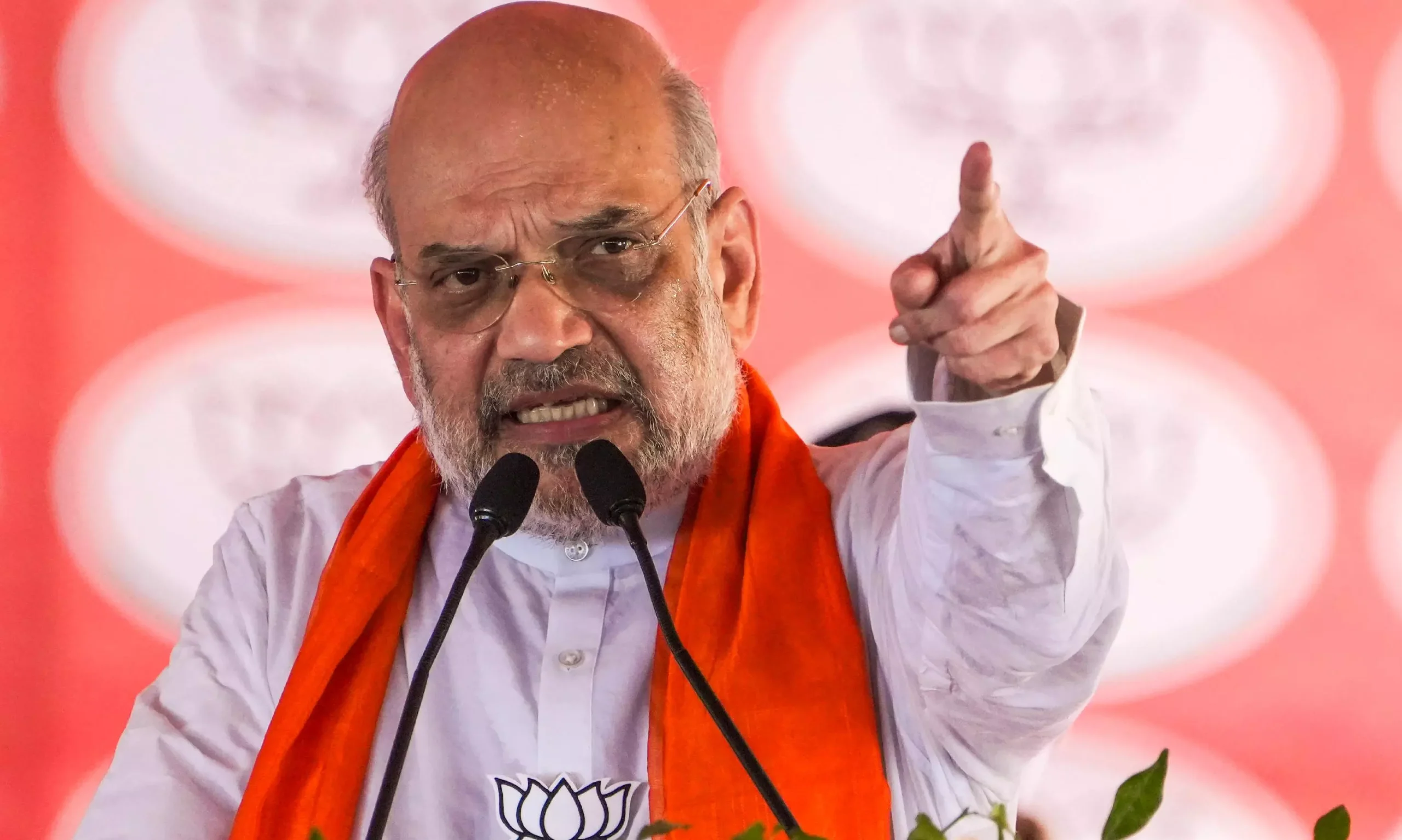
Amit Shah attacks Rahul Gandhi over Congress poll losses, questions SIR row
Union Home Minister Amit Shah criticised Rahul Gandhi over the Opposition’s allegations concerning the Special Intensive Revision (SIR) of electoral rolls. Shah argued that the Congress had been losing elections before the exercise began after 2024 and cited the BJP’s victories in Gujarat’s civic polls.

CJP claims Saurav Das, Ashutosh Ranka detained at Jantar Mantar

Supreme Court stays defamation case against Rahul Gandhi over PM Modi remarks

Rahul Gandhi hosts high tea for INDIA bloc after Gyanesh Kumar protests

L Murugan quits Union ministry to strengthen BJP in Tamil Nadu

Amit Shah attacks Rahul Gandhi over Congress poll losses, questions SIR row

BJP focuses on religion as opposition pushes BDM strategy in UP
L Murugan quits Union ministry to strengthen BJP in Tamil Nadu
Amit Shah attacks Rahul Gandhi over Congress poll losses, questions SIR row
Rahul Gandhi hosts high tea for INDIA bloc after Gyanesh Kumar protests
Supreme Court stays defamation case against Rahul Gandhi over PM Modi remarks

Afghan Men Try To Hang With The Jet Engine Of The Aircraft in Kabul- Afghanistan News – Kabul News
Trending Top 10 News: 10000 Crore Fine on Flipkart, Apple to Launch Unique Feature, Hdfc Bank Job Ad

Trending Top 10 News: Nokia 6310, Apple sales, Bachpan ka Pyar Video Kid, Dainik Bhaskar IT Raid

Trending Top 10 News: Canada bans Indian flights, Rain in Delhi NCR, AIMIM Twitter hacked, Raj Kundra case

Trending Top 10 News: Shein India, Apple New Service, Pocket Oxygen, Oppo Launched New Phone
-
 India News16 hours ago
CJP claims Saurav Das, Ashutosh Ranka detained at Jantar Mantar
-
 India News14 hours ago
Supreme Court stays defamation case against Rahul Gandhi over PM Modi remarks
-
 India News6 hours ago
Rahul Gandhi hosts high tea for INDIA bloc after Gyanesh Kumar protests
-
 India News5 hours ago
L Murugan quits Union ministry to strengthen BJP in Tamil Nadu
-
 India News5 hours ago
Amit Shah attacks Rahul Gandhi over Congress poll losses, questions SIR row
-
 India News4 hours ago
BJP focuses on religion as opposition pushes BDM strategy in UP
