
India News
No more Delhi trees to be cut till July 4, says High Court


The Delhi High Court on Monday, June 25 said that no more trees will be cut for now in Delhi, putting on hold a controversial project that requires cutting of at least 17,000 trees on the account of re-development in the capital.
The Delhi High court on Monday directed state-owned construction company National Buildings Construction Corporation (NBCC) to not to cut any trees. The next date of hearing in Delhi High Court is July 4, while, National Green Tribunal (NGT) will hear the matter on July 2.
“We understand that you have to widen the road. You want to cut thousands of trees for housing. You are building some of the residential complexes but can Delhi afford it today?” the judge asked the government-run NBCC, which is overseeing the project.
The court questioned Central Public Works Development (CPWD) and NBCC on what basis they have the permission from the authorities. “Have you taken permission from the tree authority?” the bench questioned.
Petitioner Dr. KK Mishra, an orthopedic surgeon, said that since the decision involved the tree authority, the court could hear it. Mishra, in his petition, asks the court to stop the central government project to cut thousands of trees for what it calls “redevelopment” of seven colonies in south Delhi.
Mishra has asked the Delhi High Court to stop the Central government project to cut thousands of trees for what it calls “redevelopment of seven colonies” in south Delhi.
“More than 20,000 trees will be cut in the main south Delhi area. A CAG (Comptroller and Auditor General) report states there is a deficit of nine lakh trees in Delhi. I hope the court will put a stay on the order,” the petitioner told reporters. He further said that thousands of trees going to be cut or brought down and it could have an irreversible impact on the Environment.
Mishra filed petition seeking court orders to set aside the terms of reference (ToR) and environment clearances (EC) granted for re-development of six South Delhi colonies by Centre, contending that it would lead to felling of over 16,500 trees.
According to environmentalists, saplings cannot replace fully grown trees for years in Delhi, which is among the most-polluted cities in the world.

About 1,500 protesters at Sarojini Nagar, one of the colonies chosen for the project, hugged the trees, launching their own “Chipko Movement”(a forest conservation movement where people embraced trees to prevent them from being cut in Uttarakhand in the 1970s). Activist Chhavi Methi said: “We will rally outside the Sarojini Nagar police station on Sunday at about 4.30 p.m. and hug the trees as an act of protest.”
Meanwhile, the Aam Aadmi Party (AAP) leaders slammed the BJP-led government for maintaining silence over the matter.
Joined by the AAP leaders, protestors including children and senior citizens came out on the streets of Sarojini Nagar with placards and banners. The agitating people had come from different areas of Delhi-NCR to mount pressure on the government.
Hardeep Singh Puri, the union minister of state for housing and urban development said, “Till the time I am a minister no tree will be cut and for every tree that is cut we will plant 10 trees. Green cover will go up by three times after re-development of seven colonies in South Delhi. Young activists are too fast to blame.” Puri had faced criticism on social media when he justified the project and said all trees would be replaced by saplings.
“It is not just about a tree it is the entire ecosystem that thrives on it, the insects the birds the animals, over it chopping down a 50-year-old tree and replacing it with a sapling, how foolish! Afforestation is not the replacement for deforestation,” a Twitter user commented.
“Be careful with your tone. Just because I am a public servant, you cannot take the liberty of being offensive. All this predates me. The decision taken will ensure that at no point in time will there be even one less tree in the area,” Puri tweeted.
For the South Delhi redevelopment project, over 3,000 trees have already been cut in parts of the city like Nauroji Nagar and Netaji Nagar in South Delhi according to reports.
NBCC and Central Public Works Department gave assurance to Delhi High Court that they will not cut any trees till July 4, next date of hearing in the case.





India News
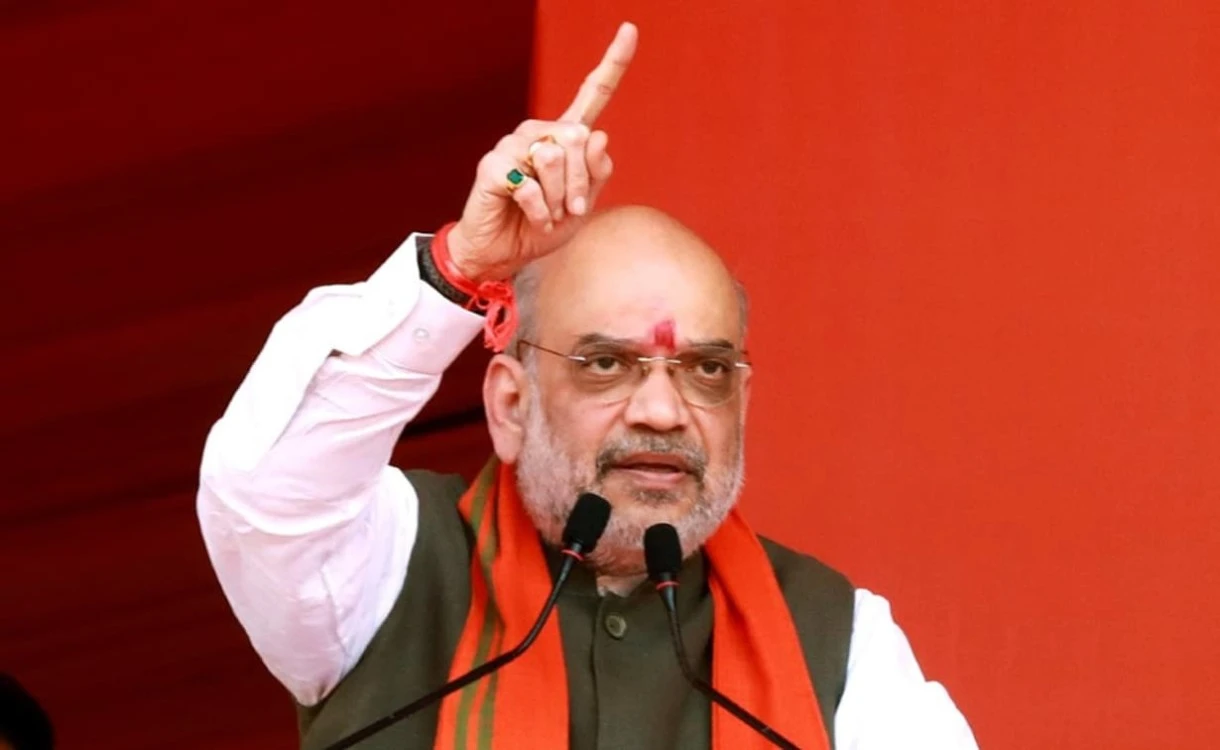
Amit Shah says Naxalism is over, vows to end Punjab drug trade by 2029
Amit Shah said the Centre would work to eliminate Punjab’s drug trade by December 31, 2029. He also called for CBI investigations into two additional cases involving people whose deaths were linked to the fight against drugs.

India News
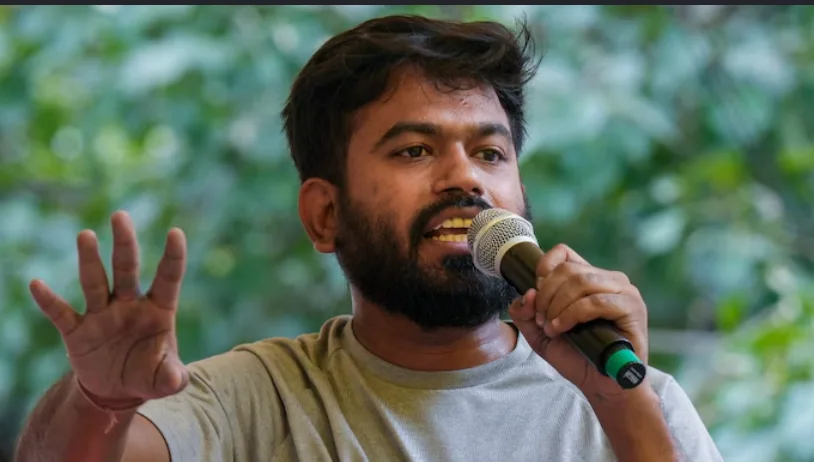
Abhijeet Dipke thanks Delhi organisers for cockroach effigy publicity
Abhijeet Dipke, founder of the Cockroach Janta Party, thanked organisers for what he called free publicity after a 30-foot cockroach effigy was burned alongside Ravana in Delhi. The organisers said the effigy was meant to highlight filth and promote cleanliness.
India News
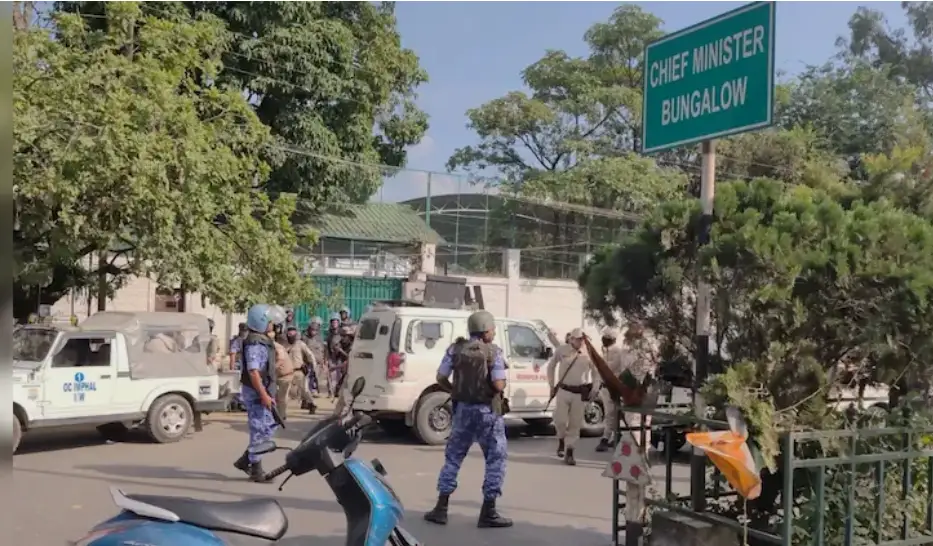
Manipur shutdown disrupts normal life after killing of 3 civilians
Normal life was disrupted across Manipur on October 20 as a 48-hour shutdown over the killing of three Meitei firewood collectors led to deserted roads and protests in several areas.

Priyanka Gandhi leads congress push for 125 seats in UP alliance talks

BJP shares Rahul Gandhi flight video, mocks him over Vietnam trip

Sanjay Raut clarifies Albania Remark after BJP accuses him of threatening SC

Manipur shutdown disrupts normal life after killing of 3 civilians

Marco Rubio says India and US share extraordinary alignment on key issues

Amit Shah says Naxalism is over, vows to end Punjab drug trade by 2029

Abhijeet Dipke thanks Delhi organisers for cockroach effigy publicity
Marco Rubio says India and US share extraordinary alignment on key issues
Manipur shutdown disrupts normal life after killing of 3 civilians
Sanjay Raut clarifies Albania Remark after BJP accuses him of threatening SC

Afghan Men Try To Hang With The Jet Engine Of The Aircraft in Kabul- Afghanistan News – Kabul News
Trending Top 10 News: 10000 Crore Fine on Flipkart, Apple to Launch Unique Feature, Hdfc Bank Job Ad

Trending Top 10 News: Nokia 6310, Apple sales, Bachpan ka Pyar Video Kid, Dainik Bhaskar IT Raid

Trending Top 10 News: Canada bans Indian flights, Rain in Delhi NCR, AIMIM Twitter hacked, Raj Kundra case

Trending Top 10 News: Shein India, Apple New Service, Pocket Oxygen, Oppo Launched New Phone
-
 India News21 hours ago
Priyanka Gandhi leads congress push for 125 seats in UP alliance talks
-
 India News21 hours ago
BJP shares Rahul Gandhi flight video, mocks him over Vietnam trip
-
 India News17 hours ago
Sanjay Raut clarifies Albania Remark after BJP accuses him of threatening SC
-
 India News16 hours ago
Manipur shutdown disrupts normal life after killing of 3 civilians
-
 Latest world news60 mins ago
Marco Rubio says India and US share extraordinary alignment on key issues
-
 India News50 mins ago
Abhijeet Dipke thanks Delhi organisers for cockroach effigy publicity
-
 India News37 mins ago
Amit Shah says Naxalism is over, vows to end Punjab drug trade by 2029
