
India News
Opposition Criticize Government for Inaction against Lynching Culprits

[vc_row][vc_column][vc_column_text]Govt. says equally concerned
The NDA government had tough time in Rajya Sabha on Wednesday when opposition leaders alleged involvement of “some members of BJP and Sangh Parivar” in the growing number of lynching incidents, saying the incidents were spreading the message of fear.
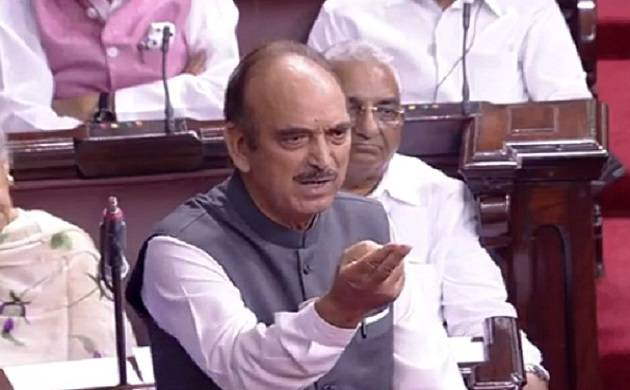
Ghulam Nabi Azad, Leader of the Opposition, while attacking the government for its inaction against the culprits involved in the lynching incidents, said, “Earlier it was done at individual level. You may not like it, all lynching is done by some members of the ruling party and Sangh Parivar. They should have been jailed. Even I can identify hundreds. They are known to the media.”
Azad insisted that no opposition party benefits from these incidents. He said, “one political party, the ruling party is benefiting. This is done for political harvest.”
Elsewhere in his speech, he said “This is not a religious battle. This is not Hindu-Muslim fight. This is everyone’s fight for humanity. When our home is weak, how can we fight the external forces… Our house has always been strong. Don’t break the house for votes,” he said. Azad further said that not a single place is safe, from Jammu and Kashmir to Kanyakumari.
Azad cited the details about how atrocities and lynching incidents are taking place against Dalits, Muslims and Christians. He gave details of atrocities and lynching incidents of dozens of villages, districts a spread in various states. He described the harrowing situation all over the country, including the states ruled by Congress.
Sitaram Yechury, CPI (M) leader cited cases of lynching that took place over last two years and demanded that government should ban cow vigilante and moral policing groups functioning as “private armies.” He suggested that fight against vigilante groups is necessary to maintain constitutional order. He even went further citing Bhagvat Gita, saying all humans are equal.
Yechuri alleged that “Hindutva nationalism” is giving sustenance to these groups. “This is not the Bharat Mata I know” he said and argued that Bharat Mata has place for people of all religions. He raised question as to why the only “Bharat Mata ki jai” slogan is considered patriotic. If that is the fact, “Was Bhagat Singh who gave “inquilab zindabad” slogan not patriotic?”
 Participating in the debate Samajwadi Party leader Naresh Agarawal said that government should bring a “stringent law” to curb the lynching incidents. He alleged that ruling party leaders were speaking in contradictory tones. PM says that strict action should be taken against those taking lives in the name of gau rakshaks, while Goa Chief Minister Manohar Parikar says something else, he said.
Agarawal alleged that the ruling party was behaving with “Moon Mein Ram Baghal Mein Chhuri” (You are having God’s name on lips and knives in your pockets) policy. He suggested that PM should call all Chief Ministers and direct them to take strict action against those indulging in lynching.
Trinamool Congress leader Derek O’Brein, while referring to PM’s statement against lynching incidents, said, “Empty words and generic comments will not work. Name the group. Name the individual. We are deeply suspicious.”
He suggested that the real term should be “cow terrorism” and not cow vigilantism. He said that not only the minorities and Dalits but also the powerful media houses were also being targeted. He asserted that, “We will not be cowed down to your political terrorism and political vendetta.”
The TMC leader alleged that fake pictures were being circulated on social media by a BJP leader during recent violence in the state. But, he asserted, polarization will never happen in West Bengal. He appealed all opposition parties to join hands to fight BJP saying “We will get GST – growing strong together.”
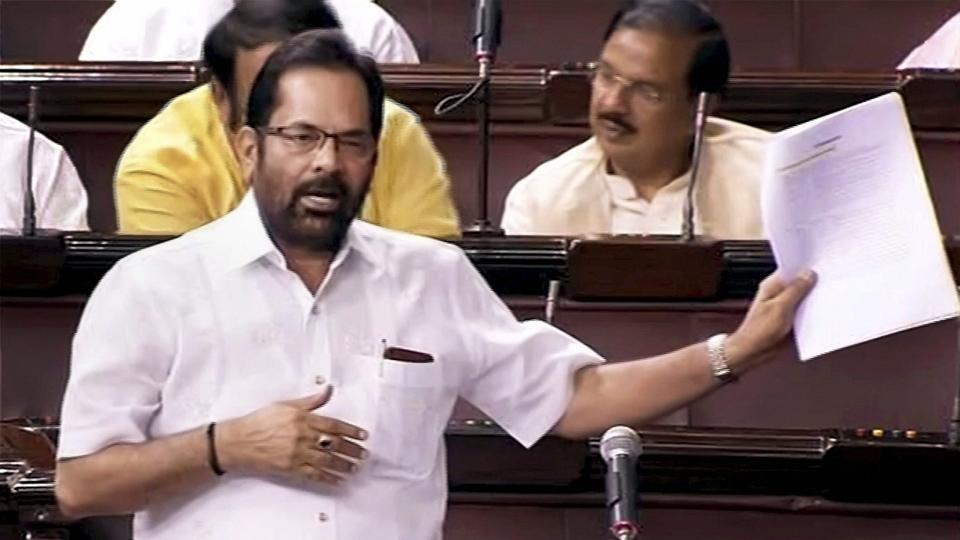
Reacting to the opposition debate, Mukhtar Abbas Naqvi, Minister of Minority and Parliamentary Affairs said the government is equally concerned about the criminal incidents and everyone should speak in one voice to fight against “such destructive forces.” He said that Centre condemned such incidents and the states should take stringent legal action against those involved.
He said, “Please don’t give communal angle to these incidents. If you give, you are helping them…”
He also tried to calm down opposition by indirect allegations of such incidents under previous governments and in the states ruled by them. He said, ‘”This is a conspiracy. Anyone could be doing it. I am not taking any party names. I don’t want to get into it.” He further added, “Whether lynching incidents happened before or now, strict legal action should be initiated against those involved.”[/vc_column_text][/vc_column][/vc_row]






India News
Mamata Banerjee writes to poll chief over officers’ reshuffle, calls move arbitrary
Mamata Banerjee has written to the Chief Election Commissioner, calling the reshuffle of senior Bengal officials arbitrary and raising concerns over constitutional norms.


India News
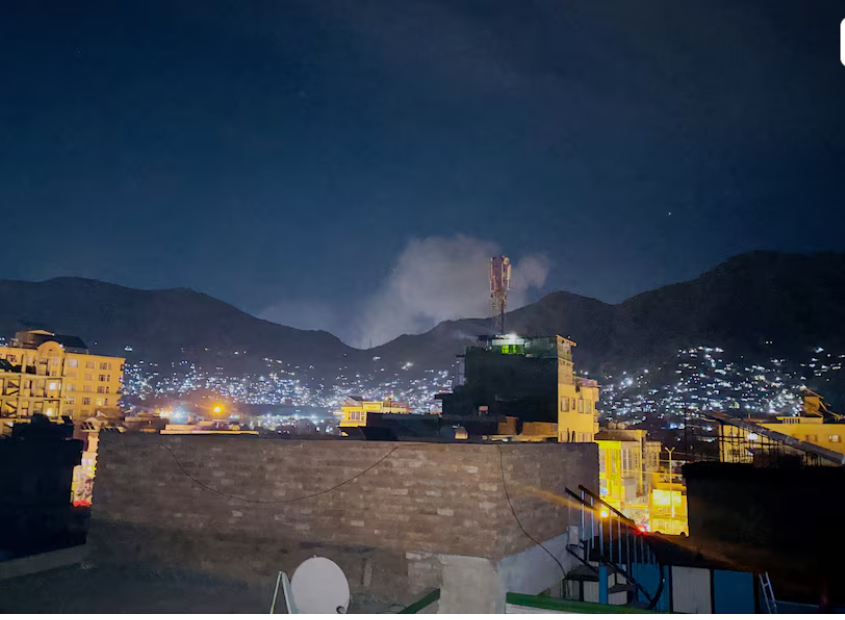
Pakistan airstrike allegations on Kabul hospital leave hundreds dead, claims Taliban
Taliban alleges 400 deaths after a Pakistani airstrike hit a Kabul hospital, but Islamabad denies targeting civilian infrastructure.
India News
BJP releases first list of 47 candidates for Kerala assembly polls
The BJP has released its first list of 47 candidates for the Kerala Assembly elections scheduled for April 9, including three former Union ministers.

Fire in ICU at SCB medical college hospital in Cuttack kills 10 patients

BJP releases first list of 47 candidates for Kerala assembly polls

Pakistan airstrike allegations on Kabul hospital leave hundreds dead, claims Taliban

Mamata Banerjee writes to poll chief over officers’ reshuffle, calls move arbitrary
Mamata Banerjee writes to poll chief over officers’ reshuffle, calls move arbitrary
Pakistan airstrike allegations on Kabul hospital leave hundreds dead, claims Taliban
BJP releases first list of 47 candidates for Kerala assembly polls
Fire in ICU at SCB medical college hospital in Cuttack kills 10 patients

Arvind Kejriwal moves Supreme Court against Delhi High Court order in excise policy case

Afghan Men Try To Hang With The Jet Engine Of The Aircraft in Kabul- Afghanistan News – Kabul News
Trending Top 10 News: 10000 Crore Fine on Flipkart, Apple to Launch Unique Feature, Hdfc Bank Job Ad

Trending Top 10 News: Nokia 6310, Apple sales, Bachpan ka Pyar Video Kid, Dainik Bhaskar IT Raid

Trending Top 10 News: Canada bans Indian flights, Rain in Delhi NCR, AIMIM Twitter hacked, Raj Kundra case

Trending Top 10 News: Shein India, Apple New Service, Pocket Oxygen, Oppo Launched New Phone
-
 India News24 hours ago
Fire in ICU at SCB medical college hospital in Cuttack kills 10 patients
-
 India News14 hours ago
BJP releases first list of 47 candidates for Kerala assembly polls
-
 India News28 mins ago
Pakistan airstrike allegations on Kabul hospital leave hundreds dead, claims Taliban
-
 India News7 mins ago
Mamata Banerjee writes to poll chief over officers’ reshuffle, calls move arbitrary
