
India News
Pak violates ceasefire again, BSF jawan killed in Arnia

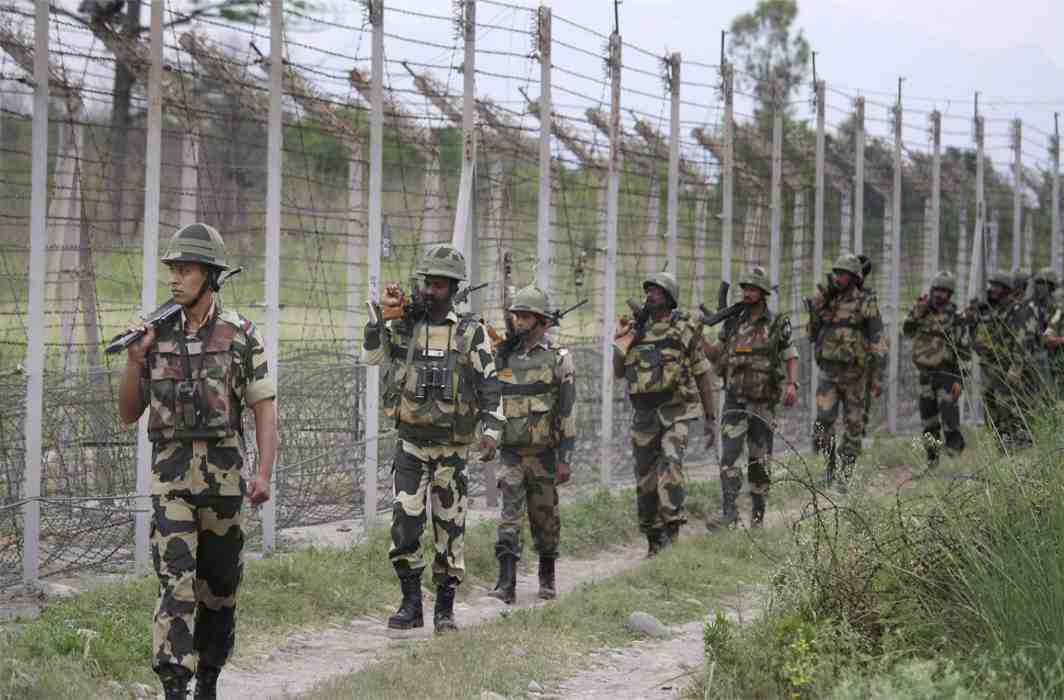
Pakistani Rangers resort to unprovoked mortar shelling in Arnia near Jammu; fifth incident of ceasefire violation in the past week
In yet another incident of ceasefire violation by Pakistani Rangers along the International Border, one constable of the Border Security Force (BSF) was killed in Arnia sub-sector of RS Pura in Jammu district in the wee hours of Friday.
It is learnt that the Pakistani Rangers resorted to unprovoked mortar shelling and gun fire along the International Border in Arnia near Jammu shortly after midnight on Thursday night following which three other BSF outposts – SM Base, Budwar and Nikkowal – were targeted in quick succession.
Sources said that the BSF engaged in retaliatory firing following which there was intermittent firing reported from other border outposts along the Arnia sub-sector. The crossfire continued from midnight till the morning hours of Friday.
“One BSF trooper has been killed in ceasefire violation by Pakistan rangers. They are using mortars, automatics and small arms to target nine BSF posts in Arnia. BSF troopers are retaliating strongly and effectively,” BSF sources were quoted as saying by the IANS news agency.
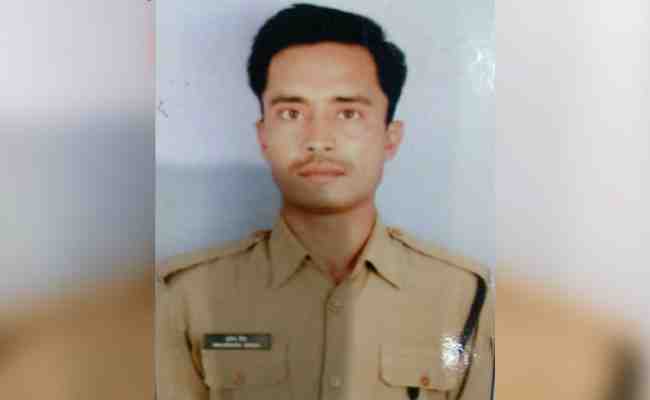
BSF constable Brijendra Bahadur Singh, posted at Chenaz outpost, died of multiple bullet injuries received in the firing by Pak Rangers
The deceased BSF jawan has been identified as constable Brijender Bahadur Singh. It is learnt that Singh, a native of Balia district in Uttar Pradesh, was posted at the Chenaz border outpost. He sustained multiple bullet injuries in the incident and died while being rushed to a hospital.
A report in the Indian Express claims that a mortar shell fired by Pakistan fell on the house of a civilian in Devigarh village; partially damaging the building. Though no loss of civilian life has been reported, sources said at least one local was injured in the crossfire.
The latest ceasefire violation has been the fifth such incident in the past week. For the last three days, Pakistan has repeatedly violated the ceasefire at various points along the International Border and Line of Control. Curiously, the violations by Pakistan also coincided with a four-day visit of Union home minister Rajnath Singh to Jammu and Kashmir during which he is learnt to have reviewed the security apparatus in the troubled northern state.
In the past four months, in fact, the ceasefire violations seem to have increased with an alarming frequency. Over a dozen people, including Army and BSF personnel, have reportedly been killed and many left injured as a result of Pakistan’s violations while over 4,000 Indian civilians living in the villages that have been affected by the repeated incidents of firing have been forced to migrate to relatively safer places.
Last Wednesday, two BSF personnel were among four people injured in mortar shelling at various places along the Line of Control in Poonch district. Two porters were injured in Pakistani firing in Poonch sector on September 7.







India News
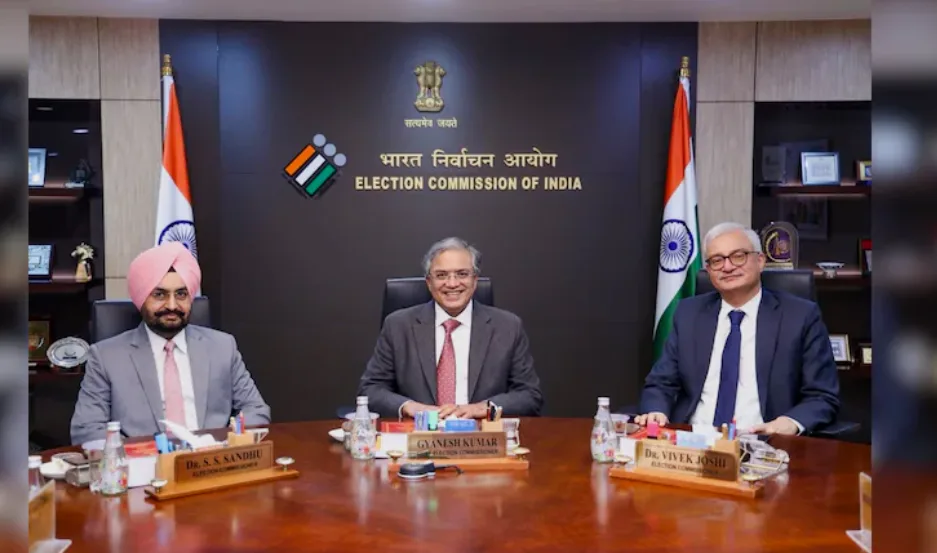
Two election commissioners complained against senior poll officer, RTI reveals
An RTI response has shed light on complaints by two Election Commissioners against a senior poll panel officer and the Cabinet Secretariat’s decision not to intervene directly.

India News
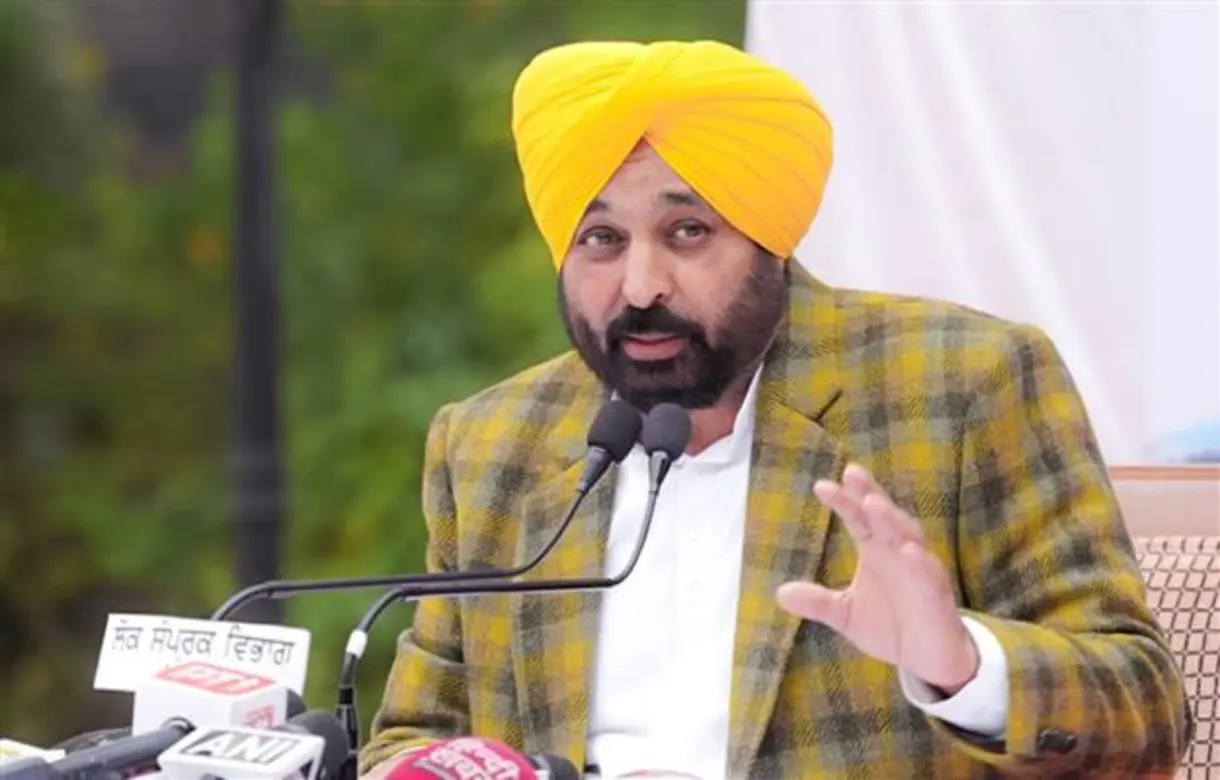
Punjab strike hits public services as 3 lakh employees and roadways workers protest
Punjab is facing disruption to government work and public transport as over three lakh government employees participate in a mass leave protest and roadways workers continue their strike over pending demands.
India News
Amit Shah says congress won’t return to power for 30 years
Union Home Minister Amit Shah took a swipe at Rahul Gandhi over the Opposition’s vote theft allegations, asserting that the Congress would not return to power for the next 30 years.


Magnitude 7 earthquake strikes Tibet after floods

Yogi Government cites Rs.15,233 crore seizures in UP gangster crackdown

PM Modi attacks Rahul Gandhi with failed product jibe

Amit Shah says congress won’t return to power for 30 years

Punjab strike hits public services as 3 lakh employees and roadways workers protest

Two election commissioners complained against senior poll officer, RTI reveals
Punjab strike hits public services as 3 lakh employees and roadways workers protest
Amit Shah says congress won’t return to power for 30 years
Magnitude 7 earthquake strikes Tibet after floods
PM Modi attacks Rahul Gandhi with failed product jibe

Afghan Men Try To Hang With The Jet Engine Of The Aircraft in Kabul- Afghanistan News – Kabul News
Trending Top 10 News: 10000 Crore Fine on Flipkart, Apple to Launch Unique Feature, Hdfc Bank Job Ad

Trending Top 10 News: Nokia 6310, Apple sales, Bachpan ka Pyar Video Kid, Dainik Bhaskar IT Raid

Trending Top 10 News: Canada bans Indian flights, Rain in Delhi NCR, AIMIM Twitter hacked, Raj Kundra case

Trending Top 10 News: Shein India, Apple New Service, Pocket Oxygen, Oppo Launched New Phone
-
 Latest world news17 hours ago
Magnitude 7 earthquake strikes Tibet after floods
-
 India News21 hours ago
Yogi Government cites Rs.15,233 crore seizures in UP gangster crackdown
-
 India News17 hours ago
PM Modi attacks Rahul Gandhi with failed product jibe
-
 India News17 hours ago
Amit Shah says congress won’t return to power for 30 years
-
 India News6 hours ago
Punjab strike hits public services as 3 lakh employees and roadways workers protest
-
 India News5 hours ago
Two election commissioners complained against senior poll officer, RTI reveals
