
India News
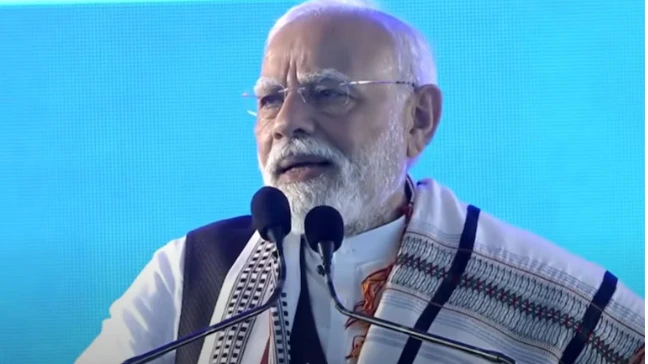
PM Modi extends birthday wishes to President Droupadi Murmu, praises her leadership
Prime Minister Narendra Modi wished President Droupadi Murmu on her birthday, praising her dedication, leadership and inspiring rise to India’s highest constitutional office.









India News
Ladakh Panchayat elections scheduled for November 21
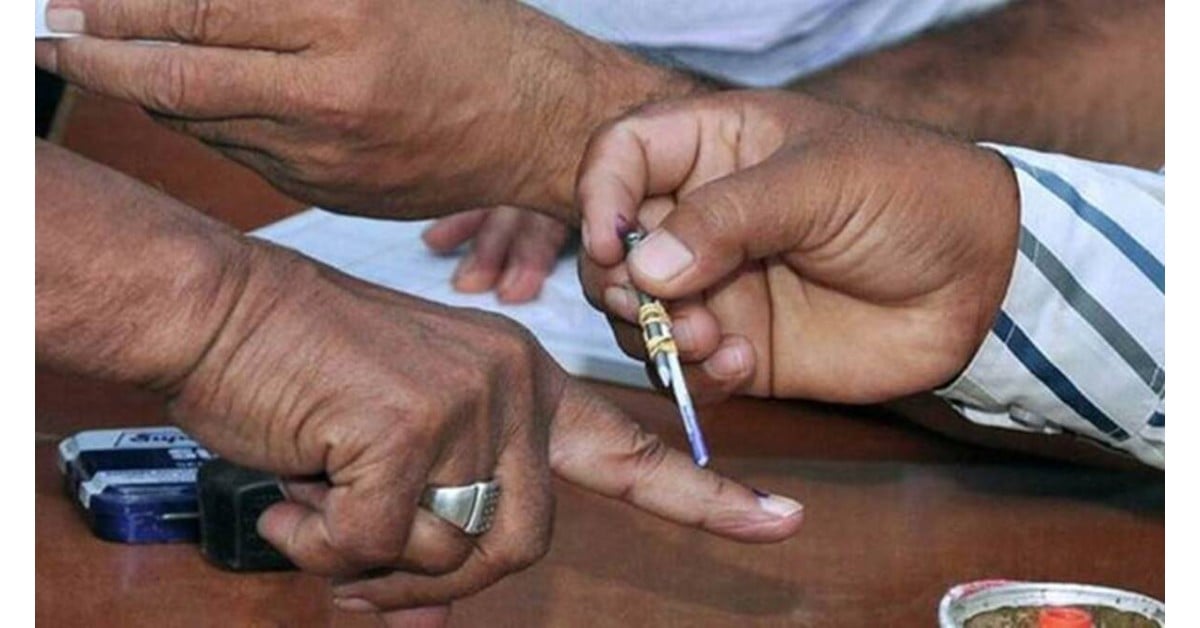
Ladakh will hold panchayat elections on November 21, eight years after the previous polls in November 2018. The nomination process is scheduled to begin with the notification on October 26.
India News
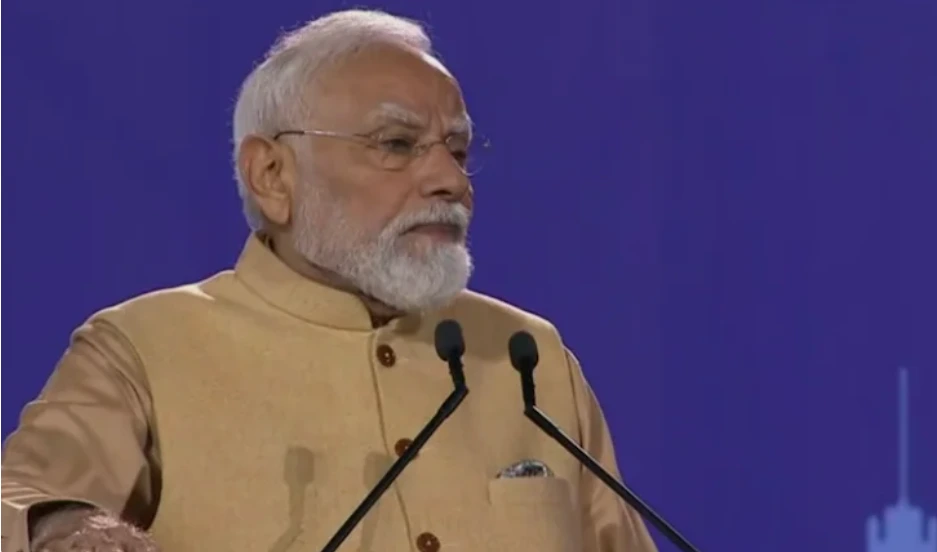
PM Modi to visit Varanasi, Kedarnath on October 24-25
Prime Minister Narendra Modi is scheduled to visit Varanasi and Kedarnath on October 24 and 25. His proposed itinerary includes a factory inauguration in Varanasi, an Indian Air Force air show and a review of the Kedarnath Corridor project.
India News
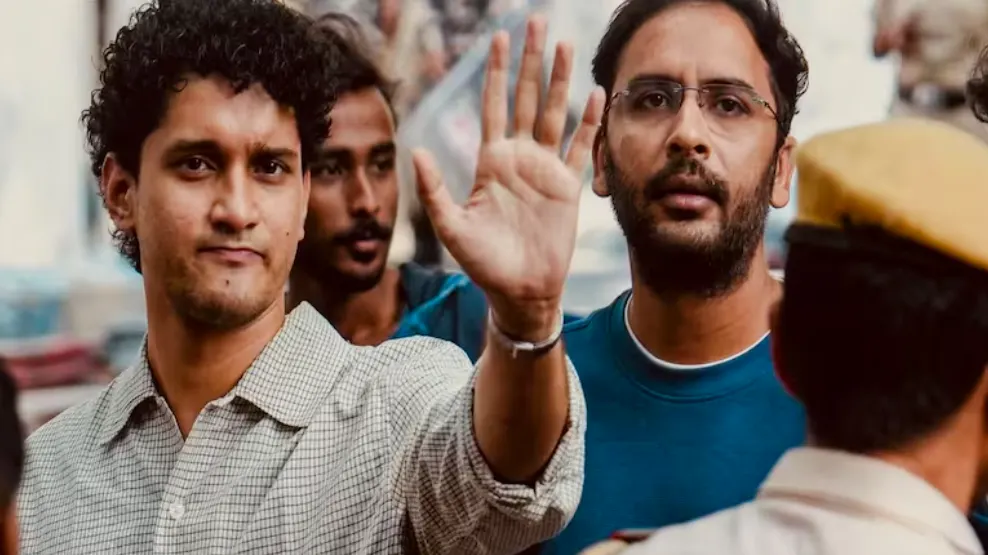
CJP leaders Saurav Das, Ashutosh Ranka to be released after 7 days in jail
CJP leaders Saurav Das and Ashutosh Ranka are set to be released after seven days in judicial custody following an order by a Special Executive Magistrate in Delhi.

PM Modi to visit Varanasi, Kedarnath on October 24-25

CJP leaders Saurav Das, Ashutosh Ranka to be released after 7 days in jail

Tiger Shroff firing case: 3 accused sent to police custody till October 31

Macron rejects Trump’s immigration claims over France riots

Ladakh Panchayat elections scheduled for November 21
Ladakh Panchayat elections scheduled for November 21
Macron rejects Trump’s immigration claims over France riots
PM Modi to visit Varanasi, Kedarnath on October 24-25
CJP leaders Saurav Das, Ashutosh Ranka to be released after 7 days in jail
Tiger Shroff firing case: 3 accused sent to police custody till October 31

Afghan Men Try To Hang With The Jet Engine Of The Aircraft in Kabul- Afghanistan News – Kabul News
Trending Top 10 News: 10000 Crore Fine on Flipkart, Apple to Launch Unique Feature, Hdfc Bank Job Ad

Trending Top 10 News: Nokia 6310, Apple sales, Bachpan ka Pyar Video Kid, Dainik Bhaskar IT Raid

Trending Top 10 News: Canada bans Indian flights, Rain in Delhi NCR, AIMIM Twitter hacked, Raj Kundra case

Trending Top 10 News: Shein India, Apple New Service, Pocket Oxygen, Oppo Launched New Phone
-
 India News16 hours ago
PM Modi to visit Varanasi, Kedarnath on October 24-25
-
 India News17 hours ago
CJP leaders Saurav Das, Ashutosh Ranka to be released after 7 days in jail
-
 India News17 hours ago
Tiger Shroff firing case: 3 accused sent to police custody till October 31
-
 Latest world news3 hours ago
Macron rejects Trump’s immigration claims over France riots
-
 India News3 hours ago
Ladakh Panchayat elections scheduled for November 21
