
India News
Probe ordered into Jayalalithaa’s death, EPS and OPS factions of AIADMK move closer

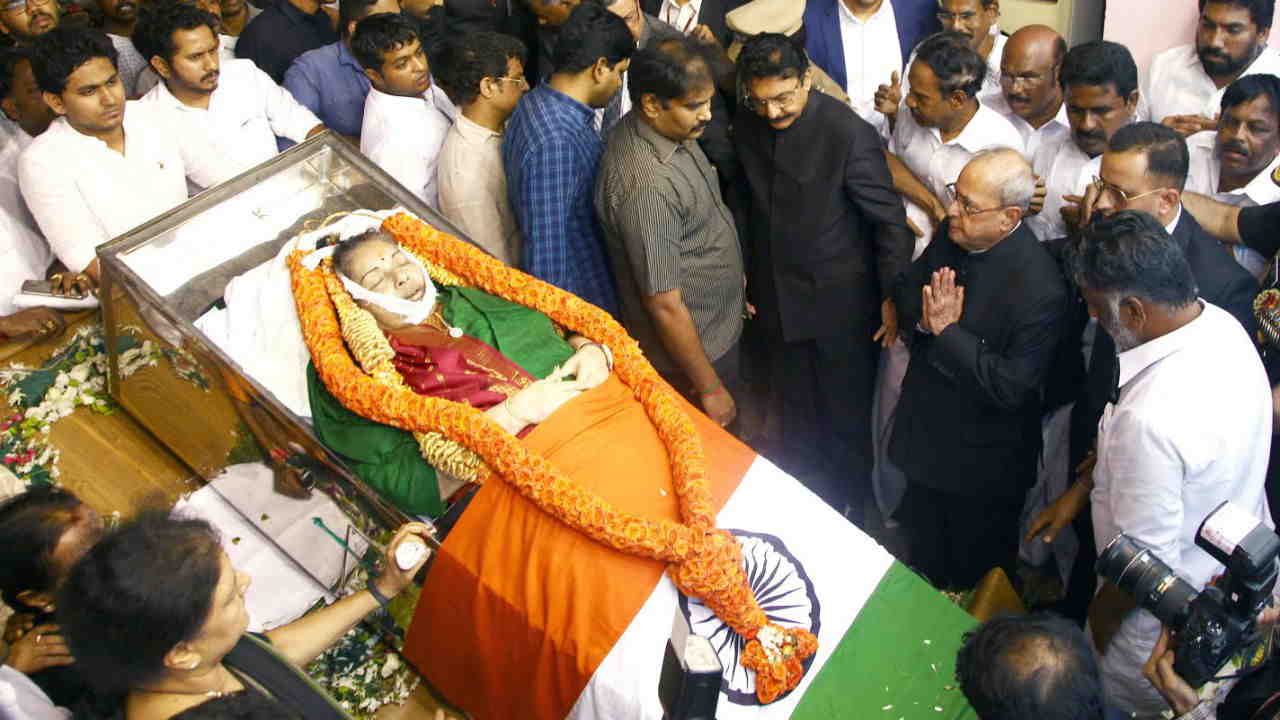
[vc_row][vc_column][vc_column_text]Tamil Nadu chief minister Edapaddi Palanisami accepts rival O Panneerselvam camp’s demand, commission headed by a retired judge will investigate the death former AIADMK chief Jayalalithaa, her Poes Garden residence – Veda Nilayam – will be converted into a museum dedicated to ‘Amma’
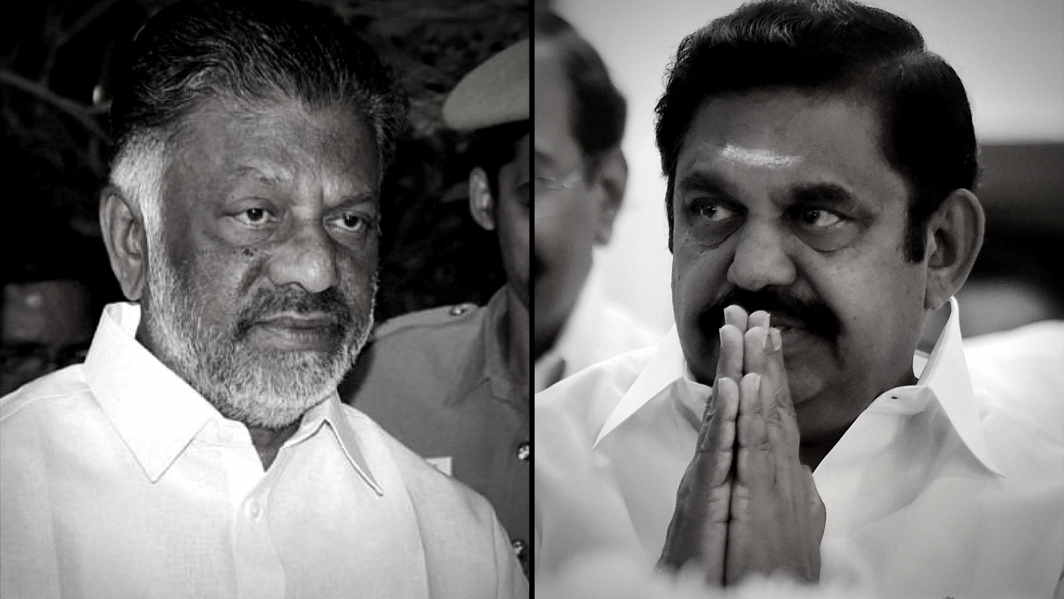
In clear signs of a realignment within the faction-ridden AIADMK, Tamil Nadu chief minister Edappadi Palanisami, on Thursday, accepted a key demand of his rival camp led by his predecessor – O Panneerselvam – and announced that an enquiry commission will be formed to probe into the circumstances and cause of J Jayalalithaa’s death last year.
The enquiry commission will be constituted under a retired High Court judg, Palanisami said, adding that the order was being given as per the demand of Tamil Nadu’s people. The chief minister also said that Jayalalithaa’s Poes Garden residence in Chennai – Veda Nilayam – will be converted into a museum that would showcase the immensely popular leader’s life and career.
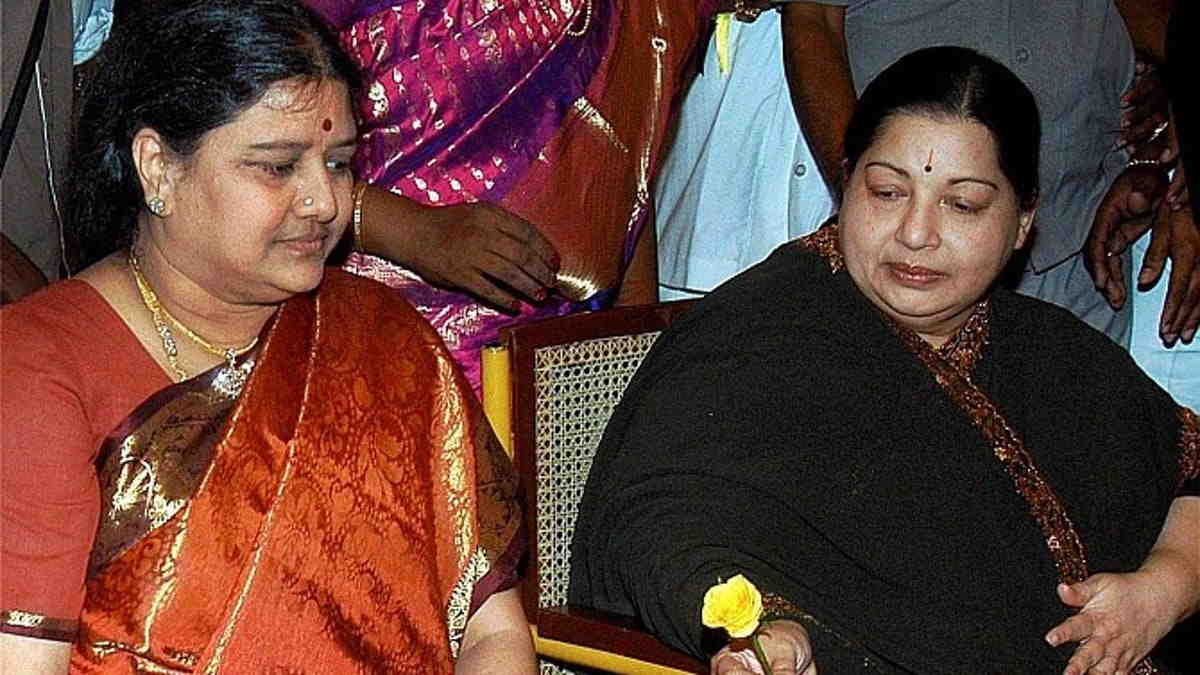
EPS, as Palanisami is referred to in political circles, and his loyalists within the AIADMK have been working out a blueprint to bury differences with the camp led by Panneerselvam, known as OPS, and either sideline or win over those within the AIADMK who still owe their allegiance to jailed party chief and Jayalalithaa’s confidante, VK Sasikala .
An enquiry into Jayalalithaa’s death had been one of the key demands of the OPS faction for a truce with EPS. Jayalalithaa, referred to across party lines as Amma – had died on December 5 last year at Apollo hospital in Chennai after a prolonged illness and ever since, there have been speculations about foul play in the death with fingers often being pointed at Sasikala.
In the days prior to Amma’s death, the party had elected Panneerselvam to act as chief minister and he was sworn-in to the office immediately after Jayalalithaa was pronounced dead. However, in the days following her demise, while Sasikala was still contemplating her political moves, Panneerselvam announced that he had “heard the voice of his conscience and of Amma” and will stay on as chief minister. Sasikala’s faction of the party had come out in open rebellion against OPS, calling him a traitor, and imploring Sasikala to take over as chief minister.
However, the Supreme Court convicted Sasikala for four years in a disproportionate assets case, effectively nixing any chance of her taking on the executive role after which EPS was sworn-in as chief minister. The party has ever since been divided into three factions, those led by Sasikala and her nephew TTV Dhinakaran, OPS and EPS.
Palanisami’s announcement of the probe into Amma’s death comes days after Dhinakaran held a ‘show of strength rally’ in Madurai in which 20 AIADMK and independent legislators had participated. EPS had removed Dhinakaran from the post of AIADMK deputy general secretary earlier this month.
There is still no word on another pre-condition that the OPS-led Puratchi Thalaivi Amma faction had put forth before Palanisami for a truce and merger of the two rival camps – that Sasikala and her family members – known within the AIADMK circles as the Mannargudi Mafia – be expelled from the party. However, if the two factions indeed move towards a merger, sources say, Sasikala’s ouster from the AIADMK chief’s post would be certain.
The merger between these rival AIADMK factions is crucial for the party to get back its election symbol – two leaves – which the Election Commission had suspended after the split. Also, since Amma’s demise, the party has been floundering in search of one leader behind which the cadre can stand firmly. This has left the political space in Tamil Nadu wide open for the party’s principal political rival – M Karunanidhi’s DMK. Perhaps more importantly, the factional feuds is also giving a golden opportunity to the BJP to either gain its own space in Tamil Nadu politics or work towards an alliance with whichever faction of the AIADMK gives it more tactical strength.
Sources say that the EPS and OPS factions are aggressively working towards a unification plan – a key aspect of which could be that Palanisami continues as the chief minister while Panneerselvam gets to be the AIADMK general secretary after sacking Sasikala.
Sasikala’s election as AIADMK general secretary is itself pending before the Election Commission. If the poll panel rules against her, OPS could be made the party chief without having to sack Amma’s closest aide of decades. He may also be offered the deputy chief minister’s post.[/vc_column_text][/vc_column][/vc_row]




India News
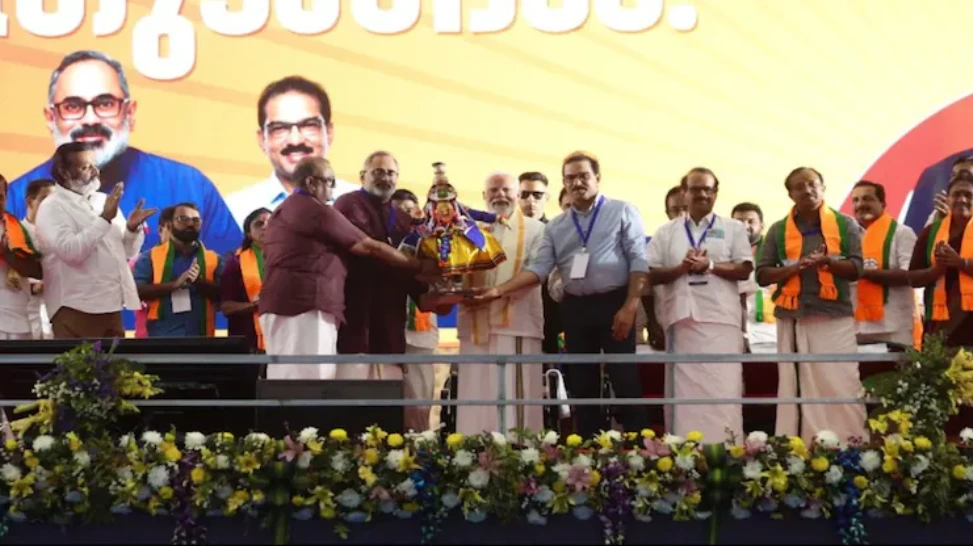
BJP releases first list of 47 candidates for Kerala assembly polls
The BJP has released its first list of 47 candidates for the Kerala Assembly elections scheduled for April 9, including three former Union ministers.

India News
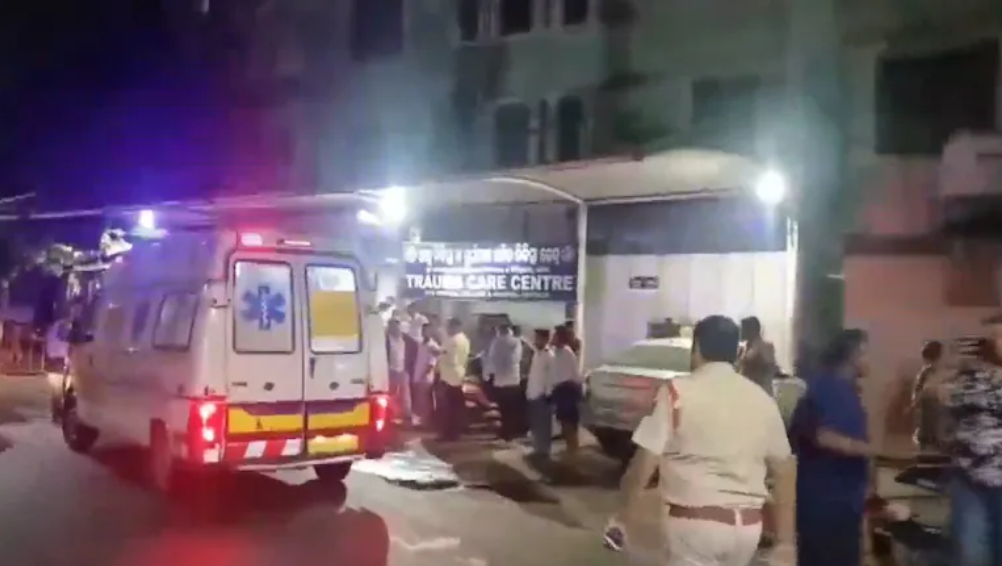
Fire in ICU at SCB medical college hospital in Cuttack kills 10 patients
Ten patients died after a fire broke out in the trauma ICU at SCB medical college hospital in Cuttack early Monday morning. Odisha Chief Minister Mohan Charan Majhi announced compensation and ordered a judicial probe.
India News
Arvind Kejriwal moves Supreme Court against Delhi High Court order in excise policy case
Arvind Kejriwal has approached the Supreme Court challenging a Delhi High Court order related to proceedings in the excise policy case and alleging violation of his fundamental rights.


Fire near Dubai International Airport after drone incident, flights temporarily suspended

Arvind Kejriwal moves Supreme Court against Delhi High Court order in excise policy case

Fire in ICU at SCB medical college hospital in Cuttack kills 10 patients

Rajya Sabha elections Voting begins for 37 seats across 10 states

BJP releases first list of 47 candidates for Kerala assembly polls
BJP releases first list of 47 candidates for Kerala assembly polls
Fire in ICU at SCB medical college hospital in Cuttack kills 10 patients
Arvind Kejriwal moves Supreme Court against Delhi High Court order in excise policy case
Rajya Sabha elections Voting begins for 37 seats across 10 states
Fire near Dubai International Airport after drone incident, flights temporarily suspended

Afghan Men Try To Hang With The Jet Engine Of The Aircraft in Kabul- Afghanistan News – Kabul News
Trending Top 10 News: 10000 Crore Fine on Flipkart, Apple to Launch Unique Feature, Hdfc Bank Job Ad

Trending Top 10 News: Nokia 6310, Apple sales, Bachpan ka Pyar Video Kid, Dainik Bhaskar IT Raid

Trending Top 10 News: Canada bans Indian flights, Rain in Delhi NCR, AIMIM Twitter hacked, Raj Kundra case

Trending Top 10 News: Shein India, Apple New Service, Pocket Oxygen, Oppo Launched New Phone
-
 Latest world news20 hours ago
Fire near Dubai International Airport after drone incident, flights temporarily suspended
-
 India News20 hours ago
Arvind Kejriwal moves Supreme Court against Delhi High Court order in excise policy case
-
 India News20 hours ago
Fire in ICU at SCB medical college hospital in Cuttack kills 10 patients
-
 India News20 hours ago
Rajya Sabha elections Voting begins for 37 seats across 10 states
-
 India News10 hours ago
BJP releases first list of 47 candidates for Kerala assembly polls
