
India News
SC blow to Advani, Joshi, Bharti


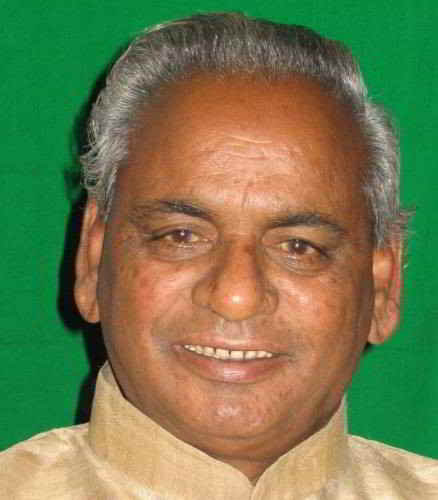
[vc_row][vc_column][vc_column_text]Kalyan Singh will be tried, too, in the Babri demolition case, after he loses immunity as governor
By Sujit Bhar
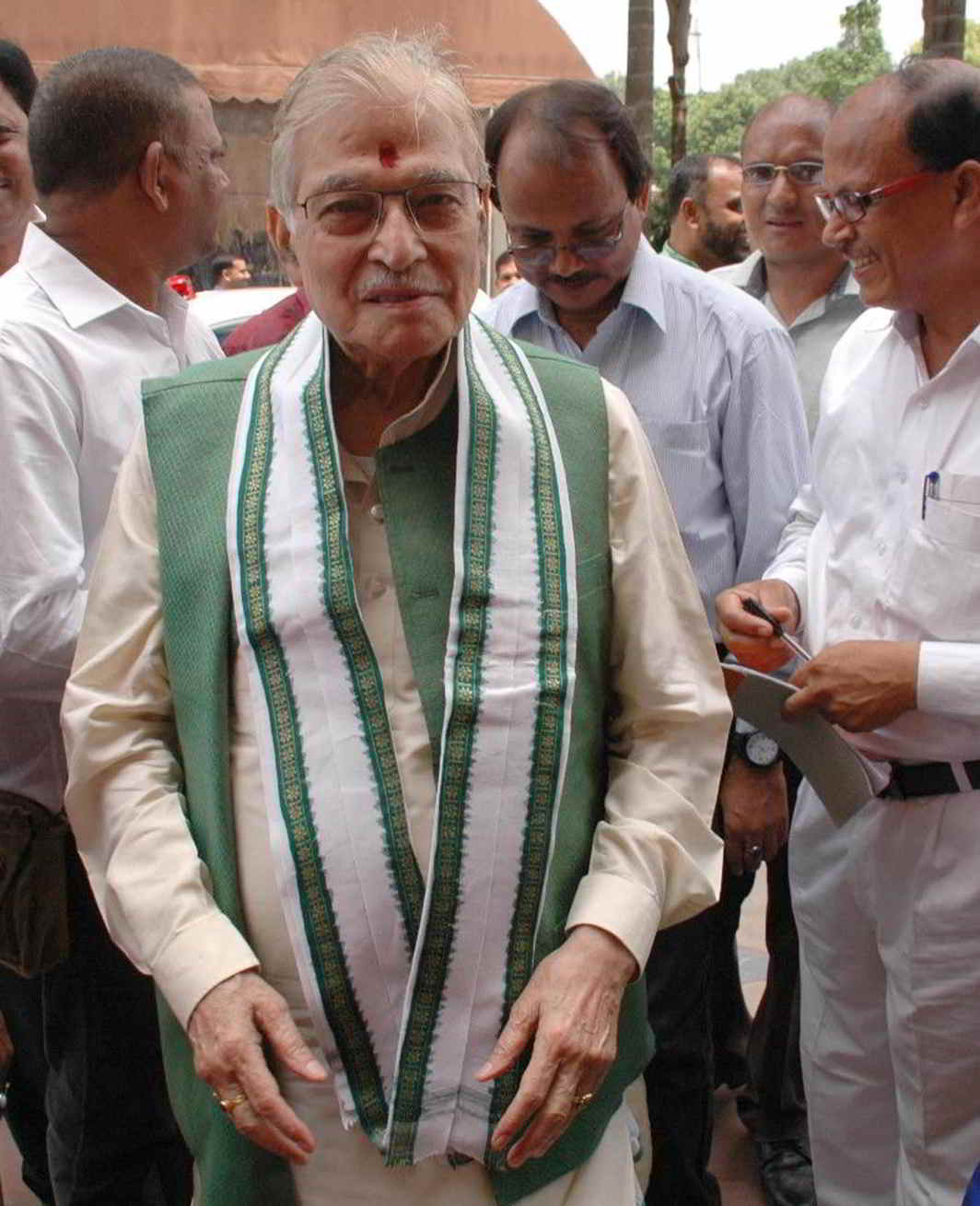
The Supreme Court on Wednesday (April 19) struck a major legal and political blow to the entrenched old guard of the Bharatiya Janata Party (BJP), when it ordered that leaders such as Lal Krishna Advani (who has been informally proposed to be the next President by Prime Minster Narendra Modi), Murli Manohar Joshi and Uma Bharti be brought back in the dock as accused in the 1992 (December 6) Babri Masjid demolition case.
Not only that; the top court of the country also ordered that Kalyan Singh, who was chief minister of Uttar Pradesh when the mosque was brought down by ‘kar sevaks’ and who is now Governor of Rajasthan, will enjoy immunity from prosecution only as long as he holds that post. He will also join the rest of the accused in the dock when his term as governor ends. If he completes his full term, he will be up for prosecution in late 2019.
Technically, this time period is a little over the two-year time frame that the Supreme Court has decided upon, to finish the case in a time-bound manner, with day-to-day hearings. However, those are details that remain as variables and could change with time.
The order, issued by the bench of Justices Pinaki Chandra Ghose and Rohinton Fali Nariman, also states that the two cases, now being heard in a court in Rae Bareily and another court in Lucknow, will be clubbed together and be heard in Lucknow. While the Rae Bareily court was dealing with the involvement of the said leaders, the Lucknow court was hearing petitions against “unknown” kar sevaks.[/vc_column_text][/vc_column][/vc_row][vc_row css=”.vc_custom_1492593690307{background-color: #e0e0e0 !important;}”][vc_column][vc_column_text css=”.vc_custom_1492593743241{margin-top: 10px !important;margin-right: 10px !important;margin-bottom: 10px !important;margin-left: 10px !important;border-top-width: 10px !important;border-right-width: 10px !important;border-bottom-width: 10px !important;border-left-width: 10px !important;background-color: #e0e0e0 !important;}”]SECTION 120B OF THE INDIAN PENAL CODE
The application of the section depends on the reading by the courts. The punishment can finally be light, but the very act of including 120b in the chargesheet implies that even leaders of the category of Advani and others can be tried as common accused.
120B. Punishment of criminal conspiracy:
(1) Whoever is a party to a criminal conspiracy to commit an offence punishable with death, 2[imprisonment for life] or rigorous imprisonment for a term of two years or upwards, shall, where no express provision is made in this Code for the punishment of such a conspiracy, be punished in the same manner as if he had abetted such offence.
(2) Whoever is a party to a criminal conspiracy other than a criminal conspiracy to commit an offence punishable as aforesaid shall be punished with imprisonment of either description for a term not exceeding six months, or with fine or with both.[/vc_column_text][/vc_column][/vc_row][vc_row][vc_column][vc_column_text]The enormity of the Supreme Court’s decision lies in the application, yet again, of the Indian Penal Code’s Section 120b on the leaders, which pertains to criminal conspiracy (See BOX). While a trial court had included their names in the chargesheet, the Allahabad High Court had later acquitted the leaders on technical grounds. This order of the Supreme Court, effectively nullifies that high court order.
This order of the apex court comes in reply to a CBI petition, asking for reinstatement of the leaders in the chargesheet, challenging the high court order.
 The act of demolition of the 16th century mosque had resulted in widespread communal riots across the country, with hundreds killed. The CBI contends that these leaders, led by the now 89-year-old Advani, were responsible for fomenting trouble and bringing down the mosque, creating massive communal disharmony.
Here are the other parts of this historic order by the SC:
- No adjournment shall be given on any ground.
- Sessions court to complete trial within 2 years.
- No transfer of judge until the proceedings are completed.
- Day-to-day hearing.
- No de novo
- The Sessions judge can approach SC whenever it feels that the order is not complied in letter and spirit.
[/vc_column_text][/vc_column][/vc_row][vc_row css=”.vc_custom_1492593690307{background-color: #e0e0e0 !important;}”][vc_column][vc_column_text css=”.vc_custom_1492593889546{margin-top: 10px !important;margin-right: 10px !important;margin-bottom: 10px !important;margin-left: 10px !important;border-top-width: 10px !important;border-right-width: 10px !important;border-bottom-width: 10px !important;border-left-width: 10px !important;background-color: #e0e0e0 !important;}”]Will not quit: Bharti
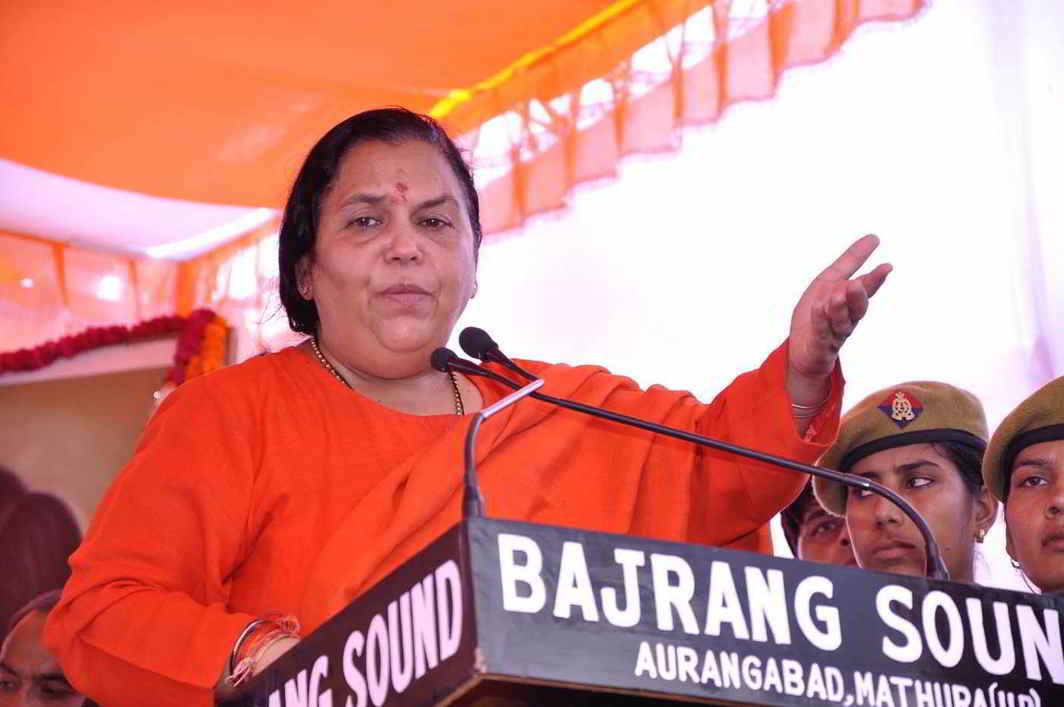 The 57-year-old Uma Bharti, Cabinet Minister for Water Resources, River Development and Ganga Rejuvenation, who has also been brought back to the accused list in the Babri demolition case by the Supreme Court, said on April 19 that come what may she won’t resign as minister. She said she was “ready to go to jail.”[/vc_column_text][/vc_column][/vc_row][vc_row][vc_column][vc_column_text]Political fallout
 Technically, this will not affect the current generation of leaders of the BJP. If anything – as experts have elucidated earlier – the current dispensation will, technically, be free of the overarching presence of ideologues from the past.
The method of letting the old out to ‘vanavas’ probably resonates with the current dispensation’s thought process. It is not sure, though, if this thought process would filter down to even newer generations within the party, with probably one day even Modi being let loose in front of Godhra riots hearings.
For the time being, though, it is a major loss of face for the BJP. It has to calibrate its response carefully to this judgement.
(Written with inputs from India Legal team)[/vc_column_text][/vc_column][/vc_row]





India News
Delhi Police offers 11-person limit for CJP’s Connaught Place protest
Delhi Police has offered to facilitate a group of 11 people at Central Park in Connaught Place for the Cockroach Janata Party’s October 16 protest, while warning that violations of prohibitory orders could invite legal action.


India News
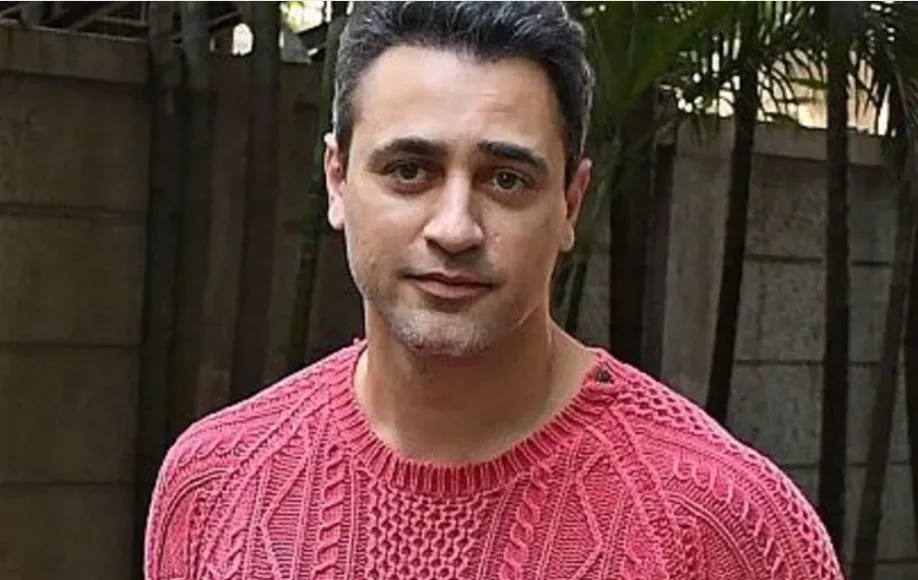
Actor Imran Khan asked to leave India after CJP protest
Actor Imran Khan has been asked to leave India by October 28, days after participating in a protest called by the Cockroach Janta Party (CJP) in Mumbai.
India News
Election Commission orders voter roll revision in 17 states, UTs
The Election Commission has ordered a Special Summary Revision of electoral rolls in 17 states and Union Territories. Draft rolls are scheduled for November 12, with final rolls due on January 4, 2027.

Dhruv Rathee gets fresh summons in 2018 BJP IT cell video case

Nobody can browbeat judiciary, Chief Justice warns over Rahul Gandhi’s march

India-US trade deal first phase finalised, drafting underway

Election Commission orders voter roll revision in 17 states, UTs

Actor Imran Khan asked to leave India after CJP protest

Delhi Police offers 11-person limit for CJP’s Connaught Place protest
Actor Imran Khan asked to leave India after CJP protest
Election Commission orders voter roll revision in 17 states, UTs
India-US trade deal first phase finalised, drafting underway
Nobody can browbeat judiciary, Chief Justice warns over Rahul Gandhi’s march

Afghan Men Try To Hang With The Jet Engine Of The Aircraft in Kabul- Afghanistan News – Kabul News
Trending Top 10 News: 10000 Crore Fine on Flipkart, Apple to Launch Unique Feature, Hdfc Bank Job Ad

Trending Top 10 News: Nokia 6310, Apple sales, Bachpan ka Pyar Video Kid, Dainik Bhaskar IT Raid

Trending Top 10 News: Canada bans Indian flights, Rain in Delhi NCR, AIMIM Twitter hacked, Raj Kundra case

Trending Top 10 News: Shein India, Apple New Service, Pocket Oxygen, Oppo Launched New Phone
-
 India News14 hours ago
Dhruv Rathee gets fresh summons in 2018 BJP IT cell video case
-
 India News11 hours ago
Nobody can browbeat judiciary, Chief Justice warns over Rahul Gandhi’s march
-
 India News6 hours ago
India-US trade deal first phase finalised, drafting underway
-
 India News4 hours ago
Election Commission orders voter roll revision in 17 states, UTs
-
 India News4 hours ago
Actor Imran Khan asked to leave India after CJP protest
-
 India News2 hours ago
Delhi Police offers 11-person limit for CJP’s Connaught Place protest
