
India News
Syria: Terrorists begin withdrawing heavy weapons in Idlib


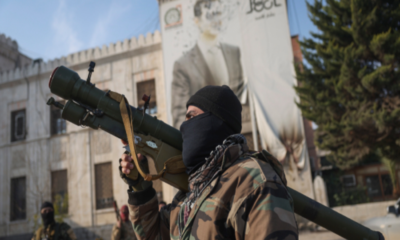
The fight against terrorism in Syria got another forward movement on Saturday when militant groups reportedly began to withdraw heavy weaponry from a demilitarized zone agreed by Turkey and Russia in Idlib province in northwest Syria.
This was confirmed by two Turkey-backed Syrian rebel officials to Reuters. A group commander said, “The process of withdrawing heavy weapons began this morning and will continue for a number of days.”
Russia also played important intermediary role in getting militants cleared from most of the occupied territories, including Raqqa, once considered to be the Islamic State capital, Aleppo, Eastern Ghouta, Sweida and several other places. The terrorists who are called militants by western media were disarmed and shifted by buses.
The official said the Turkey-backed National Front for Liberation (NFL) rebel alliance will extract its heavy weaponry – such as rocket launchers and artillery vehicles – and bring it 20 km from the contact line between insurgents in Syria’s militant-held Idlib province and government forces.
“Light and medium weapons and heavy machine guns up to 57 mm will remain in place,” the official said.
Read More: Turkey Warns Europe of More Syrian Refugees If Idlib Attacked
Under the deal agreed last month between Turkey and Russia, “radical” rebels will be required to withdraw by the middle of this month from the demilitarization zone.
The agreement has successfully halted a Syrian army offensive. The UN had warned such an attack would create a humanitarian catastrophe.
However, the main militant group in the Idlib area, Tahrir al-Sham, has yet to say whether it will comply with the agreement.
Read More: Syria war escalates: Russia strikes Idlib, Israel hits Hama and Tartus
Idlib, where terrorists and their sympathisers gathered from various Syrian areas, is the final destination for the Syrian forces and their Russian and Iranian backers, for the final assault.

US and Turkey have been opposing any major military offensive in the area. In Recent months, some terrorists were witnessed travelling in buses from Sweida, southern Syria, to Israel.
Meanwhile Syrian media reports that the US helicopters have reportedly airlifted foreign and wounded members of the Daesh (IS) terrorist group from oil-rich eastern Dayr al-Zawr Province, in north west Syria. The militants had been relocated from the town of al-Shaafah near the Iraqi border to an unknown location on Saturday night.

Tehran based Press TV reports that this is not the first airlifting of terrorists by the US in Syria as there have already been numerous reports of such transfers.





India News
Delhi Police offers 11-person limit for CJP’s Connaught Place protest
Delhi Police has offered to facilitate a group of 11 people at Central Park in Connaught Place for the Cockroach Janata Party’s October 16 protest, while warning that violations of prohibitory orders could invite legal action.


India News
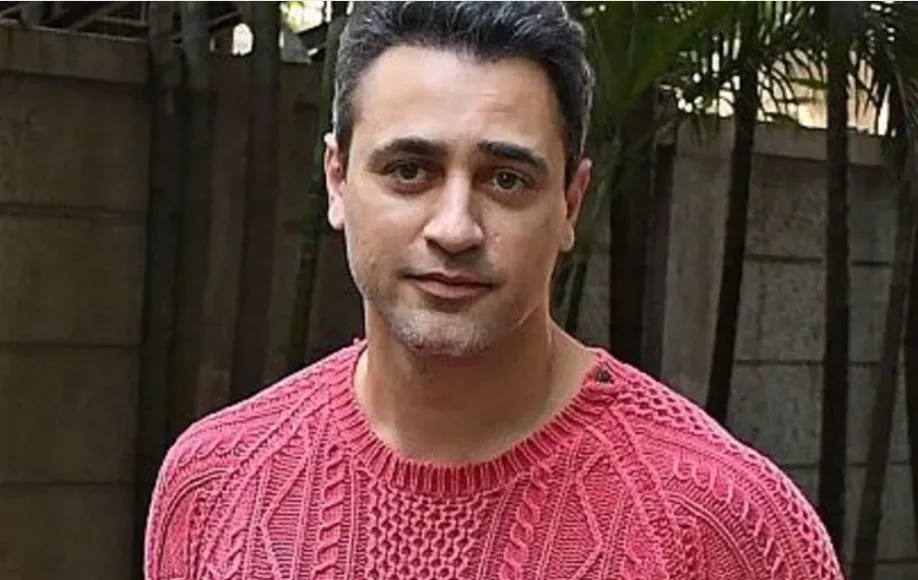
Actor Imran Khan asked to leave India after CJP protest
Actor Imran Khan has been asked to leave India by October 28, days after participating in a protest called by the Cockroach Janta Party (CJP) in Mumbai.
India News
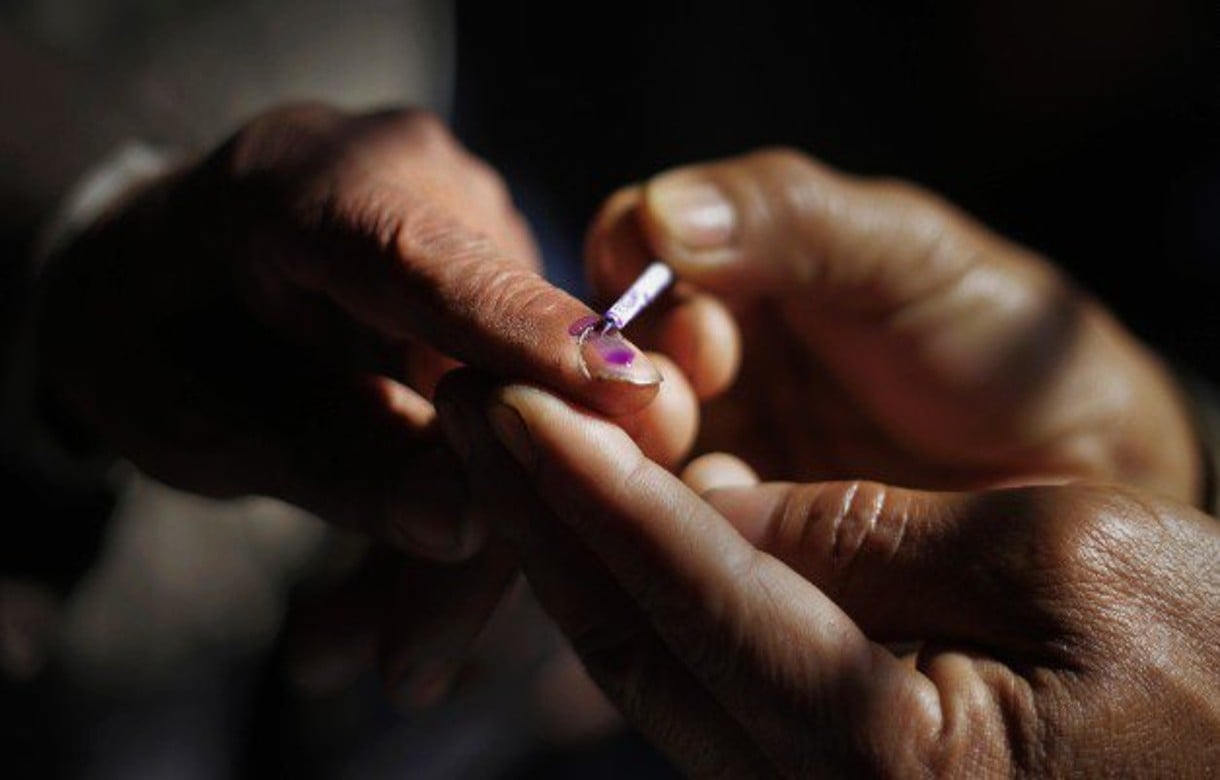
Election Commission orders voter roll revision in 17 states, UTs
The Election Commission has ordered a Special Summary Revision of electoral rolls in 17 states and Union Territories. Draft rolls are scheduled for November 12, with final rolls due on January 4, 2027.

Dhruv Rathee gets fresh summons in 2018 BJP IT cell video case

Nobody can browbeat judiciary, Chief Justice warns over Rahul Gandhi’s march

India-US trade deal first phase finalised, drafting underway

Election Commission orders voter roll revision in 17 states, UTs

Actor Imran Khan asked to leave India after CJP protest

Delhi Police offers 11-person limit for CJP’s Connaught Place protest
Actor Imran Khan asked to leave India after CJP protest
Election Commission orders voter roll revision in 17 states, UTs
India-US trade deal first phase finalised, drafting underway
Nobody can browbeat judiciary, Chief Justice warns over Rahul Gandhi’s march

Afghan Men Try To Hang With The Jet Engine Of The Aircraft in Kabul- Afghanistan News – Kabul News
Trending Top 10 News: 10000 Crore Fine on Flipkart, Apple to Launch Unique Feature, Hdfc Bank Job Ad

Trending Top 10 News: Nokia 6310, Apple sales, Bachpan ka Pyar Video Kid, Dainik Bhaskar IT Raid

Trending Top 10 News: Canada bans Indian flights, Rain in Delhi NCR, AIMIM Twitter hacked, Raj Kundra case

Trending Top 10 News: Shein India, Apple New Service, Pocket Oxygen, Oppo Launched New Phone
-
 India News15 hours ago
Dhruv Rathee gets fresh summons in 2018 BJP IT cell video case
-
 India News12 hours ago
Nobody can browbeat judiciary, Chief Justice warns over Rahul Gandhi’s march
-
 India News8 hours ago
India-US trade deal first phase finalised, drafting underway
-
 India News5 hours ago
Election Commission orders voter roll revision in 17 states, UTs
-
 India News5 hours ago
Actor Imran Khan asked to leave India after CJP protest
-
 India News4 hours ago
Delhi Police offers 11-person limit for CJP’s Connaught Place protest
