
India News
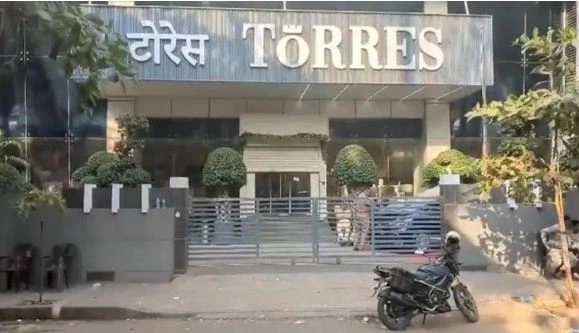
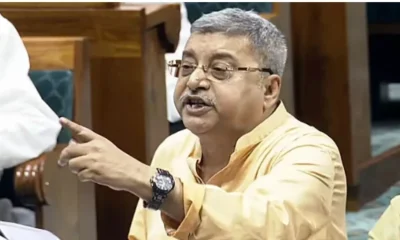
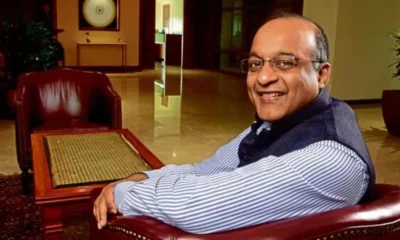
Mumbai jewellery chain scams thousands in Ponzi scheme; investors demand justice



India News
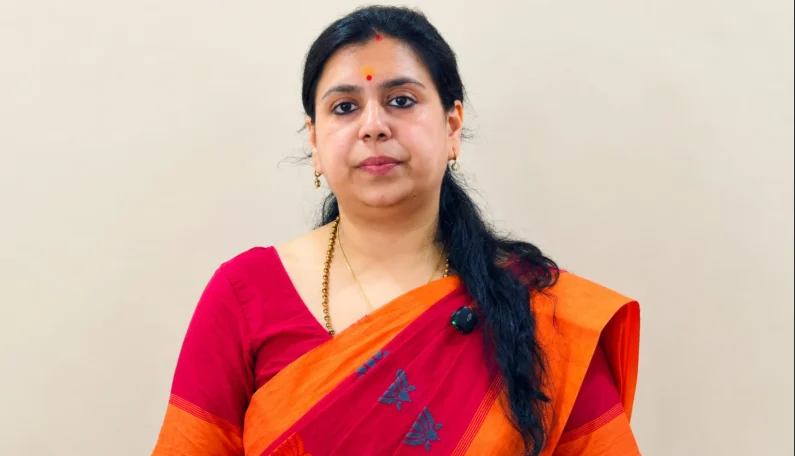
Former IAS officer Divya Mittal enters politics, rules out joining any party
Former IAS officer Divya Mittal has announced her entry into politics in Uttar Pradesh, saying she will not join any political party and will instead work with people.

India News
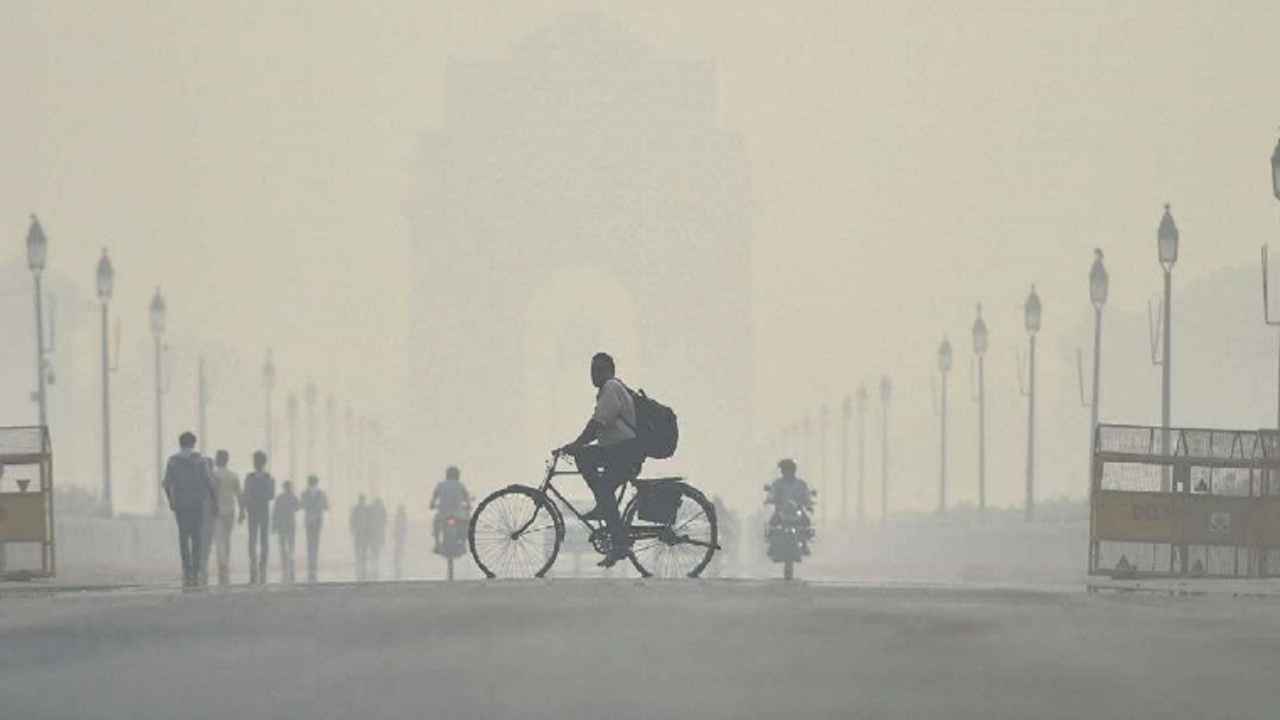
Delhi Winter Pollution Plan: Construction ban, 50% WFH and more
Delhi’s winter pollution plan includes construction curbs, dust-control measures, 50% work-from-home, higher parking charges and restrictions on certain vehicles.
India News
J&K Kathua Firing: Jawan kills 4 colleagues, including officer
Four personnel, including an officer, were killed after a jawan opened fire on colleagues at a camp in Jammu and Kashmir’s Kathua.

SIR Row: Maharashtra poll chief seeks more powers for local officials

Revanth Reddy under fire for Ram rich, Shiva poor remark

J&K Kathua Firing: Jawan kills 4 colleagues, including officer

Former IAS officer Divya Mittal enters politics, rules out joining any party

Delhi Winter Pollution Plan: Construction ban, 50% WFH and more
Former IAS officer Divya Mittal enters politics, rules out joining any party
Delhi Winter Pollution Plan: Construction ban, 50% WFH and more
J&K Kathua Firing: Jawan kills 4 colleagues, including officer
Revanth Reddy under fire for Ram rich, Shiva poor remark
SIR Row: Maharashtra poll chief seeks more powers for local officials

Afghan Men Try To Hang With The Jet Engine Of The Aircraft in Kabul- Afghanistan News – Kabul News
Trending Top 10 News: 10000 Crore Fine on Flipkart, Apple to Launch Unique Feature, Hdfc Bank Job Ad

Trending Top 10 News: Nokia 6310, Apple sales, Bachpan ka Pyar Video Kid, Dainik Bhaskar IT Raid

Trending Top 10 News: Canada bans Indian flights, Rain in Delhi NCR, AIMIM Twitter hacked, Raj Kundra case

Trending Top 10 News: Shein India, Apple New Service, Pocket Oxygen, Oppo Launched New Phone
-
 India News12 hours ago
SIR Row: Maharashtra poll chief seeks more powers for local officials
-
 India News11 hours ago
Revanth Reddy under fire for Ram rich, Shiva poor remark
-
India News1 hour ago
J&K Kathua Firing: Jawan kills 4 colleagues, including officer
-
 India News29 mins ago
Former IAS officer Divya Mittal enters politics, rules out joining any party
-
 India News48 mins ago
Delhi Winter Pollution Plan: Construction ban, 50% WFH and more
