English हिन्दी
Connect with us

India News

Back from Ukraine: Bihar student can’t shake off trauma of war, uncertainty over degree adds to stress

A sixth-semester student at the Ternopil National Medical University, Rishav shared the plight of Indian students stranded in the war-torn country and the subsequent evacuation via Romania by the Indian Embassy.


Published

on

Back from Ukraine: Bihar student can’t shake off trauma of war, uncertainty over degree adds to stress

Most medical students stranded in Ukraine have finally returned to India and must have breathed a sigh of relief but the fear is far from going away. Rishav Ranjan Mishra, an Indian student who recently returned from Ukraine, has not been able to forget the trauma of being helpless in the alien land under bombardment by Russian forces.

“He is fine now but he experienced the horrifying situation in the flesh. Deep down, he is still in shock and will take time to process the incident,” said his sister Pallavi.

The 22-year-old Mishra is from Bihar’s Patna and moved to Ukraine to study medicine like thousands of other Indians. A sixth-semester student at the Ternopil National Medical University, Rishav shared the plight of Indian students stranded in the war-torn country and the subsequent evacuation via Romania by the Indian Embassy.
“When Russian troops attacked the country for the first time and tension started escalating, we decided to fly back to India as early as possible. We reached Romania safely and the people took good care of all stranded Indians, who were desperate to return home,” said Rishav. 

Watch the video here:

He credited Bucharest Mayor Nicusor Dan with arranging food and shelter and not the Indian Embassy. However, the worst was yet to come. Complexities began when they reached the Romanian border and were not allowed to cross the border. Starving and cold, they stood in an ever-growing queue for more than 48 hours with their heavy luggage. 

Watch the video here:

When asked about the efforts made by the Indian Embassy, Rishav said, “Indian Embassy who? They didn’t even arrange food and toilets for us. Many fell sick due to excessive cold and toil.”

“The Indian Embassy failed to take care of its people. I am only thankful for the free tickets to India that Civil Aviation Minister Jyotiraditya Scindia gave us at the Romanian border on the third day. The Indian government asked us to stay strong. It’s easy to say but witnessing a war situation is not everyone’s cup of tea,” he added.

There’s not only one Rishav. Several other Rishavs are dealing with extreme fear and uncertainty as their careers are at stake. “My parents decided to send me to Ukraine for MBBS because there are not enough seats in government colleges in India and fees at private universities are exorbitant,” Rishav said. 

Hoping the Narendra Modi government will take relevant steps to save their careers, Rishav said, “I believe our government will help the students to get their transfers from the universities.”

Ukraine ranks fourth in the continent for having the largest number of graduate and post-graduate specialisations in the field of medicine. According to Ukraine’s Ministry of Education and Science, there are nearly 18,095 Indian students in the country and in 2020, 24 percent of its overseas students were from India. 

Rishav has not forgotten the war-torn home he has left: “We hope that tensions between Russia and Ukraine end soon.” 

India News

BJP focuses on religion as opposition pushes BDM strategy in UP

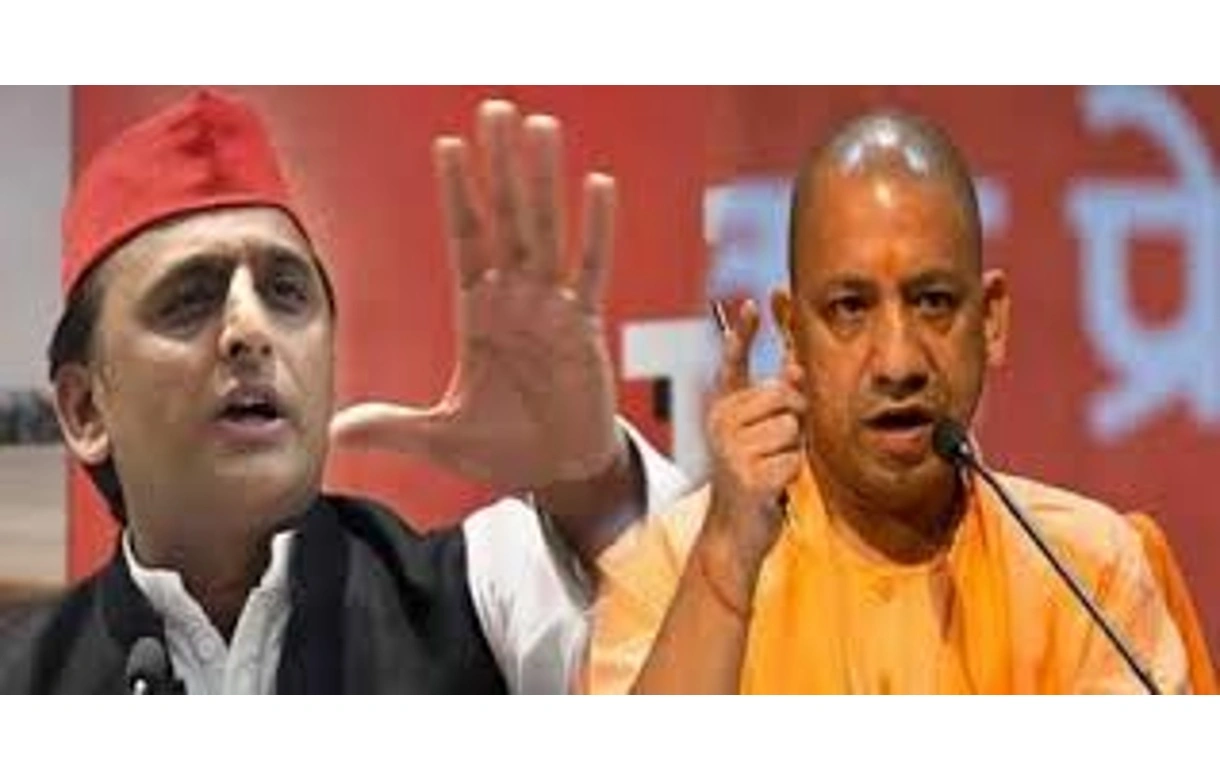
The BJP is emphasising religious issues ahead of the Uttar Pradesh Assembly elections, while opposition parties are seeking to consolidate Backward, Dalit and Minority voters. Recent exchanges involving Yogi Adityanath, Akhilesh Yadav and Asaduddin Owaisi have added to the political contest over the state’s electoral narrative.

Published

on

Ahead of the 2027 Uttar Pradesh Assembly elections, the BJP is emphasising religious issues, while opposition parties are seeking to build a coalition of Backward, Dalit and Minority voters. The competing approaches have brought caste representation and religious messaging to the forefront of the state’s political discourse.

Recent temple-related controversies in Kashi, Ayodhya, Mathura and Sambhal have brought religious messaging back into the political conversation. The developments have also coincided with exchanges between Chief Minister Yogi Adityanath and Samajwadi Party chief Akhilesh Yadav over possible electoral contests.

Yogi Adityanath, Akhilesh Yadav trade election challenges

The latest round of political exchanges followed Yogi Adityanath’s invocation of the “80-20” formula during the Rajya Sabha election. Akhilesh Yadav subsequently challenged the Chief Minister to contest from Ayodhya.

During his visit to Ayodhya, the Samajwadi Party president attended a Bhagwat Katha but did not visit the Ram Mandir for darshan. His visit, during which he attended a Bhagwat Katha but did not visit the Ram Mandir for darshan, became another point of political discussion.

The Chief Minister responded during a visit to Balrampur, asking Akhilesh Yadav to contest against him.

The exchanges continued as political leaders questioned the Samajwadi Party chief’s religious outreach. State minister Om Prakash Rajbhar asked why Yadav had not visited Mathura, while AIMIM chief Asaduddin Owaisi challenged him to contest from Sambhal.

Responding to questions about the challenges, Akhilesh Yadav said the Chief Minister does not decide which candidates the parties nominate.

At a press conference in Lucknow, Yadav also remarked, “What could be better than getting the Chief Minister’s chair without even contesting the election?” His comment suggested that Adityanath might not contest the Assembly elections.

Adityanath, meanwhile, said he was pleased to have several options available to him.

BJP works on its own caste coalition

Alongside its emphasis on religious issues, the BJP is also seeking to broaden its social support base through caste representation.

During the Rajya Sabha elections, the party fielded three candidates from Backward Classes, two Dalits, two Brahmins and one Rajput. The Backward Class candidates included representatives of the Pal, Kurmi and Lodh communities.

The report describes the BJP’s selection of candidates from the Sonkar and Rawat communities as an attempt to attract support among the Gaur and Jatav Dalit vote banks. Its selection of two Brahmins and one Rajput was also part of its outreach to upper-caste voters.

These choices reflect the BJP’s efforts to build a social coalition that extends beyond its religious messaging as the state approaches the next Assembly election.

Akhilesh Yadav balances caste outreach with temple politics

The Samajwadi Party is also combining its BDM approach with religious outreach, described in the report as “soft Hindutva”.

Akhilesh Yadav is overseeing the construction of the Kedareshwar Temple in Etawah. When questioned about not visiting the Ram Mandir during his Ayodhya trip, he said he was waiting for the temple’s “Pran Pratishtha”, or consecration ceremony, implying that the ceremony held in 2024 did not count.

Yadav has also raised the issue of alleged theft of offerings at the Ram Temple, a move the report interprets as an attempt to appeal to Hindu voters.

The competing strategies indicate that caste representation, religious issues and temple-related controversies are all featuring in political messaging ahead of the 2027 Uttar Pradesh Assembly elections.

Continue Reading

India News

L Murugan quits Union ministry to strengthen BJP in Tamil Nadu

L Murugan has resigned from his Union ministerial post and Rajya Sabha membership, saying he wants to return to grassroots politics and dedicate himself to strengthening the BJP in Tamil Nadu before the 2029 Lok Sabha elections.
Published

on

L Murugan

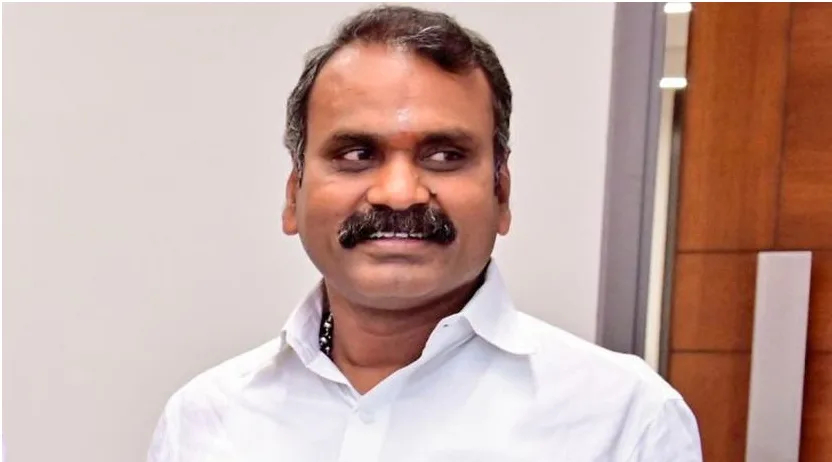
L Murugan has resigned from his position as Union Minister of State and his Rajya Sabha membership, saying he wants to return to grassroots politics and work towards strengthening the Bharatiya Janata Party (BJP) in Tamil Nadu ahead of the 2029 Lok Sabha elections.

Murugan, who held the portfolios of Information and Broadcasting and Parliamentary Affairs, announced his decision in a post on X on Tuesday, October 13. He described his time in the Union government under Prime Minister Narendra Modi’s leadership as a great honour and said he wanted to devote himself full-time to the party’s work in Tamil Nadu.

L Murugan says he wants to return to grassroots politics

In his post, Murugan expressed gratitude for the opportunity to serve in the Union Council of Ministers and highlighted his background as the son of daily-wage labourers.

He said he now wished to return to the grassroots, stand alongside BJP workers and dedicate his time to strengthening the party in Tamil Nadu before the next Lok Sabha elections.

Murugan’s stated objective is to help expand the BJP’s presence in the state and contribute to the party’s performance in the 2029 general elections.

Murugan’s resignation comes amid Cabinet reshuffle speculation

His decision comes amid speculation about a possible reshuffle in the Union government. The discussion gained momentum after several Rajya Sabha MPs and ministers, including Petroleum Minister Hardeep Singh Puri, were not renominated.

However, the report does not establish that the speculation about a Cabinet reshuffle was the reason for Murugan’s resignation. His publicly stated reason was his desire to return to grassroots work and strengthen the BJP in Tamil Nadu.

Murugan thanks PM Modi for the opportunity to serve

Murugan described serving India and Tamil Nadu under Modi’s leadership as one of the greatest privileges of his life. He also referred to his journey from a family of daily-wage labourers to the Union Council of Ministers.

His announcement places his immediate political focus on Tamil Nadu, with the BJP’s preparations for the 2029 Lok Sabha elections forming a central part of his stated plans.

Continue Reading

India News

Amit Shah attacks Rahul Gandhi over Congress poll losses, questions SIR row

Union Home Minister Amit Shah criticised Rahul Gandhi over the Opposition’s allegations concerning the Special Intensive Revision (SIR) of electoral rolls. Shah argued that the Congress had been losing elections before the exercise began after 2024 and cited the BJP’s victories in Gujarat’s civic polls.
Published

on

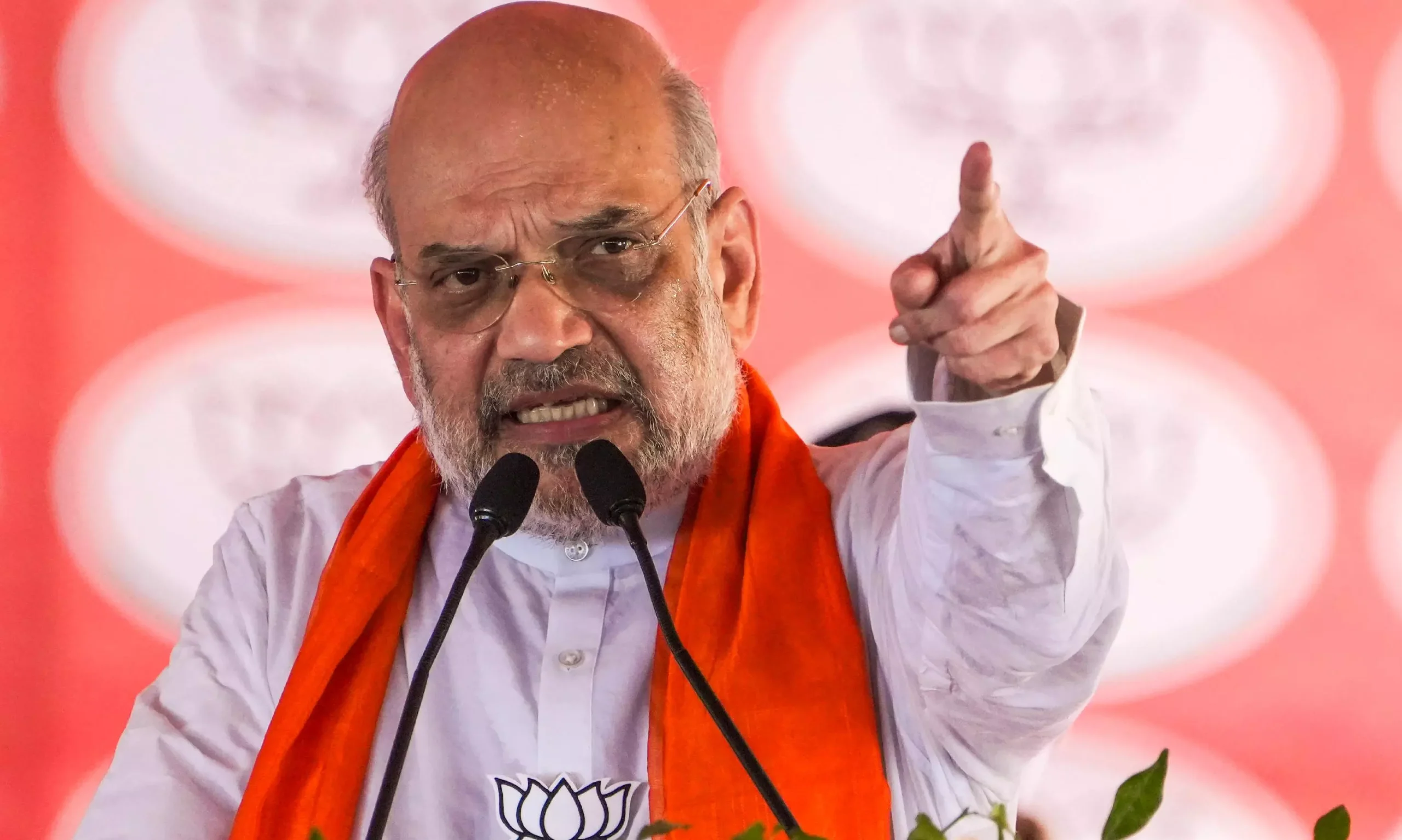
Union Home Minister Amit Shah on Tuesday criticised Rahul Gandhi over the Opposition’s allegations concerning the Special Intensive Revision (SIR) of electoral rolls. Shah argued that the Congress had been losing elections since Gandhi entered politics and questioned how the SIR exercise, which he said began after 2024, could explain the party’s electoral defeats.

His remarks came amid protests by Rahul Gandhi and other Opposition leaders demanding the resignation of Chief Election Commissioner Gyanesh Kumar over alleged irregularities in the SIR process.

Shah accused Gandhi of using the controversy to deflect attention from the Congress’s electoral setbacks. He argued that the party’s history of defeats could not simply be attributed to changes in voter lists.

Amit Shah cites BJP’s Gujarat civic poll victories

Shah referred to the BJP’s recent performance in Gujarat’s local body elections, particularly in Gandhinagar, where the party retained control of the municipal corporation.

The BJP won 38 of the 44 seats in the Gandhinagar Municipal Corporation. The BJP also retained control of the Thara and Okha municipalities, according to the report.

Shah cited these results while defending the BJP’s electoral performance and asserting that the victories reflected the popularity of the party and Prime Minister Narendra Modi.

Shah questioned the Opposition’s attempt to link the Congress’s electoral defeats to the SIR exercise, citing the party’s electoral record as part of his argument.

Rahul Gandhi vows to continue Opposition protests

Shah’s comments followed a press conference by Rahul Gandhi, who reiterated that the Opposition would continue its campaign against what it alleges are irregularities in the SIR process and concerns over the functioning of Chief Election Commissioner Gyanesh Kumar.

Gandhi said the political resistance would continue, framing the campaign as a fight for the restoration of democracy.

The Congress and other Opposition leaders have raised concerns about the electoral roll revision process, while the BJP has defended its electoral record and challenged the Opposition’s explanations for its defeats.

Shah’s remarks added to the political confrontation between the BJP and Congress over electoral processes, voter lists and the interpretation of recent election results.

Continue Reading

Trending

© Copyright 2022 APNLIVE.com