
India News
US urge Security Council to punish Iran for malign behaviour


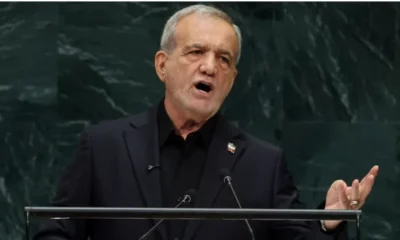
Iran’s leader Ayatollah Khemenei denounce Western states
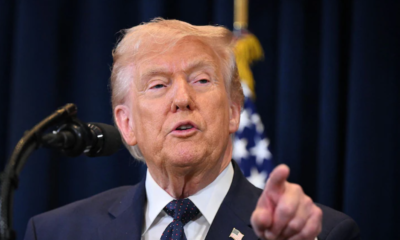
Confrontation between US and Iran continues unabatedly. Wednesday witnessed United States administration urging UN Security Council members to punish Iran for “malign behaviour”, while Iran’s supreme leader Ayatollah Ali Khamenei denounced the “Western states” for their pretence of advocating human rights.
According to AFP, Jonathan Cohen, the US deputy ambassador to UN said, “When confronted with a country that continually violates this council’s resolutions, it is imperative that we pursue meaningful consequences. That is why we urge members of this Council to join us in the imposition of sanctions that target Iran’s malign behaviour in the region.”
Cohen once again accused Iran of supplying missiles to the Houthi militias in Yemen in violation of an international arms embargo.

The is the first UNSC meeting after US President Donald Trump announced withdrawal from multilateral Iran nuclear deal, known as JCPOA, signed between Iran and P5+1 (five permanent Security Council members plus Germany).
On May 24, the International Atomic Energy Agency (IAEA) confirmed Iran’s compliance of the agreement for the eleventh time.
Read More: Sushma meets Mogherini, discuss bilateral ties, Iran deal
In the ongoing war initiated by Saudi-led coalition against Yemen has turned severe recently when a fresh aggression to remove Houthi armed forces from Hudaidah. In recent months Houthi Ansarullah armed forces have been hitting several targets in Saudi Arabia by missiles. Saudi Arabia, US and their regional allies have been alleging Iran for supplying the missiles.
Saudi Arabia’s official Al-Arabiya reports that recently the United Nations said that missile components fired at Saudi Arabia had been manufactured in Iran, but world body’s officials were unable to determine if they had been delivered before or after the July 2016 imposition of an arms embargo on Yemen.

According to Press TV, while addressing judiciary officials on Wednesday in Tehran, Ayatollah Khamenei made reference to human rights violations committed by the US in various parts of the world as well as France and Britain’s crimes of the past decades which took place in Africa and Indian subcontinent.
Iranian leader reiterated that the West’s support over the past years for the Daesh (IS) terror group in Syria and the atrocities being committed in Myanmar and elsewhere “is indicative of the repeated lies of the shameless fake human rights advocates.”
Read More: India to continue trade with Iran despite US sanctions threat
All permanent UN Security Council members, except US, have been supporting Iran nuclear deal while Israel and Saudi Arabia have been supporting Trump’s decision to withdrawal from the multilateral nuclear agreement. Recently European Union and Iran have been in discussion for finding ways to continue their trade and investment activities despite US sanctions.
US has on Tuesday warned nations to stop buying Iranian oil before November 4, the deadline to impose sanctions.
Read More: US asks nations to stop Iranian oil import by Nov.4 or face sanctions
India has been assuring Iran for continuing the purchase of their oil and trade in other areas. Minister of External Affairs Sushma Swaraj has recently said that India honour UN sanctions and not specific country’s assertions. Union Minister Nitin Gadkari has also recently said in Dushanbe, the capital of Tajikistan that India was trying to make the strategic Chabahar port in Iran by 2019.
Read More: India sends first wheat shipment for Afghanistan via Iranian Chabahar port



India News
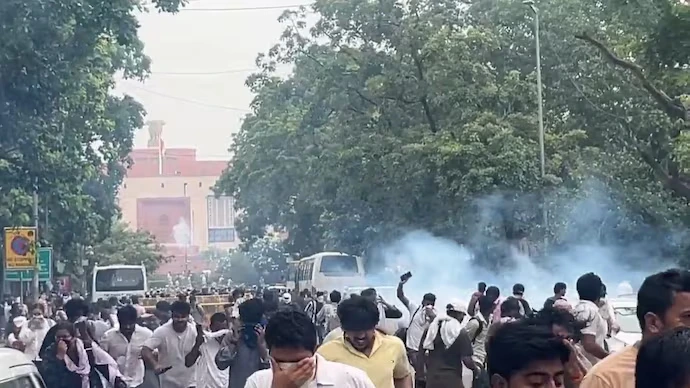
Delhi deploys 25,000 personnel, installs CCTV cameras ahead of CJP march
More than 25,000 police and paramilitary personnel have been deployed in Delhi ahead of the CJP’s planned protest march at Connaught Place. Authorities have also imposed restrictions and stepped up CCTV surveillance.

India News
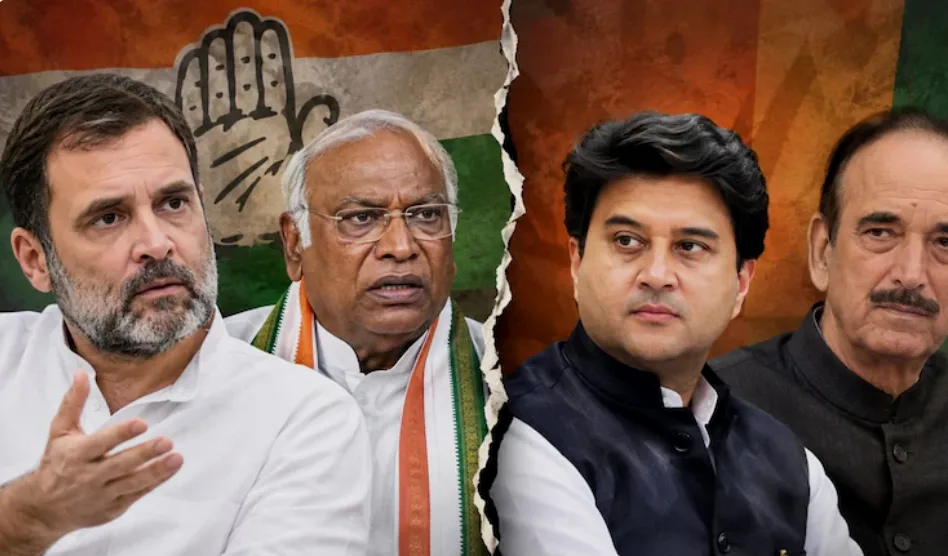
Mallikarjun Kharge’s ‘Your Friends’ jab at Rahul Gandhi over congress exits
Congress president Mallikarjun Kharge took a dig at Rahul Gandhi after the Leader of the Opposition reportedly described former party leaders Jyotiraditya Scindia and Ghulam Nabi Azad as among those who had left the Congress.
India News
Delhi Police offers 11-person limit for CJP’s Connaught Place protest
Delhi Police has offered to facilitate a group of 11 people at Central Park in Connaught Place for the Cockroach Janata Party’s October 16 protest, while warning that violations of prohibitory orders could invite legal action.


India-US trade deal first phase finalised, drafting underway

Election Commission orders voter roll revision in 17 states, UTs

Actor Imran Khan asked to leave India after CJP protest

Delhi Police offers 11-person limit for CJP’s Connaught Place protest

Mallikarjun Kharge’s ‘Your Friends’ jab at Rahul Gandhi over congress exits

Magnitude 7 earthquake strikes Russia’s Kamchatka Peninsula

Delhi deploys 25,000 personnel, installs CCTV cameras ahead of CJP march
Mallikarjun Kharge’s ‘Your Friends’ jab at Rahul Gandhi over congress exits
Delhi Police offers 11-person limit for CJP’s Connaught Place protest
Actor Imran Khan asked to leave India after CJP protest

Afghan Men Try To Hang With The Jet Engine Of The Aircraft in Kabul- Afghanistan News – Kabul News
Trending Top 10 News: 10000 Crore Fine on Flipkart, Apple to Launch Unique Feature, Hdfc Bank Job Ad

Trending Top 10 News: Nokia 6310, Apple sales, Bachpan ka Pyar Video Kid, Dainik Bhaskar IT Raid

Trending Top 10 News: Canada bans Indian flights, Rain in Delhi NCR, AIMIM Twitter hacked, Raj Kundra case

Trending Top 10 News: Shein India, Apple New Service, Pocket Oxygen, Oppo Launched New Phone
-
 India News23 hours ago
India-US trade deal first phase finalised, drafting underway
-
 India News21 hours ago
Election Commission orders voter roll revision in 17 states, UTs
-
 India News20 hours ago
Actor Imran Khan asked to leave India after CJP protest
-
 India News19 hours ago
Delhi Police offers 11-person limit for CJP’s Connaught Place protest
-
 India News8 hours ago
Mallikarjun Kharge’s ‘Your Friends’ jab at Rahul Gandhi over congress exits
-
 India News7 hours ago
Delhi deploys 25,000 personnel, installs CCTV cameras ahead of CJP march
-
 Latest world news7 hours ago
Magnitude 7 earthquake strikes Russia’s Kamchatka Peninsula
