
India News
Walls of hatred erected in name of religion, dissent stifled, is this the India we dreamt of? Naseeruddin Shah in Amnesty video


[vc_row][vc_column][vc_column_text]In another statement certain to invite trolls once again, noted actor Naseeruddin Shah said walls of hatred are being erected in the name of religion in India and those who stand against this “injustice” are being punished, there is no space for dissent, artistes, scholars, poets are being stifled, journalists are being silenced.
The actor said this in a video released on Friday by Amnesty India against alleged government “crackdown” on NGOs.
In the 2 minute 13 second solidarity video for the human rights watchdog, Shah said those who demand rights are being locked up. “Artistes, actors, scholars, poets are all being stifled. Journalists too are being silenced,” he said in the video message.
“In the name of religion, walls of hate are being erected. Innocents are being killed. The country is awash with horrific hatred and cruelty,” he claimed.
He said that those who stood against this “injustice” were having their offices raided, licences cancelled and bank accounts frozen to silence them so that they were deterred from speaking the truth.
Last year, five prominent activists were arrested over their alleged involvement in the Bhima Koregaon violence.
In October last year, the Enforcement Directorate had raided Amnesty India’s headquarters and its director Aakar Patel’s residence in Bengaluru for allegedly receiving Rs 36 crore foreign funds from overseas in violation of the Foreign Direct Investment (FDI) guidelines.
In response to the raids, Amnesty had accused the Modi government of “treating” human rights groups like “criminal enterprises”. “We could not agree more with the Prime Minister (Narendra Modi) when he says that periods of repression, like during the Emergency, have left a stain on India’s history. Sadly, those dark days are now casting a shadow over India again,” Amnesty had said in a statement.[/vc_column_text][/vc_column][/vc_row][vc_row][vc_column][vc_column_text css=”.vc_custom_1546693295859{border-top-width: 10px !important;border-right-width: 10px !important;border-bottom-width: 10px !important;border-left-width: 10px !important;padding-top: 10px !important;padding-right: 10px !important;padding-bottom: 10px !important;padding-left: 10px !important;background-color: #e5e5e5 !important;border-radius: 10px !important;}”]Naseeruddin Shah starts by talking about the adoption of Constitution in India and then expressing concern over the oppression of the poorest.
“The Constitution of India was adopted on 26th January 1949,” Shah said. (The Constitution of India which was adopted by the Constituent Assembly on 26th November, 1949 and came into force on 26th January, 1950.)
He added, “From the beginning, its core value aimed at ensuring social, economic and political justice for everyone in India. For everyone have the liberty of thought, expression, faith and worship. For everyone to be treated equally. For every person’s right to life to be respected. In our country, those who helped save the homes, lands and livelihood of the poorest, those who speak not just responsibilities but of rights, and those who raise their voice against corruption-they are safeguarding that same Constitution.”
“But now, those who demand rights are being locked away. Artists, actors scholars, poets are all being stifled. Journalists too are being silenced. In the name of religion, walls of hate are being erected. Innocents are being killed. The country is awash with horrific hatred and cruelty. And those who stand against this injustice are having their office raided, their licence cancelled, their bank accounts frozen, their voice silenced. Only so that they are deterred from speaking the truth,” says Shah in the video.
“Is this where our country is headed? Had we dreamt of a country where there was no space for dissent, where only the rich and powerful are heard and where the poorest and most vulnerable are oppressed? Where there once was law, there is now only darkness,” he said in the video in Urdu.[/vc_column_text][/vc_column][/vc_row][vc_row][vc_column][vc_column_text]Under the hashtag of #AbkiBaarManavAdhikaar, Amnesty said India had witnessed a massive crackdown on freedom of expression and human rights defenders.
“Let’s stand up for our constitutional values this new year and tell the Indian government that its crackdown must end now,” the Amnesty said.
Aakar Patel of Amnesty India, said it might seem that the odds were against human rights defenders and civil society in India at the moment, but human rights had always won and would this time also.
Shah had stoked a controversy last month in the wake of a mob violence that broke out in Uttar Pradesh’s Bulandshahr on December 3 over alleged cow slaughter when he had said that the death of a cow had more significance than that of a police officer.
The violence led to the death of two men, including police inspector Subodh Kumar Singh.
“I feel anxious for my children because tomorrow if a mob surrounds them and asks if you are you a Hindu or a Muslim, they will have no answer,” Shah had said.
Separately, a hate tracker initiative by IndiaSpend said about 98% (119) of hate crimes took place after 2014 when the BJP government led by Prime Minister #NarendraModi took charge at the Centre. In 280 religious identity-based #hatecrimes reported in India between Jan 2009 & Jan 04, 2019, at least 100 persons were killed & 692 injured. In 2018, of the 54 victims in 30 incidents, 70% were Muslims and 11% were adivasis. Of the 30 incidents, 20 were in BJP ruled states.
A graphic of incidents since 2009:
[/vc_column_text][/vc_column][/vc_row]










India News
Delhi Police offers 11-person limit for CJP’s Connaught Place protest
Delhi Police has offered to facilitate a group of 11 people at Central Park in Connaught Place for the Cockroach Janata Party’s October 16 protest, while warning that violations of prohibitory orders could invite legal action.


India News
Actor Imran Khan asked to leave India after CJP protest
Actor Imran Khan has been asked to leave India by October 28, days after participating in a protest called by the Cockroach Janta Party (CJP) in Mumbai.
India News
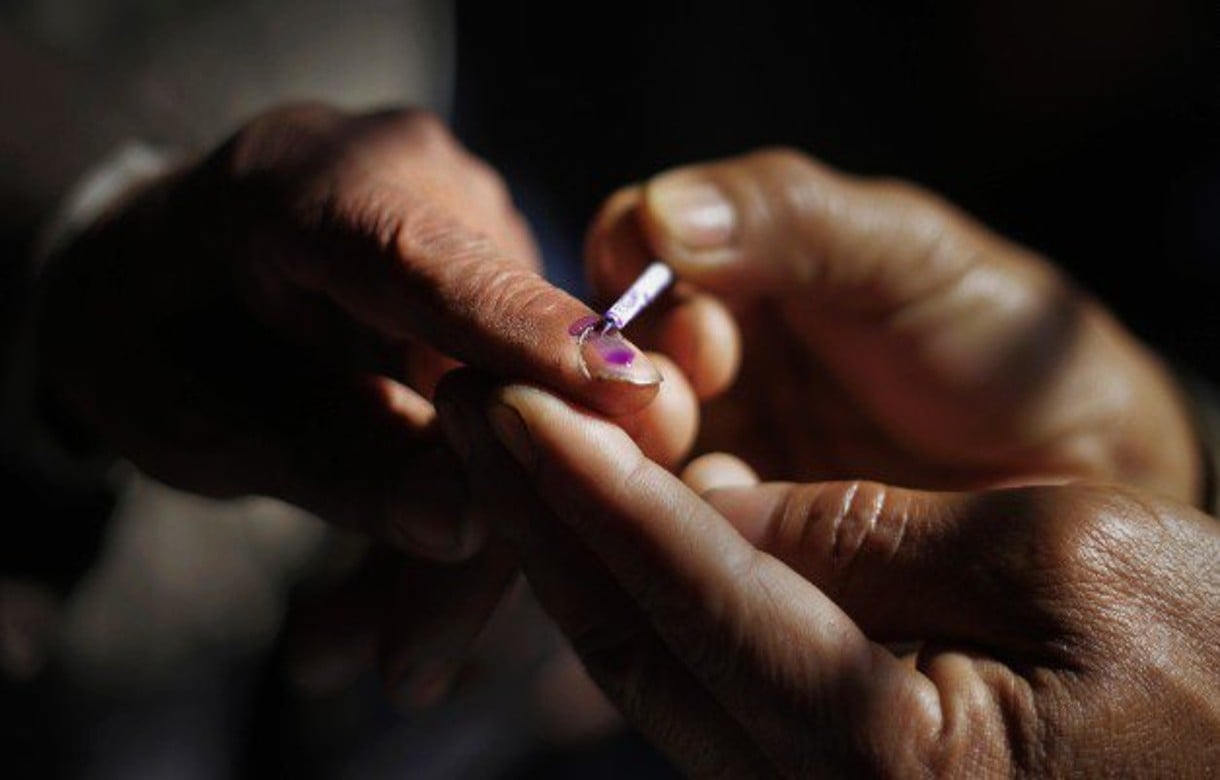
Election Commission orders voter roll revision in 17 states, UTs
The Election Commission has ordered a Special Summary Revision of electoral rolls in 17 states and Union Territories. Draft rolls are scheduled for November 12, with final rolls due on January 4, 2027.

Dhruv Rathee gets fresh summons in 2018 BJP IT cell video case

Nobody can browbeat judiciary, Chief Justice warns over Rahul Gandhi’s march

India-US trade deal first phase finalised, drafting underway

Election Commission orders voter roll revision in 17 states, UTs

Actor Imran Khan asked to leave India after CJP protest

Delhi Police offers 11-person limit for CJP’s Connaught Place protest
Actor Imran Khan asked to leave India after CJP protest
Election Commission orders voter roll revision in 17 states, UTs
India-US trade deal first phase finalised, drafting underway
Nobody can browbeat judiciary, Chief Justice warns over Rahul Gandhi’s march

Afghan Men Try To Hang With The Jet Engine Of The Aircraft in Kabul- Afghanistan News – Kabul News
Trending Top 10 News: 10000 Crore Fine on Flipkart, Apple to Launch Unique Feature, Hdfc Bank Job Ad

Trending Top 10 News: Nokia 6310, Apple sales, Bachpan ka Pyar Video Kid, Dainik Bhaskar IT Raid

Trending Top 10 News: Canada bans Indian flights, Rain in Delhi NCR, AIMIM Twitter hacked, Raj Kundra case

Trending Top 10 News: Shein India, Apple New Service, Pocket Oxygen, Oppo Launched New Phone
-
 India News13 hours ago
Dhruv Rathee gets fresh summons in 2018 BJP IT cell video case
-
 India News9 hours ago
Nobody can browbeat judiciary, Chief Justice warns over Rahul Gandhi’s march
-
 India News5 hours ago
India-US trade deal first phase finalised, drafting underway
-
 India News2 hours ago
Election Commission orders voter roll revision in 17 states, UTs
-
 India News2 hours ago
Actor Imran Khan asked to leave India after CJP protest
-
 India News1 hour ago
Delhi Police offers 11-person limit for CJP’s Connaught Place protest
