
India News
We acted with restraint, did nothing wrong: Khattar on Dera violence in Panchkula

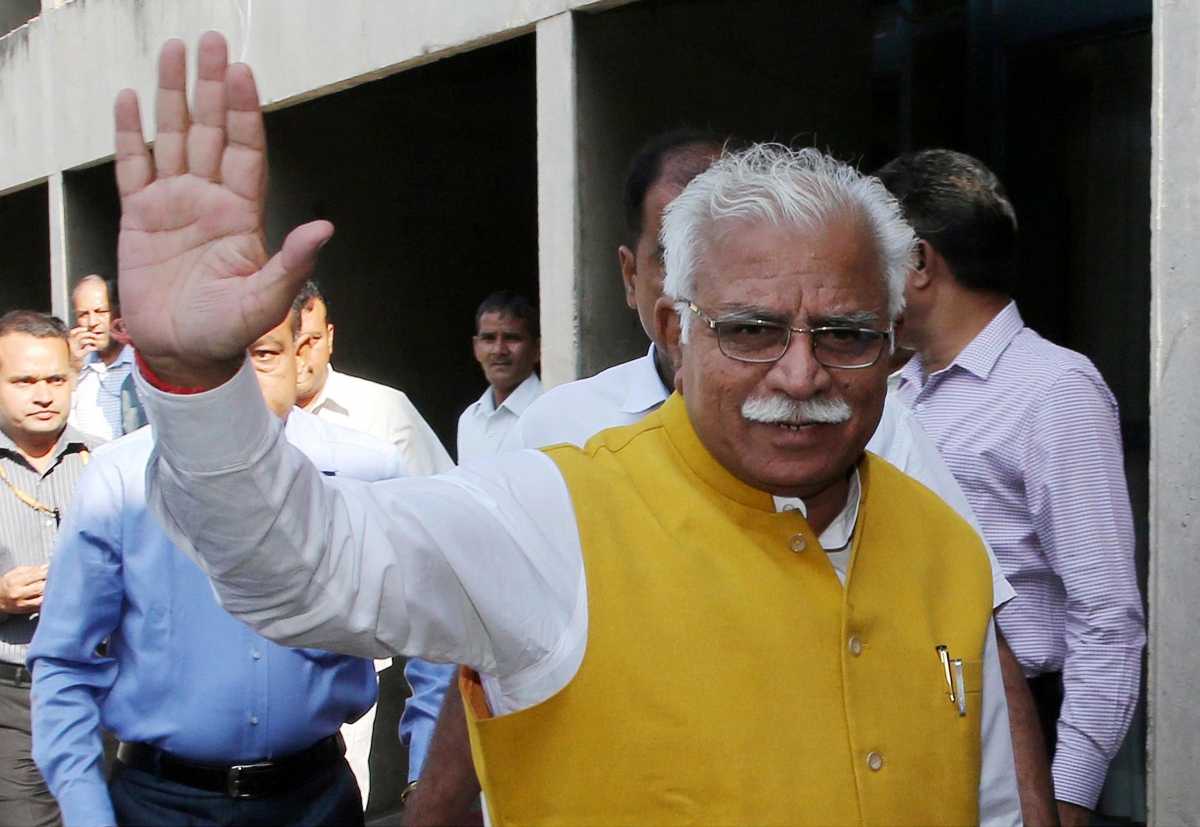
[vc_row][vc_column][vc_column_text]The Haryana chief minister rejected vociferous calls for his resignation in the wake of his government’s absolute mishandling of the law and order situation last week following the conviction of Dera Sacha Sauda chief Gurmeet Ram Rahim in a rape case
Amid calls for his resignation and severe reprimands from the Punjab and Haryana High Court over his government’s abject failure in controlling the violence by Dera Sacha Sauda followers last week and it “complete collusion” with the rioters, a brazen Haryana chief minister Manohar Lal Khattar said that those seeking his ouster can keep doing so because his government did nothing wrong.
Khattar, who was on New Delhi on Wednesday, to meet BJP national president Amit Shah rejected the calls for his resignation in the wake of the Dera Sacha Sauda violence, saying his government reacted befittingly to the situation.
“We acted with restraint to execute the court’s orders and we succeeded in achieving our objective,” Khattar told reporters after meeting Shah.
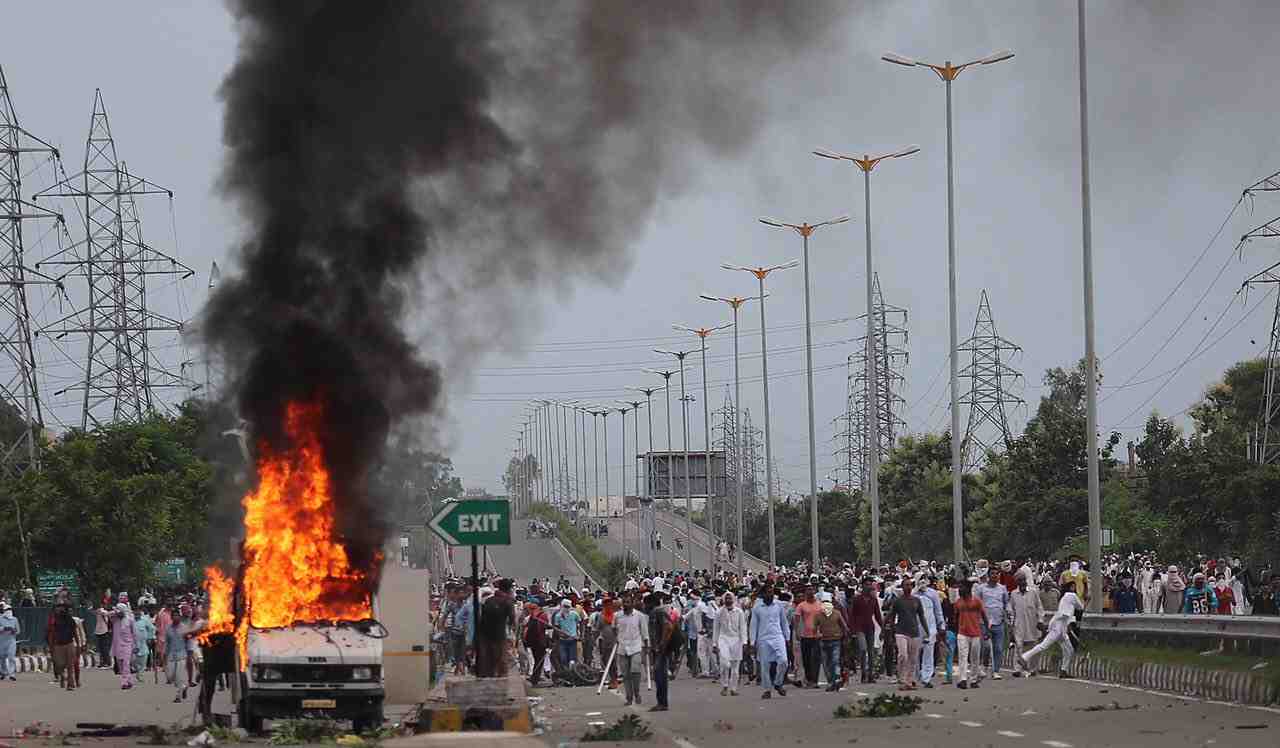
With his party standing firmly behind him despite the obvious lapses of his government that allowed rioters to unleash violence across Haryana minutes after Dera chief Gurmeet Ram Rahim Singh was convicted by a CBI special court in Panchkula on Friday for raping two of his followers back in 2002, Khattar remained defiant on the question of his resignation.
“Jo maangta hai, vo maangta rahe. Humne apna kaam acchi tarah kiya tha (Whoever is asking for my resignation, can keep doing so. We did our work well),” Khattar said. “We are satisfied with our actions. Whatever we did was right. Now there is peace in Haryana,” he insisted.
Khattar submitted a report to Shah on the violence that erupted on August 25 after rapist godman Gurmeet Ram Rahim Singh was convicted. The violence that had spread to neighbouring states of Punjab, Delhi and Rajasthan had claimed 38 lives – all in Khattar’s state – while property worth crores of rupees was burnt down by the arsonists in these states.
The Punjab and Haryana High Court had come down heavily not just on Khattar and his government, which it said was in “complete collusion” with Dera followers for its “own political gains” but the judges had even reprimanded Prime Minister Narendra Modi – telling the Centre’s law officer that Modi is “Prime Minister of India and not just the BJP”.[/vc_column_text][/vc_column][/vc_row]






India News
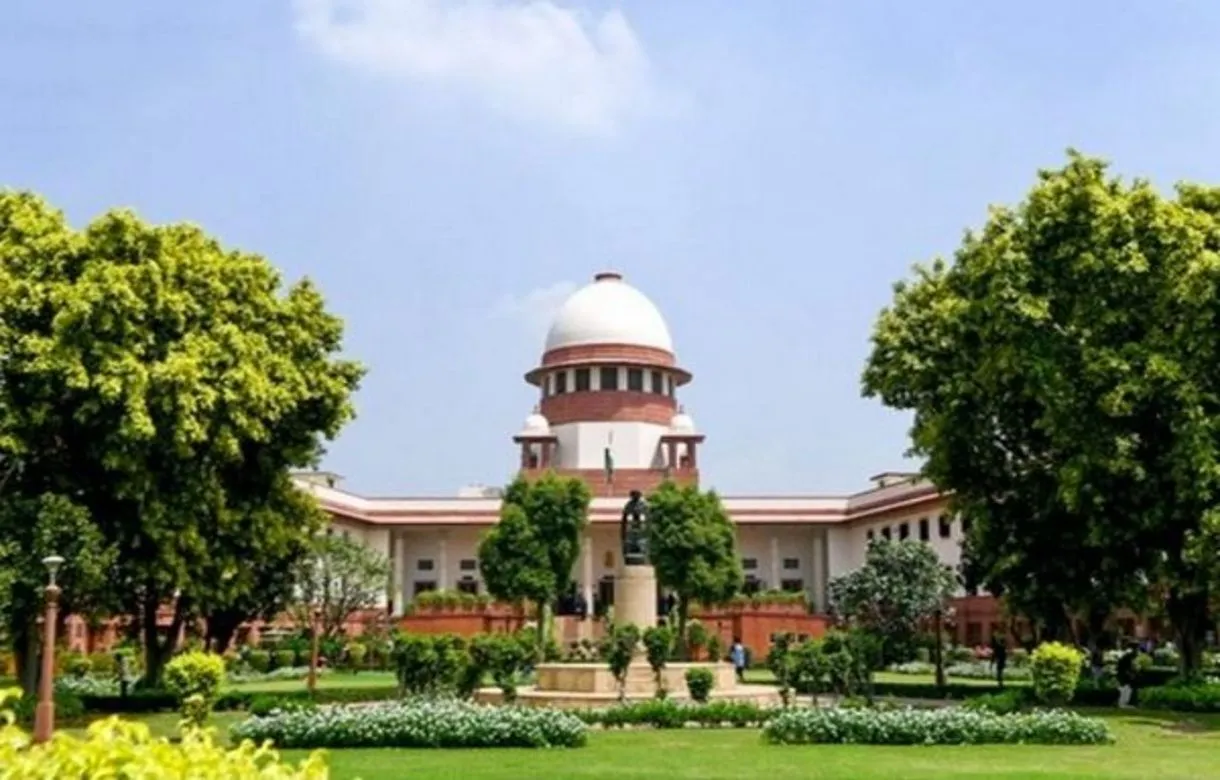
Supreme Court questions EC over missing records in Sringeri election dispute
The Supreme Court questioned the Election Commission over missing video footage of the 2023 counting in Karnataka’s Sringeri constituency. The case involves a revised result following a recount of postal ballots.

India News
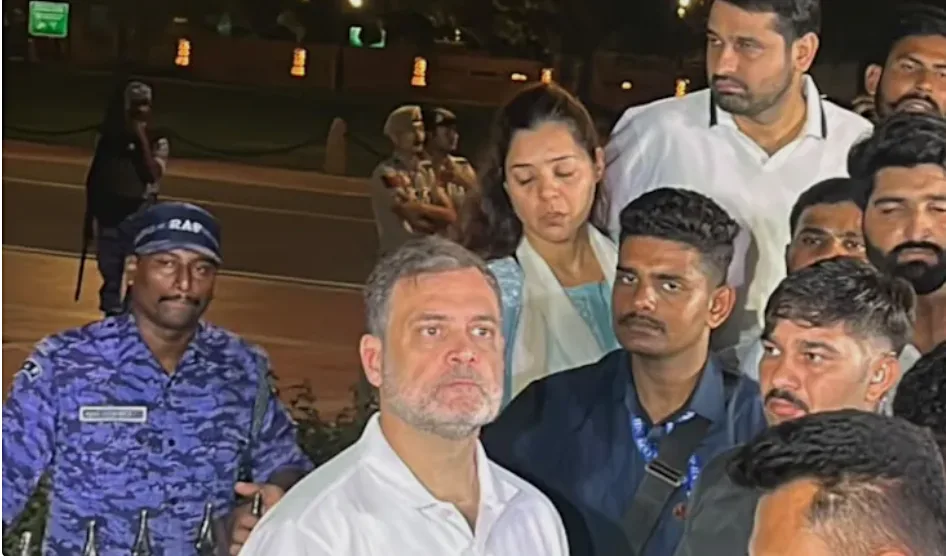
Rahul Gandhi joins India Gate protest by Ankita Bhandari’s parents
Rahul Gandhi joined the protest by Ankita Bhandari’s parents at India Gate in New Delhi on October 14. The demonstration has brought renewed attention to the 2022 murder case and the family’s concerns following Dushyant Gautam’s appointment as Sikkim Governor.
India News
Meerut murder: Muskaan Rastogi and Sahil Shukla get death sentence
A Meerut court has sentenced Muskaan Rastogi and Sahil Shukla to death in the blue drum murder case involving the killing of merchant navy officer Saurabh Rajput in March 2025.

CJP leaders Saurav Das, Ashutosh Ranka, Ajinkya Shinde sent to 5-day judicial custody

S Jaishankar says India is a natural option for Russia amid Europe tensions

PM Modi speaks to Mark Carney as India and Canada push to strengthen ties

Meerut murder: Muskaan Rastogi and Sahil Shukla get death sentence

Rahul Gandhi joins India Gate protest by Ankita Bhandari’s parents

Supreme Court questions EC over missing records in Sringeri election dispute
Rahul Gandhi joins India Gate protest by Ankita Bhandari’s parents
Meerut murder: Muskaan Rastogi and Sahil Shukla get death sentence
PM Modi speaks to Mark Carney as India and Canada push to strengthen ties
S Jaishankar says India is a natural option for Russia amid Europe tensions

Afghan Men Try To Hang With The Jet Engine Of The Aircraft in Kabul- Afghanistan News – Kabul News
Trending Top 10 News: 10000 Crore Fine on Flipkart, Apple to Launch Unique Feature, Hdfc Bank Job Ad

Trending Top 10 News: Nokia 6310, Apple sales, Bachpan ka Pyar Video Kid, Dainik Bhaskar IT Raid

Trending Top 10 News: Canada bans Indian flights, Rain in Delhi NCR, AIMIM Twitter hacked, Raj Kundra case

Trending Top 10 News: Shein India, Apple New Service, Pocket Oxygen, Oppo Launched New Phone
-
 India News20 hours ago
CJP leaders Saurav Das, Ashutosh Ranka, Ajinkya Shinde sent to 5-day judicial custody
-
 Latest world news19 hours ago
S Jaishankar says India is a natural option for Russia amid Europe tensions
-
 India News19 hours ago
PM Modi speaks to Mark Carney as India and Canada push to strengthen ties
-
 India News9 hours ago
Meerut murder: Muskaan Rastogi and Sahil Shukla get death sentence
-
 India News8 hours ago
Rahul Gandhi joins India Gate protest by Ankita Bhandari’s parents
-
 India News7 hours ago
Supreme Court questions EC over missing records in Sringeri election dispute
