
India News
Yogi’s Gorakhpur, not Taj Mahal, finds a spot in UP tourism booklet

[vc_row][vc_column][vc_column_text]Opposition slams Adityanath government for “pettiness”, “obvious communal bias” for excluding the 17th Century Mughal monument from its tourism brochure
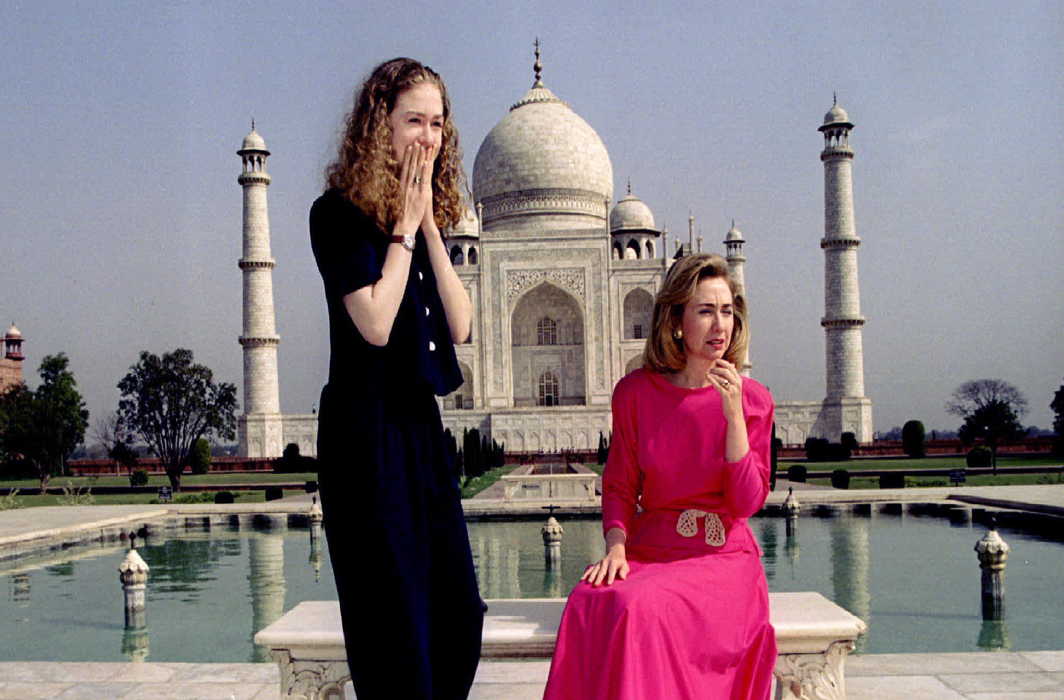
Former US president Bill Clinton, who visited the Taj Mahal during his presidency, had famously said of the 17th Century Mughal monument built by Emperor Shah Jahan in memory of his favourite wife – Mumtaz Mahal: there are two kinds of people in the world, those who have seen the Taj Mahal and those who haven’t. Perhaps the Yogi Adityanath government in Uttar Pradesh belongs to the latter category of people.
One of the world’s seven wonders with an international fan following that includes the likes of current and former heads of States, the late Princess Diana, Facebook founder Mark Zuckerberg, etc., the Taj Mahal doesn’t find a mention in a recently released UP tourism brochure.
A 32-page booklet titled ‘Uttar Pradesh Paryatan – Apaar Sambhavanaayein’ (UP Tourism-Unlimited Possibilities), published by the state’s tourism department and released recently in Lucknow at a press conference on World Tourism Day (September 27) by tourism minister Rita Bahuguna Joshi, mentions over a dozen existing and proposed tourism sites of UP. Yet, the Taj Mahal – a UNESCO World Heritage Site which receives over eight million domestic and foreign tourists annually – finds no mention in the booklet.
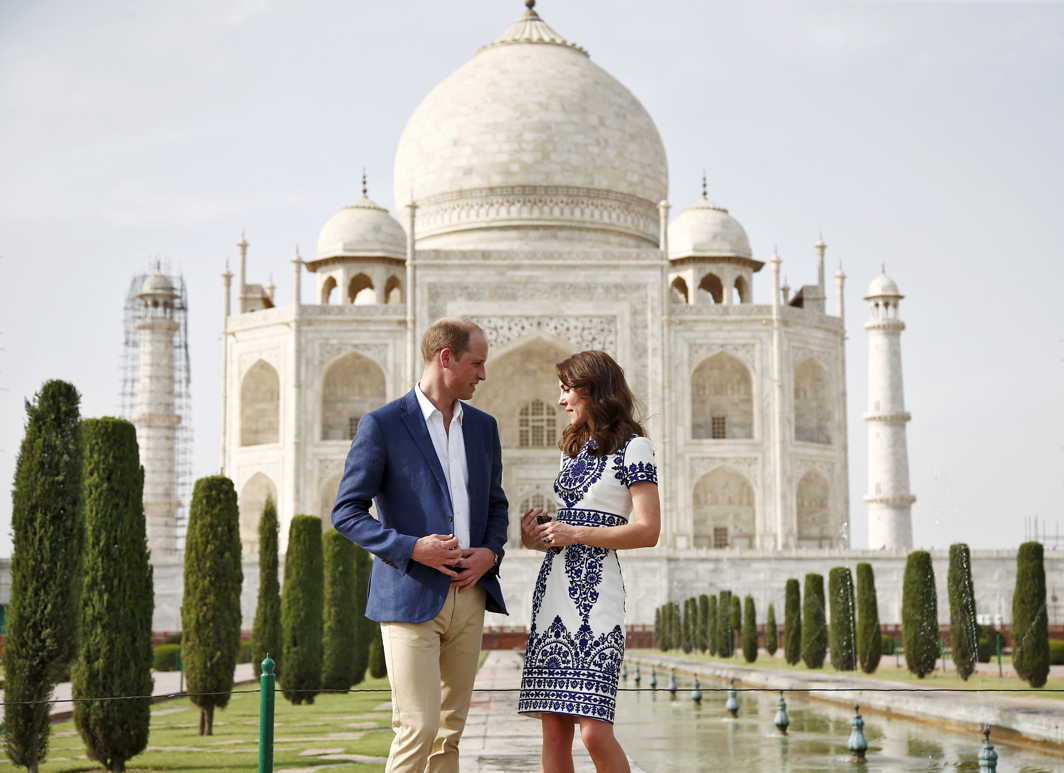
Britain’s Prince William and wife Kate Middleton during their visit to the Taj last year. Credit: Agencies.
Interestingly, several of the sites that find prime mention in the brochure are those that are either well aligned with the BJP’s focus on Hindutva and the Hindu identity or those that are close to chief minister Yogi Adityanath. So the booklet dedicates a full page to the Gorakhnath temple of which Adityanath is the head priest while the publication’s cover features an image of the Ganga Arati in Varanasi – the ancient city central to Hindu mythology and current Lok Sabha constituency of Prime Minister Narendra Modi.
Other tourism ‘hotspots’ that find glowing mentions in the brochure include religious sites and tourist circuits like Ayodhya (promoted as the birthplace of Lord Ram), Mathura and Vrindavan (for their connection with Lord Krishna), the Devipatan Shakti Peeth among others. The brochure also highlights the religious and cultural significance of Varanasi and its ghats along with the Ardh Kumbh Mela of Allahabad.
As news of the exclusion of Taj Mahal from the new tourism booklet gained traction, attracting sharp criticism from Opposition parties like the Congress which said the move was indicative of the Adityanath government’s “pettiness” or the Samajwadi Party which said it reflected the administration’s “obvious communal bias”, the tourism department put forth a feeble defence.
“This wasn’t a compendium of tourist attractions in UP, merely a book to highlight works done by the incumbent government and the projects it plans to take up. The booklet finds mention of projects worth Rs 154 crore in the category of pro-poor tourism, which generate high employment,” Avneesh Awasthi, director general UP tourism, said, adding that the brochure mentions “three projects in the vicinity of the Taj Mahal”.
Incidentally, the brochure does mention the state government’s proposed Heritage Arc — comprising Agra, Lucknow and Varanasi — in the booklet but carefully omits any reference to the internationally acclaimed historical white marble structure.Lucknow and Varanasi — in the booklet but carefully omits any reference to the internationally acclaimed historical white marble structure.
The BJP and its chief minister Adityanath’s contempt for the Taj Mahal is not new. Months after becoming the state’s chief minister, Adityanath had stirred a controversy by decrying the decades-old Indian diplomacy tradition of presenting replicas of Taj Mahal to foreign dignitaries and asserting that the monument “doesn’t represent Indian culture”. He had said that foreign dignitaries should be presented with copies of Ramayana or Gita instead.
Adityanath’s deputy, Dinesh Sharma had in September said that Mughals “were not our ancestors but looters” and described Shah Jahan as a “barbaric ruler” while endorsing the falsehood that the Mughal Emperor had got hands of the construction workers who built the Taj Mahal amputated. The amputation theory is one that finds no basis in history but has been in circulation in India for decades, thanks to the misinformation spread by several tourist guides at the Taj and self-styled BJP-sympathizing historians like PN Oak who had floated the absurd theory that the Mughal tomb was built atop a Shiva temple and was originally called Tejo Mahala. Oak’s petition to the Supreme Court over a decade ago, in which he had demanded excavation of the Taj Mahal’s foundation to support his theory had been summarily dismissed.
The state government’s move to drop Taj Mahal from its tourism booklet drew flak from Twitter users too.[/vc_column_text][vc_raw_html]JTNDYmxvY2txdW90ZSUyMGNsYXNzJTNEJTIydHdpdHRlci10d2VldCUyMiUyMGRhdGEtbGFuZyUzRCUyMmVuJTIyJTNFJTNDcCUyMGxhbmclM0QlMjJlbiUyMiUyMGRpciUzRCUyMmx0ciUyMiUzRSUzQ2ElMjBocmVmJTNEJTIyaHR0cHMlM0ElMkYlMkZ0d2l0dGVyLmNvbSUyRmhhc2h0YWclMkZUYWpNYWhhbCUzRnNyYyUzRGhhc2glMjZhbXAlM0JyZWZfc3JjJTNEdHdzcmMlMjU1RXRmdyUyMiUzRSUyM1Rhak1haGFsJTNDJTJGYSUzRSUyQyUyMG9uZSUyMGFtb25nJTIwdGhlJTIwNyUyMHdvbmRlcnMlMjBvZiUyMHRoZSUyMHdvcmxkJTJDJTIwbm90JTIwYSUyMHRvdXJpc3QlMjBzcG90JTIwZm9yJTIwVVAlMjBnb3Z0LlRvdXJpc3RzJTIwd2lsbCUyMHZpc2l0JTIwVVAlMjBob3NwaXRhbHMlMjB3aGVyZSUyMGNoaWxkJTI2JTIzMzklM0JzJTIwZGllJTIwZXZlcnlkYXkuJTNDJTJGcCUzRSUyNm1kYXNoJTNCJTIwQXJzaGFkJTIwWW91c3VmJTIwJTI4JTQwQXJzaGFkWW91c3VmQ0NQJTI5JTIwJTNDYSUyMGhyZWYlM0QlMjJodHRwcyUzQSUyRiUyRnR3aXR0ZXIuY29tJTJGQXJzaGFkWW91c3VmQ0NQJTJGc3RhdHVzJTJGOTE1MTA4MTc1MDIzNTA1NDA5JTNGcmVmX3NyYyUzRHR3c3JjJTI1NUV0ZnclMjIlM0VPY3RvYmVyJTIwMyUyQyUyMDIwMTclM0MlMkZhJTNFJTNDJTJGYmxvY2txdW90ZSUzRSUwQSUzQ3NjcmlwdCUyMGFzeW5jJTIwc3JjJTNEJTIyJTJGJTJGcGxhdGZvcm0udHdpdHRlci5jb20lMkZ3aWRnZXRzLmpzJTIyJTIwY2hhcnNldCUzRCUyMnV0Zi04JTIyJTNFJTNDJTJGc2NyaXB0JTNF[/vc_raw_html][vc_raw_html]JTNDYmxvY2txdW90ZSUyMGNsYXNzJTNEJTIydHdpdHRlci10d2VldCUyMiUyMGRhdGEtbGFuZyUzRCUyMmVuJTIyJTNFJTNDcCUyMGxhbmclM0QlMjJlbiUyMiUyMGRpciUzRCUyMmx0ciUyMiUzRVRoZSUyMHByZXN0aWdlJTIwb2YlMjBJbmRpYSUyQyUyMCUzQ2ElMjBocmVmJTNEJTIyaHR0cHMlM0ElMkYlMkZ0d2l0dGVyLmNvbSUyRmhhc2h0YWclMkZUYWpNYWhhbCUzRnNyYyUzRGhhc2glMjZhbXAlM0JyZWZfc3JjJTNEdHdzcmMlMjU1RXRmdyUyMiUzRSUyM1Rhak1haGFsJTNDJTJGYSUzRSUyMGlzJTIwbm8lMjBtb3JlJTIwcHJlc3RpZ2lvdXMlMjBub3cuJTIwTmV4dCUyMHRpbWUlMkMlMjBzdGF0ZSUyMGd1ZXN0cyUyMGxpa2UlMjBQcmluY2UlMjBDaGFybGVzJTJDJTIwQ2xpbnRvbiUyMHdpbGwlMjBiZSUyMHRha2VuJTIwdG8lMjBHb3Jha2hwdXIlM0MlMkZwJTNFJTI2bWRhc2glM0IlMjBLYWlsYXNoJTIwQWdhcndhbCUyMCUyOCU0MGthaWxhc2hjdGMlMjklMjAlM0NhJTIwaHJlZiUzRCUyMmh0dHBzJTNBJTJGJTJGdHdpdHRlci5jb20lMkZrYWlsYXNoY3RjJTJGc3RhdHVzJTJGOTE1MTA3OTI0NDA1NTAxOTUyJTNGcmVmX3NyYyUzRHR3c3JjJTI1NUV0ZnclMjIlM0VPY3RvYmVyJTIwMyUyQyUyMDIwMTclM0MlMkZhJTNFJTNDJTJGYmxvY2txdW90ZSUzRSUwQSUzQ3NjcmlwdCUyMGFzeW5jJTIwc3JjJTNEJTIyJTJGJTJGcGxhdGZvcm0udHdpdHRlci5jb20lMkZ3aWRnZXRzLmpzJTIyJTIwY2hhcnNldCUzRCUyMnV0Zi04JTIyJTNFJTNDJTJGc2NyaXB0JTNF[/vc_raw_html][vc_raw_html]JTNDYmxvY2txdW90ZSUyMGNsYXNzJTNEJTIydHdpdHRlci10d2VldCUyMiUyMGRhdGEtbGFuZyUzRCUyMmVuJTIyJTNFJTNDcCUyMGxhbmclM0QlMjJlbiUyMiUyMGRpciUzRCUyMmx0ciUyMiUzRUFmdGVyJTIwJTNDYSUyMGhyZWYlM0QlMjJodHRwcyUzQSUyRiUyRnR3aXR0ZXIuY29tJTJGaGFzaHRhZyUyRlRhak1haGFsJTNGc3JjJTNEaGFzaCUyNmFtcCUzQnJlZl9zcmMlM0R0d3NyYyUyNTVFdGZ3JTIyJTNFJTIzVGFqTWFoYWwlM0MlMkZhJTNFJTIwJTJDJTIwcmVtb3ZlJTIwUXV0dWIlMjBNaW5hciUyMGZyb20lMjBJbmRpYW4lMjB0b3VyaXNtJTIwbiUyMGFkZCUyMG1vcmUlMjBDb3clMjBTaGVkcyUyMGFzJTIwJTNDYSUyMGhyZWYlM0QlMjJodHRwcyUzQSUyRiUyRnR3aXR0ZXIuY29tJTJGaGFzaHRhZyUyRnRvdXJpc3QlM0ZzcmMlM0RoYXNoJTI2YW1wJTNCcmVmX3NyYyUzRHR3c3JjJTI1NUV0ZnclMjIlM0UlMjN0b3VyaXN0JTNDJTJGYSUzRSUyMGRlc3RpbmF0aW9ucyUyMCUzQ2ElMjBocmVmJTNEJTIyaHR0cHMlM0ElMkYlMkZ0d2l0dGVyLmNvbSUyRmhhc2h0YWclMkZZb2dpRWRpdHNUYWolM0ZzcmMlM0RoYXNoJTI2YW1wJTNCcmVmX3NyYyUzRHR3c3JjJTI1NUV0ZnclMjIlM0UlMjNZb2dpRWRpdHNUYWolM0MlMkZhJTNFJTIwJTNDYSUyMGhyZWYlM0QlMjJodHRwcyUzQSUyRiUyRnR3aXR0ZXIuY29tJTJGaGFzaHRhZyUyRkluY3JlZGlibGVJbmRpYSUzRnNyYyUzRGhhc2glMjZhbXAlM0JyZWZfc3JjJTNEdHdzcmMlMjU1RXRmdyUyMiUzRSUyM0luY3JlZGlibGVJbmRpYSUzQyUyRmElM0UlM0MlMkZwJTNFJTI2bWRhc2glM0IlMjBBbmphbGklMjBLJTIwU2hhc3RyaSUyMCUyOCU0MEFuamFsaVNoYXN0cmklMjklMjAlM0NhJTIwaHJlZiUzRCUyMmh0dHBzJTNBJTJGJTJGdHdpdHRlci5jb20lMkZBbmphbGlTaGFzdHJpJTJGc3RhdHVzJTJGOTE0ODkyOTQ3NzQ0NzI3MDQwJTNGcmVmX3NyYyUzRHR3c3JjJTI1NUV0ZnclMjIlM0VPY3RvYmVyJTIwMiUyQyUyMDIwMTclM0MlMkZhJTNFJTNDJTJGYmxvY2txdW90ZSUzRSUwQSUzQ3NjcmlwdCUyMGFzeW5jJTIwc3JjJTNEJTIyJTJGJTJGcGxhdGZvcm0udHdpdHRlci5jb20lMkZ3aWRnZXRzLmpzJTIyJTIwY2hhcnNldCUzRCUyMnV0Zi04JTIyJTNFJTNDJTJGc2NyaXB0JTNF[/vc_raw_html][/vc_column][/vc_row]









India News
Delhi deploys 25,000 personnel, installs CCTV cameras ahead of CJP march
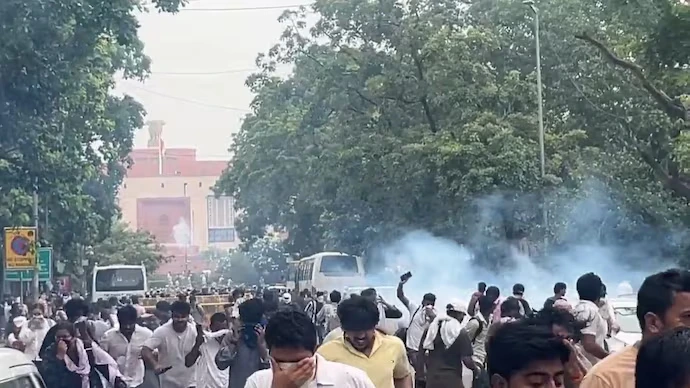
More than 25,000 police and paramilitary personnel have been deployed in Delhi ahead of the CJP’s planned protest march at Connaught Place. Authorities have also imposed restrictions and stepped up CCTV surveillance.

India News
Mallikarjun Kharge’s ‘Your Friends’ jab at Rahul Gandhi over congress exits
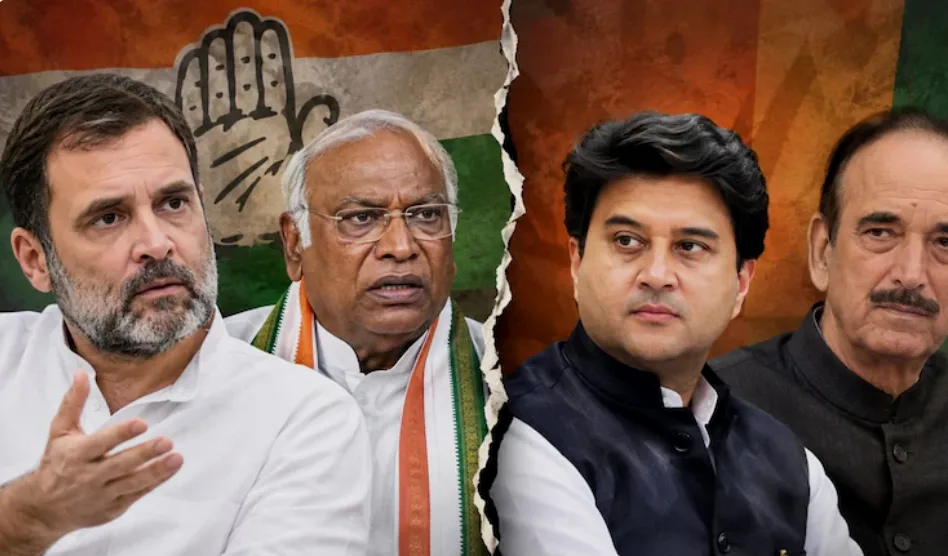
Congress president Mallikarjun Kharge took a dig at Rahul Gandhi after the Leader of the Opposition reportedly described former party leaders Jyotiraditya Scindia and Ghulam Nabi Azad as among those who had left the Congress.
India News
Delhi Police offers 11-person limit for CJP’s Connaught Place protest
Delhi Police has offered to facilitate a group of 11 people at Central Park in Connaught Place for the Cockroach Janata Party’s October 16 protest, while warning that violations of prohibitory orders could invite legal action.


Election Commission orders voter roll revision in 17 states, UTs

Actor Imran Khan asked to leave India after CJP protest

Delhi Police offers 11-person limit for CJP’s Connaught Place protest

Mallikarjun Kharge’s ‘Your Friends’ jab at Rahul Gandhi over congress exits

Delhi deploys 25,000 personnel, installs CCTV cameras ahead of CJP march

Magnitude 7 earthquake strikes Russia’s Kamchatka Peninsula
Delhi deploys 25,000 personnel, installs CCTV cameras ahead of CJP march
Mallikarjun Kharge’s ‘Your Friends’ jab at Rahul Gandhi over congress exits
Delhi Police offers 11-person limit for CJP’s Connaught Place protest
Actor Imran Khan asked to leave India after CJP protest

Afghan Men Try To Hang With The Jet Engine Of The Aircraft in Kabul- Afghanistan News – Kabul News
Trending Top 10 News: 10000 Crore Fine on Flipkart, Apple to Launch Unique Feature, Hdfc Bank Job Ad

Trending Top 10 News: Nokia 6310, Apple sales, Bachpan ka Pyar Video Kid, Dainik Bhaskar IT Raid

Trending Top 10 News: Canada bans Indian flights, Rain in Delhi NCR, AIMIM Twitter hacked, Raj Kundra case

Trending Top 10 News: Shein India, Apple New Service, Pocket Oxygen, Oppo Launched New Phone
-
 India News22 hours ago
Election Commission orders voter roll revision in 17 states, UTs
-
 India News22 hours ago
Actor Imran Khan asked to leave India after CJP protest
-
 India News21 hours ago
Delhi Police offers 11-person limit for CJP’s Connaught Place protest
-
 India News9 hours ago
Mallikarjun Kharge’s ‘Your Friends’ jab at Rahul Gandhi over congress exits
-
 India News9 hours ago
Delhi deploys 25,000 personnel, installs CCTV cameras ahead of CJP march
-
 Latest world news9 hours ago
Magnitude 7 earthquake strikes Russia’s Kamchatka Peninsula
