
India News
5 states account for 62 percent of active coronavirus cases: Health Ministry
In a press conference, the Union Health Ministry said 5 states – Tamil Nadu, Karnataka, Maharashtra, Andhra Pradesh and Uttar Pradesh – account for 62 percent of the cases.


With Thursday reporting a record spike of 83,883 coronavirus cases, the number of cases in the country has crossed 38.53 lakh of which 8 lakh is the number of active cases. In a press conference, the Union Health Ministry said 5 states – Tamil Nadu, Karnataka, Maharashtra, Andhra Pradesh and Uttar Pradesh – account for 62 percent of the cases.
Health Secretary Rajesh Bhushan told the media that the fatality rate in the country was the lowest in the world with 49 deaths per million population. The number of recoveries was also the highest in India at almost 30 lakh and some 4.5 crore tests have been done, he said.
With the 1043 deaths registered in the past 24 hours, the death toll has risen to 67,376 as per the Health Ministry recent update.

There has been 13.7% weekly decrease in the number of active cases in Andhra Pradesh, 16.1% decrease in Karnataka, 6.8% decrease in Maharashtra and 23.9% decrease in Tamil Nadu, 17.1% decrease in Uttar Pradesh, said the Health Secretary. Maharashtra has seen around 7% decline in Covid-19 active cases in the last three weeks.
Answering an oft-asked question on wearing masks, Bhushan said drivers in cars need not wear a mask if they are alone in the vehicle. But he added that if people are cycling or running or jogging in groups, then they must wear masks and stick to social distancing norms. Several Twitter users had complained against extra-vigilant policemen challaning solo motorists.
Talking about the rise in the number of cases and deaths in Delhi, Bhushan said the ministry was engaging with the Delhi Government and had given some specific instructions to the government, which, if followed, could bring the situation under control.
Read Also: Rahul Gandhi blames demonetisation for negative GDP growth
Indian Council of Medical Research Director General Balram Bhargava said the second sero survey had started in the country (70 districts) and the results would be available in the next two weeks. The sero survey has been completed in 50 out of 70 districts nationwide. “Hopefully we’ll have the results in two weeks,” he said.




India News
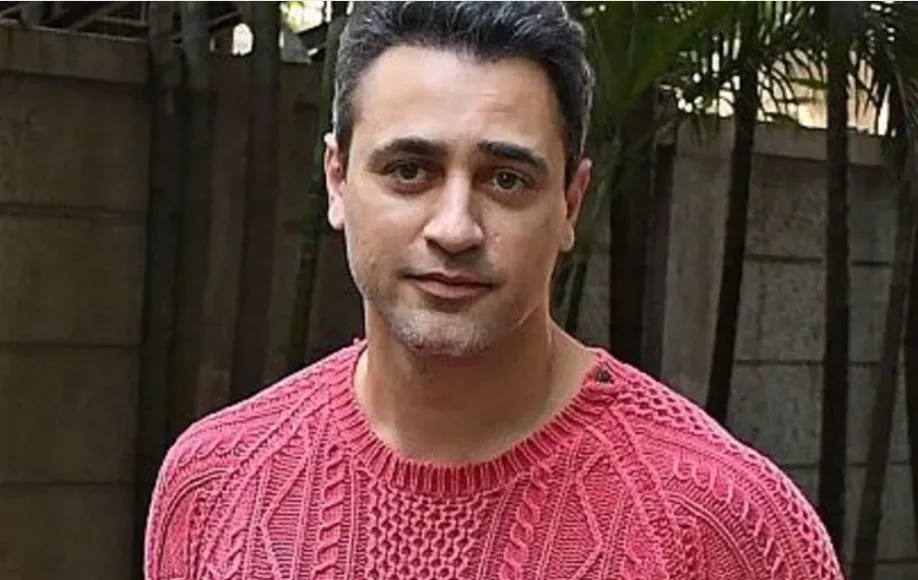
Actor Imran Khan asked to leave India after CJP protest
Actor Imran Khan has been asked to leave India by October 28, days after participating in a protest called by the Cockroach Janta Party (CJP) in Mumbai.

India News
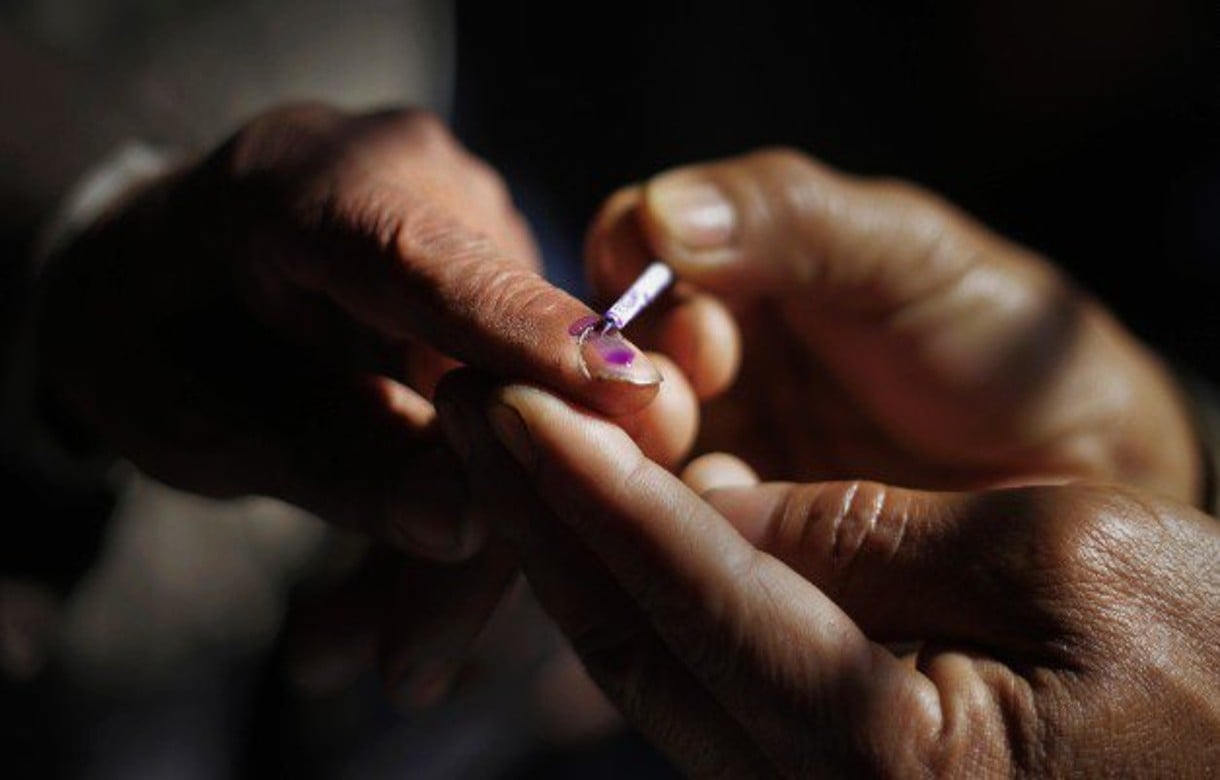
Election Commission orders voter roll revision in 17 states, UTs
The Election Commission has ordered a Special Summary Revision of electoral rolls in 17 states and Union Territories. Draft rolls are scheduled for November 12, with final rolls due on January 4, 2027.
India News
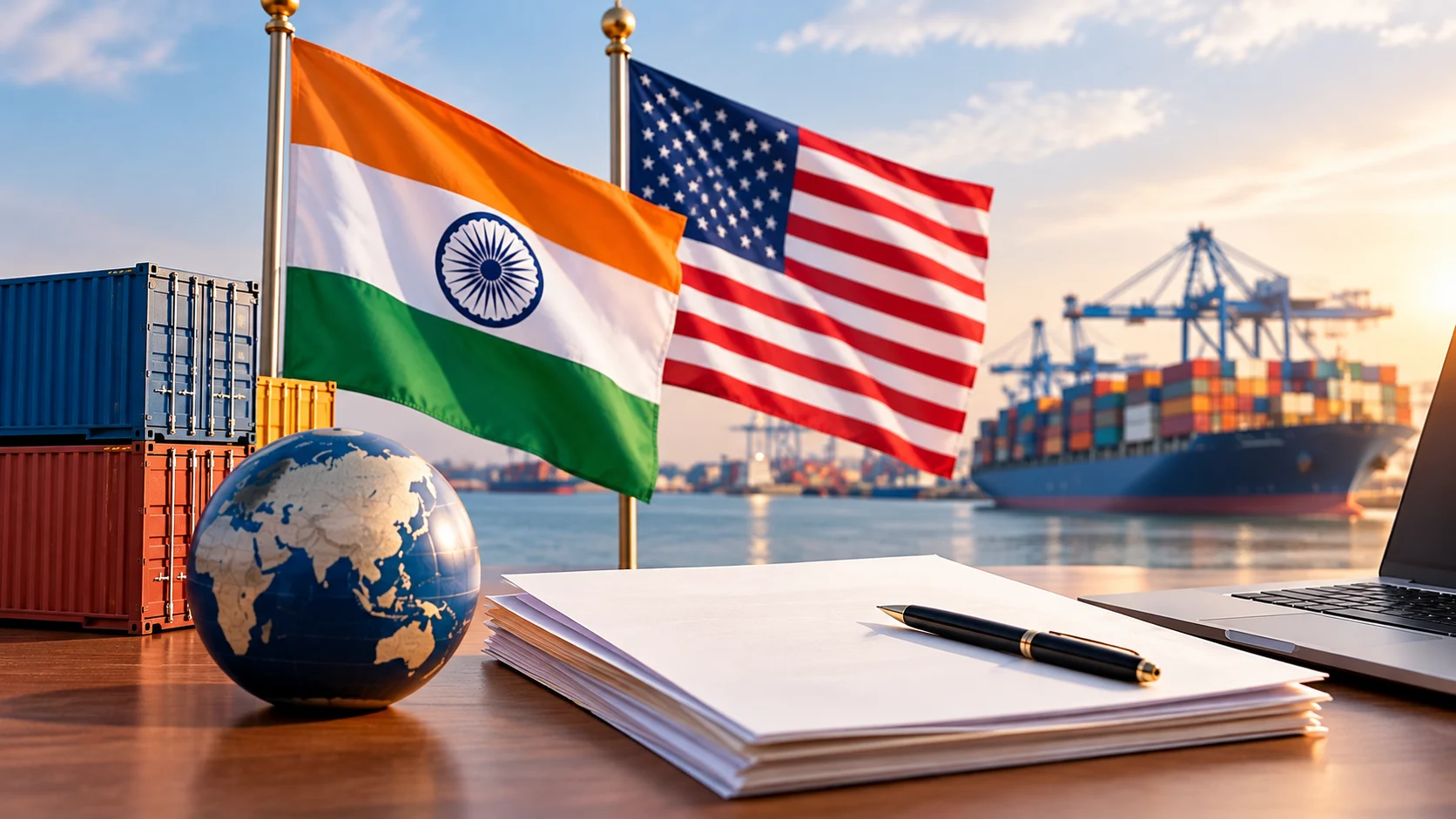
India-US trade deal first phase finalised, drafting underway
The first phase of the India-US trade agreement has been finalised and is undergoing legal drafting, Commerce Minister Piyush Goyal said. The deal is expected to be operationalised once India secures a competitive advantage over peer countries.

Supreme Court questions EC over missing records in Sringeri election dispute

Dhruv Rathee gets fresh summons in 2018 BJP IT cell video case

Nobody can browbeat judiciary, Chief Justice warns over Rahul Gandhi’s march

India-US trade deal first phase finalised, drafting underway

Election Commission orders voter roll revision in 17 states, UTs

Actor Imran Khan asked to leave India after CJP protest
Election Commission orders voter roll revision in 17 states, UTs
India-US trade deal first phase finalised, drafting underway
Nobody can browbeat judiciary, Chief Justice warns over Rahul Gandhi’s march
Dhruv Rathee gets fresh summons in 2018 BJP IT cell video case

Afghan Men Try To Hang With The Jet Engine Of The Aircraft in Kabul- Afghanistan News – Kabul News
Trending Top 10 News: 10000 Crore Fine on Flipkart, Apple to Launch Unique Feature, Hdfc Bank Job Ad

Trending Top 10 News: Nokia 6310, Apple sales, Bachpan ka Pyar Video Kid, Dainik Bhaskar IT Raid

Trending Top 10 News: Canada bans Indian flights, Rain in Delhi NCR, AIMIM Twitter hacked, Raj Kundra case

Trending Top 10 News: Shein India, Apple New Service, Pocket Oxygen, Oppo Launched New Phone
-
 India News24 hours ago
Supreme Court questions EC over missing records in Sringeri election dispute
-
 India News11 hours ago
Dhruv Rathee gets fresh summons in 2018 BJP IT cell video case
-
 India News8 hours ago
Nobody can browbeat judiciary, Chief Justice warns over Rahul Gandhi’s march
-
 India News4 hours ago
India-US trade deal first phase finalised, drafting underway
-
 India News1 hour ago
Election Commission orders voter roll revision in 17 states, UTs
-
 India News57 mins ago
Actor Imran Khan asked to leave India after CJP protest
