
India News
RAJAPAKSA’S SLPP GETS SUPPORT FROM FIVE ALLIES
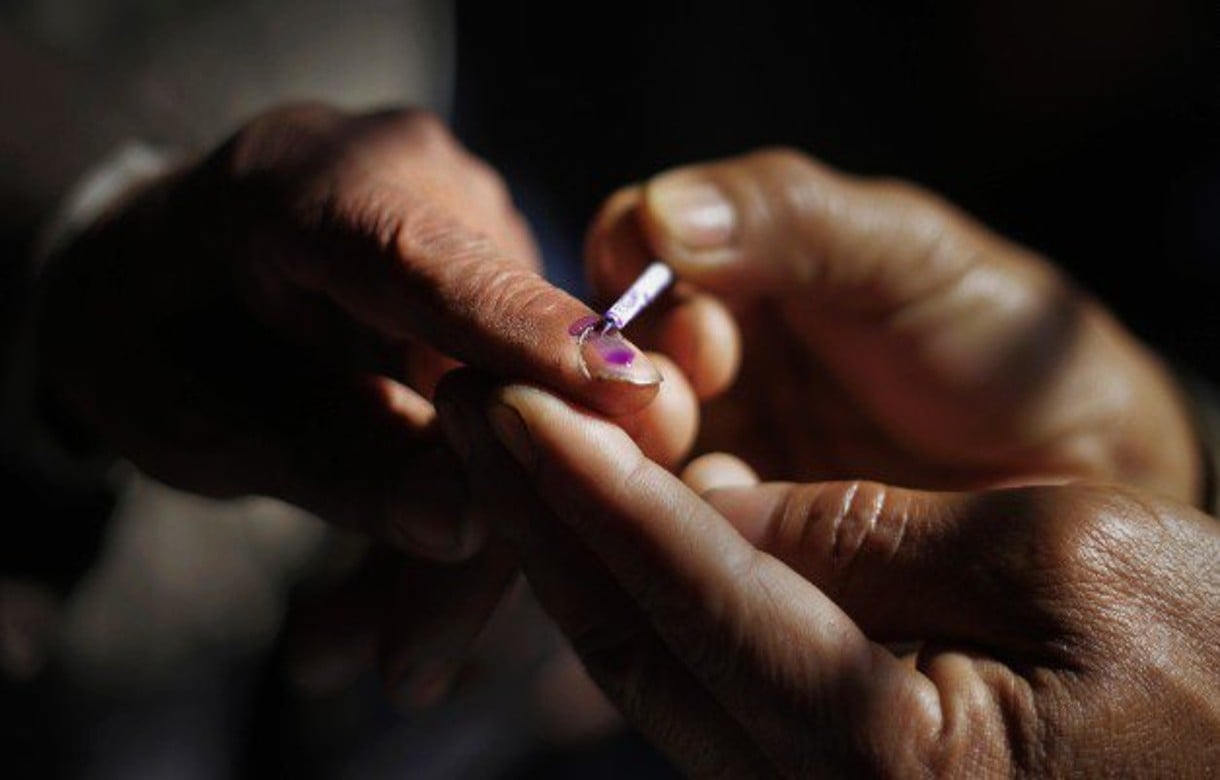
Prime Minister Mahinda Rajapaksa’s Sri Lanka Podujana Party, SLPP, won 145 seats and can also count on the support of at least five allies in the 225-member legislature, according to the results released on Friday.


Prime Minister Mahinda Rajapaksa’s Sri Lanka Podujana Party, SLPP, won 145 seats and can also count on the support of at least five allies in the 225-member legislature, according to the results released on Friday.
The SLPP’s main opponent obtained just 54 seats in Wednesday’s vote, which saw more than 75 percent of the 16.2 million eligible voters cast their ballots. The prime minister is most likely to be sworn in the same position by his younger brother, President Gotabaya Rajapaksa, and the huge win on Friday could enable them to change the constitution and strengthen the dynastic rule.
Critics fear the siblings, renowned for their crushing of Tamil separatist rebels to end a decades-old conflict in 2009, want to end presidential term limits, bring the judiciary and police under their direct control, and extend their dynastic power to a new generation.
Sri Lanka‘s opposition has accused the government of corruption, censorship and intimidation.
The handling of coronavirus crisis by President Gotabaya Rajapaksa has invoked a lot of confidence in the people in contrast with the shambles the last government made following the Easter bombing attack last year. The Indian Ocean Island has largely contained the spread of the novel coronavirus with 2,839 confirmed cases, including 11 deaths.
However, analysts say any attempt by Gotabaya Rajapaksa to push for changes that will strengthen presidential power at the expense of those of the prime minister may trigger sibling rivalry.
Gotabaya was elected president last November after projecting himself as the only leader who could secure the country after bombings of churches and hotels on Easter Sunday killed 269 people in 2019.

Since being elected, he said he had to function under many restrictions because of constitutional changes in 2015 that strengthened Parliament and the prime minister and put independent commissions in charge of judiciary appointments, police, public services and the conduct of elections
Mahinda Rajapaksa is unlikely to cede any of his powers that might shrink his influence as he works on promoting his son, Namal, as his heir. Namal and three other members of the Rajapaksa family contested the election and are likely to control key functions in the new administration. The election has left the splintered opposition decimated. Former Prime Minister Ranil Wickremesinghe lost his constituency, and his party, which had 106 seats in the outgoing parliament, was reduced to just one seat.
A breakaway faction from Wickremesinghe’s party headed by the son of assassinated President Ranasinghe Premadasa, Sajith, got 20 percent of the vote and was a distant second with 54 seats.
The moderate Tamil National Alliance (TNA) which had 16 seats in the outgoing parliament, also suffered badly and was left with just 10 seats in the new assembly, which is due to sit on August 20.
Read Also: PAKISTAN LOBBIES WITH OIC FOR MEETING ON KASHMIR
A total of 196 seats in the 225-member house were decided on district proportional representation while the remaining 29 were decided on the basis of votes polled nationwide. The election was originally scheduled for April, but it was twice postponed because of the COVID-19 pandemic.






India News
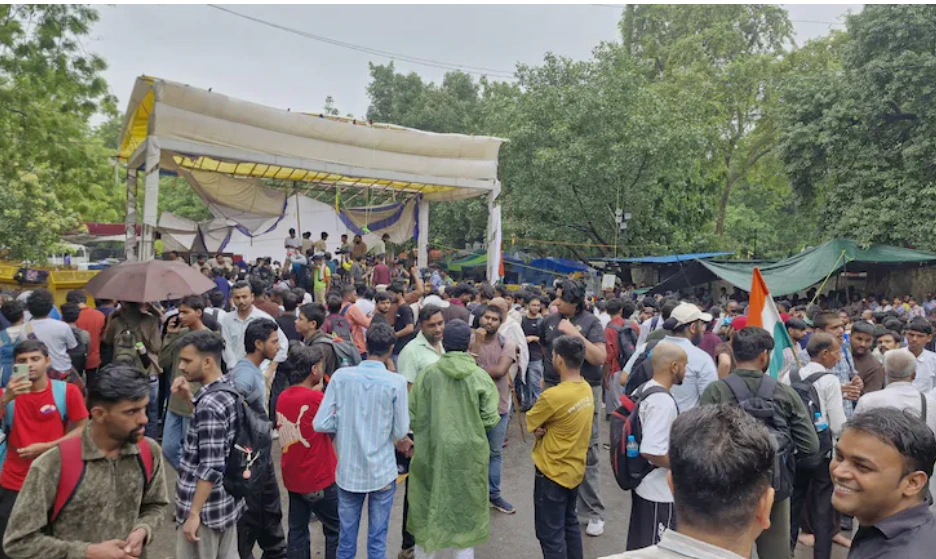
Delhi Police offers 11-person limit for CJP’s Connaught Place protest
Delhi Police has offered to facilitate a group of 11 people at Central Park in Connaught Place for the Cockroach Janata Party’s October 16 protest, while warning that violations of prohibitory orders could invite legal action.

India News
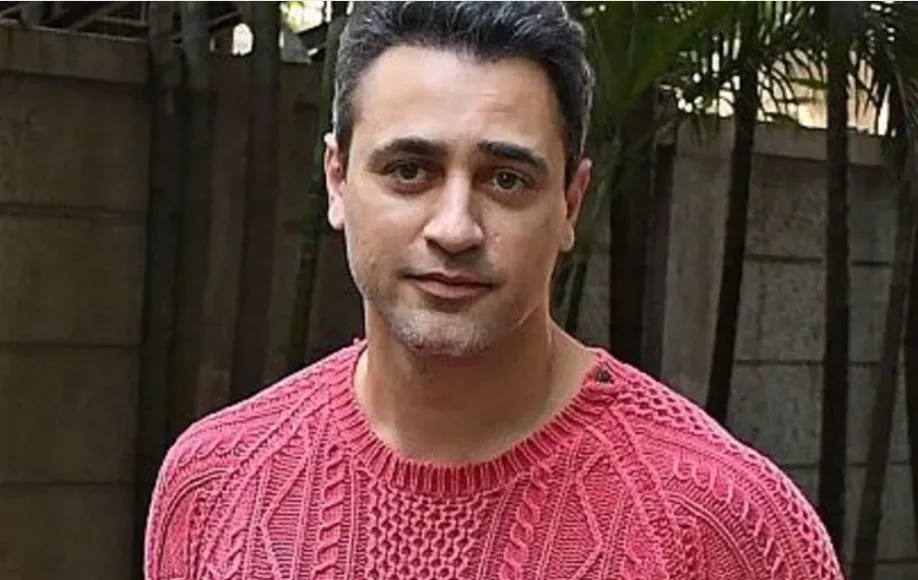
Actor Imran Khan asked to leave India after CJP protest
Actor Imran Khan has been asked to leave India by October 28, days after participating in a protest called by the Cockroach Janta Party (CJP) in Mumbai.
India News
Election Commission orders voter roll revision in 17 states, UTs
The Election Commission has ordered a Special Summary Revision of electoral rolls in 17 states and Union Territories. Draft rolls are scheduled for November 12, with final rolls due on January 4, 2027.

Dhruv Rathee gets fresh summons in 2018 BJP IT cell video case

Nobody can browbeat judiciary, Chief Justice warns over Rahul Gandhi’s march

India-US trade deal first phase finalised, drafting underway

Election Commission orders voter roll revision in 17 states, UTs

Actor Imran Khan asked to leave India after CJP protest

Delhi Police offers 11-person limit for CJP’s Connaught Place protest
Actor Imran Khan asked to leave India after CJP protest
Election Commission orders voter roll revision in 17 states, UTs
India-US trade deal first phase finalised, drafting underway
Nobody can browbeat judiciary, Chief Justice warns over Rahul Gandhi’s march

Afghan Men Try To Hang With The Jet Engine Of The Aircraft in Kabul- Afghanistan News – Kabul News
Trending Top 10 News: 10000 Crore Fine on Flipkart, Apple to Launch Unique Feature, Hdfc Bank Job Ad

Trending Top 10 News: Nokia 6310, Apple sales, Bachpan ka Pyar Video Kid, Dainik Bhaskar IT Raid

Trending Top 10 News: Canada bans Indian flights, Rain in Delhi NCR, AIMIM Twitter hacked, Raj Kundra case

Trending Top 10 News: Shein India, Apple New Service, Pocket Oxygen, Oppo Launched New Phone
-
 India News17 hours ago
Dhruv Rathee gets fresh summons in 2018 BJP IT cell video case
-
 India News14 hours ago
Nobody can browbeat judiciary, Chief Justice warns over Rahul Gandhi’s march
-
 India News9 hours ago
India-US trade deal first phase finalised, drafting underway
-
 India News7 hours ago
Election Commission orders voter roll revision in 17 states, UTs
-
 India News6 hours ago
Actor Imran Khan asked to leave India after CJP protest
-
 India News5 hours ago
Delhi Police offers 11-person limit for CJP’s Connaught Place protest
