
Latest Politics News
Ahead of RS poll-day, jittery Congress fights to keep its stock together in Gujarat

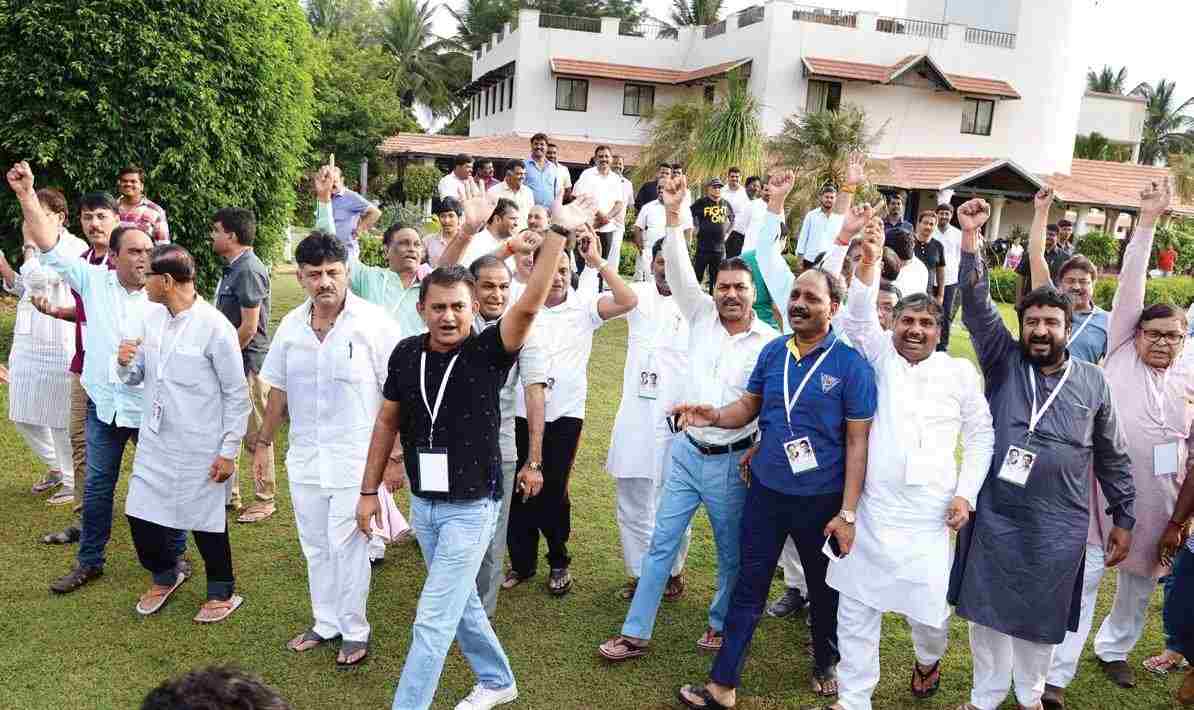
[vc_row][vc_column][vc_column_text]Hit by defections, the Congress brought back its 44 MLAs from Bengaluru on Monday, only to lock them up again at a resort in Anand. The party claims that it has assured support of 45 MLAs required to ensure the politically crucial victory of its candidate, Ahmed Patel, in Tuesday’s RS poll
With less than 24 hours to go before the Gujarat assembly casts its votes to send three nominees to the Rajya Sabha, the Congress party is doing all it can to ensure that its nominee, Ahmed Patel – the influential political secretary to party president Sonia Gandhi – doesn’t fail to get elected for a record fifth term.
Hit by defections and desertions by its MLAs – six of its 57 legislators have resigned of which three joined the BJP – less than a fortnight ago, the Congress party had packed off 44 of its MLAs to a resort in Bengaluru on July 29 in an apparent bid to check “poaching” attempts by the Bharatiya Janata Party (BJP). The MLAs were brought back to Ahmedabad in the wee hours of Monday but only to be whisked away to another resort in nearby Anand, where they are expected to be kept till hours before voting begins for the Rajya Sabha polls, on Tuesday morning.
“All our MLAs have returned and they have been taken to a resort in Anand,” the Congress party’s chief whip in Gujarat assembly, Sailesh Parmar, confirmed. Parmar added that the party MLAs had “decided not to go to their home even on this day of ‘Rakshabandhan’ and be loyal soldiers of the Congress party… they will go to vote for our party candidate Ahmed Patel in the RS polls tomorrow”.
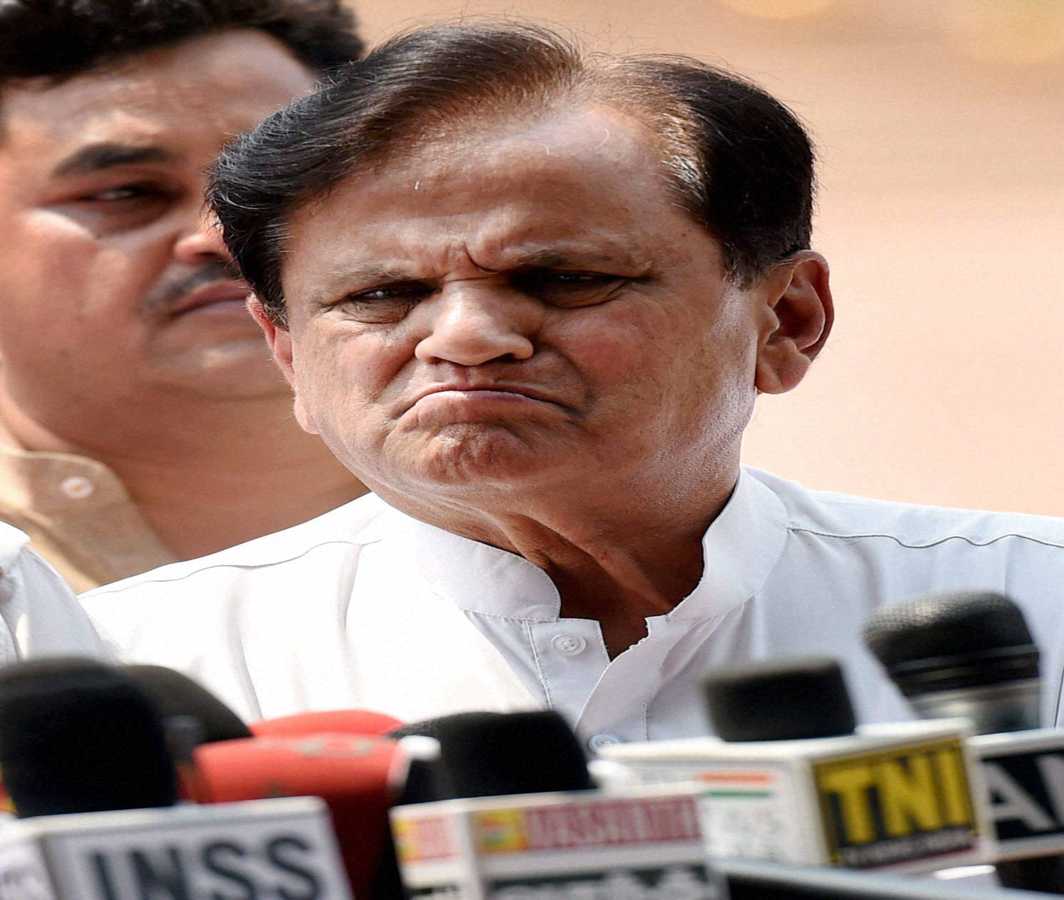
The Congress needs the support of at least 45 MLAs to ensure that Patel – a four term RS member – is re-elected. However, the very fact that of its 51 MLAs that remain since the resignations of senior leader Shankersinh Vaghela and five others, the party has managed to keep just 44 camped together betrays the confidence that the Congress leadership has been desperately trying to project over Patel’s re-election.
Besides the BJP’s aggressive overtures to ensure Patel’s defeat – which would come as a personal embarrassment for Sonia Gandhi – by forcing further resignations from the Congress’ flock, the Grand Old Party had got another major setback last week when the Supreme Court dismissed its request to stay an order by the Election Commission which allows MLAs to not vote against any candidate and opt for the ‘None Of The Above (NOTA)’option instead.
A senior Congress leader said on condition of anonymity: “this election undoubtedly will be the biggest challenge not just for Ahmed Patel but for the Congress high command too…Even assuming that the 44 MLAs who are locked up in the resort (in Anand) will all vote for Patel, we still need one more vote to ensure his victory. But as of now there’s no guarantee that even the 44 will certainly vote for Patel and the 7 remaining legislators too can’t be entirely trusted to do so despite the party issuing a whip ordering every remaining MLA to vote of its candidate”.
Officially of course, the Congress claims to have the numbers to ensure Patel’s victory. “All our MLAs will vote for Ahmed Patel…we have no doubt that we have the numbers and the BJP doesn’t to wrest this one seat from us,” said senior party MLA Shaktisinh Gohil.
However, there are rumours that the BJP and Vaghela – who is said to have influenced at least 10 Congress MLAs to cross-vote in favour of Ram Nath Kovind instead of the party candidate Meira Kumar, in the recent Presidential polls – are working overtime to convince some Congress legislators to either cross-vote (which would, under the RS polls rules, lead to their disqualification from the house for a six year term) or vote NOTA.
The stay of the Gujarat MLAs in the Eagleton Golf Resort on the outskirts of Bengaluru was itself marked by high drama. Senior Karnataka minister DK Shivakumar, who was overseeing the MLAs’ stay, faced searches by the income tax department last week in what the Congress called an act of “political vendetta and intimidation”. Now, hours ahead of the D-Day, the Congress is hoping that the BJP’s “dirty tricks department” doesn’t pull any other surprise on its leaders.
Gujarat has three seats in Rajya Sabha. While BJP president Amit Shah and Union minister Smriti Irani would easily win two seats, it is in the third seat that the BJP has pitted Congress defector Balwantsinh Rajput – a close relative of Vaghela and Congress MLA till 10 days ago – against Patel.
Besides it hope of attaining a majority in Rajya Sabha at the earliest, what seems to be fuelling the BJP’s specific attempt at ensuring Patel’s defeat is the significant message that it is likely to send both within the Congress hierarchy and across Gujarat before the state goes for Assembly polls towards the end of the year.
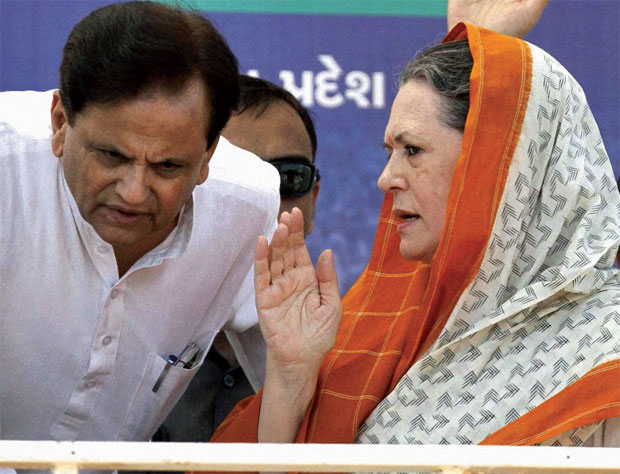
Patel – a Rajya Sabha member from Gujarat since 1993 and three term Lok Sabha MP from the state’s Bharuch seat before that – is the political secretary to the Congress president and though he maintains a low-profile and rarely ever interacts with the media, it is widely known that Sonia rarely ever takes any important political decision without discussing it first with Patel. As such, Patel enjoys a clout within the Congress leadership that is matched by no other party leader – with the exception of Sonia and her son, party vice-president Rahul Gandhi.
The immediate reason for Patel’s possible defeat in the RS polls is being attributed to defections being orchestrated by Vaghela – who had left the BJP to join the Congress nearly two decades ago but quit the Congress last week, ostensibly upset over the party’s reluctance to name him as its chief ministerial candidate ahead of the December 2017 assembly polls in Gujarat.
However, Congress leaders from the state as well as some of Patel’s detractors in the AICC, say that Vaghela is only the face of the party’s latest trouble. There is a much bigger message that the party wants to send to Sonia by ensuring Patel’s defeat – that she, and Patel by proxy, can’t continue to run Congress’ affairs in Gujarat in the same manner as they do now and that the grassroots workers and state leadership can no longer be run roughshod over.[/vc_column_text][/vc_column][/vc_row]






India News
CJP leaders Saurav Das, Ashutosh Ranka, Ajinkya Shinde sent to 5-day judicial custody
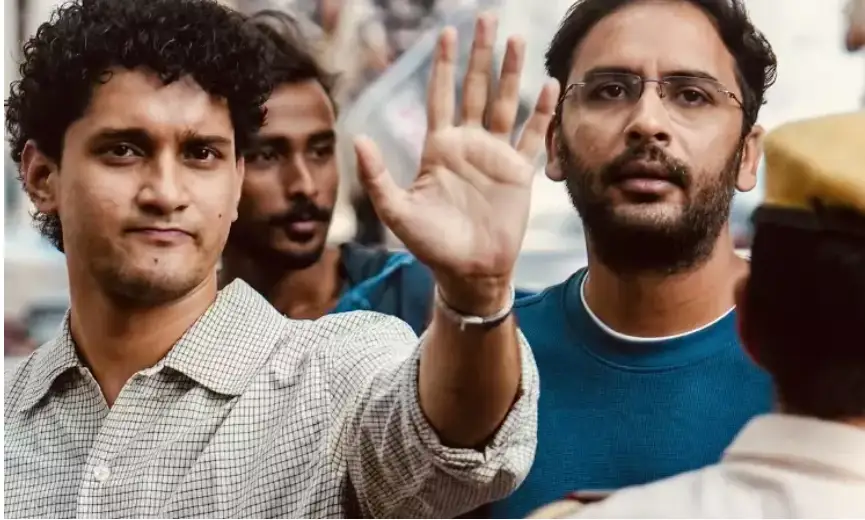
Three CJP leaders, Saurav Das, Ashutosh Ranka and Ajinkya Shinde, were placed under preventive arrest following a protest at Delhi’s Jantar Mantar over Chief Election Commissioner Gyanesh Kumar.

India News
BJP focuses on religion as opposition pushes BDM strategy in UP
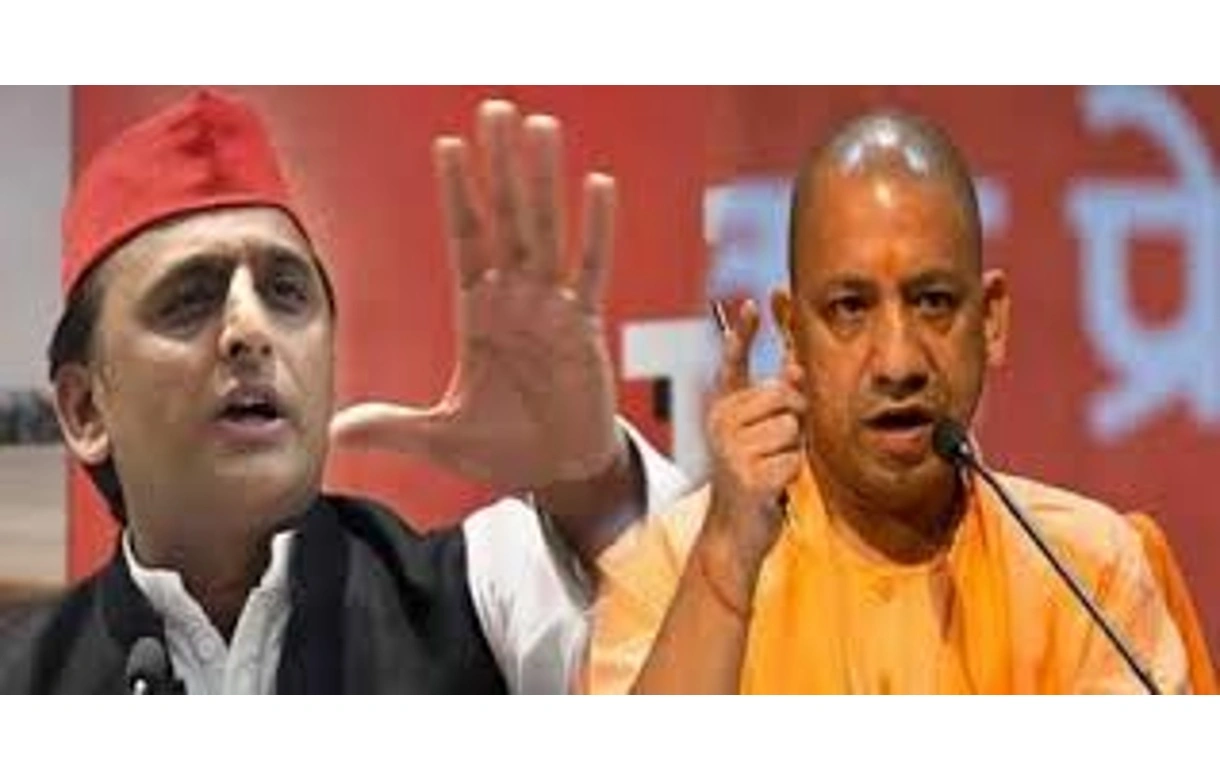
The BJP is emphasising religious issues ahead of the Uttar Pradesh Assembly elections, while opposition parties are seeking to consolidate Backward, Dalit and Minority voters. Recent exchanges involving Yogi Adityanath, Akhilesh Yadav and Asaduddin Owaisi have added to the political contest over the state’s electoral narrative.
India News
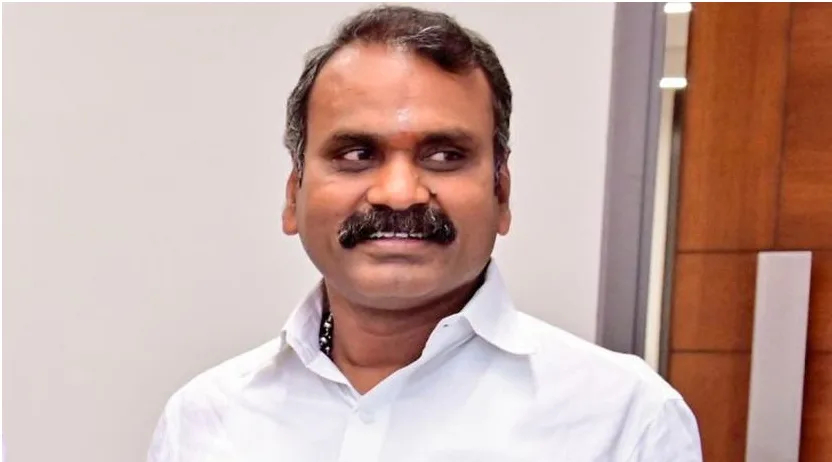
L Murugan quits Union ministry to strengthen BJP in Tamil Nadu
L Murugan has resigned from his Union ministerial post and Rajya Sabha membership, saying he wants to return to grassroots politics and dedicate himself to strengthening the BJP in Tamil Nadu before the 2029 Lok Sabha elections.

India-US trade deal first phase finalised, drafting underway

Election Commission orders voter roll revision in 17 states, UTs

Actor Imran Khan asked to leave India after CJP protest

Delhi Police offers 11-person limit for CJP’s Connaught Place protest

Mallikarjun Kharge’s ‘Your Friends’ jab at Rahul Gandhi over congress exits

Magnitude 7 earthquake strikes Russia’s Kamchatka Peninsula

Delhi deploys 25,000 personnel, installs CCTV cameras ahead of CJP march
Mallikarjun Kharge’s ‘Your Friends’ jab at Rahul Gandhi over congress exits
Delhi Police offers 11-person limit for CJP’s Connaught Place protest
Actor Imran Khan asked to leave India after CJP protest

Afghan Men Try To Hang With The Jet Engine Of The Aircraft in Kabul- Afghanistan News – Kabul News
Trending Top 10 News: 10000 Crore Fine on Flipkart, Apple to Launch Unique Feature, Hdfc Bank Job Ad

Trending Top 10 News: Nokia 6310, Apple sales, Bachpan ka Pyar Video Kid, Dainik Bhaskar IT Raid

Trending Top 10 News: Canada bans Indian flights, Rain in Delhi NCR, AIMIM Twitter hacked, Raj Kundra case

Trending Top 10 News: Shein India, Apple New Service, Pocket Oxygen, Oppo Launched New Phone
-
 India News22 hours ago
India-US trade deal first phase finalised, drafting underway
-
 India News19 hours ago
Election Commission orders voter roll revision in 17 states, UTs
-
 India News19 hours ago
Actor Imran Khan asked to leave India after CJP protest
-
 India News18 hours ago
Delhi Police offers 11-person limit for CJP’s Connaught Place protest
-
 India News6 hours ago
Mallikarjun Kharge’s ‘Your Friends’ jab at Rahul Gandhi over congress exits
-
 India News6 hours ago
Delhi deploys 25,000 personnel, installs CCTV cameras ahead of CJP march
-
 Latest world news6 hours ago
Magnitude 7 earthquake strikes Russia’s Kamchatka Peninsula
