
Latest Politics News
Bypoll results: Expected wins for BJP in Goa, massive setback in Delhi as AAP wins Bawana

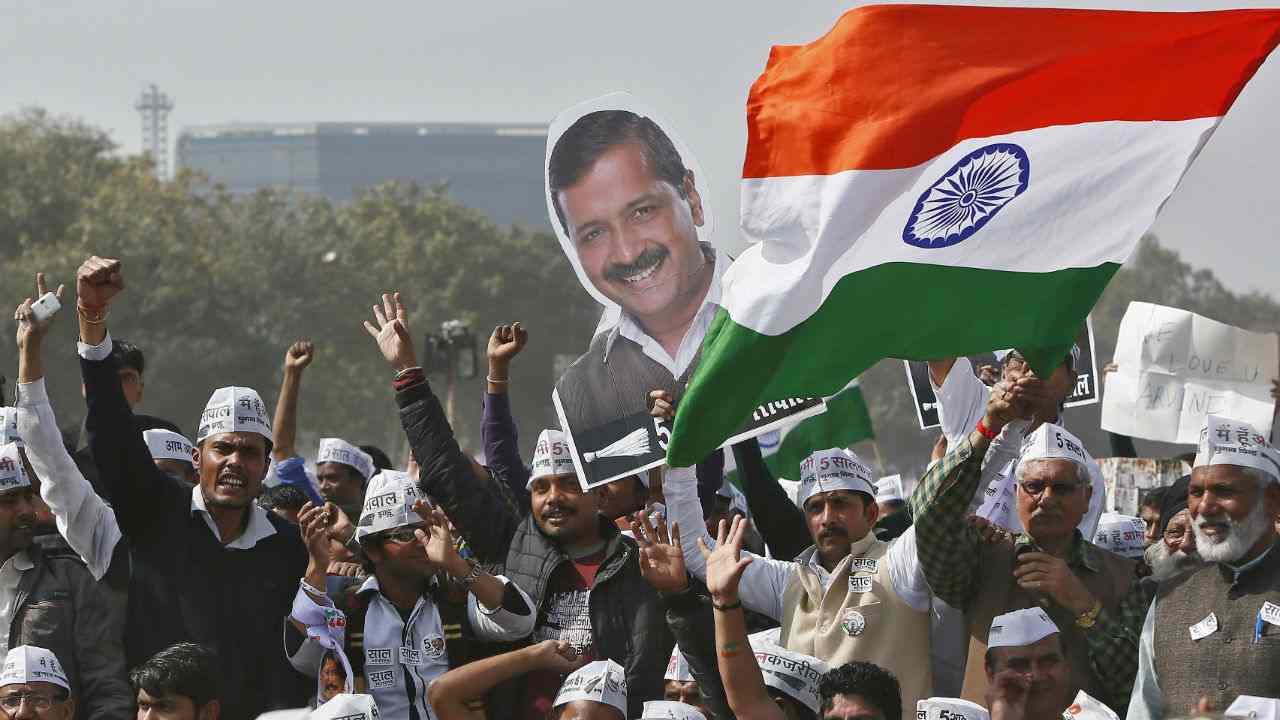
[vc_row][vc_column][vc_column_text]BJP wins Panaji and Valpoi by-elections in Goa, TDP victorious in Andhra Pradesh’s Nandyal seat and sweet revenge for AAP in Delhi’s Bawana constituency
Results for the by-elections to four assembly seats spread across Goa, Andhra Pradesh and Delhi followed the traditional pattern of the ruling provincial government emerging victorious. However, while the BJP had reason to cheer in Goa, winning by-polls to the Valpoi and Panaji seats, with chief minister Manohar Parrikar wresting the latter, the saffron party was in for some major embarrassment in Delhi as it comprehensively lost the Bawana seat to Arvind Kejrival’s Aam Aadmi Party (AAP).
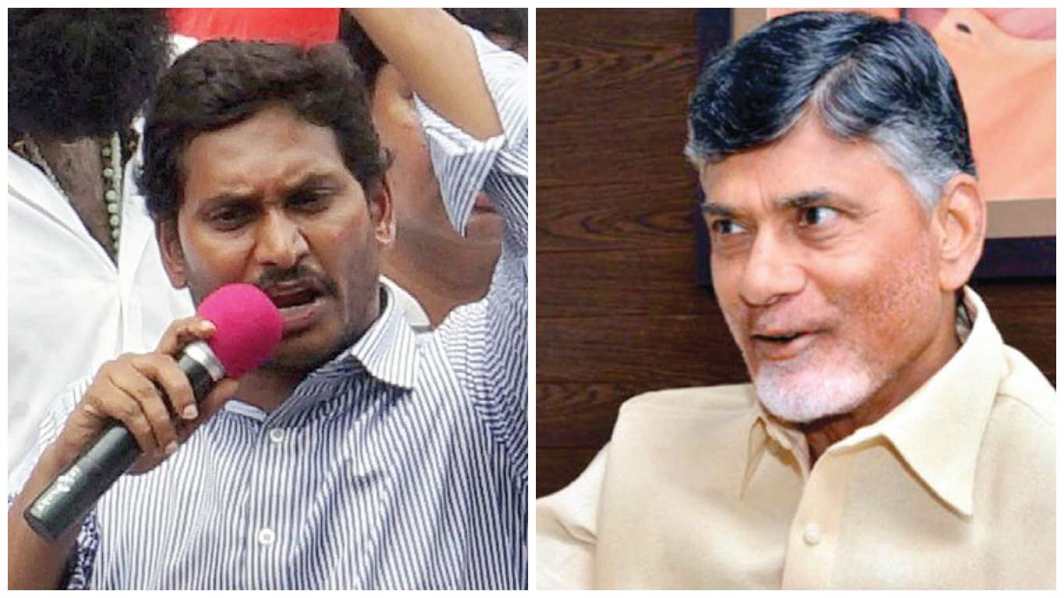
The fourth by-poll – for the Nandyal seat in Andhra Pradesh – almost as keenly contested as the Bawana seat albeit with different players – was wrested by the ruling Telugu Desam Party(TDP) of chief minister N Chandrababu Naidu, drawing the curtains on a shrill election campaign that saw him and his principal rival – YSR Congress chief YS Jagan Mohan Reddy trade sharp exchanges.
The most crucial by-poll among the four seats, was arguably fought in Delhi’s Bawana constituency. The AAP candidate, Ram Chander, won the seat, polling 59,886 votes while former AAP MLA Ved Prakash, who had joined the BJP recently and was fielded as the party’s candidate , polled 35,834 votes. The Congress, which showed clear signs of recovering its lost political ground in Delhi, had fielded three-term legislator Surender Kumar who got 31,919 votes, finishing third but with evidence of incremental gains for his party.
The win in Bawana could be a major psychological boost for the AAP leadership as the party had been on a steady downswing ever since its victory in the Delhi assembly polls, in which it had swept 67 out of 70 seats. Ever since capturing Delhi in 2015, AAP had consistently lost out to the BJP – first having failed to wrest any of the four municipal bodies of the national capital from the vice-like grip of the saffron party and then losing the Rajouri Garden Assembly seat to it. Bawana is one of Delhi’s largest constituencies in terms of number of electors with over 3 lakh voters. Though the August 23 by-poll in Bawana saw a meagre voter-turnout of 45 per cent, the victory still comes as a major boost for AAP at a time when the BJP’s victory march at the hustings is being termed as unstoppable by most political observers and Kejriwal’s own credibility, both as leader of AAP and chief minister of Delhi, has come under intense scutriny and criticism.
Nandyal by-election, Andhra Pradesh
A by-election that saw Jagan Reddy openly demanding that Andhra chief minister Chandrababu Naidu “should be shot” for not fulfilling his poll promises and the TDP chief hitting back saying those who criticised him should not take pensions given by his government or “walk on the roads built by us, ended with the TDP wresting the seat by a margin of over 27,000 votes. The TDP candidate, Bhuma Bramananda Reddy won a little over 50 per cent of the votes polled, defeating his closest rival, Shilpa Mohan Reddy of the YSR Congress in an election that saw a voter-turnout that exceeded 80 per cent.
The Nandyal by-poll was necessitated after the death of Bhuma Nagi Reddy, who had in fact quit the YSR Congress last year to join the ruling TDP.
Panaji and Valpoi by-elections, Goa
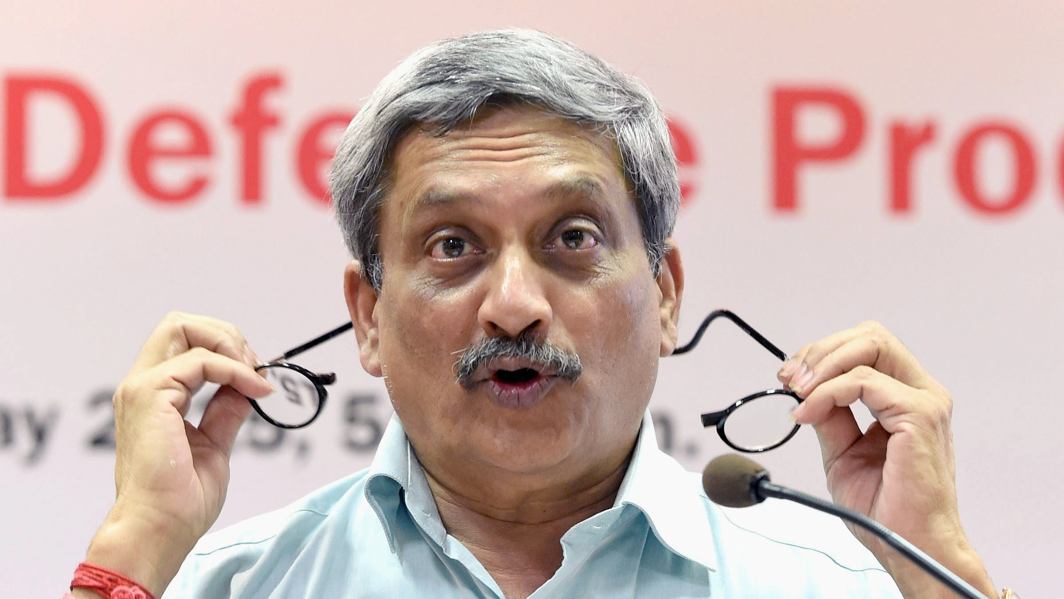
Expected as it was, the BJP won both the seats. Manohar Parrikar, who had resigned as Union defence minister to be sworn-in as chief minister of Goa after his party managed to form a coalition government in the state despite the Congress emerging as the single-largest party after assembly elections held earlier this year, contested from his traditional Panaji seat and defeated his Congress rival by over 5,000 votes. BJP legislator Sidarth Kuncolienkar had resigned from the Panaji seat to enable Parrikar to contest from it after he became chief minister.
BJP’s Vishwajit Rane retained the Valpoi seat from which he had been elected earlier this year on a Congress ticket only to resign and join the BJP. Rane is health minister in the Goa government.
VVPAT machines used in all bypolls
Electronic Voting Machines (EVMs) equipped with Voter Verifiable Paper Audit Trail (VVPAT) were used in all the four bypolls.
VVPAT is a small printer like machine attached to the EVM which allows voters to verify that their vote has been cast correctly. Once a voter casts his vote, a small paper slip containing the name of the candidate and his poll symbol is generated from VVPAT machine. The paper slip appears for about 10 seconds. After the voter views the receipt, it automatically goes inside a sealed box attached to the EVM.[/vc_column_text][/vc_column][/vc_row]





India News
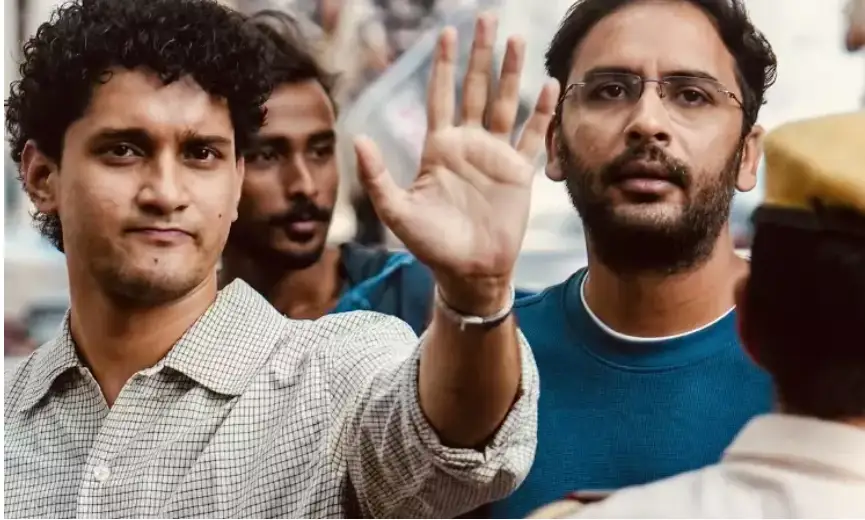
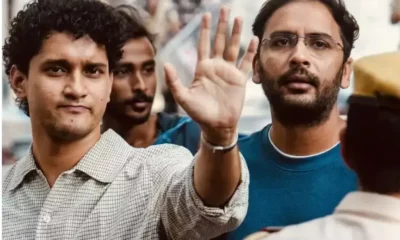
CJP leaders Saurav Das, Ashutosh Ranka, Ajinkya Shinde sent to 5-day judicial custody
Three CJP leaders, Saurav Das, Ashutosh Ranka and Ajinkya Shinde, were placed under preventive arrest following a protest at Delhi’s Jantar Mantar over Chief Election Commissioner Gyanesh Kumar.

India News
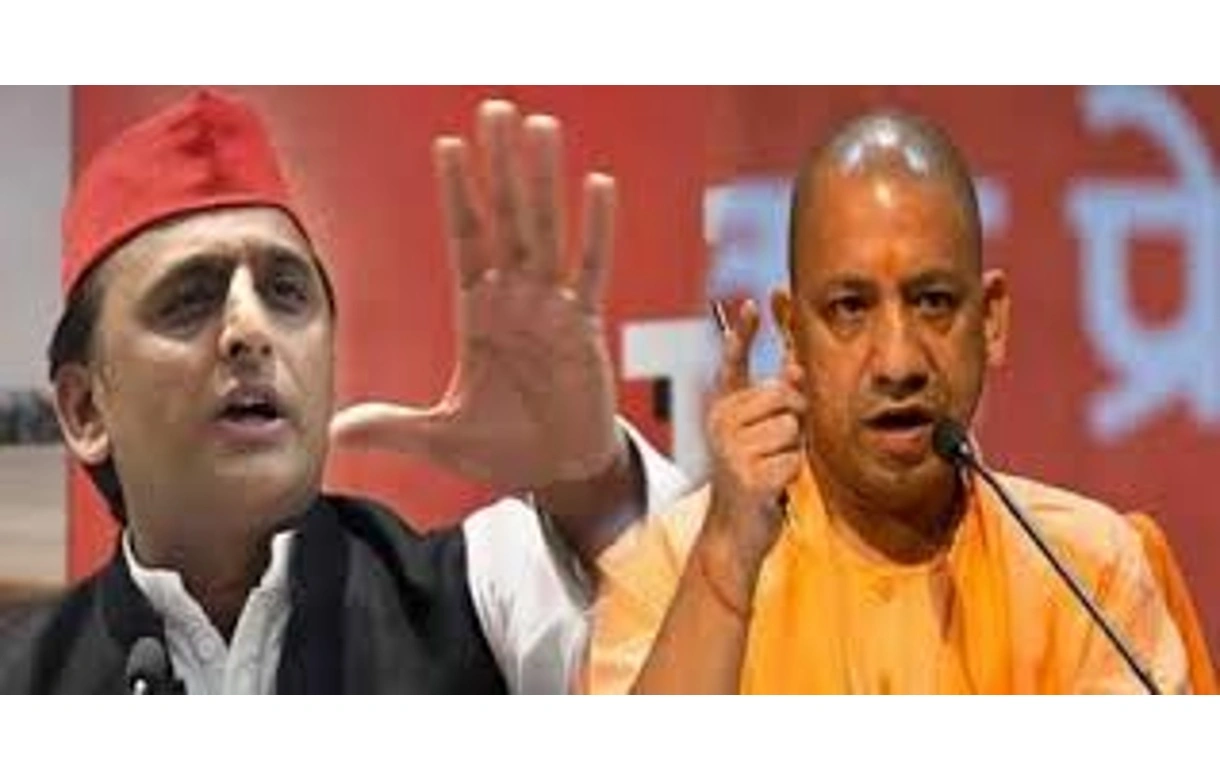
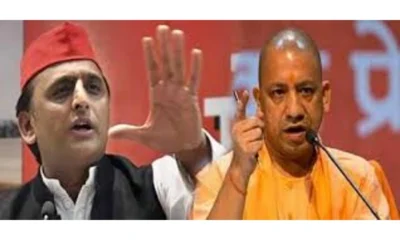
BJP focuses on religion as opposition pushes BDM strategy in UP
The BJP is emphasising religious issues ahead of the Uttar Pradesh Assembly elections, while opposition parties are seeking to consolidate Backward, Dalit and Minority voters. Recent exchanges involving Yogi Adityanath, Akhilesh Yadav and Asaduddin Owaisi have added to the political contest over the state’s electoral narrative.
India News
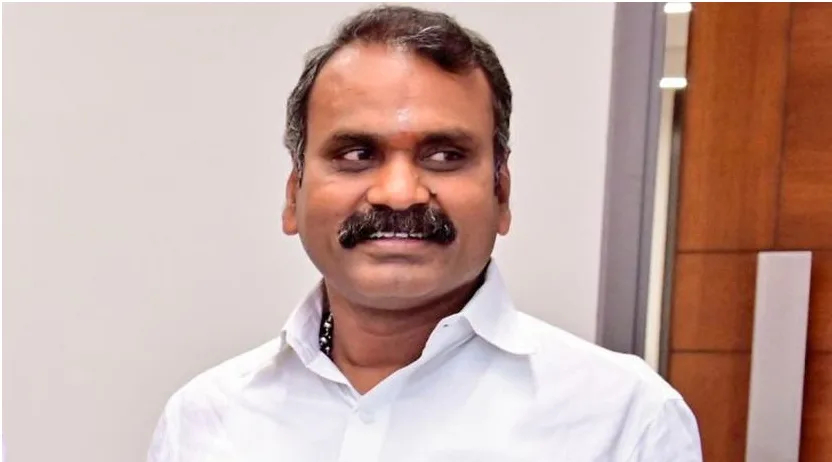
L Murugan quits Union ministry to strengthen BJP in Tamil Nadu
L Murugan has resigned from his Union ministerial post and Rajya Sabha membership, saying he wants to return to grassroots politics and dedicate himself to strengthening the BJP in Tamil Nadu before the 2029 Lok Sabha elections.

Supreme Court stays defamation case against Rahul Gandhi over PM Modi remarks

Rahul Gandhi hosts high tea for INDIA bloc after Gyanesh Kumar protests

L Murugan quits Union ministry to strengthen BJP in Tamil Nadu

Amit Shah attacks Rahul Gandhi over Congress poll losses, questions SIR row

BJP focuses on religion as opposition pushes BDM strategy in UP

PM Modi speaks to Mark Carney as India and Canada push to strengthen ties

S Jaishankar says India is a natural option for Russia amid Europe tensions

CJP leaders Saurav Das, Ashutosh Ranka, Ajinkya Shinde sent to 5-day judicial custody
BJP focuses on religion as opposition pushes BDM strategy in UP
L Murugan quits Union ministry to strengthen BJP in Tamil Nadu

Afghan Men Try To Hang With The Jet Engine Of The Aircraft in Kabul- Afghanistan News – Kabul News
Trending Top 10 News: 10000 Crore Fine on Flipkart, Apple to Launch Unique Feature, Hdfc Bank Job Ad

Trending Top 10 News: Nokia 6310, Apple sales, Bachpan ka Pyar Video Kid, Dainik Bhaskar IT Raid

Trending Top 10 News: Canada bans Indian flights, Rain in Delhi NCR, AIMIM Twitter hacked, Raj Kundra case

Trending Top 10 News: Shein India, Apple New Service, Pocket Oxygen, Oppo Launched New Phone
-
 India News23 hours ago
Supreme Court stays defamation case against Rahul Gandhi over PM Modi remarks
-
 India News15 hours ago
Rahul Gandhi hosts high tea for INDIA bloc after Gyanesh Kumar protests
-
 India News14 hours ago
L Murugan quits Union ministry to strengthen BJP in Tamil Nadu
-
 India News15 hours ago
Amit Shah attacks Rahul Gandhi over Congress poll losses, questions SIR row
-
 India News13 hours ago
BJP focuses on religion as opposition pushes BDM strategy in UP
-
 India News3 hours ago
CJP leaders Saurav Das, Ashutosh Ranka, Ajinkya Shinde sent to 5-day judicial custody
-
 Latest world news2 hours ago
S Jaishankar says India is a natural option for Russia amid Europe tensions
-
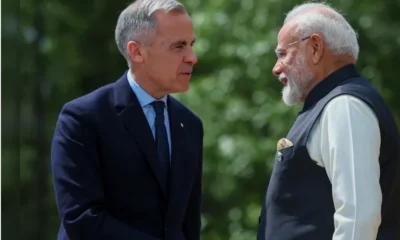 India News2 hours ago
PM Modi speaks to Mark Carney as India and Canada push to strengthen ties
