English हिन्दी
Connect with us

Latest Politics News

Centre tells Lok Sabha no data available to establish deaths due to air pollution

In her reply, she also highlighted the Central Sector schemes such as the Promotion of Agricultural Mechanization for in-situ management of Crop Residue which has been initiated in Punjab, Haryana, Uttar Pradesh, and NCT of Delhi.

Published

on

Lok Sabha

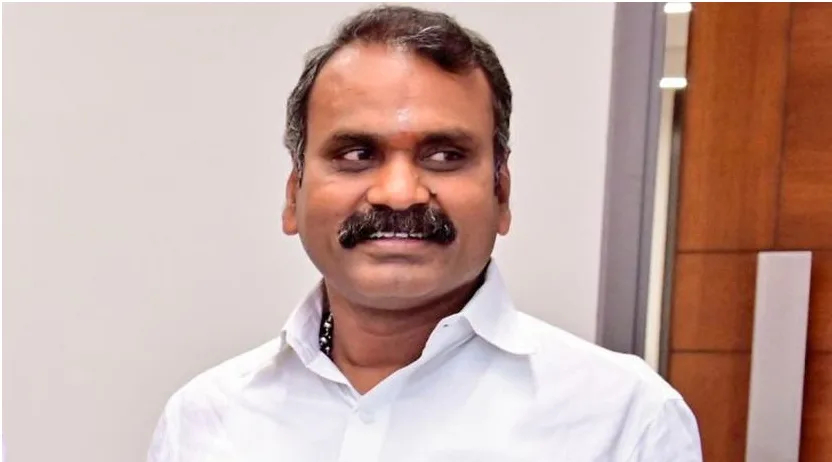
The Winter Session of Lok Sabha is underway and on Friday, the Minister of State for Health, Bharati Pravin Pawar, told the lower house that there is no data available to establish a direct connection between death or disease especially due to air pollution. The winter session commenced on December 7.

The minister, in her reply, further did highlight that air pollution is among the factors that add to respiratory problems which are faced by many.

The Minister of State for Health, Bharati Pravin Pawar also listed several initiatives that are being taken by the state to tackle the problems related to air pollution. The initiatives listed include Pradhan Mantri Ujjwala Yojana (PMUY) under which women and children are provided clean cooking fuel – LPG; other initiatives also include the Swachh Bharat Mission which also touches upon the part of Swach Hawa.

Read Also: Gujarat Elections 2022: Bhupendra Patel to take oath as CM on December 12, Congress breaks silence on getting confined to North Gujarat, AAP gains national party tag

In her reply, she also highlighted the Central Sector schemes such as the Promotion of Agricultural Mechanization for in-situ management of Crop Residue which has been initiated in Punjab, Haryana, Uttar Pradesh, and NCT of Delhi. Pawar further added that Sustainable Alternative towards Affordable Transportation (SATAT) has been launched by the Government to establish Compressed Bio-Gas (CBG) production plants in order to have the market available with CBG for use in automotive fuels.
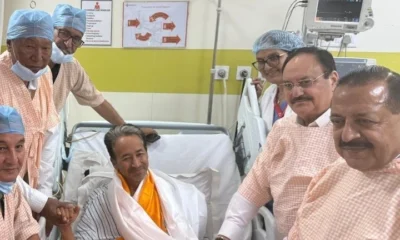
The Minister of state Health also added that a plan of action also has been designed and rolled out for implementation which caters to city-specific issues to tackle the challenges of Air pollution problems such as Vehicular emissions, road dust, burning of biomass, crop, garbage, municipal solid waste, landfills, construction activities, industrial emission and more.

Pawar in her reply also talked about the launched National Programme on Climate Change and Human Health by the Ministry of Health at the National Centre for Disease Control that was launched back in 2019. She expounded that the programme has been expanded in all the states and Union Territories.

Air Pollution in India

Air pollution has been one of the biggest emerging challenges for India as it has been taking a toll on its citizens. According to the State of Global Air report 2022, Delhi, Kolkata and Mumbai were named as one of the most affected cities in the world. The World Air Quality Index 2022 also included the three cities and smaller cities like Kanpur and Rohtak to be the most affected.

Top 5 Phones for Online Gaming in India in 2022

Congress to decide Himachal Chief Minister, Pratibha Singh among other hopefuls

India News

PM Modi assures no discrimination in women’s quota, delimitation debate intensifies in Parliament

PM Narendra Modi has assured that women’s reservation will be implemented without discrimination, amid a heated debate over delimitation in Parliament.

Published

on

PM modi

Prime Minister Narendra Modi has assured that there will be no discrimination in the implementation of women’s reservation, as Parliament witnessed a sharp debate over the proposed linkage between the quota and delimitation exercise.

During the ongoing special session, the government reiterated its commitment to ensuring fair representation while addressing concerns raised by opposition parties regarding the timing and structure of the legislation.

The proposed framework aims to reserve 33 percent of seats for women in the Lok Sabha and state assemblies. However, its implementation is tied to a fresh delimitation exercise, which is expected after the next census.

Opposition questions timing and intent

Opposition leaders have raised concerns that linking the women’s quota to delimitation could delay its implementation. They argue that the process of redrawing constituencies may push the actual rollout further into the future.

The issue has triggered a broader political confrontation, with multiple parties questioning whether the move could alter representation across states.

Some critics have also alleged that the delimitation exercise could disproportionately benefit certain regions based on population, a charge the government has rejected.

Government reiterates commitment to fair implementation

Responding to these concerns, the Centre has maintained that the reforms are necessary to ensure accurate and updated representation based on population data.

Leaders from the ruling side have repeatedly emphasized that the process will be carried out transparently and without bias. The assurance that there will be “no discrimination” is aimed at addressing fears among states and opposition parties.

The debate marks a key moment in Parliament, with both sides engaging in intense exchanges over one of the most significant electoral reforms in recent years.

Continue Reading

India News

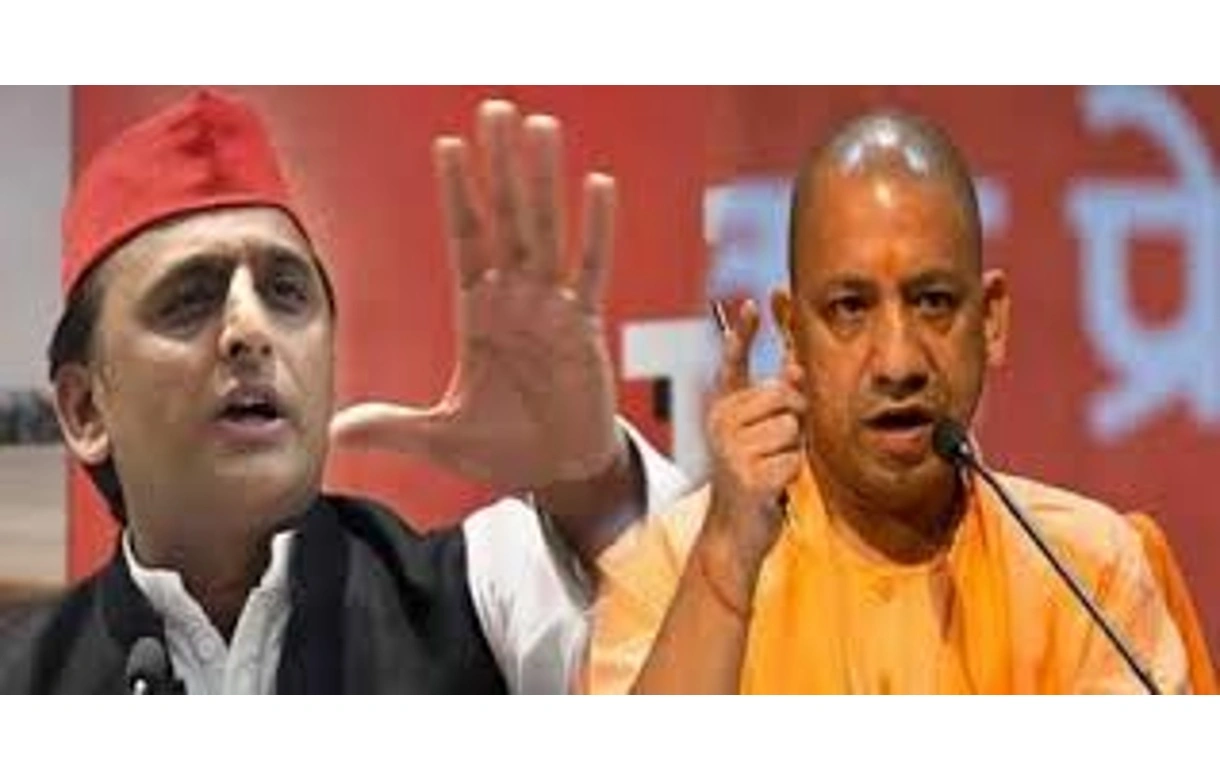
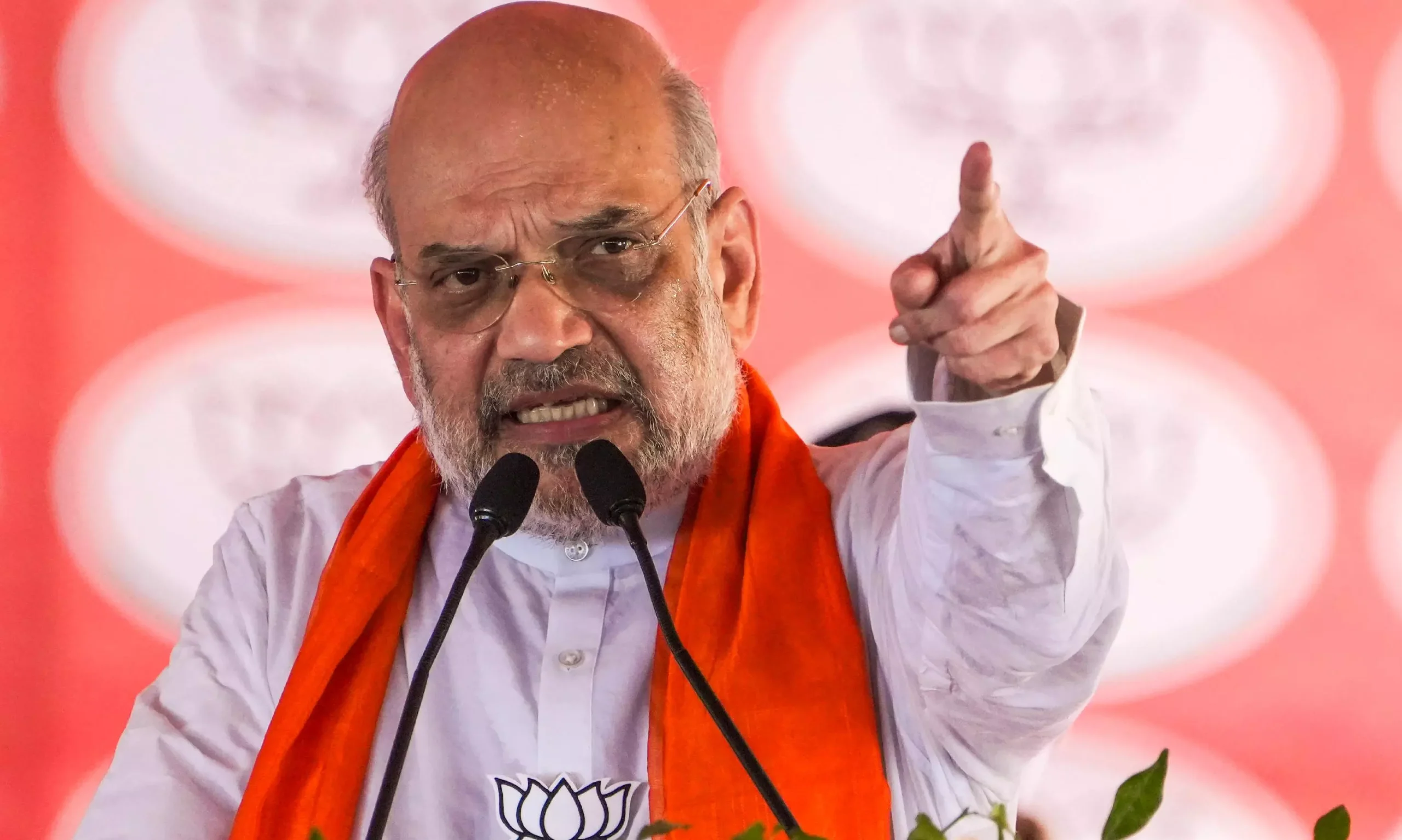
Give all tickets to Muslim women, Amit Shah says, attacking Akhilesh Yadav on sub-quota demand

A sharp exchange between Amit Shah and Akhilesh Yadav in Parliament over sub-quota for Muslim women highlights key divisions on women’s reservation implementation.

Published

on

A heated exchange broke out in Parliament during discussions on the women’s reservation framework, with Union Home Minister Amit Shah and Samajwadi Party chief Akhilesh Yadav locking horns over the demand for a sub-quota for Muslim women.

The debate unfolded as the government pushed forward key legislative measures to implement 33% reservation for women in the Lok Sabha and state assemblies.

Akhilesh Yadav argued that the proposed reservation must ensure representation for women from marginalised communities, including Other Backward Classes (OBCs) and Muslim women. He said that without such provisions, large sections could remain excluded from political participation.

He also questioned the timing of the bill, alleging that the Centre was avoiding a caste census. According to him, a census would lead to renewed demands for caste-based reservations, which the government is reluctant to address.

Government rejects religion-based quota

Responding to the demand, Amit Shah made it clear that reservation based on religion is not permitted under the Constitution.

He stated that any proposal to provide quota to Muslims on religious grounds would be unconstitutional, firmly rejecting the idea of a separate sub-quota for Muslim women within the broader reservation framework.

The government has maintained that the existing framework already includes provisions for Scheduled Castes (SC) and Scheduled Tribes (ST) women within the overall reservation structure.

Wider political divide over implementation

The issue of sub-categorisation within the women’s quota has emerged as a major flashpoint, even as most opposition parties broadly support the idea of women’s reservation.

Samajwadi Party leaders reiterated that their support for the bill depends on inclusion of OBC and minority women, while the government continues to defend its constitutional position.

The debate is part of a broader discussion during the special Parliament session, where multiple bills linked to delimitation and implementation of the women’s quota are being taken up.

Continue Reading

India News

Raghav Chadha’s security withdrawn by Punjab amid AAP rift, Centre steps in with cover

Punjab withdraws Raghav Chadha’s security amid party tensions, Centre offers fresh protection.

Published

on

The Punjab government has withdrawn the Z+ category security cover provided to Raghav Chadha, amid an ongoing rift within the Aam Aadmi Party.

According to sources, the security personnel deployed by Punjab Police have been asked to report back, marking a significant development in the political dispute involving the Rajya Sabha MP.

The move comes shortly after Chadha was removed from his position as deputy leader of the party in the Rajya Sabha, signalling deepening differences between him and the party leadership.

Centre offers fresh security arrangement

Soon after the withdrawal, the Ministry of Home Affairs stepped in to provide security cover to Chadha.

Sources indicate that he will now receive Z-category security in Delhi and Punjab, while a Y-category cover may be provided in other parts of the country.

This shift ensures continued protection for the MP despite the withdrawal of state-provided security.

Fallout linked to political disagreement

The development is part of a broader fallout between Chadha and his party. He was recently replaced as deputy leader in the Rajya Sabha, with the party reportedly expressing dissatisfaction over his political approach and conduct in Parliament.

Chadha, however, has denied the allegations, calling them baseless and asserting that his focus has been on raising public issues rather than engaging in political confrontation.

Growing divide within party ranks

Once considered a close associate of Arvind Kejriwal and a prominent face of the party, Chadha’s recent removal from key roles and the withdrawal of his security underline a widening internal divide.

He is among the few leaders in the party who have recently found themselves at odds with the leadership, indicating shifting dynamics within the organisation.

Continue Reading

Trending

© Copyright 2022 APNLIVE.com