English हिन्दी
Connect with us

Latest Politics News

As India Legal predicted, NN Vohra steps down as J&K Governor, political appointee Malik replaces him

Published

on

As India Legal predicted, NN Vohra steps down as J&K Governor, political appointee Malik replaces him
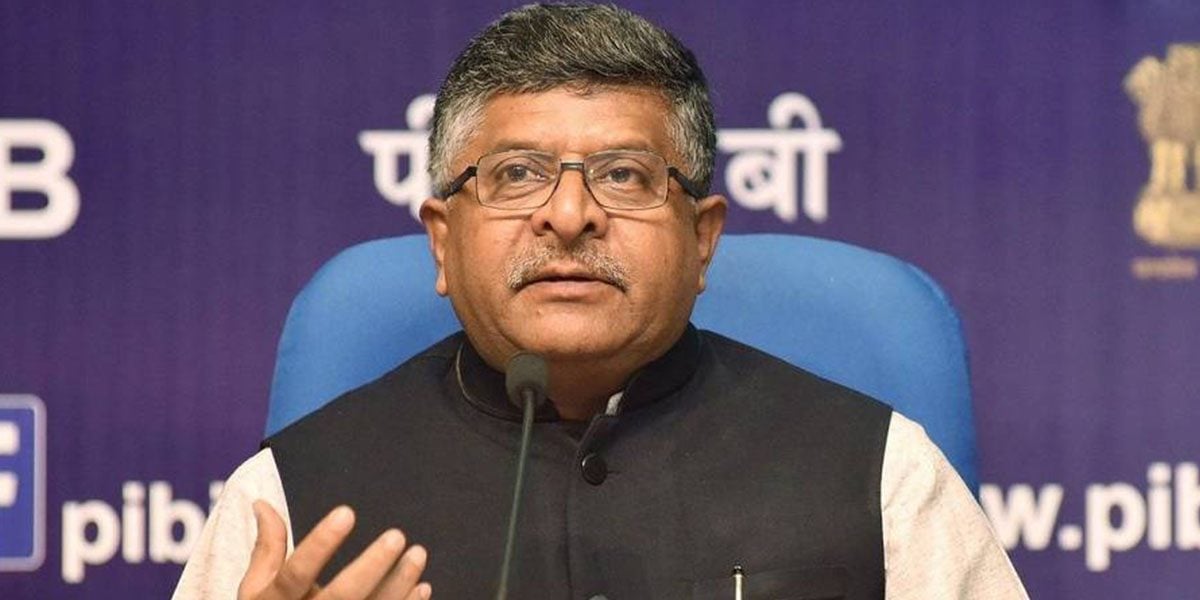
As predicted in Durbar column of the August 13 issue of India Legal, a publication of the same media group as APN Live, J&K Governor NN Vohra, one of the most able administrators the state has seen and who had expressed his desire to step down, is retiring.

Vohra has been the J&K Governor since 2008. The Centre on Tuesday announced that a political appointee, Satya Pal Malik, now governor of Bihar, will take his place. The appointment of a political person to the post comes after a good five decades: since 1967, the Centre has chosen retired civil servants, diplomats, police officers and Army generals for the post of governor of J&K.

Karan Singh was the last governor of J&K with a political background. He served from 1965 to 1967.

Vohra’s second six-year term, the same as State Assembly’s term of six years, ended on June 25. He continued in office after the BJP pulled out of the ruling coalition with the PDP and the State was placed under Governor’s rule on June 20. The Centre needed an experienced administrator given the situation in the State and the ongoing Amarnath Yatra that concludes on August 28.

The appointment of a person from a socialist background and not from the uniformed forces or from the saffron fraternity, as was being speculated earlier, indicates the Centre’s openness to dialogue and engagement with diverse people and organisations in the State, currently under Governor’s rule.

Malik, who was active as a politician in the times of former Prime Ministers Charan Singh and VP Singh will be landing on the hot seat at a time when the state is in turmoil. At a time when the governor’s role is most crucial in J&K, it is believed that Malik’s immense experience in tackling disparate groups will come in handy for the government. Malik has worked with Mufti Mohammed Sayeed, former chief minister of the state, during the time of VP Singh, and, as he has said in an interview, ““It is a challenging job. The basic challenge is to win the confidence of the people of the state.”

Malik started out as a student leader in Meerut. In 1974 he joined Charan Singh’s Lok Dal and was elected an MLA to the Uttar Pradesh Assembly. He was later elected twice to Rajya Sabha — in 1980 as a Lok Dal candidate and in 1986 from the Congress.

He was disqualified from Rajya Sabha as he started attending meetings of the rebel Congress leader VP Singh’s Jan Morcha. In 1990 he became the Union Minister of State, Parliamentary Affairs and Tourism in VP Singh’s cabinet.

In 2004, he joined the BJP and contested – unsuccessfully – the general election against his one-time mentor Charan Singh’s son Ajit Singh from Baghpat.

In other changes, senior BJP leader Lalji Tandon was appointed as Governor of Bihar replacing Malik, and Satyadev Narayan Arya will be the new Governor of Haryana,

Baby Rani Maurya will be the new Governor of Uttarakhand, replacing KK Paul who was appointed by the UPA government. The only UPA era appointee currently is ESL Narsimhan, who holds dual charge as Governor of Telengana and Andhra Pradesh, media reports said.

Kaptan Singh Solanki, the Governor of Haryana, has been transferred to Tripura. Tripura Governor Tathagata Roy has been transferred to Meghalaya. Ganga Prasad, the Governor of Meghalaya, has been transferred to Sikkim.

India News

PM Modi assures no discrimination in women’s quota, delimitation debate intensifies in Parliament

PM Narendra Modi has assured that women’s reservation will be implemented without discrimination, amid a heated debate over delimitation in Parliament.

Published

on

PM modi

Prime Minister Narendra Modi has assured that there will be no discrimination in the implementation of women’s reservation, as Parliament witnessed a sharp debate over the proposed linkage between the quota and delimitation exercise.

During the ongoing special session, the government reiterated its commitment to ensuring fair representation while addressing concerns raised by opposition parties regarding the timing and structure of the legislation.

The proposed framework aims to reserve 33 percent of seats for women in the Lok Sabha and state assemblies. However, its implementation is tied to a fresh delimitation exercise, which is expected after the next census.

Opposition questions timing and intent

Opposition leaders have raised concerns that linking the women’s quota to delimitation could delay its implementation. They argue that the process of redrawing constituencies may push the actual rollout further into the future.

The issue has triggered a broader political confrontation, with multiple parties questioning whether the move could alter representation across states.

Some critics have also alleged that the delimitation exercise could disproportionately benefit certain regions based on population, a charge the government has rejected.

Government reiterates commitment to fair implementation

Responding to these concerns, the Centre has maintained that the reforms are necessary to ensure accurate and updated representation based on population data.

Leaders from the ruling side have repeatedly emphasized that the process will be carried out transparently and without bias. The assurance that there will be “no discrimination” is aimed at addressing fears among states and opposition parties.

The debate marks a key moment in Parliament, with both sides engaging in intense exchanges over one of the most significant electoral reforms in recent years.

Continue Reading

India News

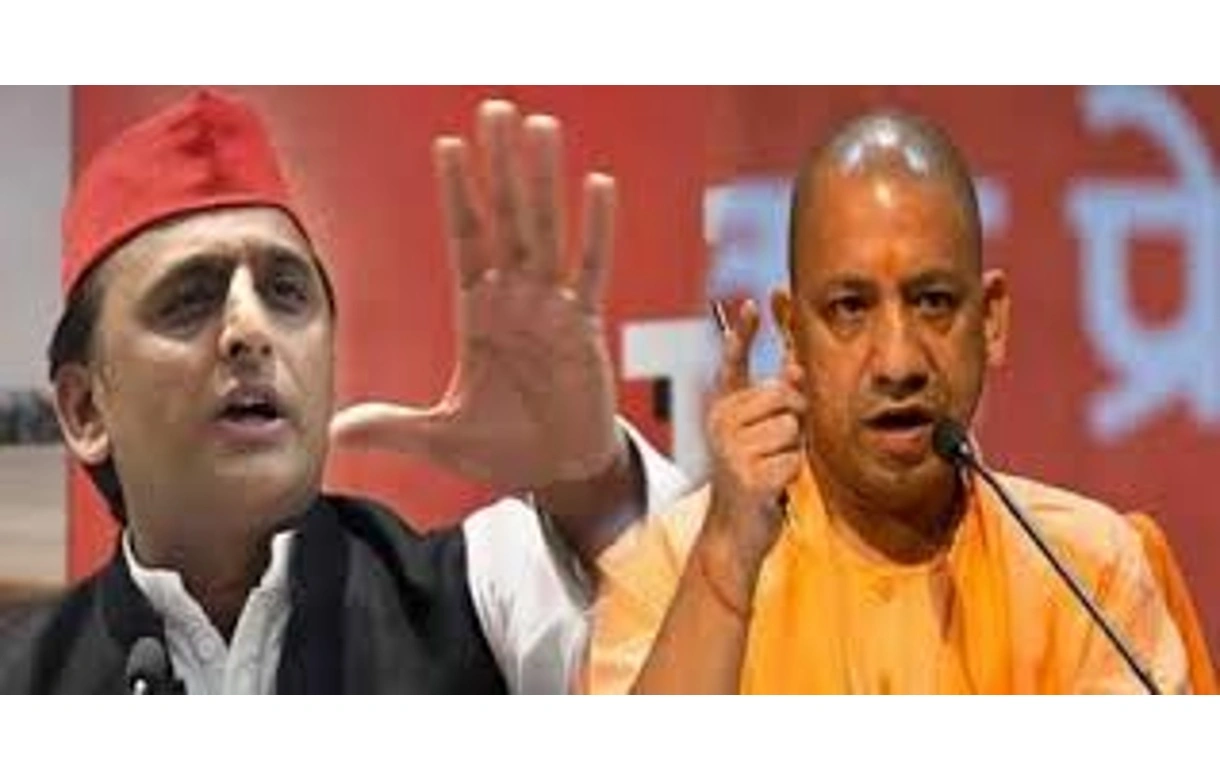
Give all tickets to Muslim women, Amit Shah says, attacking Akhilesh Yadav on sub-quota demand

A sharp exchange between Amit Shah and Akhilesh Yadav in Parliament over sub-quota for Muslim women highlights key divisions on women’s reservation implementation.

Published

on

A heated exchange broke out in Parliament during discussions on the women’s reservation framework, with Union Home Minister Amit Shah and Samajwadi Party chief Akhilesh Yadav locking horns over the demand for a sub-quota for Muslim women.

The debate unfolded as the government pushed forward key legislative measures to implement 33% reservation for women in the Lok Sabha and state assemblies.

Akhilesh Yadav argued that the proposed reservation must ensure representation for women from marginalised communities, including Other Backward Classes (OBCs) and Muslim women. He said that without such provisions, large sections could remain excluded from political participation.

He also questioned the timing of the bill, alleging that the Centre was avoiding a caste census. According to him, a census would lead to renewed demands for caste-based reservations, which the government is reluctant to address.

Government rejects religion-based quota

Responding to the demand, Amit Shah made it clear that reservation based on religion is not permitted under the Constitution.

He stated that any proposal to provide quota to Muslims on religious grounds would be unconstitutional, firmly rejecting the idea of a separate sub-quota for Muslim women within the broader reservation framework.

The government has maintained that the existing framework already includes provisions for Scheduled Castes (SC) and Scheduled Tribes (ST) women within the overall reservation structure.

Wider political divide over implementation

The issue of sub-categorisation within the women’s quota has emerged as a major flashpoint, even as most opposition parties broadly support the idea of women’s reservation.

Samajwadi Party leaders reiterated that their support for the bill depends on inclusion of OBC and minority women, while the government continues to defend its constitutional position.

The debate is part of a broader discussion during the special Parliament session, where multiple bills linked to delimitation and implementation of the women’s quota are being taken up.

Continue Reading

India News

Raghav Chadha’s security withdrawn by Punjab amid AAP rift, Centre steps in with cover

Punjab withdraws Raghav Chadha’s security amid party tensions, Centre offers fresh protection.

Published

on

The Punjab government has withdrawn the Z+ category security cover provided to Raghav Chadha, amid an ongoing rift within the Aam Aadmi Party.

According to sources, the security personnel deployed by Punjab Police have been asked to report back, marking a significant development in the political dispute involving the Rajya Sabha MP.

The move comes shortly after Chadha was removed from his position as deputy leader of the party in the Rajya Sabha, signalling deepening differences between him and the party leadership.

Centre offers fresh security arrangement

Soon after the withdrawal, the Ministry of Home Affairs stepped in to provide security cover to Chadha.

Sources indicate that he will now receive Z-category security in Delhi and Punjab, while a Y-category cover may be provided in other parts of the country.

This shift ensures continued protection for the MP despite the withdrawal of state-provided security.

Fallout linked to political disagreement

The development is part of a broader fallout between Chadha and his party. He was recently replaced as deputy leader in the Rajya Sabha, with the party reportedly expressing dissatisfaction over his political approach and conduct in Parliament.

Chadha, however, has denied the allegations, calling them baseless and asserting that his focus has been on raising public issues rather than engaging in political confrontation.

Growing divide within party ranks

Once considered a close associate of Arvind Kejriwal and a prominent face of the party, Chadha’s recent removal from key roles and the withdrawal of his security underline a widening internal divide.

He is among the few leaders in the party who have recently found themselves at odds with the leadership, indicating shifting dynamics within the organisation.

Continue Reading

Trending

© Copyright 2022 APNLIVE.com