
Latest Politics News
Meghalaya Assembly Election 2023: BJP announces list of 60 candidates, check the full list here
Nagaland and Meghalaya will turn to polls on Feb 27 and results will be announced on March 2

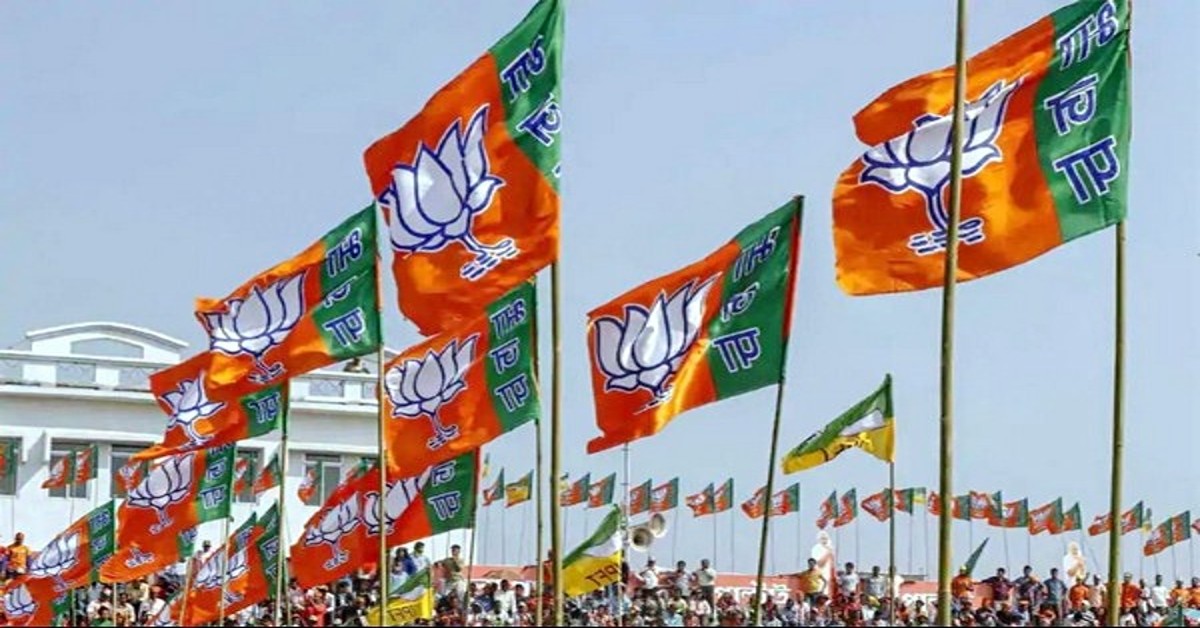
The Bharatiya Janata Party has announced a list of 60 candidates for the ensuing Meghalaya Assembly Elections on Thursday.
Prior to announcing the list, the party’s election committee held a meeting at party’s national headquarters in New Delhi on Wednesday to finalise the same. Prime Minister Narendra Modi, BJP National President JP Nadda and state BJP leaders AL Hek and Ernest Mawrie were among other party top guns who attended the meeting.
Check out the full list here:

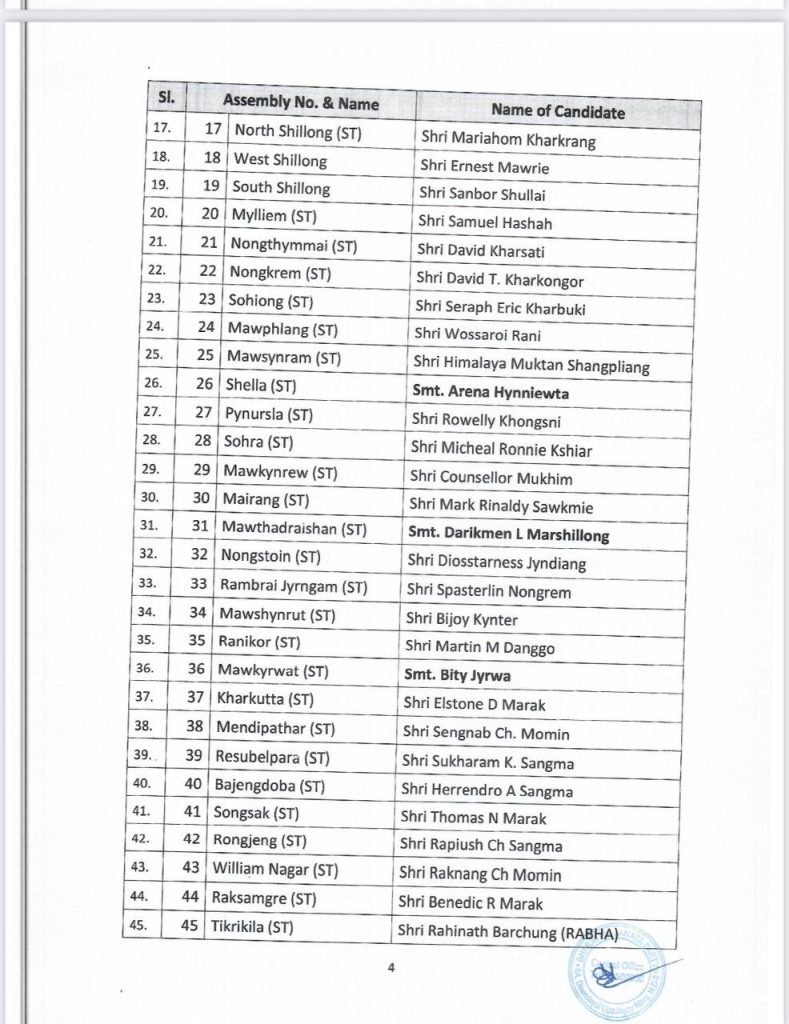
Former Cabinet Minister and NPP leader Martin M Danggi was given the seat from Ranikor.
Read Also: FBI searches US President Joe Biden’s Delaware beach house, no classified documents found
It is worth mentioning that earlier in the day, Danggo had officially joined the BJP in the Meghalaya’s state capital
The former Speaker claimed that he joined the BJP on the advice of his leaders and followers.
Danggo said that he didn’t make the choice but all of his leaders gathered and resolved that he should resign from the NPP and join the BJP. In his address to the party workers, he asked them to help in comprehending the BJP’s manifesto and constitution.
Notably, in Meghalaya, the BJP is fighting all seats along and in Nagaland it will fight the elections with cooperation of alliance party National Democratic Progressive Party (NDPP), where it will contest on 20 seats out of 60 seats.
On February 27, the voting for Assembly elections in Nagaland and Meghalaya will be held in a single phase manner. The results of the same will be announced on March 2.
The Election Commission of India said that the terms of Nagaland and Meghalaya were coming to an end on March 12 and 15 respectively.
The BJP held a CEC meeting in the national capital to decide the names of the candidates for the ensuing Tripura Assembly elections, earlier on January 27.
Following the meeting, the BJP announced its first list of 48 candidates for the Tripura Assembly elections, while it fielded Union Minister Pratima Bhoumik from Dhanpur.
Parliament adjourned till 2 pm after opposition demands debate on the Hindenburg report
Uttar Pradesh: Woman beat man with slippers on busy road in Jhansi, video goes viral | Watch




India News
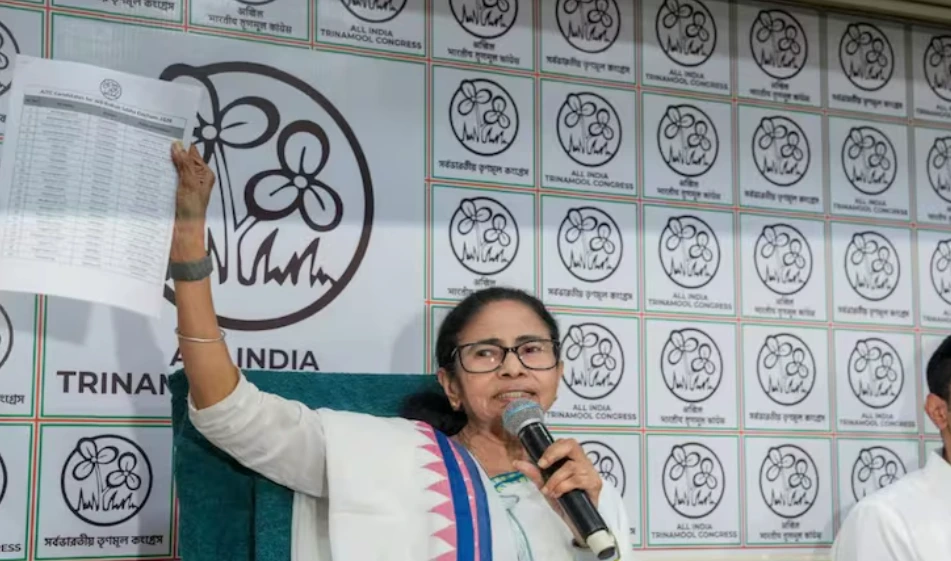
Mamata Banerjee warns BJP, EC over Bengal polls, says they will be accountable
Mamata Banerjee holds BJP and Election Commission responsible for any incidents during Bengal polls, raising concerns over officer transfers.

India News
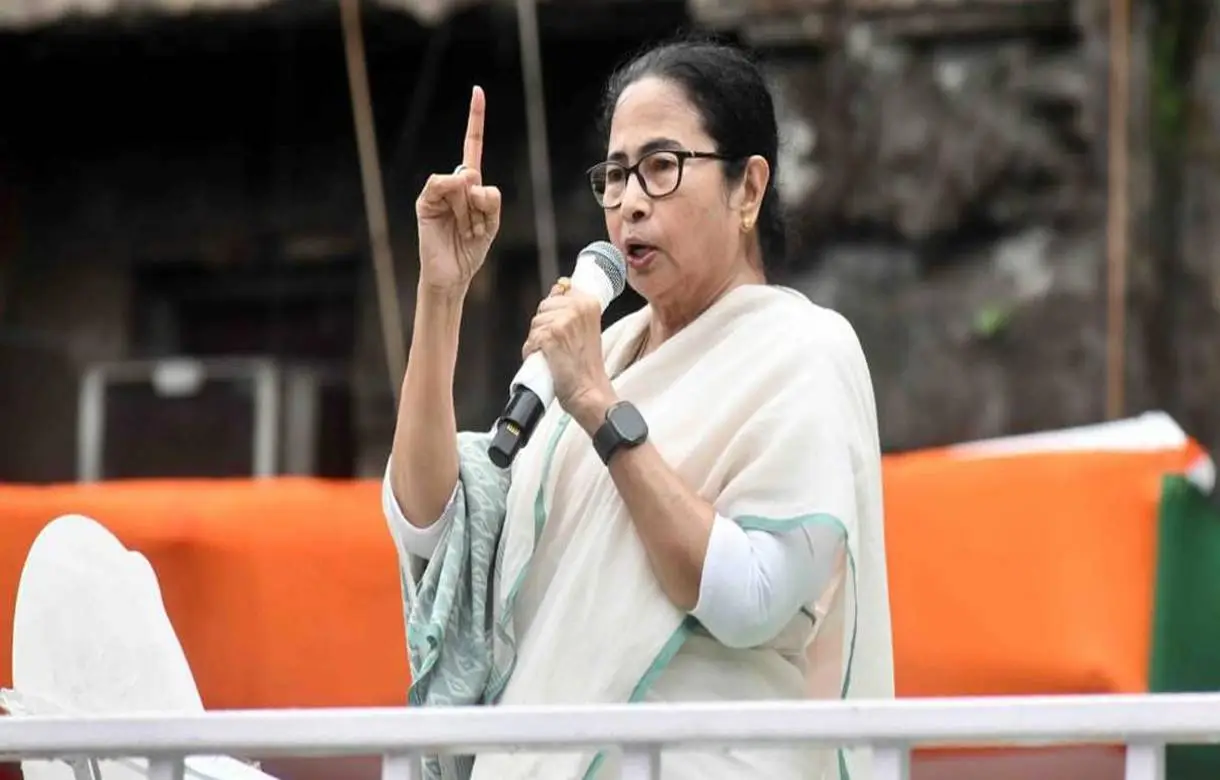
Mamata Banerjee writes to poll chief over officers’ reshuffle, calls move arbitrary
Mamata Banerjee has written to the Chief Election Commissioner, calling the reshuffle of senior Bengal officials arbitrary and raising concerns over constitutional norms.
India News
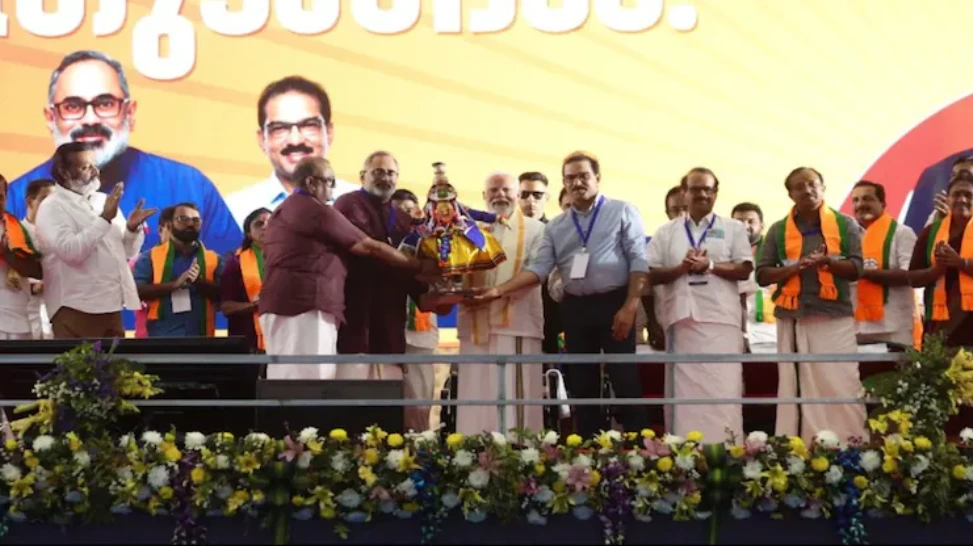
BJP releases first list of 47 candidates for Kerala assembly polls
The BJP has released its first list of 47 candidates for the Kerala Assembly elections scheduled for April 9, including three former Union ministers.

Om Birla likely to move motion to revoke suspension of 8 opposition MPs today

Pakistan airstrike allegations on Kabul hospital leave hundreds dead, claims Taliban

Mamata Banerjee writes to poll chief over officers’ reshuffle, calls move arbitrary

Maharashtra passes freedom of religion bill with jail term up to 10 years
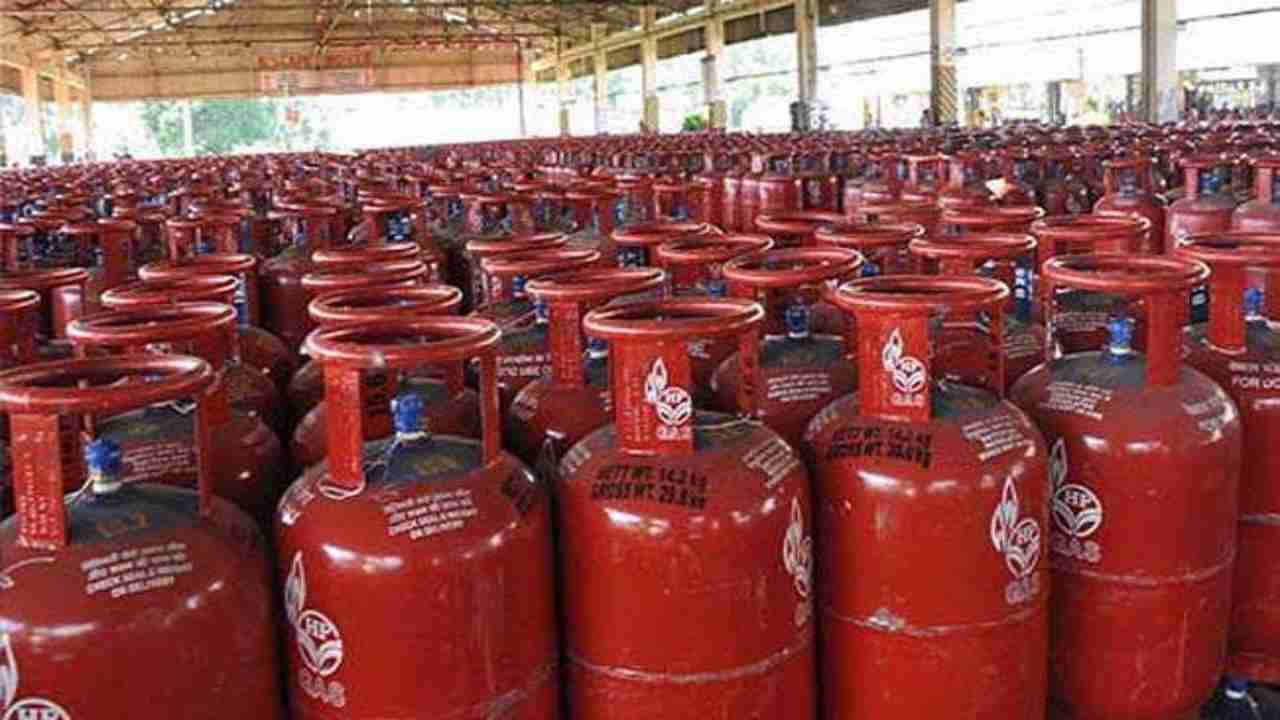
Centre assures action on LPG supply disruption, court closes distributors’ plea

Top US counterterrorism official resigns over Iran war, cites conscience

Mamata Banerjee warns BJP, EC over Bengal polls, says they will be accountable
Centre assures action on LPG supply disruption, court closes distributors’ plea
Om Birla likely to move motion to revoke suspension of 8 opposition MPs today
Maharashtra passes freedom of religion bill with jail term up to 10 years

Afghan Men Try To Hang With The Jet Engine Of The Aircraft in Kabul- Afghanistan News – Kabul News
Trending Top 10 News: 10000 Crore Fine on Flipkart, Apple to Launch Unique Feature, Hdfc Bank Job Ad

Trending Top 10 News: Nokia 6310, Apple sales, Bachpan ka Pyar Video Kid, Dainik Bhaskar IT Raid

Trending Top 10 News: Canada bans Indian flights, Rain in Delhi NCR, AIMIM Twitter hacked, Raj Kundra case

Trending Top 10 News: Shein India, Apple New Service, Pocket Oxygen, Oppo Launched New Phone
-
 India News18 hours ago
Om Birla likely to move motion to revoke suspension of 8 opposition MPs today
-
 India News20 hours ago
Pakistan airstrike allegations on Kabul hospital leave hundreds dead, claims Taliban
-
 India News19 hours ago
Mamata Banerjee writes to poll chief over officers’ reshuffle, calls move arbitrary
-
 India News19 hours ago
Maharashtra passes freedom of religion bill with jail term up to 10 years
-
India News10 hours ago
Centre assures action on LPG supply disruption, court closes distributors’ plea
-
 India News8 hours ago
Mamata Banerjee warns BJP, EC over Bengal polls, says they will be accountable
-
 Latest world news8 hours ago
Top US counterterrorism official resigns over Iran war, cites conscience
