English हिन्दी
Connect with us

Latest Politics News

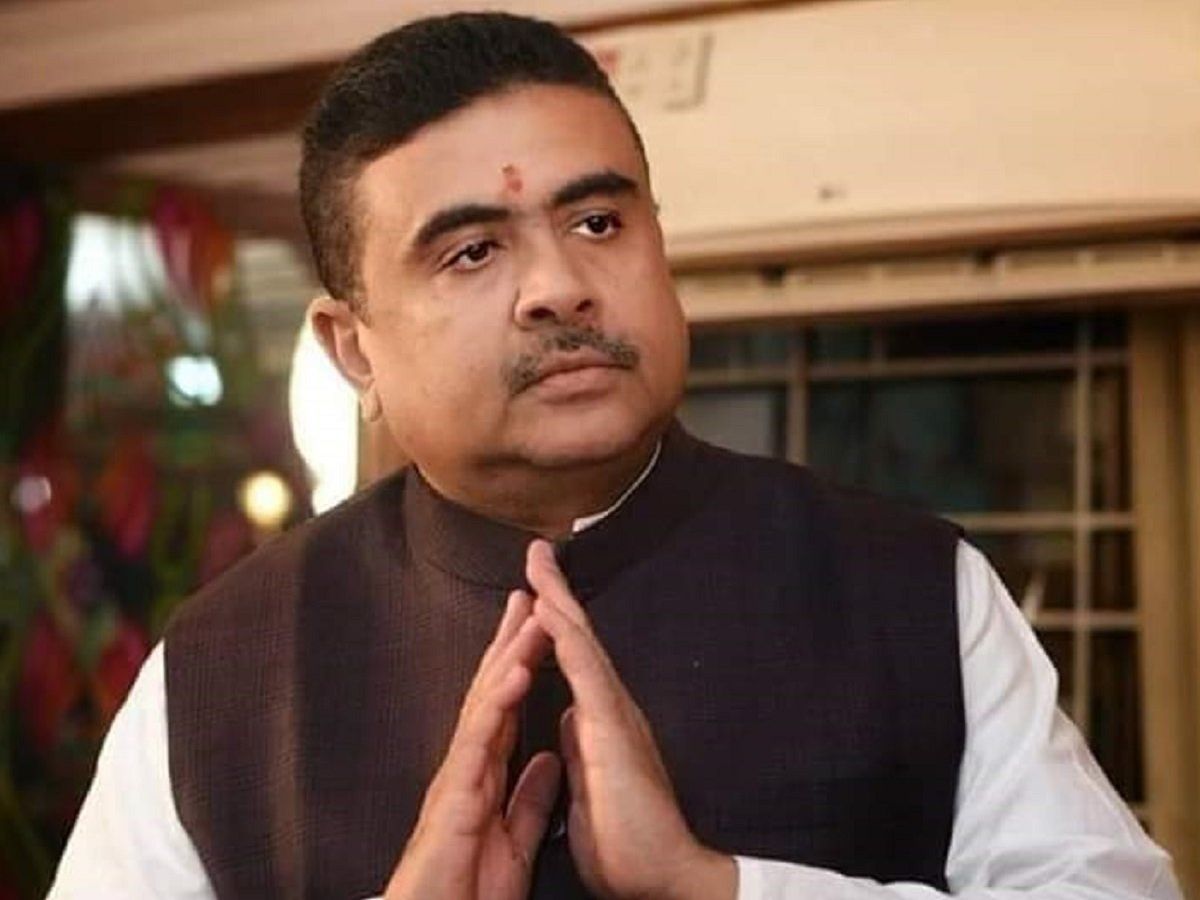
West Bengal polls: Suvendu Adhikari hiring criminals, anti-social elements, claims Trinamool

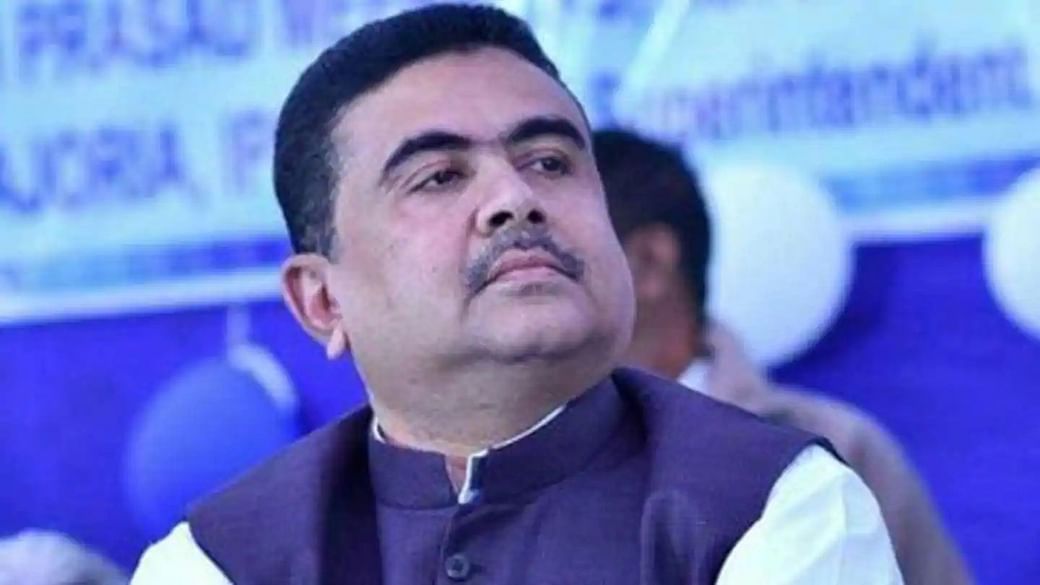
Trinamool Congress leader Derek O’Brien on Tuesday wrote a letter to the Election Commission alleging that Suvendu Adhikari, the BJP’s high profile candidate in the Bengal elections is hiring criminals and anti-social elements.

Published

on

Suvendu Adhikari

Trinamool Congress leader Derek O’Brien on Tuesday wrote a letter to the Election Commission alleging that Suvendu Adhikari, the BJP’s high profile candidate in the Bengal elections is hiring criminals and anti-social elements.
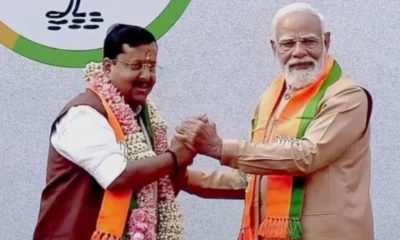
The former high profile leader of Bengal’s Trinamool Congress has challenged Chief Minister Mamata Banerjee by contesting from Nandigram, the seat where Banerjee is contesting from. Adhikari had won Nandigram seat in the 2016 Assembly polls while Banerjee emerged victorious from the Bhawanipore Assembly segment in Kolkata.

O’Brien has listed concerns in the letter for the alleged criminals – non-residents – being harboured in Nandigram to cause trouble during the election. He has asked the Election Commission to immediately take action against these elements.

The Trinamool alleged that some 30-40 people are staying at the home of Kalipada Shee since November and move around in motorcycles. He also alleged that Adhikari was a regular visitor to the house.

As per O’Brien, there are around 50 people including Adhikari’s election agent who are staying at the home of one Meghnath Pal. He also listed two more houses sheltering 20-30 people each.

The local police had been informed about the same but had refused to act against the complaint, the Trinamool Rajya Sabha member said.

Last week, it was the BJP that had complained to the Election Commission about Trinamool workers attacking their rally in Nandigram.

Read Also: Assam polls 2021: BJP commits to work on corrected NRC in poll manifesto

Suvendu Adhikari is considered to be strongman in Nandigram and with Banerjee announcing to contest from the same constituency, the election campaign is raising temperatures. Adhikari rose in limelight by organising the campaign against land acquisition in Nandigram. He quit Trinamool following alleged rift with Banerjee’s nephew Abhishek Banerjee, who has emerged as the second most powerful person in the party after the Bengal CM.

The elections to the 294 seats in West Bengal will be held in eight phases from March 27 to April 29. The results will be declared on May 2, along with those of Assam, Kerala, Tamil Nadu and Puducherry.

India News

Didn’t violate party line: Shashi Tharoor defends stand on Operation Sindhoor

Shashi Tharoor says his stance on Operation Sindhoor was driven by national interest and insists he did not violate the Congress party line.

Published

on

Congress MP Shashi Tharoor says his views on Operation Sindhoor were guided by national interest and aligned with India’s security priorities

Congress MP Shashi Tharoor on Saturday said he has never crossed the Congress party’s stated positions inside Parliament, asserting that his only principled public disagreement was related to Operation Sindhoor.

Speaking during a session at the Kerala Literature Festival, Tharoor said he had taken a firm stand on the issue and remained “unapologetic” about it. His remarks come amid recent reports highlighting differences between him and sections of the party leadership, with speculation around his dissatisfaction over not being adequately acknowledged at a recent event in Kochi and alleged attempts by state leaders to sideline him.

Clarifying his position, Tharoor said that as a writer and observer, he had penned a newspaper column after the Pahalgam incident, arguing that the attack should not go unpunished and calling for a limited kinetic response. He added that while India’s primary focus remains development, the country should not be drawn into a prolonged conflict with Pakistan.

According to Tharoor, any response should be restricted to targeting terrorist camps rather than escalating tensions. He noted that he was surprised when the government eventually took steps that mirrored the approach he had outlined.

Referring to Jawaharlal Nehru’s famous words, “Who lives if India dies?”, Tharoor said that when the country’s security and global standing are at stake, national interest must take precedence over political differences.

He added that while political parties may disagree on various issues in the process of strengthening democracy, India must come first whenever core national interests are involved.

Continue Reading

India News

Shashi Tharoor likely to skip key Congress meet amid unease with party leadership

Shashi Tharoor is expected to remain absent from a crucial Congress meeting in Kerala, with sources citing dissatisfaction over his treatment during Rahul Gandhi’s Kochi visit.

Published

on

Senior Congress MP Shashi Tharoor is likely to skip an important meeting of the party’s Kerala leadership scheduled for Friday afternoon, with sources indicating that the four-time Lok Sabha member is upset over a perceived lack of due respect during Rahul Gandhi’s recent visit to Kochi.

The meeting, set to be attended by senior leaders including Rahul Gandhi and Congress president Mallikarjun Kharge, is aimed at reviewing preparations for the Kerala Assembly election later this year. Tharoor, who represents Thiruvananthapuram, is expected to be absent.

Sources said the diplomat-turned-politician has been unhappy with the party’s handling of his role during the Kochi visit, adding to existing strain between him and the Congress’ central leadership.

Tharoor has in recent months found himself under scrutiny within the party following remarks that were seen as appreciative of Prime Minister Narendra Modi and the ruling Bharatiya Janata Party. These include comments on the Prime Minister’s response to the April 22 Pahalgam terror attack and subsequent military strikes on Pakistan, as well as occasional critical observations aired through media interactions.

The tension resurfaced on Thursday after Tharoor shared a selfie with former BJP MP and current India men’s cricket team head coach Gautam Gambhir. In his post, Tharoor praised Gambhir for handling what he described as “the second-hardest job in India,” after the Prime Minister’s role.

The post drew a sharp response from a BJP spokesperson, who linked Tharoor’s comments on cricket fans questioning coaching decisions to the opposition’s criticism of the Prime Minister. The BJP leader accused the opposition of prioritising family interests over national concerns and suggested that Tharoor’s remarks once again highlighted divisions within the Congress.

The episode underscores the continuing unease between Shashi Tharoor and the Congress leadership, a rift that political rivals have frequently highlighted in public discourse.

Continue Reading

India News

BJP calls Congress anti-Hindu after Rahul Gandhi questions G-RAM-G scheme

The BJP has accused the Congress of being anti-Hindu after Rahul Gandhi said he was unfamiliar with the new G-RAM-G employment guarantee scheme that replaces MNREGA.

Published

on

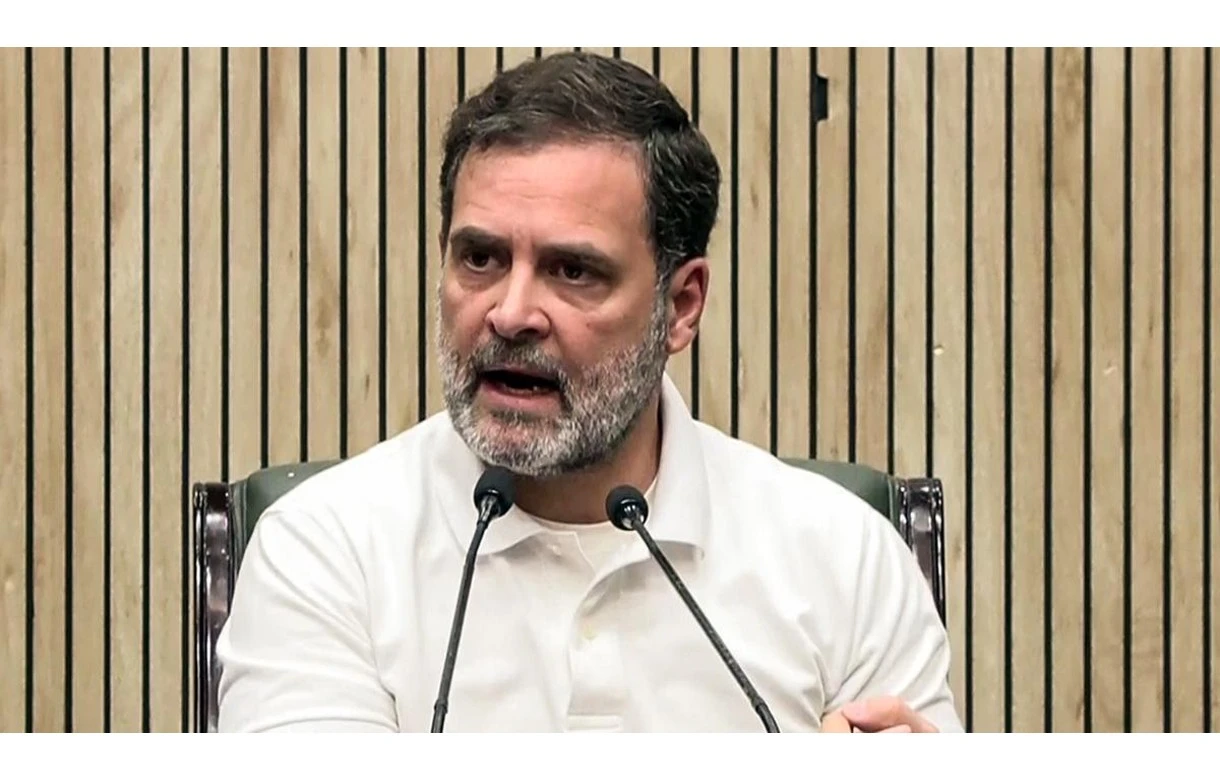
Rahul-Gandhi

The Bharatiya Janata Party on Wednesday accused the Congress of being “anti-Hindu” after senior leader Rahul Gandhi said he was unfamiliar with the name of the newly introduced G-RAM-G employment guarantee scheme, which has replaced the Mahatma Gandhi National Rural Employment Guarantee Act.

Speaking at a conference held at Delhi’s Jawahar Bhavan, Rahul Gandhi remarked, “I don’t know what G-RAM-G is,” while addressing an event focused on MNREGA, the flagship rural employment programme launched during the Congress-led government. Congress president Mallikarjun Kharge made similar comments at the event.

BJP response and political backlash

The BJP reacted sharply, alleging that Rahul Gandhi’s remarks reflected hostility towards Lord Ram. Party leaders claimed the comments had “exposed the Congress’ anti-Hindu mindset,” a charge that intensified the political confrontation over the new legislation.

Several opposition leaders have argued that one of the core concerns with the G-RAM-G scheme is the replacement of Mahatma Gandhi’s name with that of a religious figure, a move they say politicises a welfare programme that was previously secular in identity.

Congress alleges attempt to weaken employment guarantee

At the conference, Rahul Gandhi said MNREGA had given poor households a legal right to employment, which he claimed Prime Minister Narendra Modi was attempting to dismantle. He also referred to the now-repealed farm laws of 2020, saying sustained public pressure had earlier forced the government to withdraw them.

“If we stand together, the government will be forced to back down and MNREGA will be restarted,” Gandhi said, asserting that the employment guarantee programme could be revived through collective resistance.

Mallikarjun Kharge accused the BJP of trying to erase Mahatma Gandhi’s legacy from public memory and said the Congress would raise the issue again during the upcoming Budget session of Parliament.

States move to support MNREGA

As the political debate continues, at least two opposition-ruled states have taken steps to support MNREGA. Karnataka and Tamil Nadu have both indicated plans to pass Assembly resolutions backing the older scheme.

In Karnataka, proceedings were disrupted after Governor Thawar Chand Gehlot declined to read out portions of a government-prepared speech that criticised the G-RAM-G framework. In Tamil Nadu, Chief Minister MK Stalin said his government would also move a resolution in support of MNREGA.

What the G-RAM-G scheme changes

The new G-RAM-G law introduces several structural changes compared to MNREGA. The guaranteed number of workdays has been increased to 125 from 100, but employment is limited to areas officially notified as rural by the central government.

Under the revised funding structure, states are now required to bear 40 per cent of the scheme’s costs, while the Centre will contribute the remaining amount. Hill states and northeastern states will pay only 10 per cent, and Union Territories will continue to receive full central funding.

The Centre will also adopt a “normative” allocation model, deciding annual fund limits for states based on defined parameters, rather than demand. This gives the Centre greater control over fund releases and the authority to suspend allocations in cases of serious irregularities.

While the government has said the changes will encourage states to take financial ownership without imposing excessive burdens, the opposition has described the scheme as “anti-poor,” warning that it could reduce employment opportunities by straining state finances.

Continue Reading

Trending

© Copyright 2022 APNLIVE.com