
Latest Science News
Gemenids Meteor Shower 2021: From date, time to how to watch celestial light show from India, here’s all you need to know
Geminids Meteor Shower were first spotted in the mid-1800s and have been rising in intensity ever since. Know about its timings, date and how to watch the celestial light show.

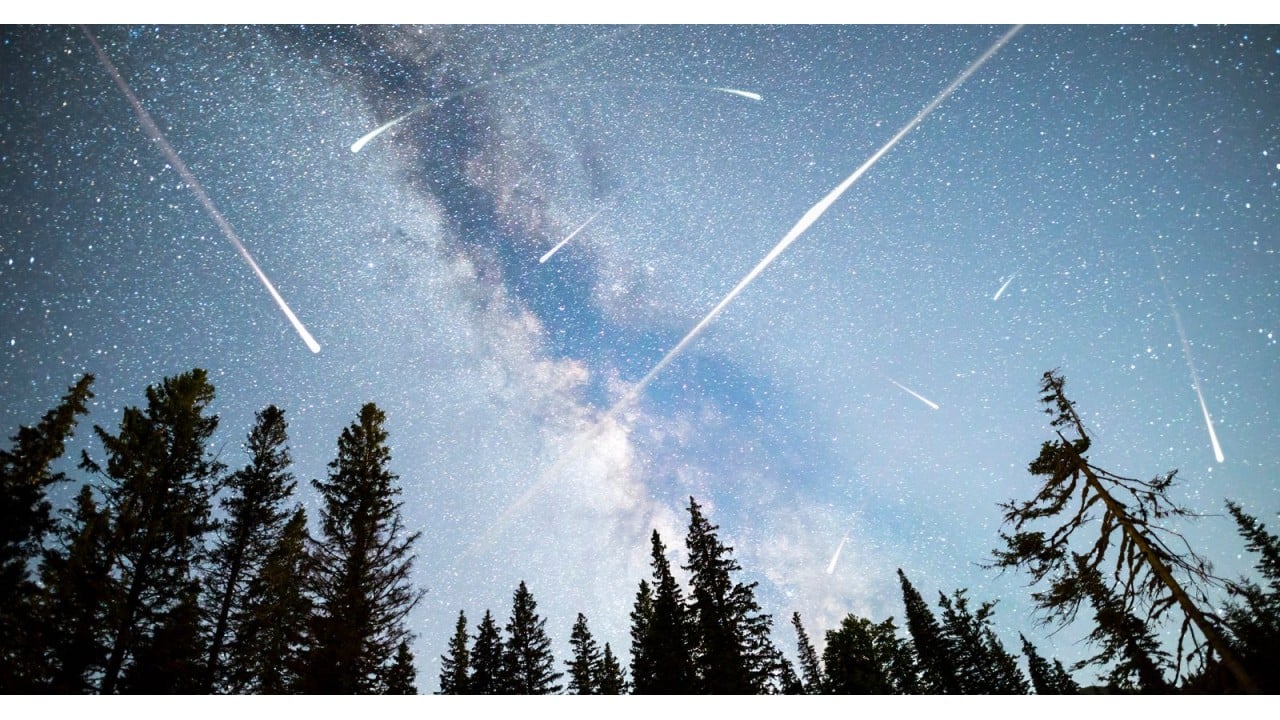
December is here so are the Gemenids Meteor Shower. The celestial light show is active once again this year until December 17 enthralling skywatchers with the dazzling and breathtaking light show. Gemenids Meteor Shower is expected to start from December 13-14 night to December 17. The annual celestial event is an absolute thrill for sky gazers.
What is Geminids Meteor Showers?
Geminids meteor showers are triggered by debris from 3200 Phaethon, a cosmic object. Based on observations of small amounts of debris leaving Phaethon’s surface, some scientists believe it to be an extinct comet. Because of its orbit and resemblance to the main-belt asteroid Pallas, some astronomers believe it is an asteroid.
Geminids were first spotted in the mid-1800s and have been rising in intensity ever since. While initial sightings ranged between 10 and 20 meteors per hour, skywatchers may now capture up to 150 meteors per hour at peak, making it one of the biggest annual meteor showers.
Geminids History
The word Geminids is derived from the Greek myth of Phaethon, the son of Helios, the sun god. A meteor is a piece of rock and ice that is released from a comet. When the meteor reaches Earth, it is referred to as a meteorite, and a shower is a group of meteorites that are encountered all at once.
Best time to watch Geminids Meteor Shower
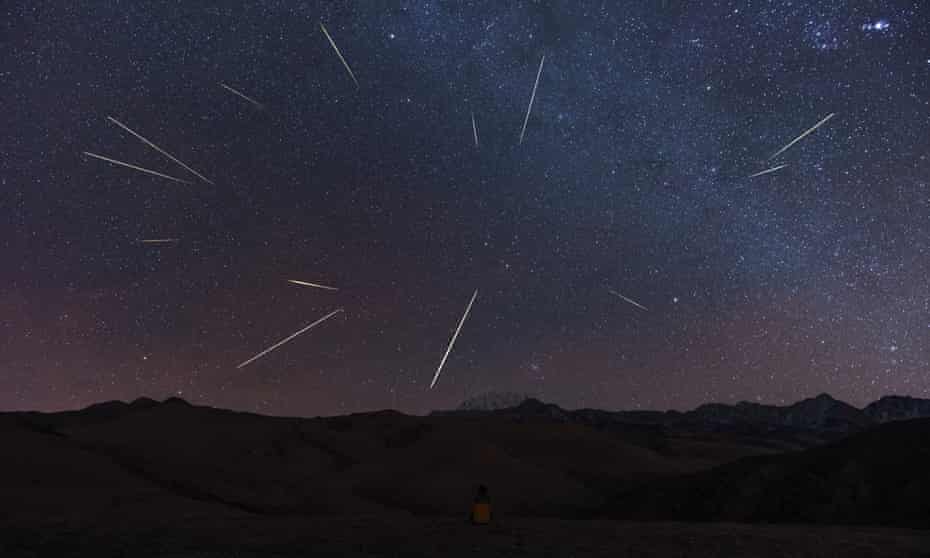
Geminids are likely to rise on December 14, with the prime viewing window being between 01:00 am and 04:00 am. The best time to see the Geminids from anywhere in the world is about 02:00 a.m. In a good spot, one may easily detect 50 Geminids every hour.
The showers will be visible to the naked eye, and no special telescopes or binoculars will be required. In fact, any type of magnifying medium is not advised since it would obstruct the vast range of view required to really experience the meteor shower.
People in the northern hemisphere (including India) will witness more Geminids than those in the southern hemisphere.
Tips to watch Geminids Meteor Shower
- Seek a location with fewer trees, city lights and clear skies.
- The showers will be seen from around 02:00 a.m. and will continue till dawn when the moon sets around 0:300 a.m.
- Watch for at least an hour to ensure you see as many meteors as possible.
- The Geminids will be visible to the naked eye, so no telescope or binoculars are required.
How to watch Geminids meteor shower from home?
NASA will webcast the Geminids meteor shower live on its Meteor Watch Facebook page. During the peak, NASA will stream the meteors using a meteor camera placed at the Marshall Space Flight Center in Alabama, starting at 7:30 am.
Latest Science News
Astronaut Shubhanshu Shukla to meet PM Modi after return from historic space mission
Astronaut Shubhanshu Shukla, who recently returned from the ISS as part of the Axiom-4 mission, will meet PM Modi this evening. Parliament will also hold a special discussion on his historic journey.


India News
Shubhanshu Shukla pens emotional note as he returns to India after space mission
Indian astronaut Shubhanshu Shukla penned an emotional Instagram post as he returned to India after his 18-day ISS mission, marking a milestone in India’s space journey.

Latest Science News
Shubhanshu Shukla becomes second Indian in space, lifts off for ISS aboard Axiom-4 mission
Group Captain Shubhanshu Shukla becomes the second Indian astronaut to travel to space after four decades, aboard the Axiom-4 mission to the International Space Station.

DMK leader’s son arrested after car rams family in Krishnagiri, one dead
RSS chief backs nationwide rollout of Uniform Civil Code, cites Uttarakhand model

As stealth reshapes air combat, India weighs induction of Sukhoi Su-57 jets

Rinku Singh returns home from T20 World Cup camp due to family emergency

Tamil Nadu potboiler: Now, Sasikala to launch new party ahead of election
Tamil Nadu potboiler: Now, Sasikala to launch new party ahead of election
Rinku Singh returns home from T20 World Cup camp due to family emergency
As stealth reshapes air combat, India weighs induction of Sukhoi Su-57 jets
RSS chief backs nationwide rollout of Uniform Civil Code, cites Uttarakhand model
DMK leader’s son arrested after car rams family in Krishnagiri, one dead

Afghan Men Try To Hang With The Jet Engine Of The Aircraft in Kabul- Afghanistan News – Kabul News
Trending Top 10 News: 10000 Crore Fine on Flipkart, Apple to Launch Unique Feature, Hdfc Bank Job Ad

Trending Top 10 News: Nokia 6310, Apple sales, Bachpan ka Pyar Video Kid, Dainik Bhaskar IT Raid

Trending Top 10 News: Canada bans Indian flights, Rain in Delhi NCR, AIMIM Twitter hacked, Raj Kundra case

Trending Top 10 News: Shein India, Apple New Service, Pocket Oxygen, Oppo Launched New Phone
-
 India News16 hours ago
DMK leader’s son arrested after car rams family in Krishnagiri, one dead
-
India News15 hours ago
RSS chief backs nationwide rollout of Uniform Civil Code, cites Uttarakhand model
-
 India News6 hours ago
As stealth reshapes air combat, India weighs induction of Sukhoi Su-57 jets
-
 Cricket news6 hours ago
Rinku Singh returns home from T20 World Cup camp due to family emergency
-
 India News5 hours ago
Tamil Nadu potboiler: Now, Sasikala to launch new party ahead of election
