
Latest Science News
Scientists look to mathematics to make cancer treatment more effective


[vc_row][vc_column][vc_column_text]By Monika Kundu Srivastava
Scientists at the Pune-based National Chemical Laboratory (NCL) of Council of Scientific and Industrial Research (CSIR) have developed a mathematical model that promises to deliver better protocols for cancer treatment.
The model has three main components — one for core tumour and other cells that subsequently get affected by cancer; the second for immune stimulators or boosters that help protect normal cells from getting affected; and the third for immune suppressors or dampeners that allow cancer to spread. The model describes most of the ways by which the three ‘actors’ could affect or influence each other.
It is expected to be of significance as treatment protocols could be developed based on accurate calculations, thus avoiding the preventable and uncomfortable side-effects of cancer treatment, researchers said.
A cancer tumour consists mainly of cancer stem cells (94.6%), followed by cancer cells (4.5%), resistant cancer cells (1%) and drug-resistant stem cells (0.001%). The stem cells, depending on the kind of stimulation received, are capable of changing into any type of cell and multiply rapidly. The spread of the disease can be limited significantly, if within 400 days of tumour detection cancer stem cells can be stopped from multiplying and resistant cancer cells stopped from changing into cancer stem cells and drug-resistant stem cells respectively.
After 400 days, when the cells multiply rapidly, it becomes difficult to treat. Many structural changes happen due to mutation, breakages and other factors, which can result in the cells becoming resistant to traditional drugs or radiation and treatment becomes ineffective.
Researchers tested two treatment protocols based on various interactions: one using only radiation and medication while the second included immunotherapy. They found that there was vast improvement in latter protocol in the form of a huge reduction in multiplication rate of tumour cells. This was because radiation had no effect on resistant stem cells, and chemotherapy impacted both stem and cancer resistant cells. Immunotherapy, on the other hand, was found to be beneficial both at early and later stages. In the early stage (till 400 days), it did not allow the number of resistant cells to increase and in later stages it did not allow the tumour to have its full effect due to an increase in the number of protective cells fighting cancer cells.
“The model can be used as a potential tool for the prediction of cancer prognosis and calculation of fold changes in the tumour subpopulations in response to a new treatment regimen. The study opens up new avenues for further research in cancer treatment,” researchers said.
Commenting on the new model, Dr. Radhika Nair, Ramanujan Faculty Fellow at the Rajiv Gandhi Centre for Biotechnology, Thiruvananthapuram, said it was a novel study and the model could be applied to most cancers.

Researchers at National Chemical Laboratory (NCL), Pune
“The mathematical basis can help predict optimal drug dosage and treatment cycles which can have a huge benefit in avoiding unnecessary side effects of treatment. The model can also tell us how much intra-tumor heterogeneity as well as drug resistant cell population evolves in response to a new treatment regimen, that is, how the cancer might progress,” Dr Nair said.However,she said, while researchers have verified the model with known experimental data, it is essential to prove its clinical applicability as patients may have a unique manifestation of the disease.
The scientists – PiyaliGanguli and Ram Rup Sarkar of Chemical Engineering and Process Development Division at NCL – have published findings of their research in journal, PLOS One. The work was funded by the Science and Engineering Research Board (SERB). (India Science Wire)[/vc_column_text][/vc_column][/vc_row]







India News
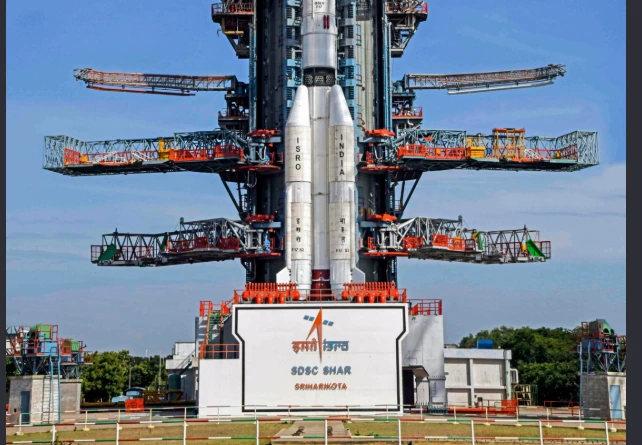
PM Modi hails ISRO after successful GSLV-F17 launch, calls it proud moment
PM Modi congratulated ISRO after GSLV-F17 successfully launched EOS-05, calling the achievement a proud moment for India.

Latest Science News
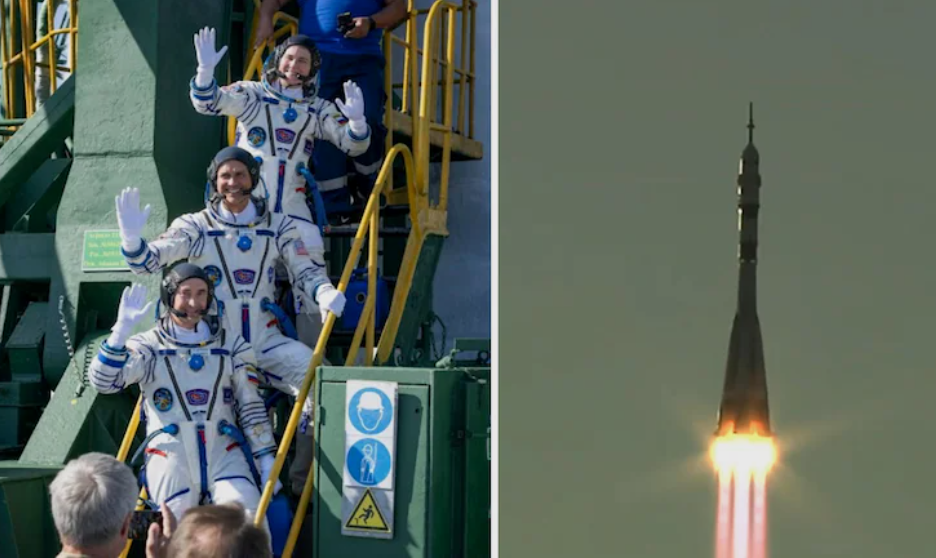
Indian-origin astronaut Anil Menon begins first mission to International Space Station
Indian-origin NASA astronaut Anil Menon has launched aboard Soyuz MS-29 on his first mission to the International Space Station, where he is expected to spend around eight months conducting research.
Latest Science News
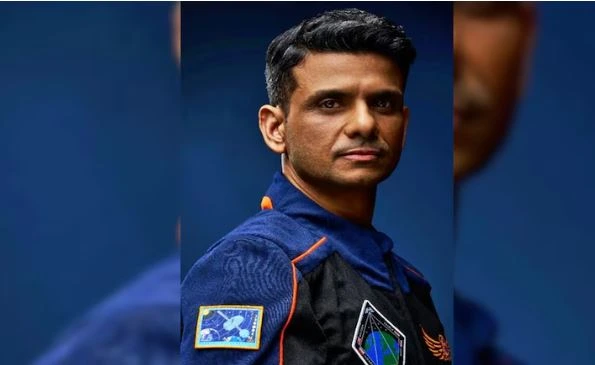
Astronaut Shubhanshu Shukla to meet PM Modi after return from historic space mission
Astronaut Shubhanshu Shukla, who recently returned from the ISS as part of the Axiom-4 mission, will meet PM Modi this evening. Parliament will also hold a special discussion on his historic journey.


Dhruv Rathee gets fresh summons in 2018 BJP IT cell video case

Nobody can browbeat judiciary, Chief Justice warns over Rahul Gandhi’s march

India-US trade deal first phase finalised, drafting underway

Election Commission orders voter roll revision in 17 states, UTs

Actor Imran Khan asked to leave India after CJP protest

Delhi Police offers 11-person limit for CJP’s Connaught Place protest
Actor Imran Khan asked to leave India after CJP protest
Election Commission orders voter roll revision in 17 states, UTs
India-US trade deal first phase finalised, drafting underway
Nobody can browbeat judiciary, Chief Justice warns over Rahul Gandhi’s march

Afghan Men Try To Hang With The Jet Engine Of The Aircraft in Kabul- Afghanistan News – Kabul News
Trending Top 10 News: 10000 Crore Fine on Flipkart, Apple to Launch Unique Feature, Hdfc Bank Job Ad

Trending Top 10 News: Nokia 6310, Apple sales, Bachpan ka Pyar Video Kid, Dainik Bhaskar IT Raid

Trending Top 10 News: Canada bans Indian flights, Rain in Delhi NCR, AIMIM Twitter hacked, Raj Kundra case

Trending Top 10 News: Shein India, Apple New Service, Pocket Oxygen, Oppo Launched New Phone
-
 India News13 hours ago
Dhruv Rathee gets fresh summons in 2018 BJP IT cell video case
-
 India News10 hours ago
Nobody can browbeat judiciary, Chief Justice warns over Rahul Gandhi’s march
-
 India News5 hours ago
India-US trade deal first phase finalised, drafting underway
-
 India News3 hours ago
Election Commission orders voter roll revision in 17 states, UTs
-
 India News2 hours ago
Actor Imran Khan asked to leave India after CJP protest
-
 India News1 hour ago
Delhi Police offers 11-person limit for CJP’s Connaught Place protest
