
India News
Speakers in APN show: Politicians who polarise people should be punished

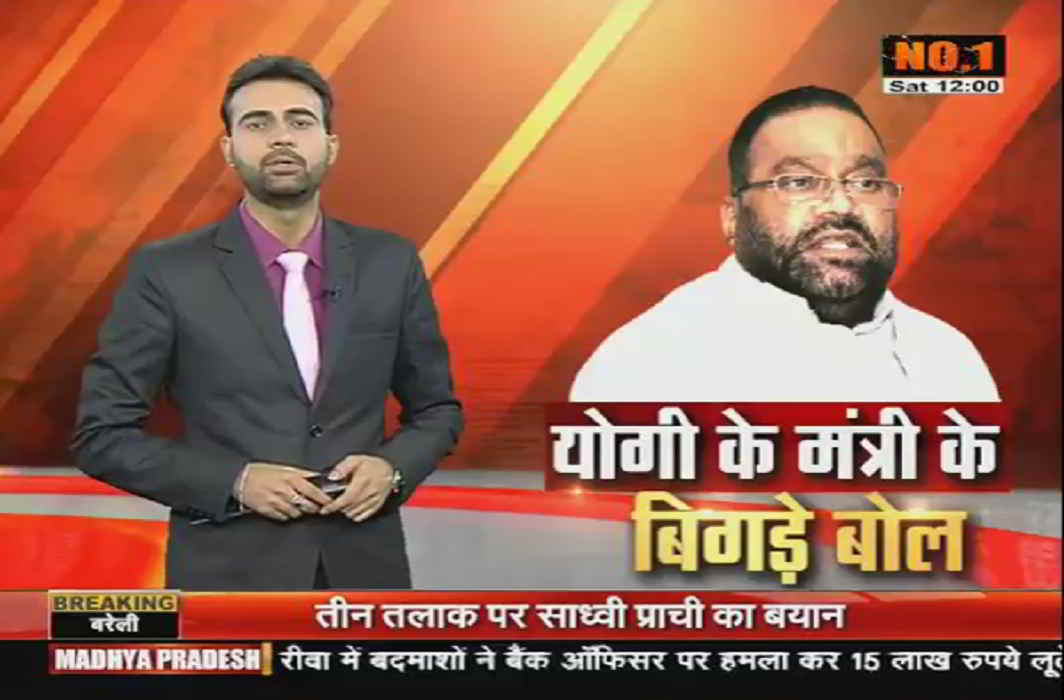
[vc_row][vc_column][vc_column_text]APN’s Aap ki rai discusses why BJP leaders end up making communally charged statements
At a time when Prime Minister Narendra Modi and Uttar Pradesh Chief Minister Yogi Adityanath have been reiterating their unhappiness at BJP leaders stoking outrage by making frequent communal statements, certain elements in the party seem to be set upon creating trouble for the party leadership by issuing controversial statements. On Saturday (April 29), Swami Prasad Maurya, the Uttar Pradesh Minister for Cooperatives, has said that Muslims chose triple talaq to satisfy their “lust” by changing wives.
Maurya, who is in Basti, was quoted as saying by ANI, “Koi havas poora karne ke liye lagatar patni badle, bachon-patni ko bheek mangne pe majboor kare ise koi acha nahi kehega. (Just for lust, if someone changes his wife or forces children to beg then no one would appreciate it).
Similarly, another minister Satyadev Pachauri was caught using derogatory language for a physically disabled contractual employee during a surprise inspection at the Divyang Empowerment Department in Lucknow. He was quoted telling his official, “You have kept a loola-langda on contract. What will he do? This is the reason behind lack of hygiene in Lucknow.” Interestingly Yogi government has recently renamed the Viklang Kalyan Vibhag (Handicap Welfare Department) to Divyang Jan Sashaktikaran Vibhag (Divyang Empowerment Department).
Meanwhile in Moradabad, VHP leader Sadhvi Prachi was recently quoted asking Muslim women to leave their religion and say “I love you” to Hindu men, so they can escape triple talaq.
APN ran a half-hour Aap ki rai (your opinion) program on Saturday, to find out people’s views on the frequent communally surcharged controversial statements. It was more focused on Maurya’s comment on lust.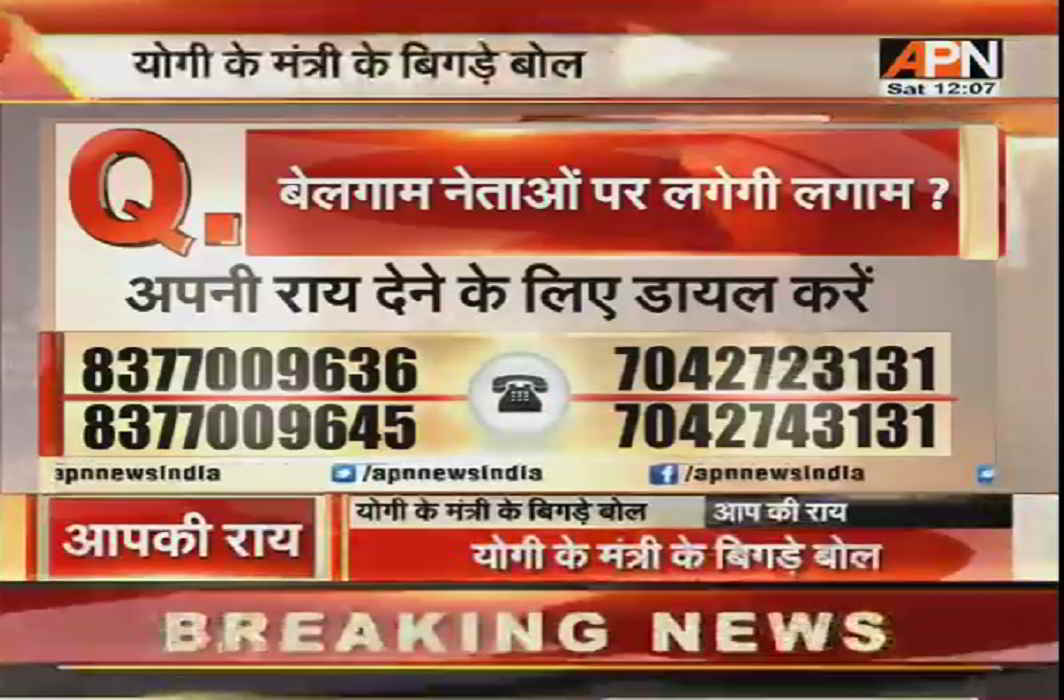
APN’s Himanshu Dikshit anchored the show. Opinions of political adversaries of the BJP were also included: Juhi Singh of Samajwadi Party, Surjendra Rajput of Congress and Tariq Anwar of Nationalist Congress Party criticised the statements and advised the BJP leadership to behave responsibly.
Shaista Ambar of All India Muslim Women’s Personal Law Board (AIMWPLB) asserted that Swami Prasad Maurya should seek apology, be immediately removed from the cabinet and jailed at the earliest. She said Maurya insulted all women by using abusive language. She said that if Maurya does not apologise, she may approach the Supreme Court. Maulana Khalid Rasheed Firangi Mahli, Member of the All India Muslim Personal Law Board (AIMPLB), also criticised the irresponsible behaviour of BJP leaders for using abusive language.
A large number of viewers called APN studio to express their opinion on how to curb leaders from making irresponsible statements. Callers from Uttar Pradesh, Madhya Pradesh, Bihar, West Bengal, Maharashtra, Rajasthan and Haryana participated in the show.
Pritam from Varanasi and Jaibhar from Chandigarh expressed suspicion that the abusive statements were part of a BJP conspiracy. Jaibhar was of the opinion that Prime Minister Narendra Modi and Chief Minister Yogi Adityanath were not taking action against the fringe elements. He considered the BJP leadership might be internally encouraging such statements.
Nand Kishore from Madhya Pradesh alleged that these statements were part of vote politics. In his opinion, such ministers should be immediately removed from the cabinet.
Ahmed from Barabanki, Saleem from Bihar, Suhail from Faridabad, Waris from Lakhimpur Kheri and Israr from Kolkata were unanimous in demanding stern action against such irresponsible elements who were trying to polarise people. They asked Prime Minister Modi, Chief Minister Yogi Adityanath and other senior BJP leaders to take stern action for maintaining harmony in the country.[/vc_column_text][/vc_column][/vc_row]









India News
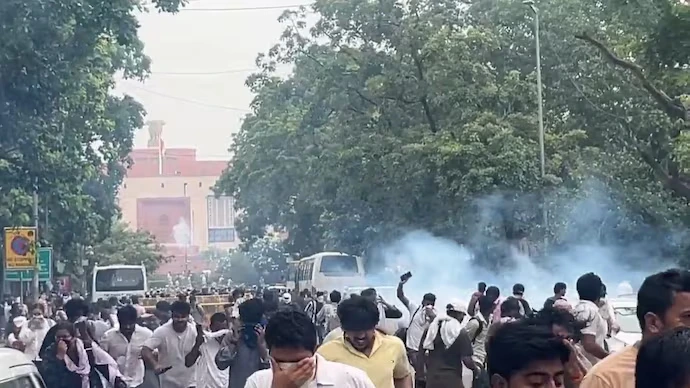
Delhi deploys 25,000 personnel, installs CCTV cameras ahead of CJP march
More than 25,000 police and paramilitary personnel have been deployed in Delhi ahead of the CJP’s planned protest march at Connaught Place. Authorities have also imposed restrictions and stepped up CCTV surveillance.

India News
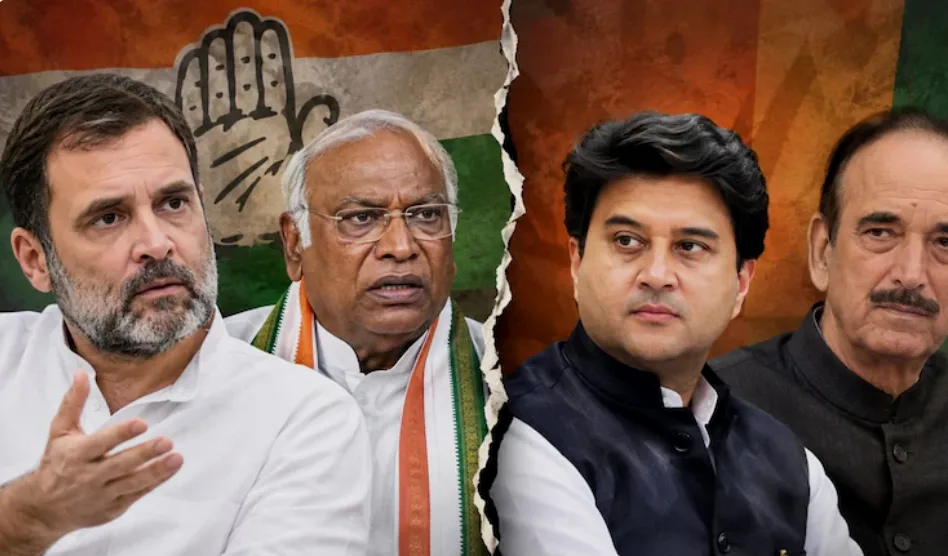
Mallikarjun Kharge’s ‘Your Friends’ jab at Rahul Gandhi over congress exits
Congress president Mallikarjun Kharge took a dig at Rahul Gandhi after the Leader of the Opposition reportedly described former party leaders Jyotiraditya Scindia and Ghulam Nabi Azad as among those who had left the Congress.
India News
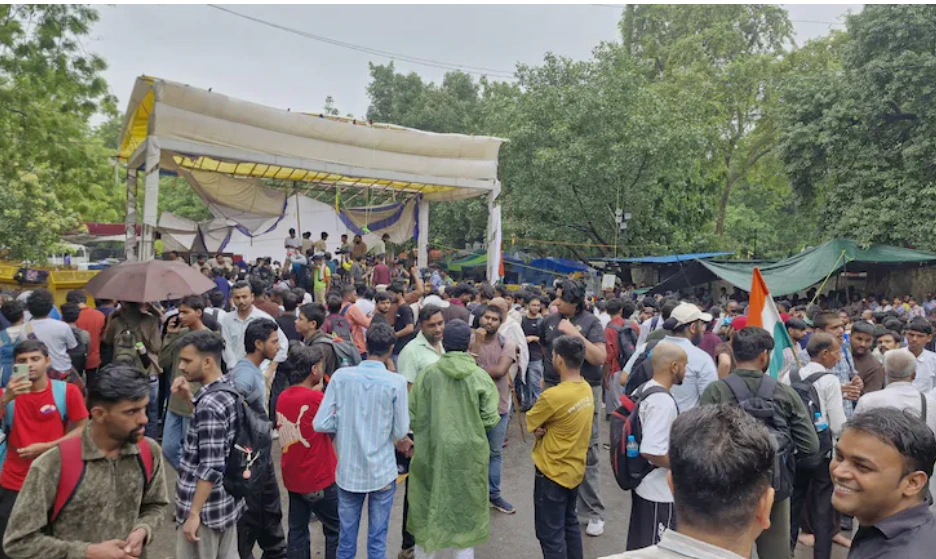
Delhi Police offers 11-person limit for CJP’s Connaught Place protest
Delhi Police has offered to facilitate a group of 11 people at Central Park in Connaught Place for the Cockroach Janata Party’s October 16 protest, while warning that violations of prohibitory orders could invite legal action.

Nobody can browbeat judiciary, Chief Justice warns over Rahul Gandhi’s march

India-US trade deal first phase finalised, drafting underway

Election Commission orders voter roll revision in 17 states, UTs

Actor Imran Khan asked to leave India after CJP protest

Delhi Police offers 11-person limit for CJP’s Connaught Place protest

Magnitude 7 earthquake strikes Russia’s Kamchatka Peninsula

Delhi deploys 25,000 personnel, installs CCTV cameras ahead of CJP march

Mallikarjun Kharge’s ‘Your Friends’ jab at Rahul Gandhi over congress exits
Delhi Police offers 11-person limit for CJP’s Connaught Place protest
Actor Imran Khan asked to leave India after CJP protest

Afghan Men Try To Hang With The Jet Engine Of The Aircraft in Kabul- Afghanistan News – Kabul News
Trending Top 10 News: 10000 Crore Fine on Flipkart, Apple to Launch Unique Feature, Hdfc Bank Job Ad

Trending Top 10 News: Nokia 6310, Apple sales, Bachpan ka Pyar Video Kid, Dainik Bhaskar IT Raid

Trending Top 10 News: Canada bans Indian flights, Rain in Delhi NCR, AIMIM Twitter hacked, Raj Kundra case

Trending Top 10 News: Shein India, Apple New Service, Pocket Oxygen, Oppo Launched New Phone
-
 India News23 hours ago
Nobody can browbeat judiciary, Chief Justice warns over Rahul Gandhi’s march
-
 India News18 hours ago
India-US trade deal first phase finalised, drafting underway
-
 India News16 hours ago
Election Commission orders voter roll revision in 17 states, UTs
-
 India News15 hours ago
Actor Imran Khan asked to leave India after CJP protest
-
 India News14 hours ago
Delhi Police offers 11-person limit for CJP’s Connaught Place protest
-
 India News3 hours ago
Mallikarjun Kharge’s ‘Your Friends’ jab at Rahul Gandhi over congress exits
-
 India News2 hours ago
Delhi deploys 25,000 personnel, installs CCTV cameras ahead of CJP march
-
 Latest world news2 hours ago
Magnitude 7 earthquake strikes Russia’s Kamchatka Peninsula
