Cricket news
Bangladesh bans IPL telecast amid Mustafizur Rahman-KKR dispute
Bangladesh has imposed an unprecedented ban on IPL telecast after a row over Mustafizur Rahman’s exclusion from KKR, escalating tensions between cricket boards.








Cricket news
Abhishek Sharma smashes 113 off 38 balls as India beat New Zealand in 3rd ODI
Abhishek Sharma hammered 113 off just 38 balls as India chased down New Zealand’s 199-run target in 13.2 overs, winning the third T20I by six wickets.


Cricket news
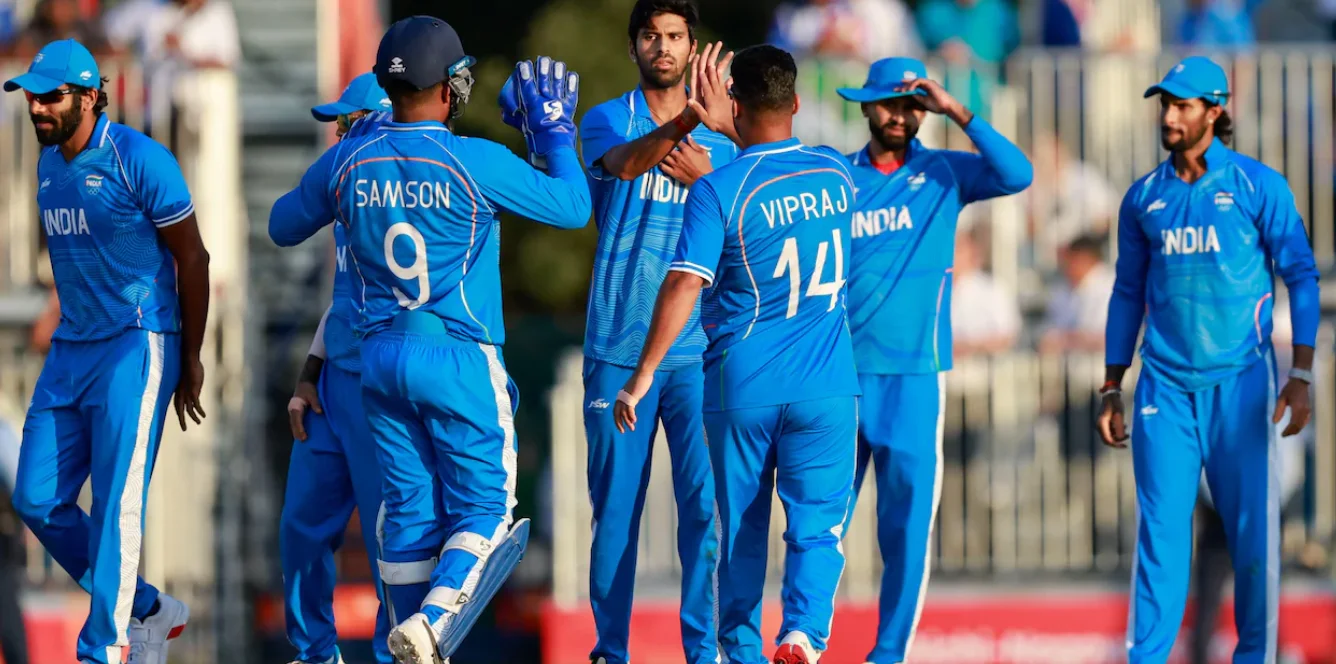
India beat Pakistan by 19 runs to win Asian Games cricket gold
India beat Pakistan by 19 runs in the Asian Games 2026 men’s cricket final to retain the gold medal in the competition.
Cricket news
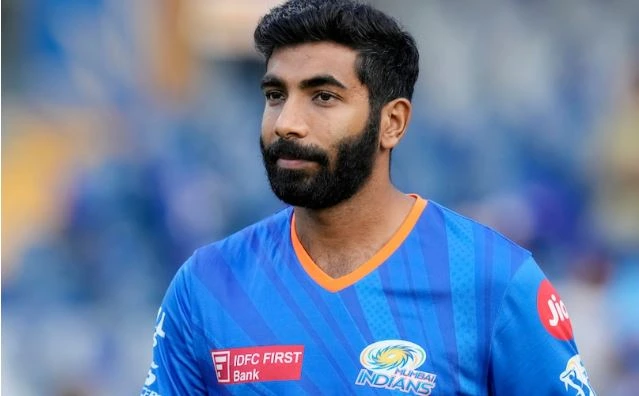
Jasprit Bumrah becomes first Indian to play T20Is in 13 countries
Jasprit Bumrah became the first Indian to play T20I cricket in 13 different countries after featuring against Sri Lanka in Japan.

Latest world news6 hours ago
India, Canada discuss trade pact to boost bilateral commerce

Entertainment5 hours ago
Anirudh Ravichander marries Kavya Maran in Greece, first wedding photos out
Entertainment5 hours ago
Anirudh Ravichander marries Kavya Maran in Greece, first wedding photos out
Latest world news6 hours ago
India, Canada discuss trade pact to boost bilateral commerce

India News1 day ago
Mother Dairy raises milk prices by Rs 2-4 per litre from November 12

India News1 day ago
Air pollution as big a health emergency as COVID, says former WHO chief Soumya Swaminathan

India News1 day ago
Terrorists open fire at CRPF personnel in Jammu and Kashmir’s Kulgam, search operation underway

RecommendedVideo5 years ago
Afghan Men Try To Hang With The Jet Engine Of The Aircraft in Kabul- Afghanistan News – Kabul News
videos5 years ago
Trending Top 10 News: 10000 Crore Fine on Flipkart, Apple to Launch Unique Feature, Hdfc Bank Job Ad

videos5 years ago
Trending Top 10 News: Nokia 6310, Apple sales, Bachpan ka Pyar Video Kid, Dainik Bhaskar IT Raid

videos5 years ago
Trending Top 10 News: Canada bans Indian flights, Rain in Delhi NCR, AIMIM Twitter hacked, Raj Kundra case

videos5 years ago